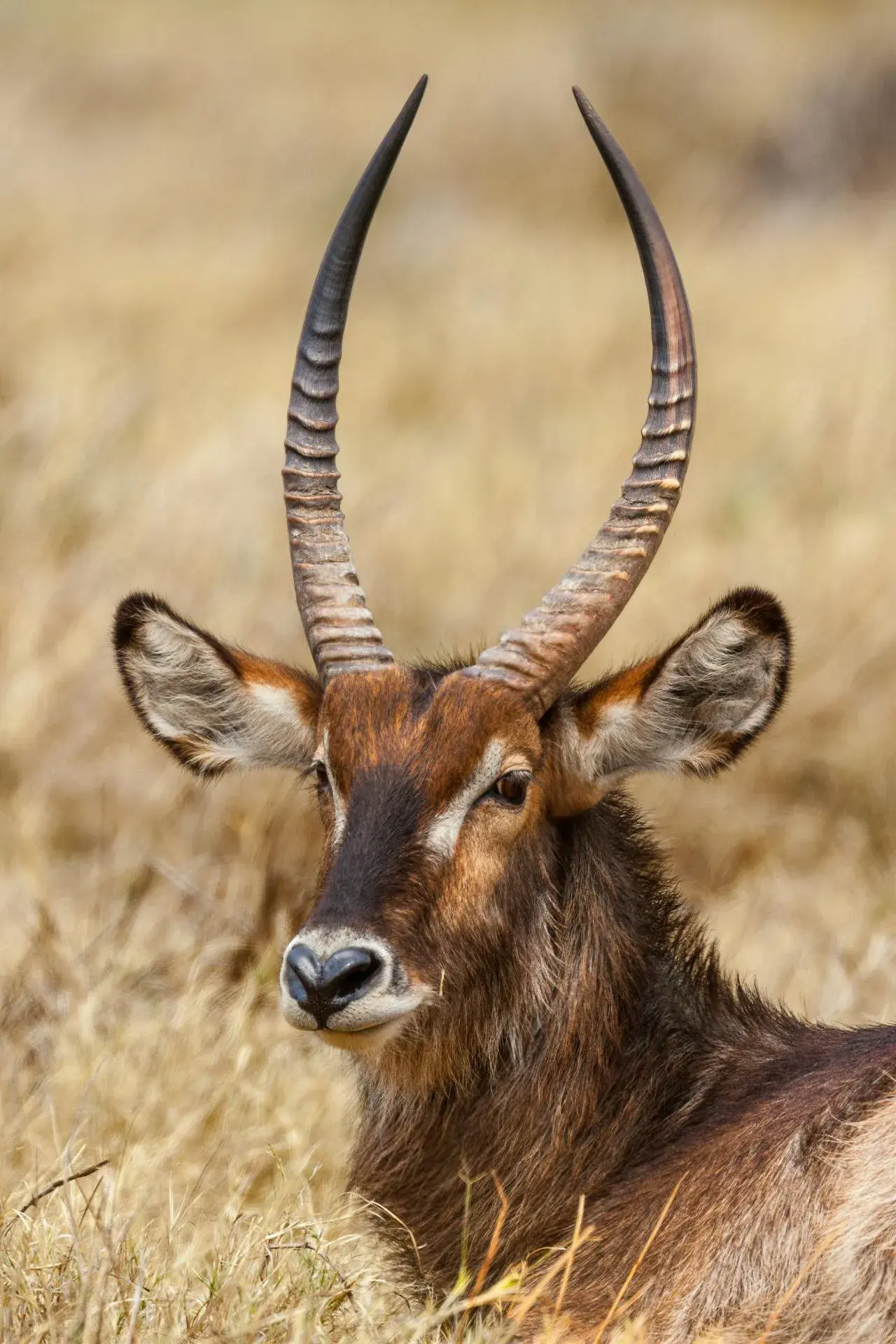
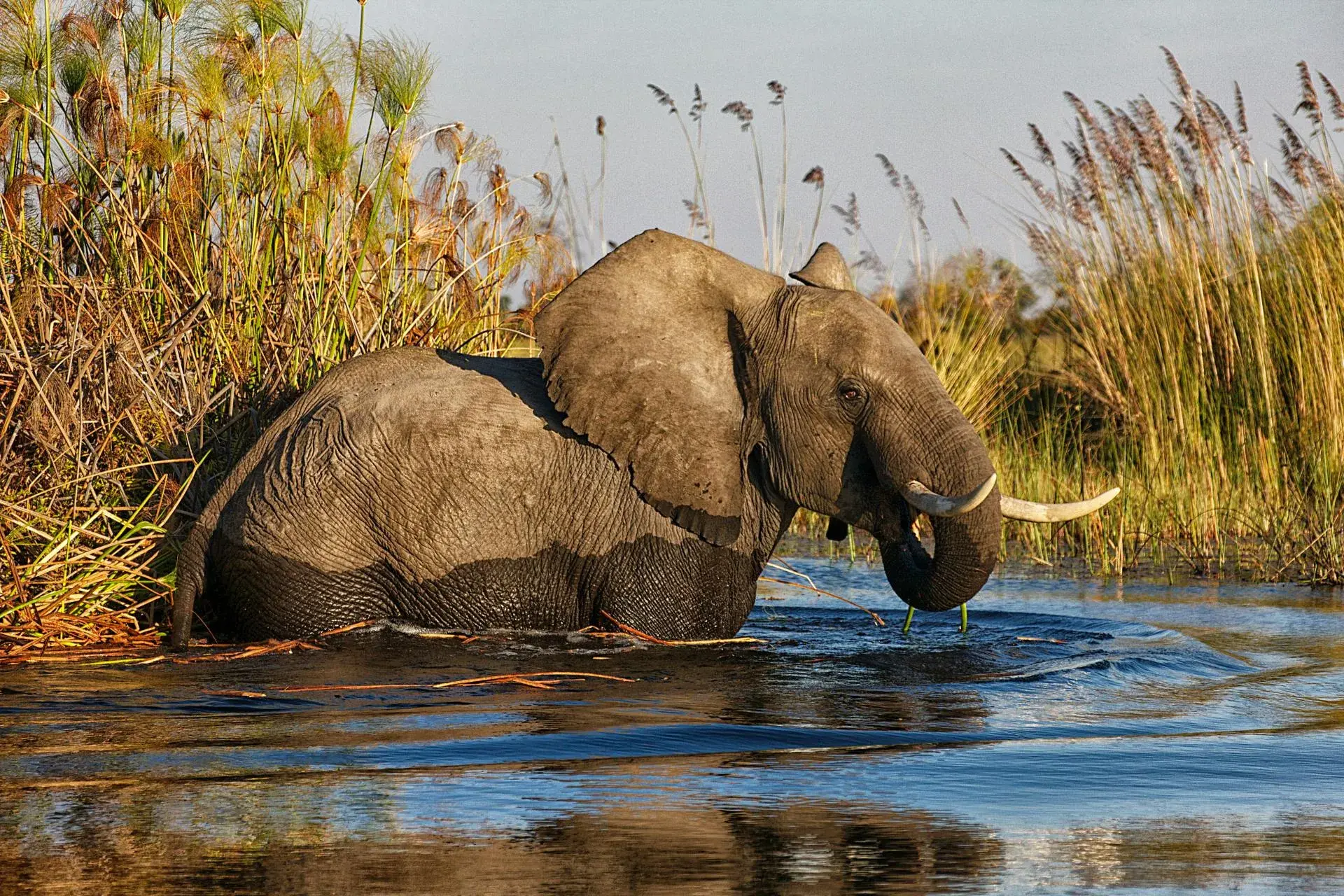
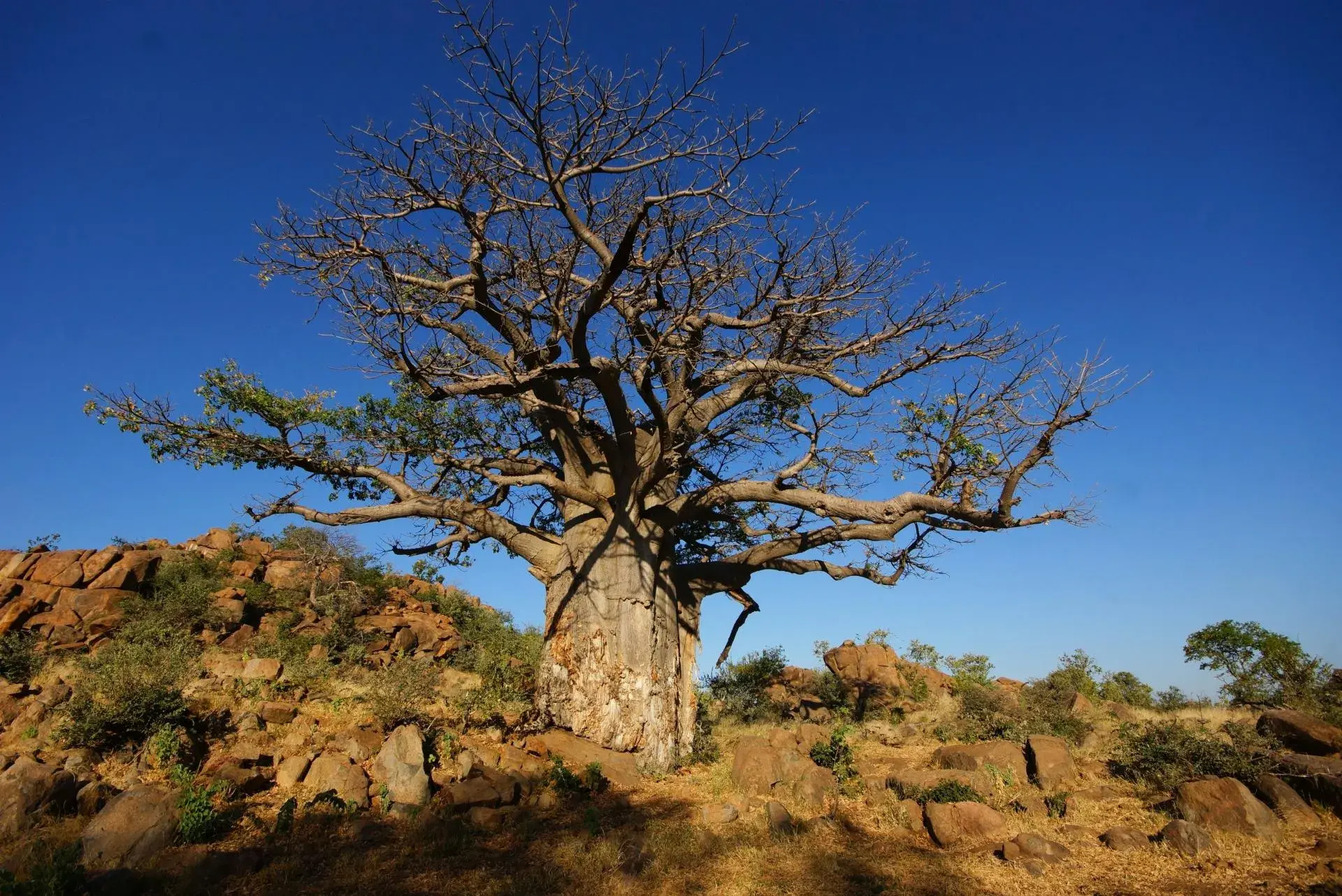
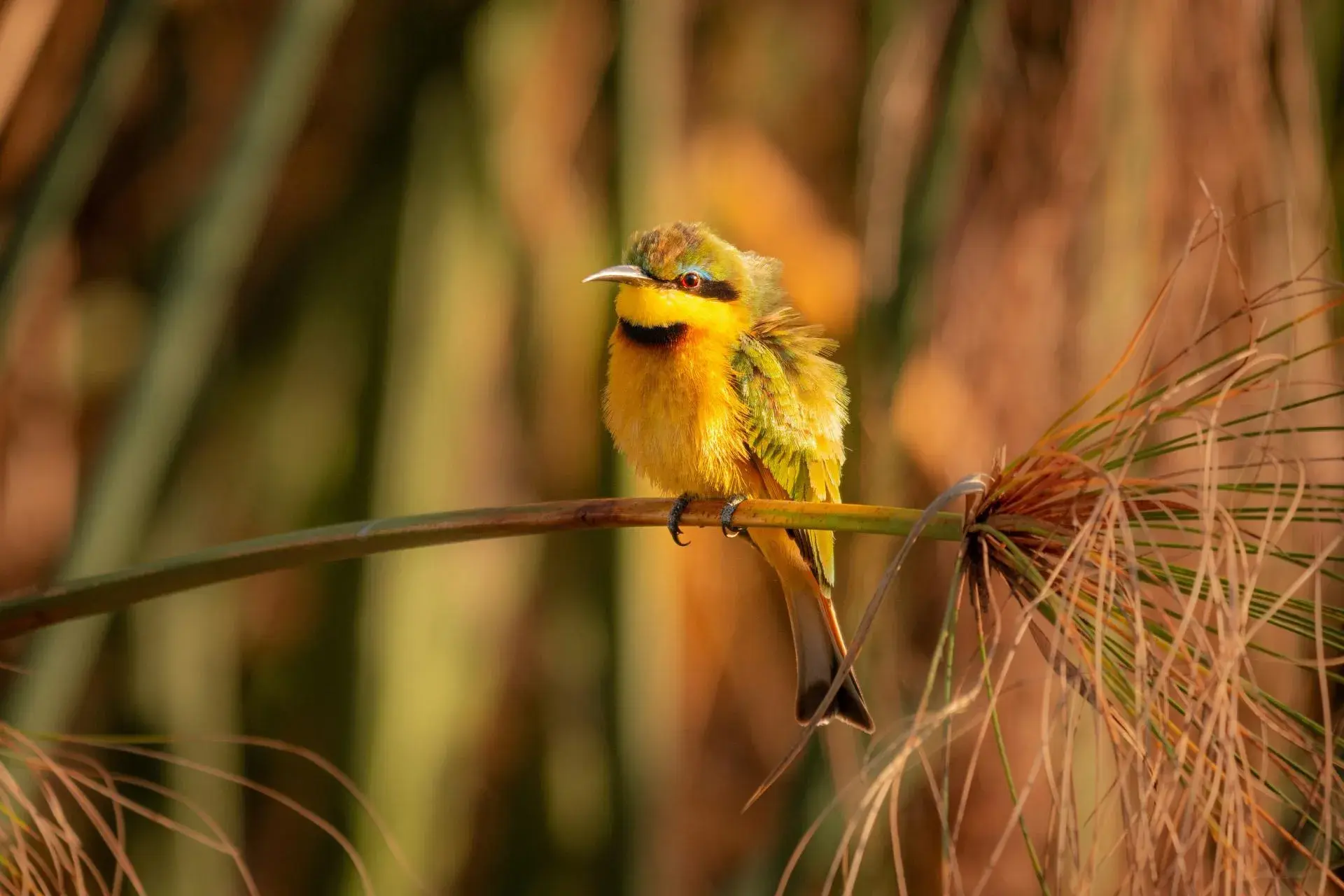
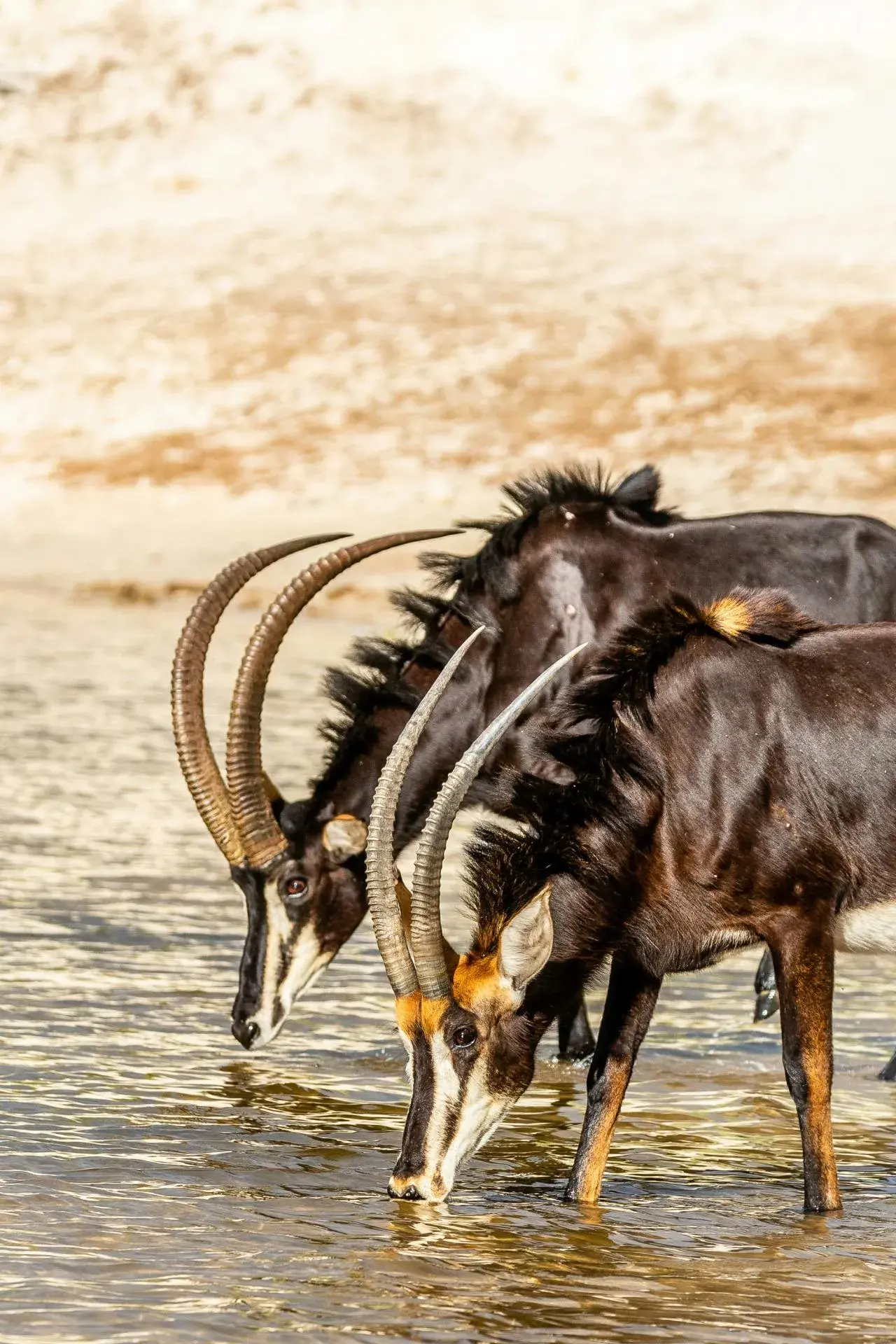
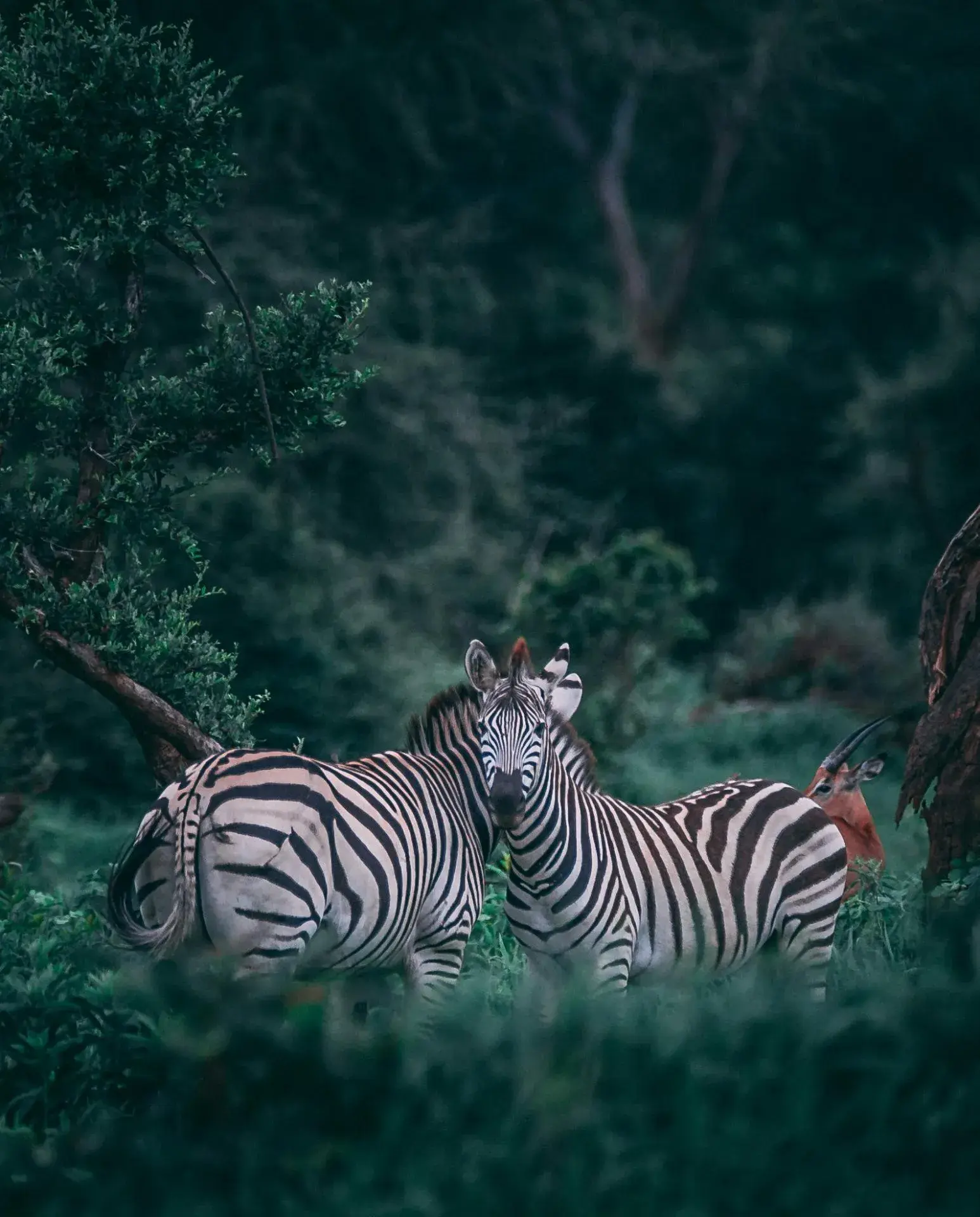
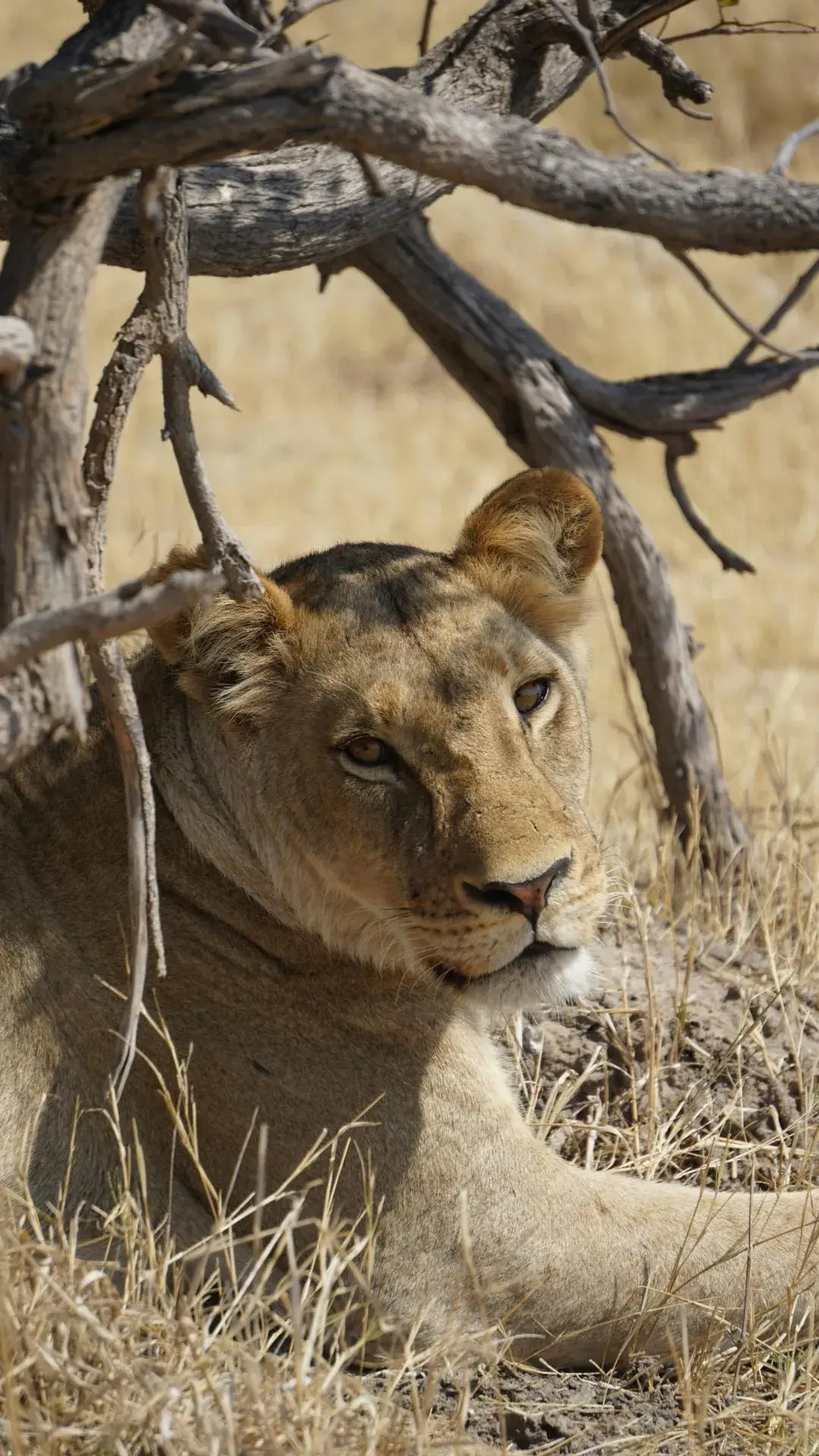
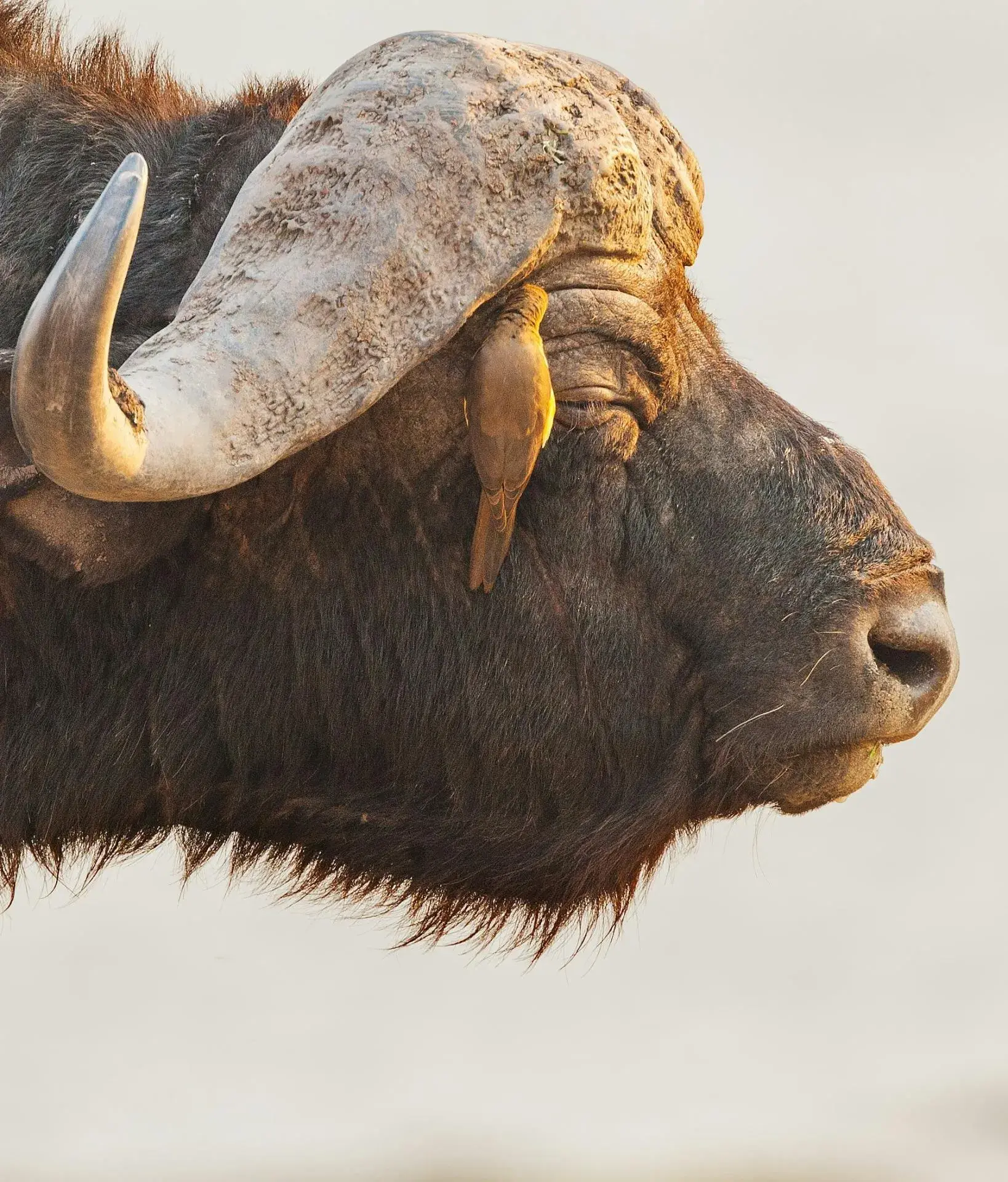
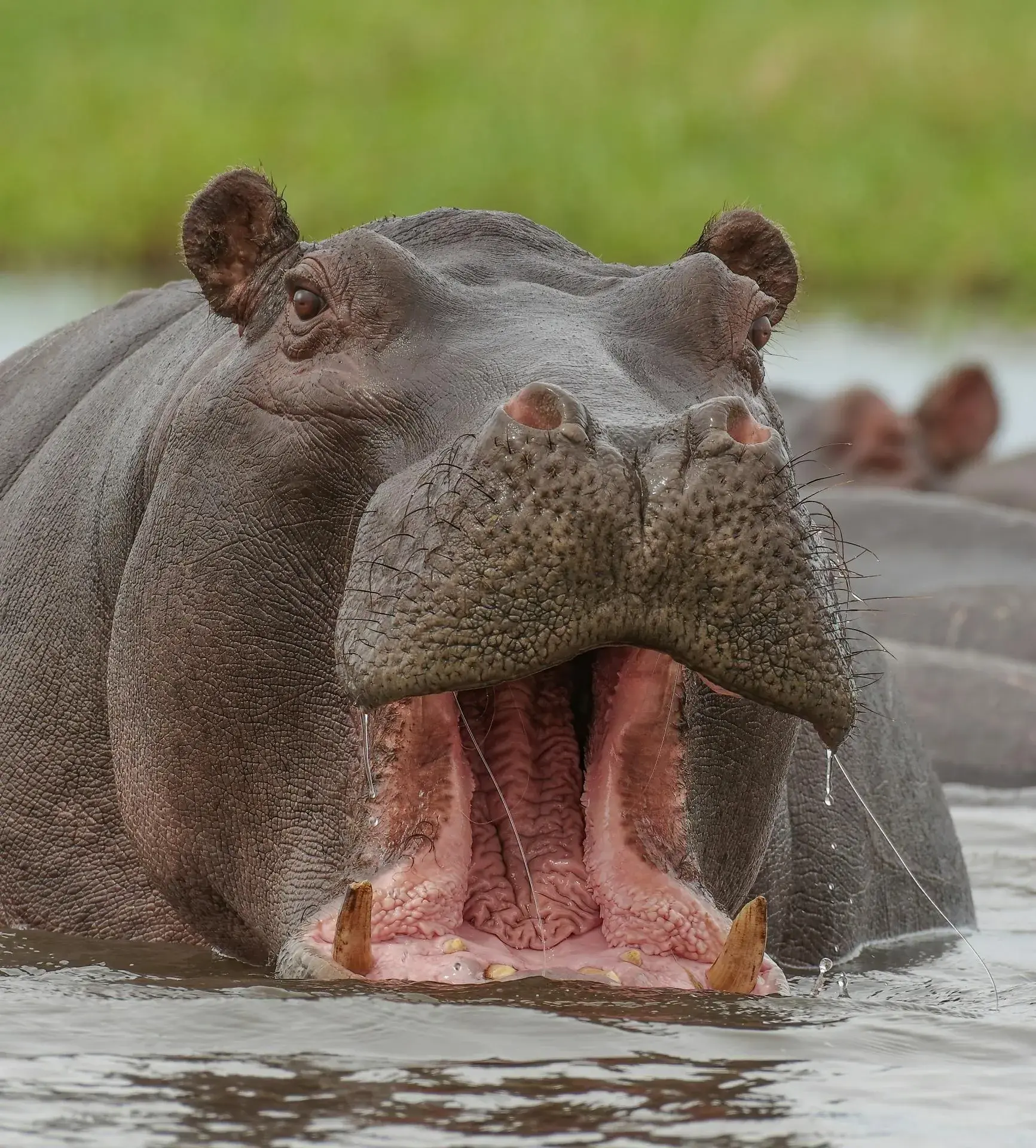
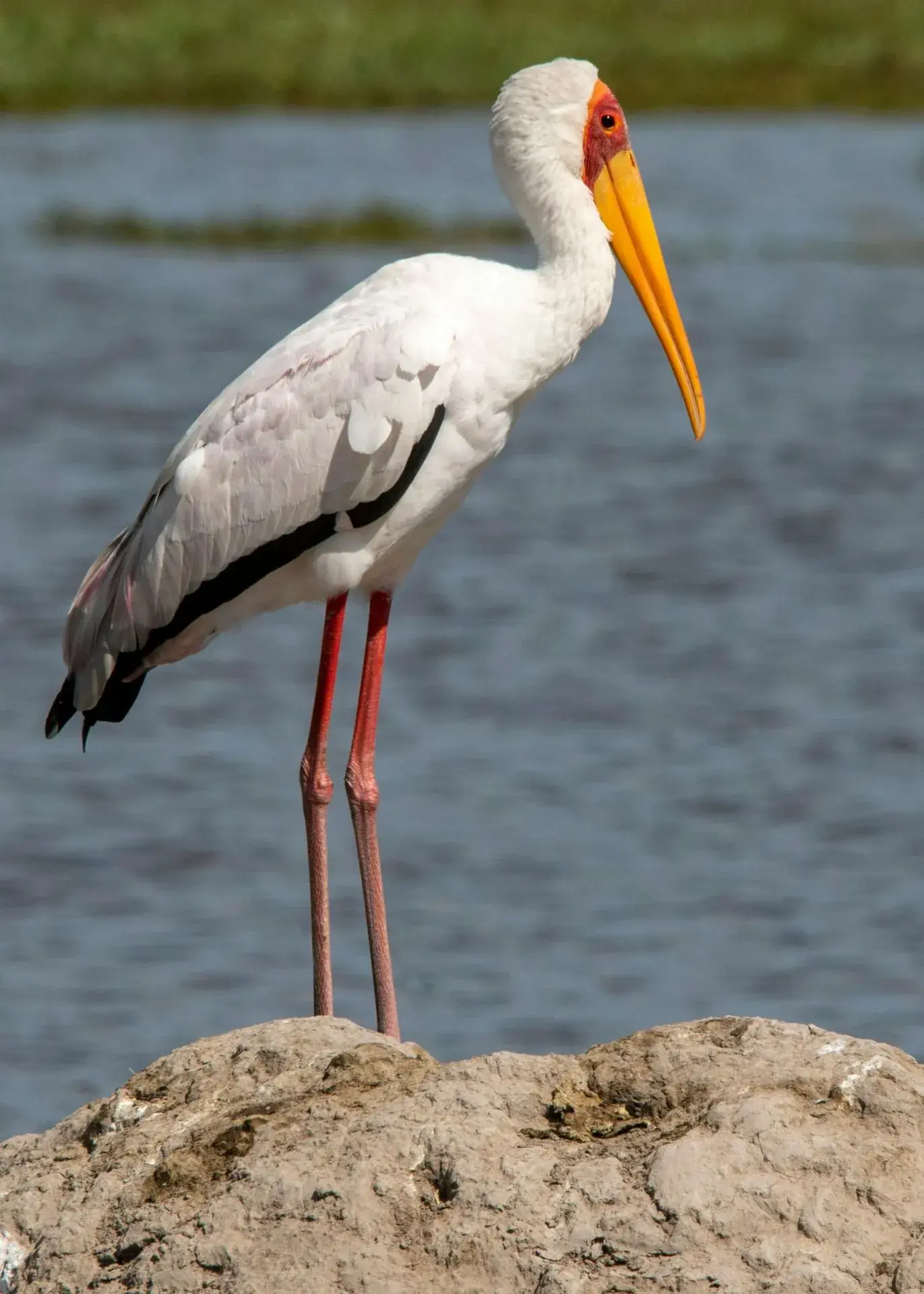
Rivers draw life into open plains where elephants graze, the Okavango’s channels weave through reeds and islands teem with life, and beyond, the Kalahari's orange sand stretches past the Horizon.
Overview
Botswana’s history is rooted in the Tswana kingdoms that once occupied the region, later becoming the British Protectorate of Bechuanaland in the late 19th century. Gaining independence in 1966, the country has since developed into one of Africa’s most stable democracies, supported by careful governance and the responsible management of natural resources, particularly diamonds. This stability has allowed Botswana to prioritize conservation and protect its vast wilderness areas.
Today, Botswana is widely regarded as having some of the finest wildlife and wilderness areas on the continent. Many national parks remain unfenced, allowing animals to move freely across ecosystems. As a result, Botswana is a stronghold for endangered species and offers a safari experience defined by space, privacy, and remarkable wildlife in truly untouched landscapes.
566,730 sq km (218,815 sq miles), botswana is roughly the size of Texas
Namibia, South Africa, Zambia & Zimbabwe
English (official), Setswana (77.3%), Sekalanga, Shekgalagadi, and other native languages
Suggested Journeys
Featured Properties
When to Travel
The best time to visit Botswana for wildlife is during the dry season from May through October. During these months, rainfall is minimal, vegetation is thinner, and animals gather around permanent water sources such as rivers and the Okavango Delta. This makes wildlife easier to spot, including elephants, lions, leopards, buffalo, and large herds of antelope. Temperatures range from about 20–30°C (68–86°F) during the day, with cooler mornings and evenings, especially in June–August.
The peak period is July through October, when game viewing is at its most concentrated, particularly in areas like Chobe and the Delta.
The green season (November through April) brings warmer temperatures (25–35°C / 77–95°F) and afternoon rains. Landscapes become lush and beautiful, and this is the best time for birdlife, with migratory species arriving. It is also the calving season, offering opportunities to see newborn animals and predator activity, though wildlife is more spread out.
In short:
• May–October: Best for classic safari and large game viewing
• November–April: Best for scenery, birding, and fewer crowds
Travel highlights
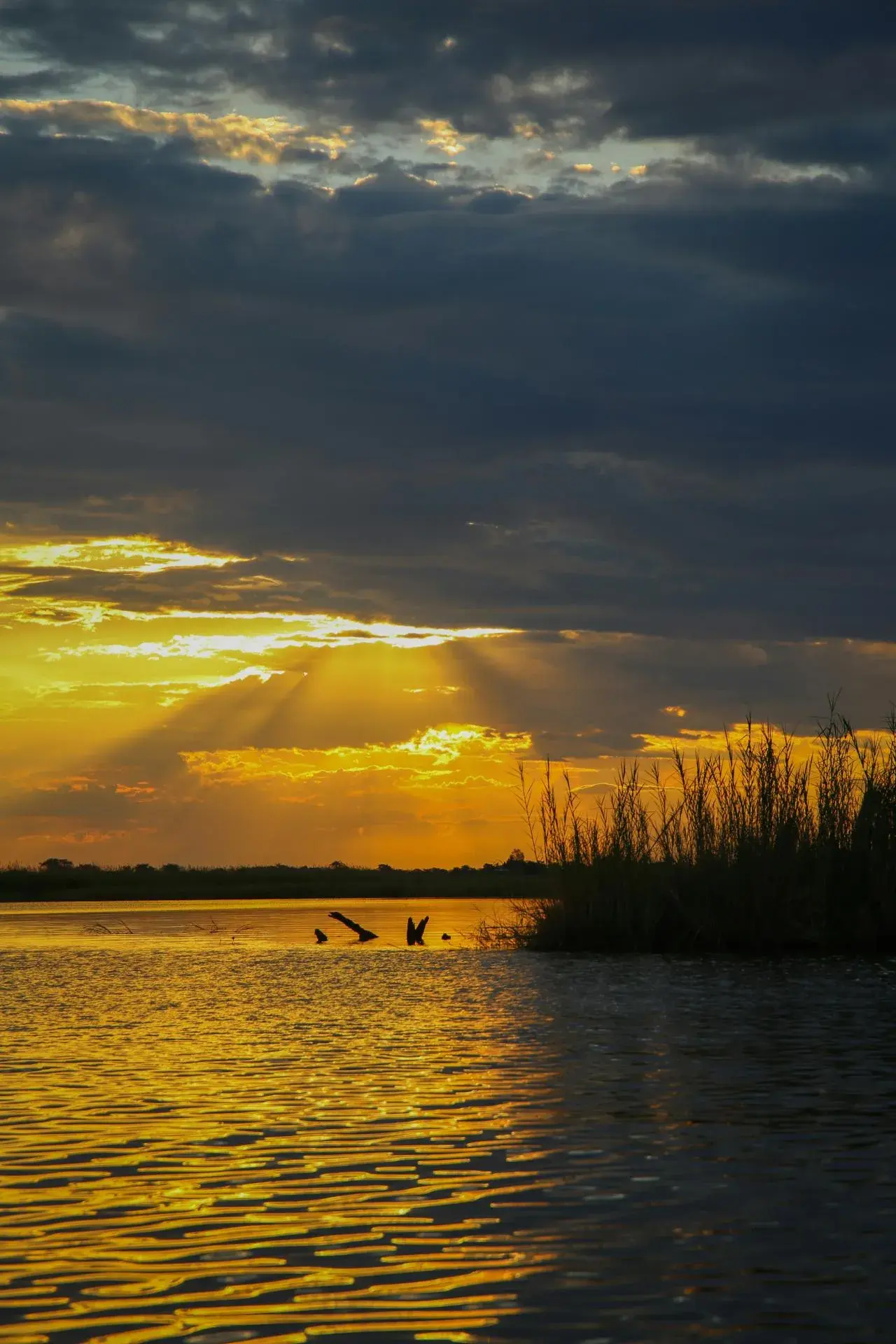
In Botswana, elephants move steadily along the Chobe River as dust rises in the late afternoon light, while in the Okavango Delta, narrow waterways wind through reeds and palm-fringed islands alive with birds and distant calls of wildlife. Open floodplains shift with the seasons, drawing herds into view, while beyond, the Central Kalahari stretches into quiet, endless space under vast skies. Sunsets fade into clear nights filled with stars, and each landscape reveals a different rhythm, shaped by water, movement, and the feeling of being far removed from everything else.
Things to consider
-
Neutral, lightweight clothing in breathable fabrics is best for safari, helping you stay comfortable and blend into the environment. Early mornings and evenings can be cool, especially in the dry season, so layering with a light jacket or fleece is recommended. Comfortable closed shoes are important for walking, and a hat, sunglasses, and sun protection are essential during the day. Avoid bright colors and dark blue or black, which can attract insects.
-
No mandatory vaccinations are required unless arriving from a yellow fever area. Recommended vaccines typically include hepatitis A, typhoid, and routine immunizations. Malaria prevention is advised in many safari regions, so consultation with a healthcare provider before travel is important.
-
The currency is the Botswana Pula (BWP). Credit cards are widely accepted in lodges, hotels, and larger establishments, while cash is useful in towns and for smaller purchases. ATMs are available in cities such as Gaborone and Maun but are limited in remote areas.
-
Botswana is considered one of the safest countries in Africa, with a stable political environment and low crime levels. Basic precautions are recommended, such as safeguarding valuables. In safari areas, safety briefings are important, as wildlife moves freely and should always be respected.
-
Tap water is generally safe to drink in cities and many lodges, though bottled or filtered water is often provided. Food standards are high in safari camps and hotels, with fresh, well-prepared meals. In remote areas, it is advisable to follow local guidance regarding water and food consumption.
Entry requirements:
US and Canadian citizens must have a passport valid for at least six months beyond entry, with at least two blank pages. No visa is required for tourist stays of up to 90 days. Travelers may be asked to show proof of onward or return travel and sufficient funds for their stay. Requirements can change, so it is advisable to verify details prior to departure.