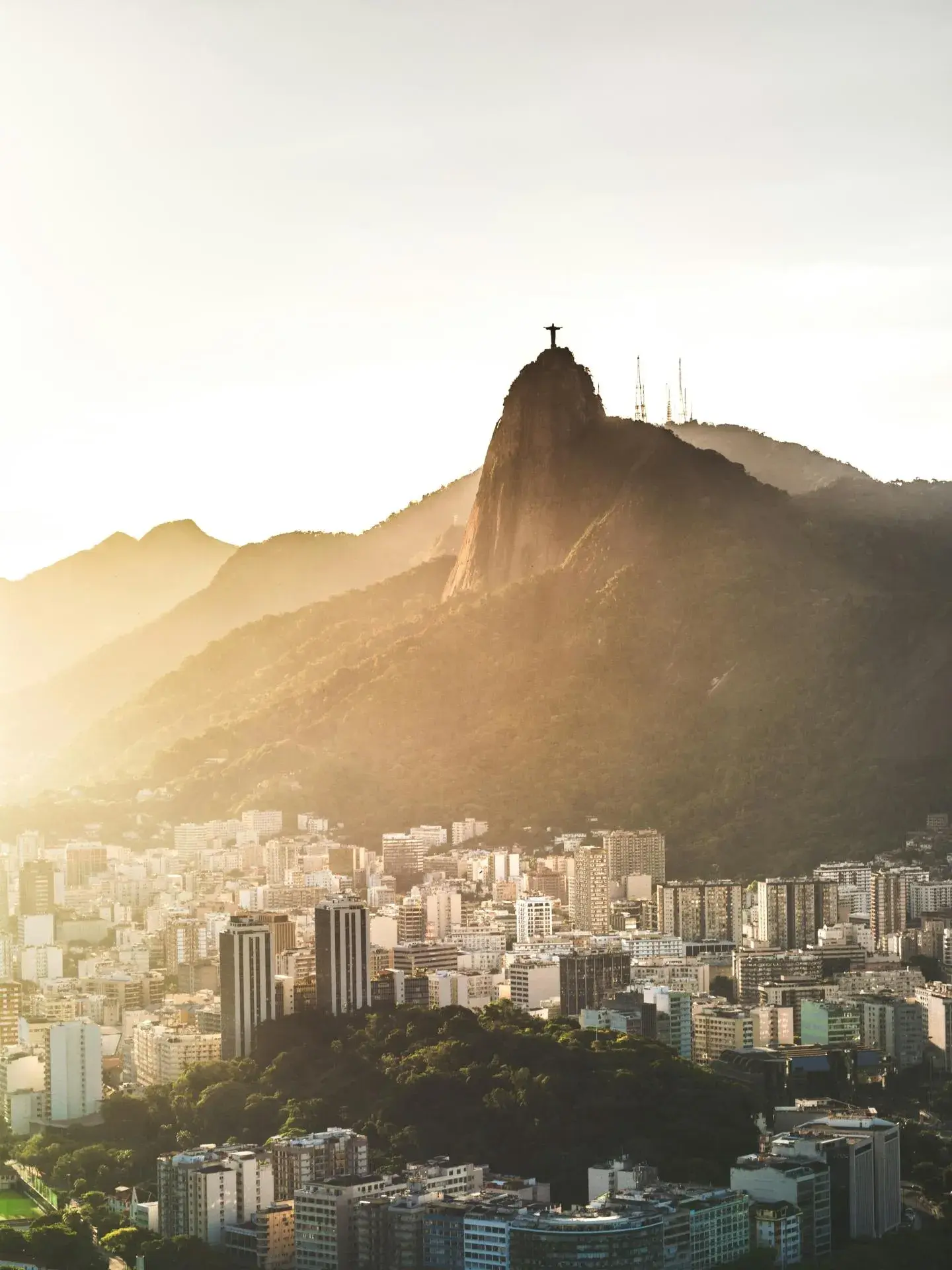
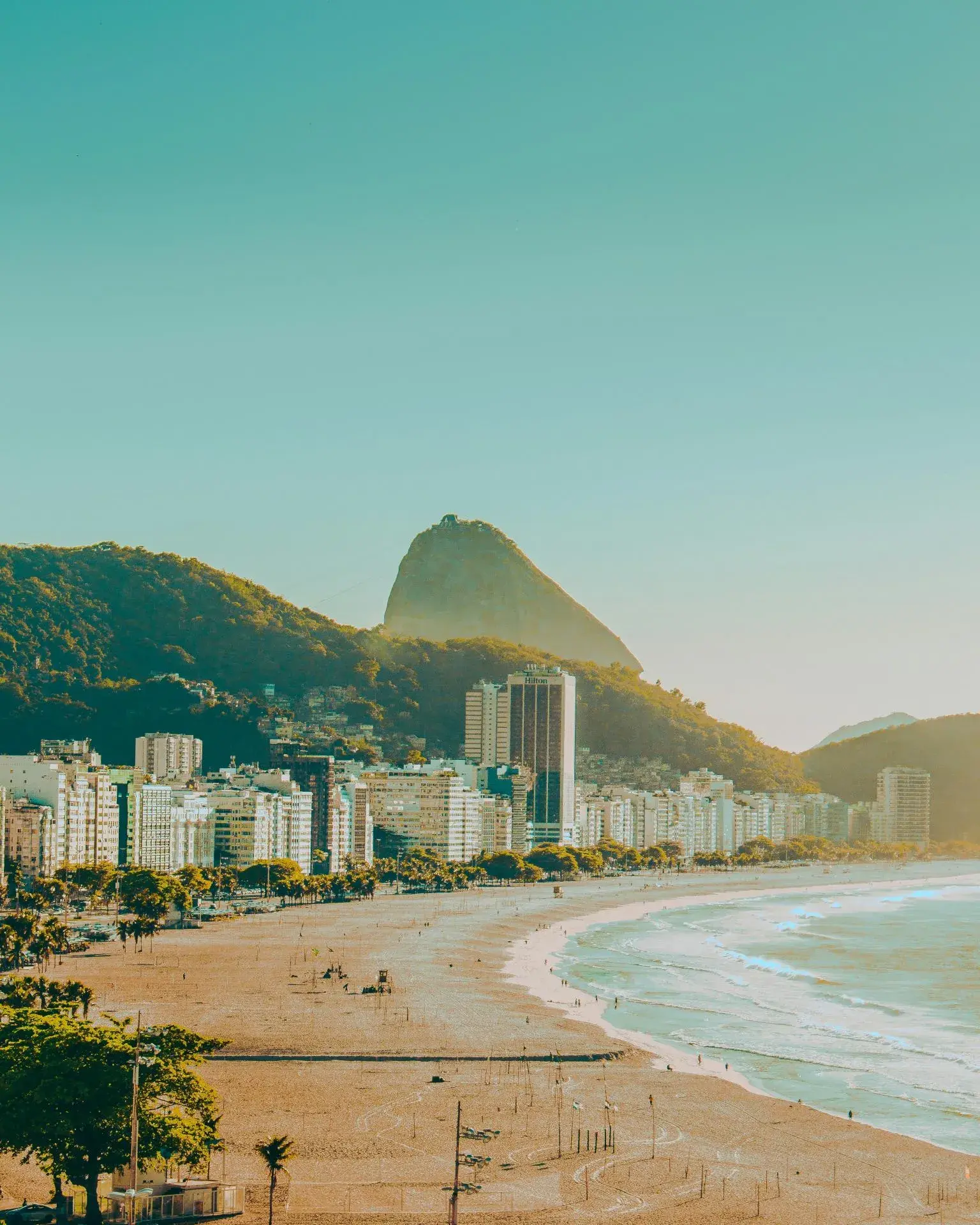
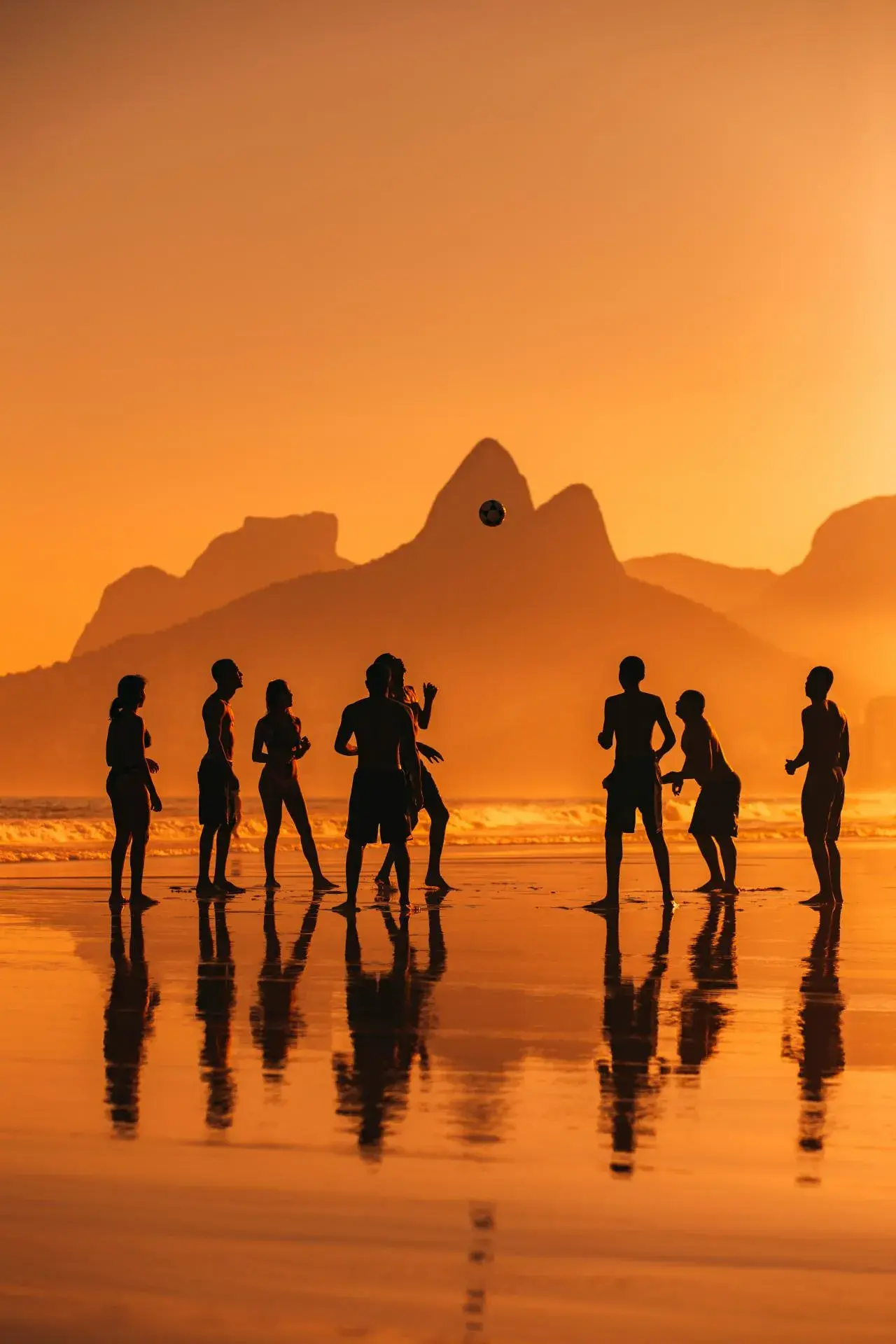
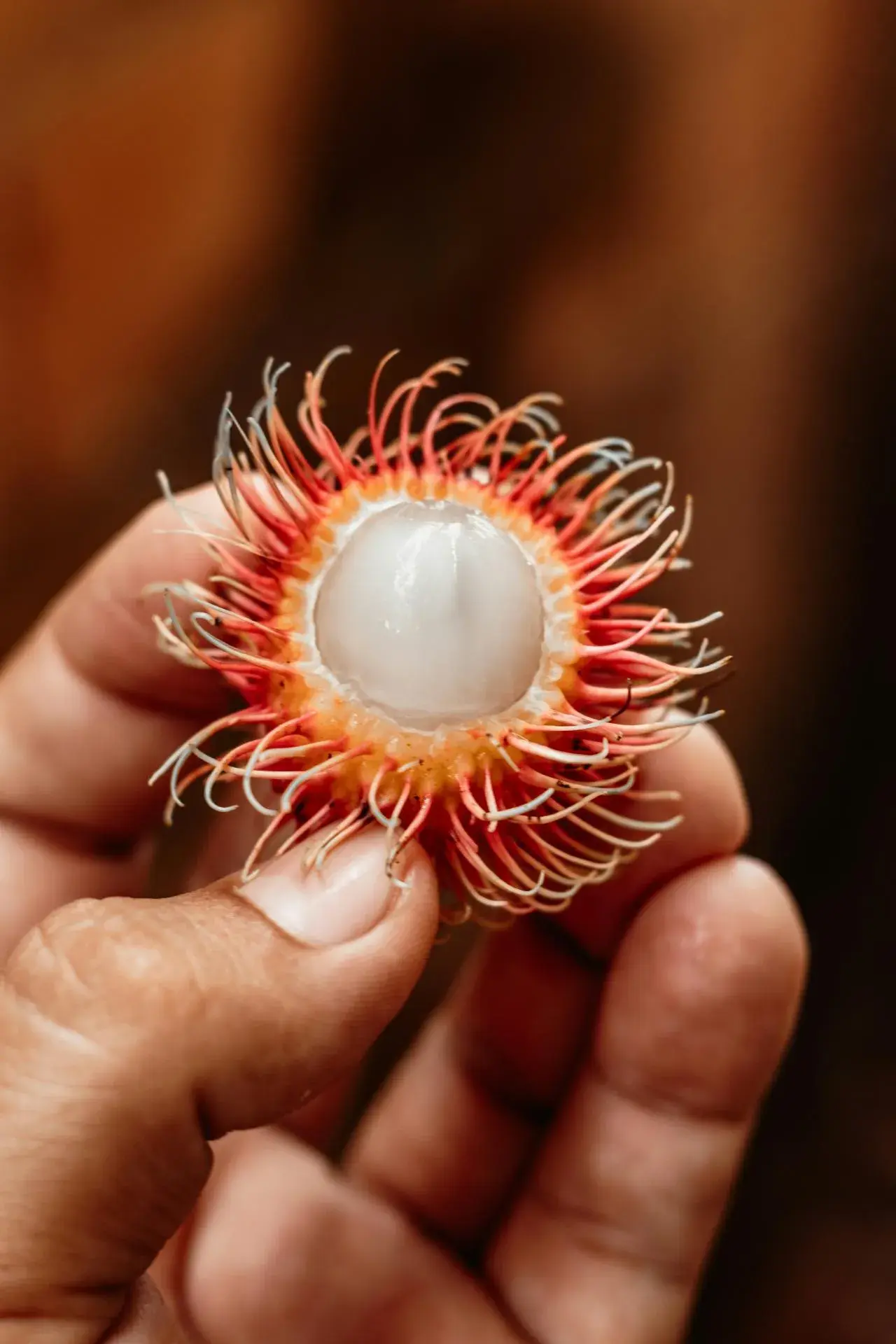
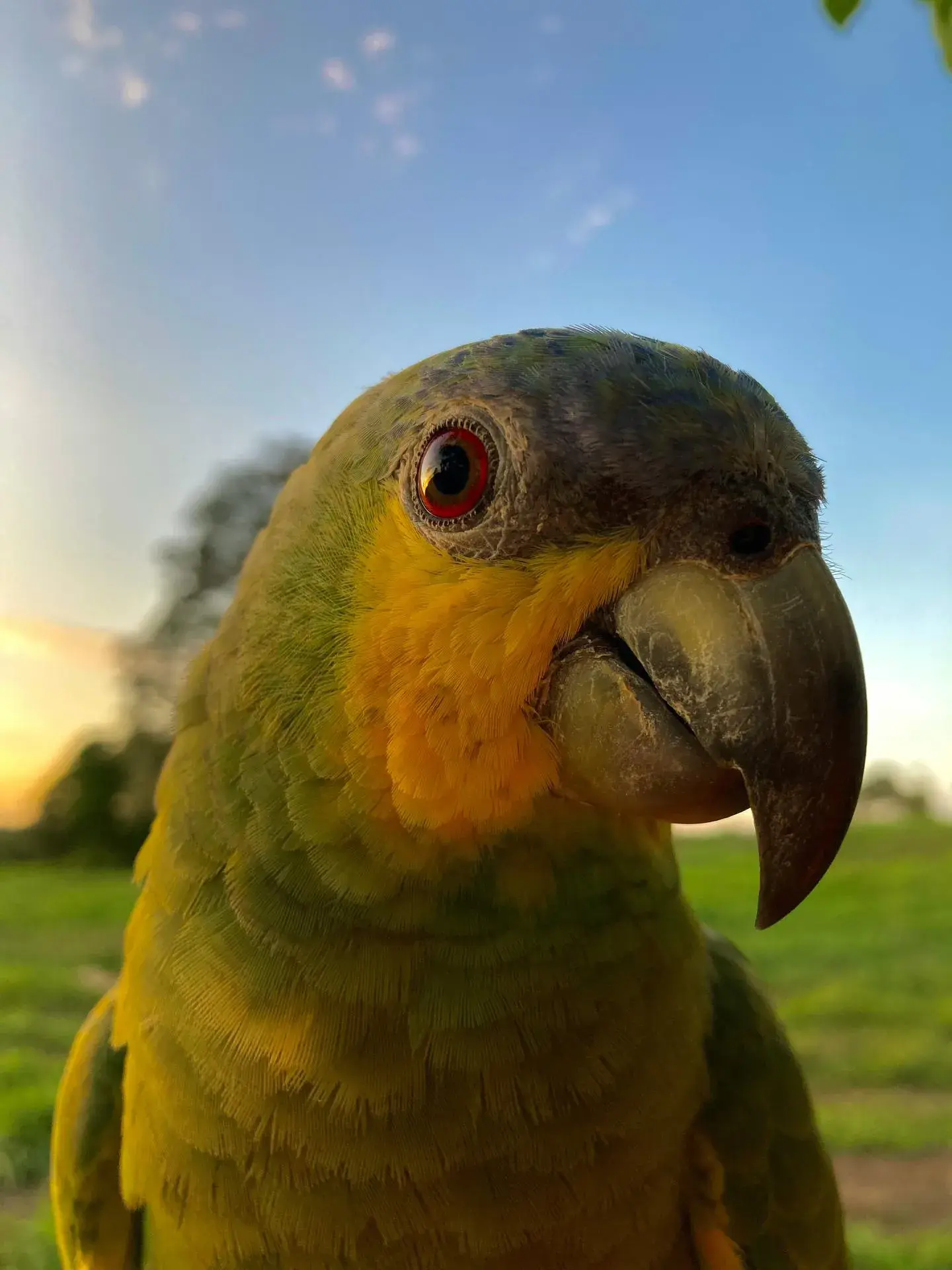
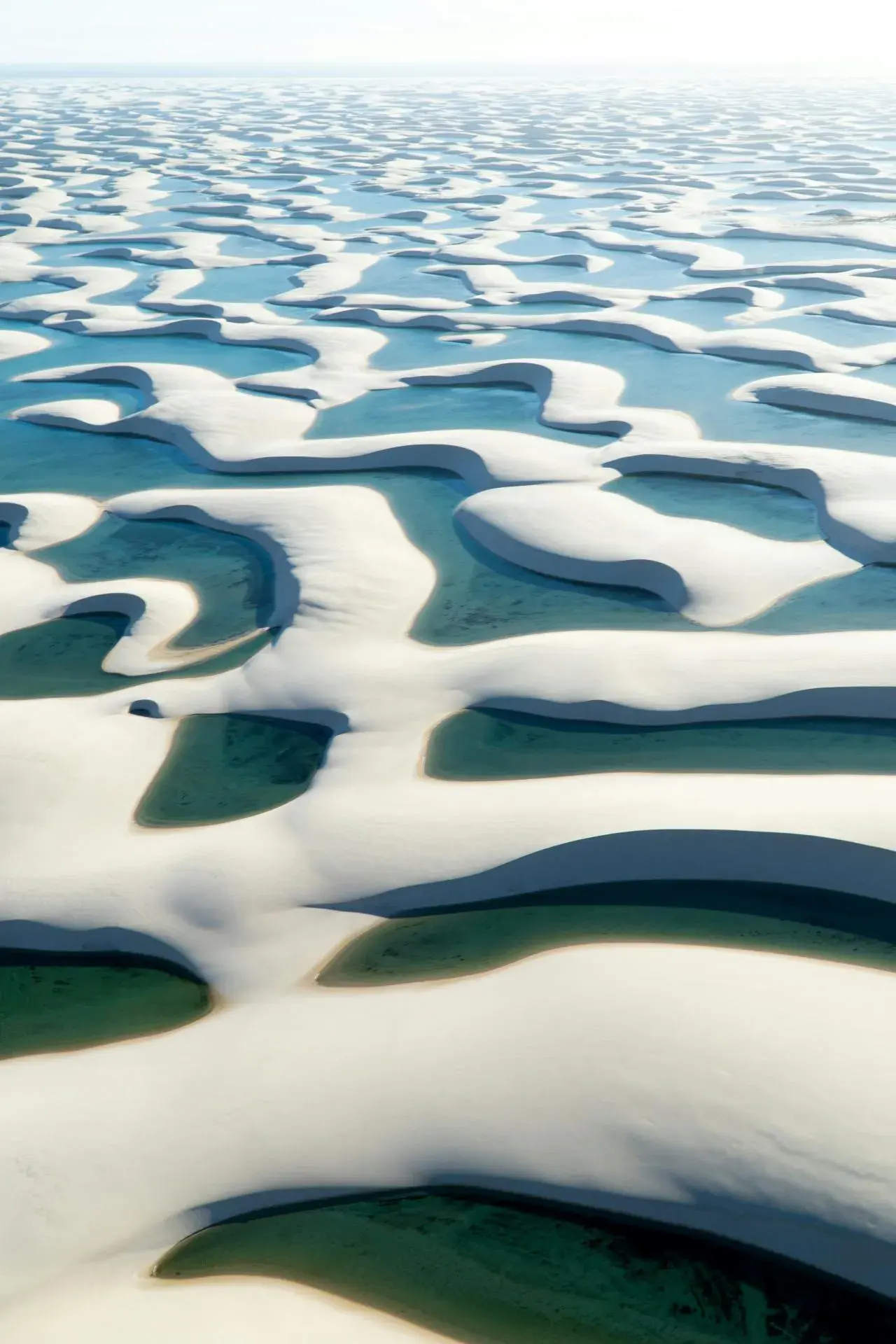
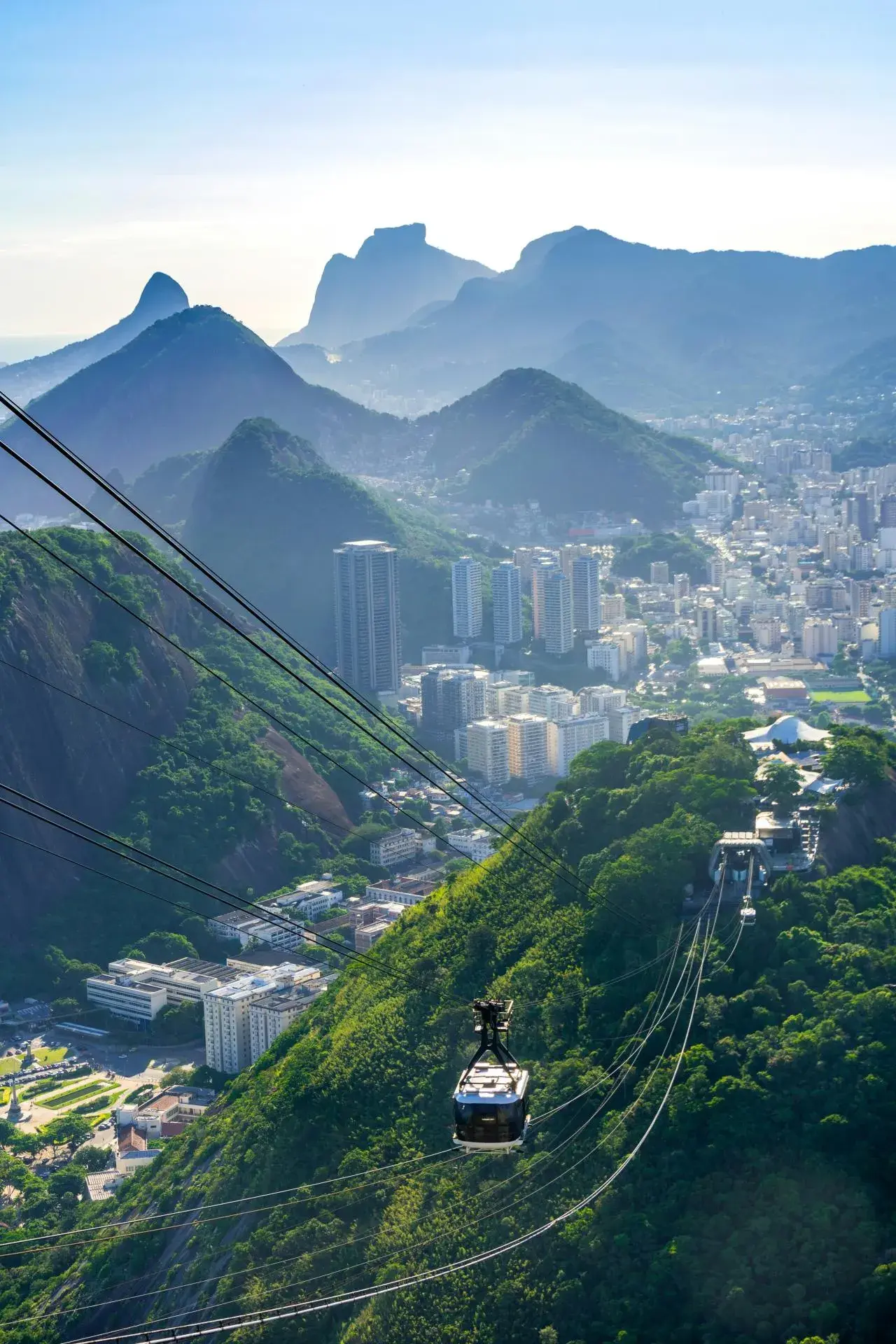
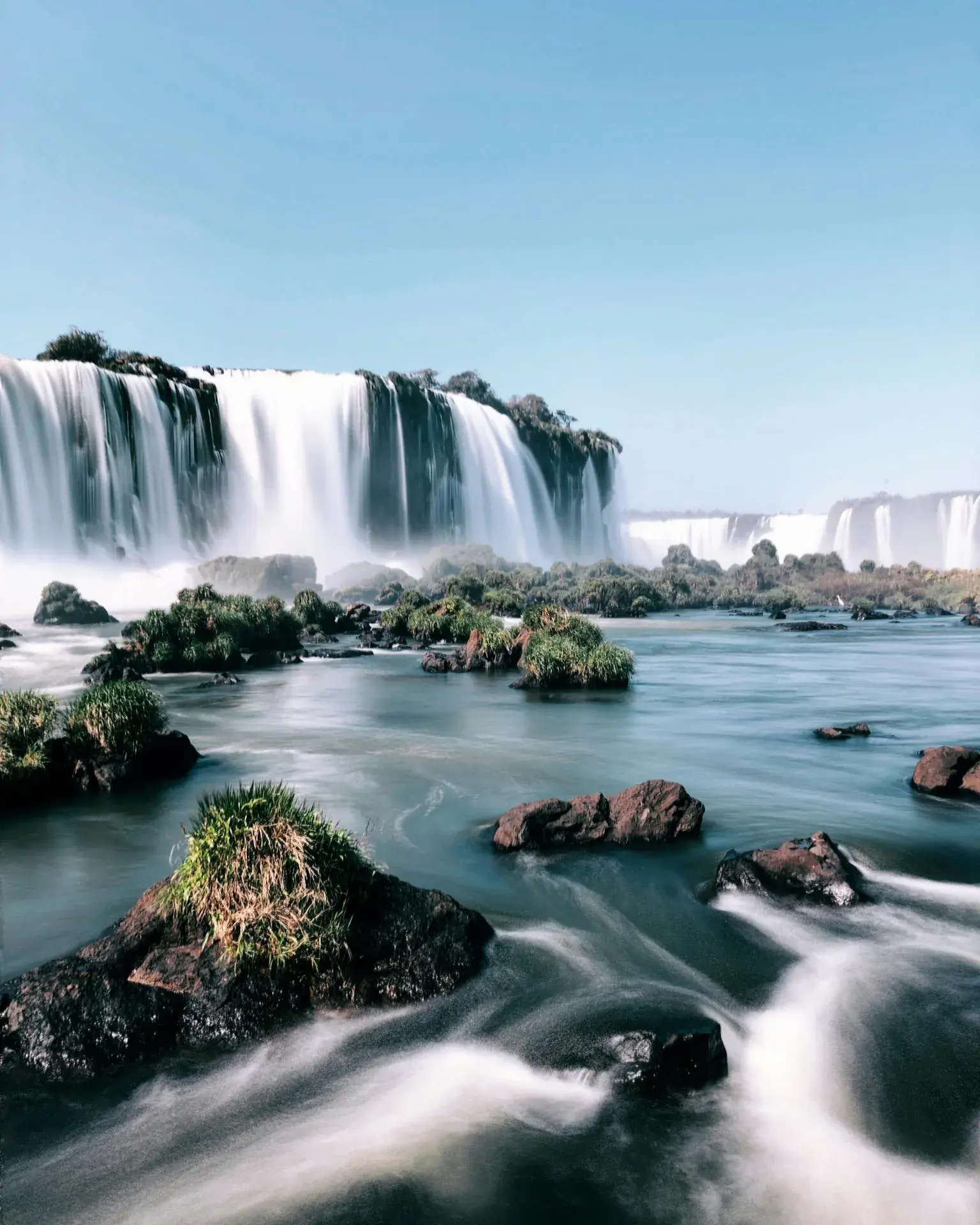
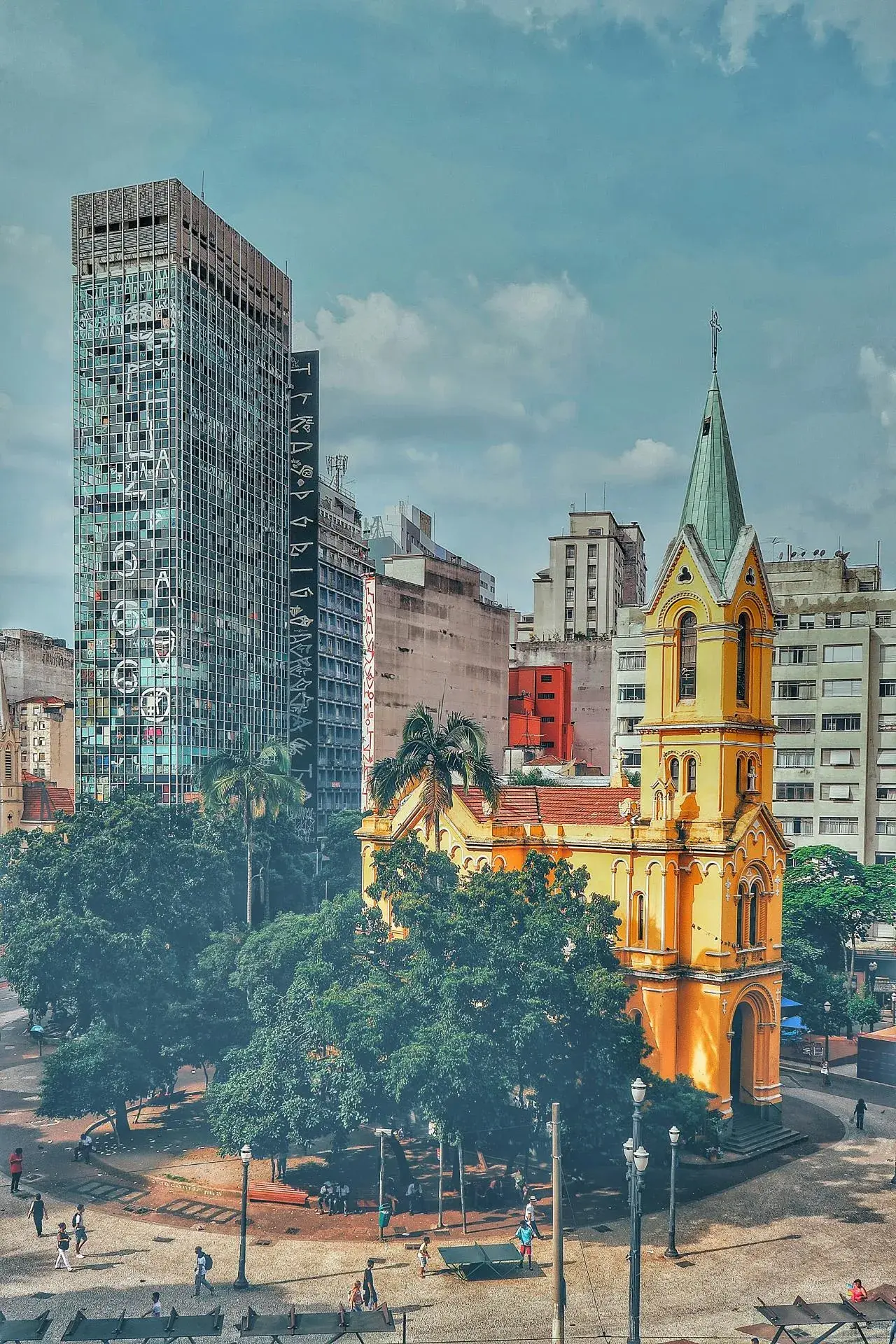
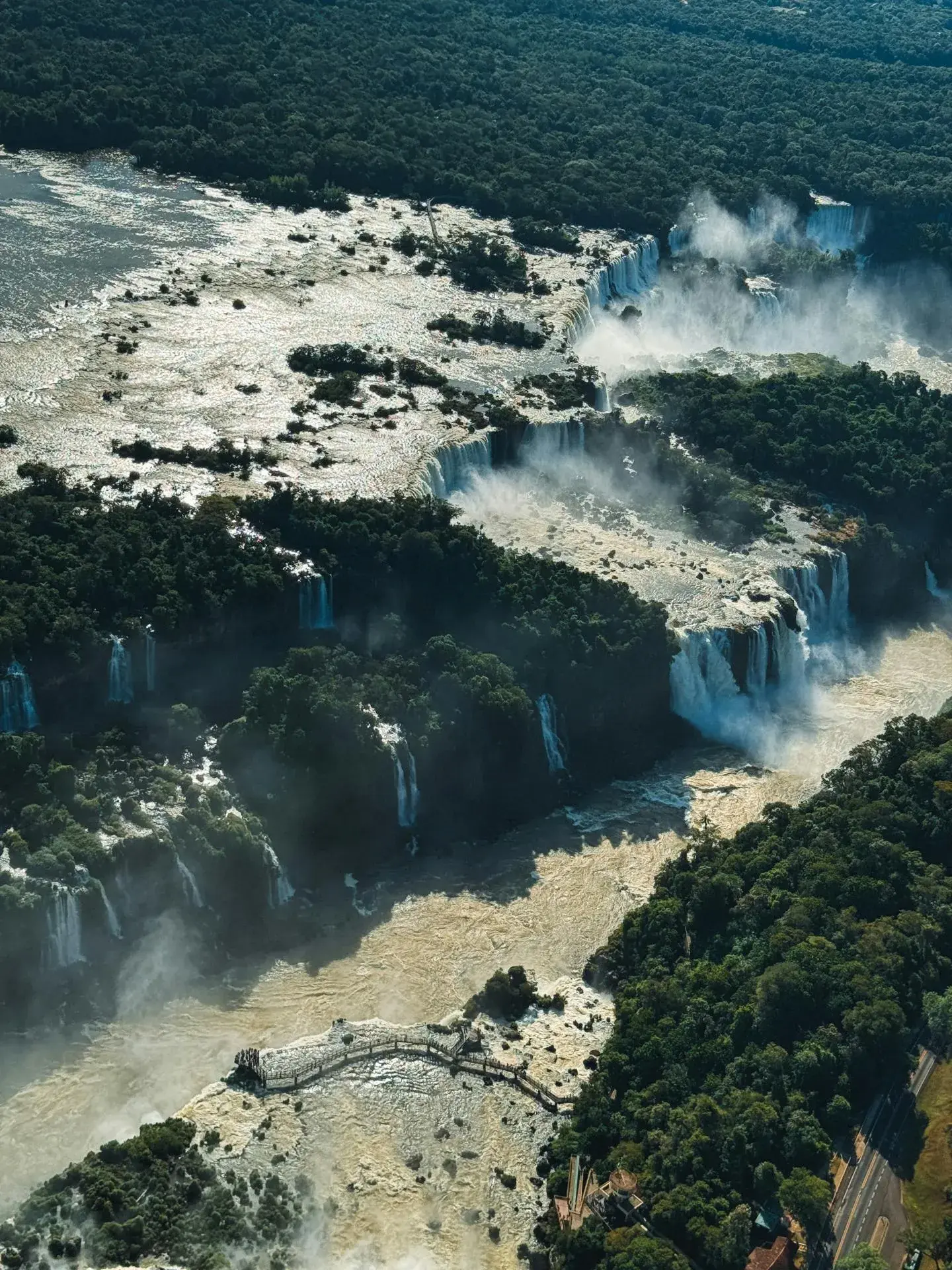
Expansive yet dynamic, Brazil's Amazon rainforest boasts colorful creatures of all kinds, golden beaches stretch endlessly along the coast, and cities pulse with music, dance, and a blend of cultures shaped over centuries.
Overview
Brazil was shaped by indigenous cultures long before Portuguese explorers arrived in the 16th century, beginning a colonial period that introduced new languages, traditions, and economic systems. Over time, influences from Africa and Europe blended with native heritage, creating a rich and diverse cultural identity. Brazil gained independence in 1822 and evolved into a modern nation known for its energy and diversity. Today, it offers a striking combination of landscapes, from the Amazon rainforest and vast wetlands to Atlantic coastlines and vibrant cities, where culture, music, and tradition reflect the country’s dynamic spirit.
Brazil covers about 8,515,767 sq km (3,287,956 sq mi), making it one of the largest countries in the world. It is slightly smaller than the United States and roughly the same size as all of Europe excluding Russia.
Argentina, Bolivia, Colombia, Guyana, Paraguay, Peru, Suriname, Uruguay, Venezuela, and French Guiana
Portuguese (official), Spanish, English, Indigenous languages such as Guarani, Ticuna and Yanomami
Suggested Journeys
Featured Properties
When to Travel
When planning a visit to Brazil, keep in mind the country’s vast size. It stretches both north and south of the Equator, creating multiple climates rather than a single summer or winter season. Thanks to this diversity, there is always a region with pleasant weather at any time of year.
Northern Brazil and the Amazon Basin (Manaus)
Best time to visit is June–November, when rainfall is lower and conditions are more comfortable for forest excursions. Temperatures remain steady year-round at 28–31 C (82–88 F) with high humidity. December–May is wetter, with higher river levels ideal for boat travel. Crowds are generally low throughout the year.
Central and West Brazil (Pantanal)
Best time is June–October, the dry season, when wildlife viewing is at its best. Temperatures average 25–30 C (77–86 F). November–March is hotter and wetter, with some areas inaccessible. Visitor numbers are low to moderate, even in peak season.
Southeast Brazil
- Rio de Janiero, Paraty and Ouro Preto: Best time is May–September, offering cooler, drier conditions around 20–26 C (68–79 F). Summer months are warmer, very humid, and rainy. Crowds increase during festivals and holiday periods.
- Búzios: Best time is April–June and September–November. Expect pleasant temperatures of 22–28 C (72–82 F) and fewer visitors. December–February is peak season, with hot weather, high prices, and large crowds.
Northeast Brazil
- Salvador: Best time is September–February, with warm temperatures of 26–30 C (79–86 F). March–August is rainier. Carnival season brings very large crowds and significantly higher prices.
- Trancoso: Best time is September–March, with sunny beach weather around 25–30 C (77–86 F). December and January are peak months with heavier crowds. April–August is quieter but wetter.
Iguazu Falls
Best time is March–May and August–October, when temperatures range from 20–28 C (68–82 F) and humidity is lower. Summer brings dramatic water flow but intense heat, rain, and crowds.
Fernando de Noronha
Best time is August–February, with drier weather and temperatures of 26–29 C (79–84 F). July–September is ideal for diving. Visitor numbers are capped year-round, though December–January feels busier.
Carnival
Carnival is Brazil’s most famous celebration, marked by colorful parades, street parties, music, and dance that take over cities across the country. Held in the days leading up to Lent, it is a time of high energy, major crowds, and a festive atmosphere that showcases Brazil’s creativity and cultural spirit.
If you wish to experience Carnival, one of the worlds most famous and largest celebrations, note the following dates:
2026 Carnival: 13 February – 18 February
2027 Carnival: 5 February – 10 February
2028 Carnival: 25 February – 1 March
2029 Carnival: 9 February – 14 February
2030 Carnival: 28 February – 5 March
*Please note that many hotels impose mandatory entry dates and minimum stays during Carnival and New Year’s.
Travel highlights
Brazil offers a remarkable range of landscapes and cultural experiences across an immense territory. In the north, vast rainforest and powerful rivers define one of the world’s most important natural ecosystems. Along the coast, long stretches of beach meet historic towns and lively cities shaped by centuries of trade and migration. Inland, savannas and wetlands support rich wildlife, while dramatic waterfalls cut through subtropical forest near the country’s borders. Further south, rolling hills, forests, and cooler climates create a more temperate setting with strong European influence. Across all regions, music, food, and daily life reflect a deep blend of Indigenous, African, and European heritage, giving Brazil its distinctive character.
Things to consider
-
Brazil’s climate varies by region, but light, breathable clothing works well year-round. In cities, casual yet neat dress is preferred, with locals generally dressing smartly rather than athletically. Coastal and tropical areas call for light fabrics, sun protection, and comfortable sandals, while evenings may require a light layer. In the south, cooler temperatures make layers and a jacket useful.
-
Routine vaccinations should be up to date, including tetanus, measles, and influenza. Hepatitis A is commonly recommended, and Hepatitis B may be advised for longer stays. Yellow Fever vaccination is recommended for travel to certain regions, especially the Amazon and Pantanal. A travel health consultation 6–8 weeks before departure is advised.
-
The official currency is the Brazilian Real. ATMs are widely available in cities and tourist areas, though withdrawal limits apply. Credit cards are accepted at hotels, restaurants, and larger shops, but smaller businesses may prefer cash. Carrying a mix of cards and local currency is practical.
-
Brazil is generally safe for tourists who take common-sense precautions. Keep valuables discreet, avoid poorly lit areas at night, and use registered taxis or hotel-arranged transfers. Crowded areas can attract pickpocketing, so bags worn close to the body are recommended.
-
Tap water is not recommended for drinking. Use bottled or filtered water for drinking and brushing teeth, and avoid ice unless made from purified water. Food standards are generally good in reputable restaurants. Eat well-cooked food, peel fruits yourself, and be cautious with raw vegetables and unpasteurized dairy.
Entry requirements:
United States and Canadian passport holders can enter Brazil for tourism without a visa for stays of up to 90 days. Passports must be valid for at least six months beyond the date of entry, and travelers may be asked to show proof of onward or return travel. An extension of stay is possible in some cases while in the country. Entry rules can change, so it is recommended to reconfirm requirements close to departure. Visa requirements for other countries depend on nationality and can change, so travelers should check current rules before departure.