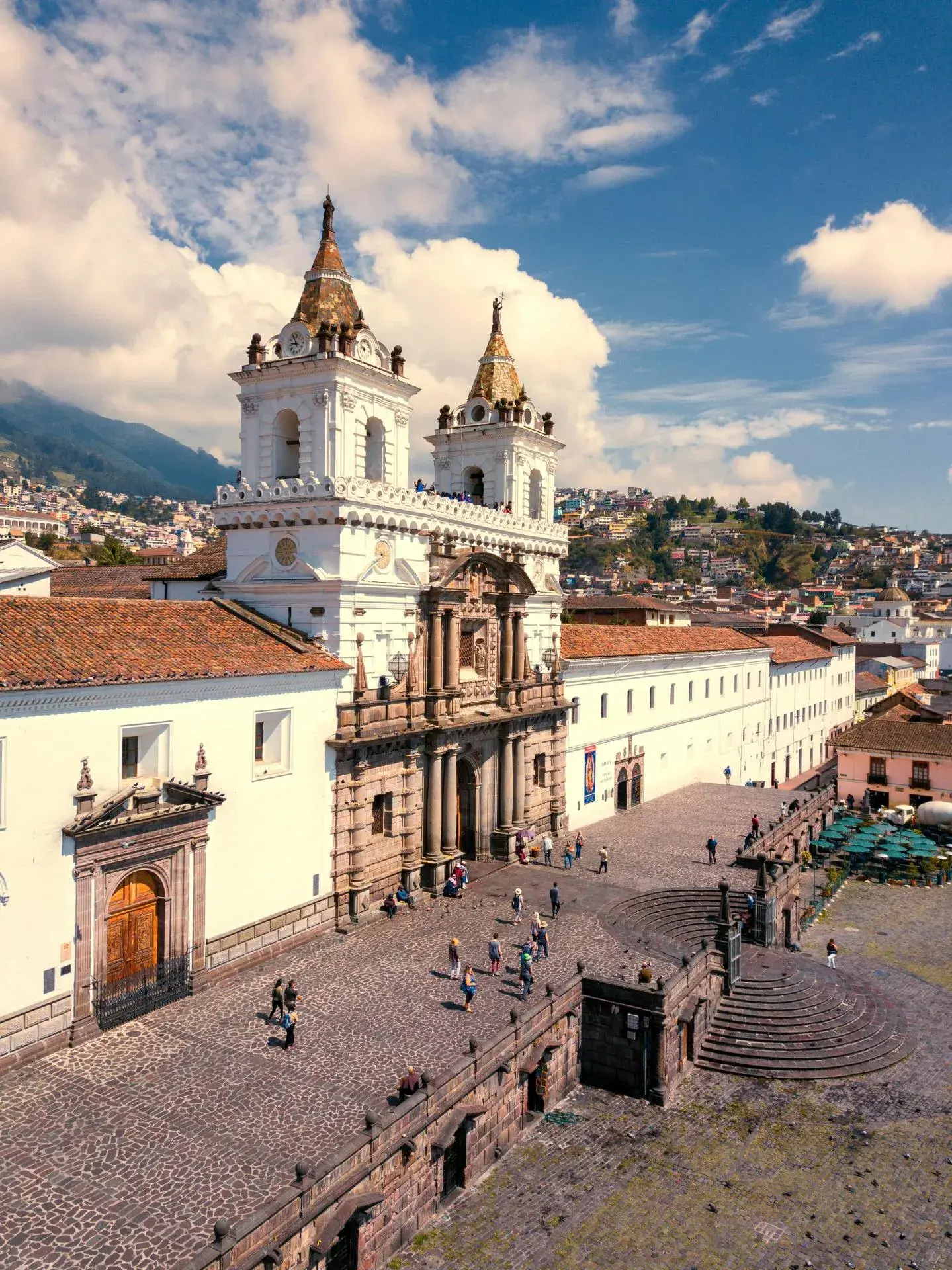
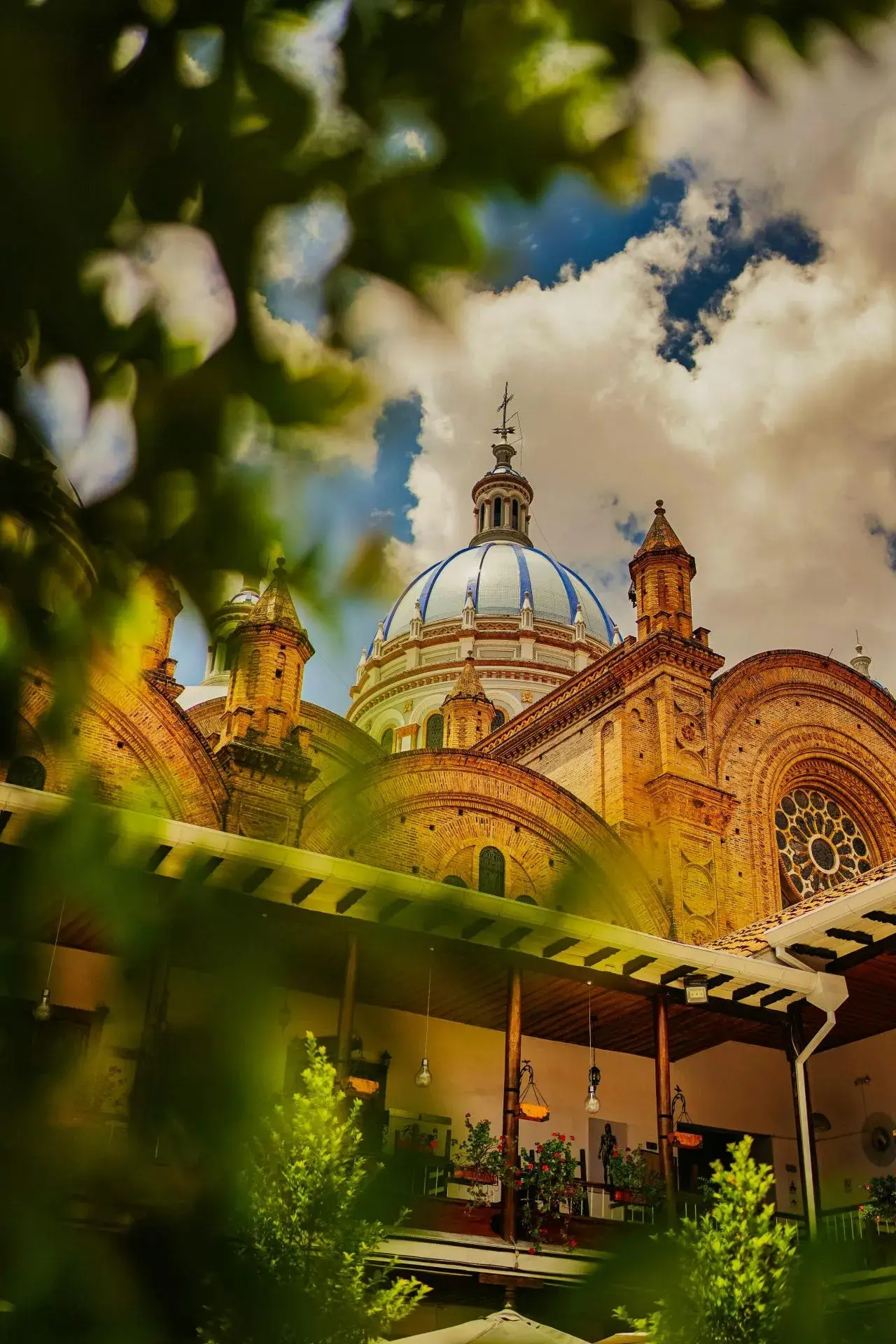
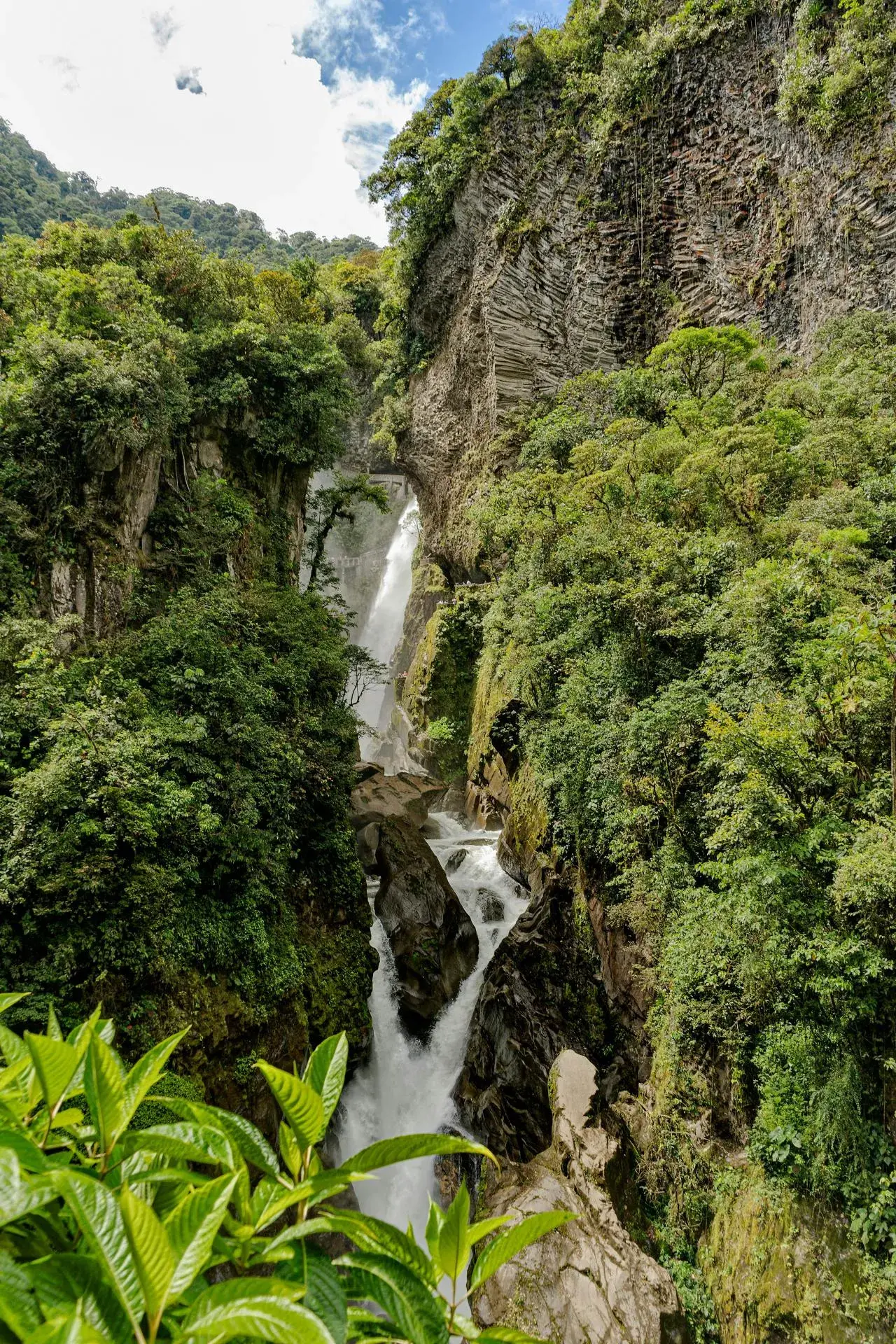
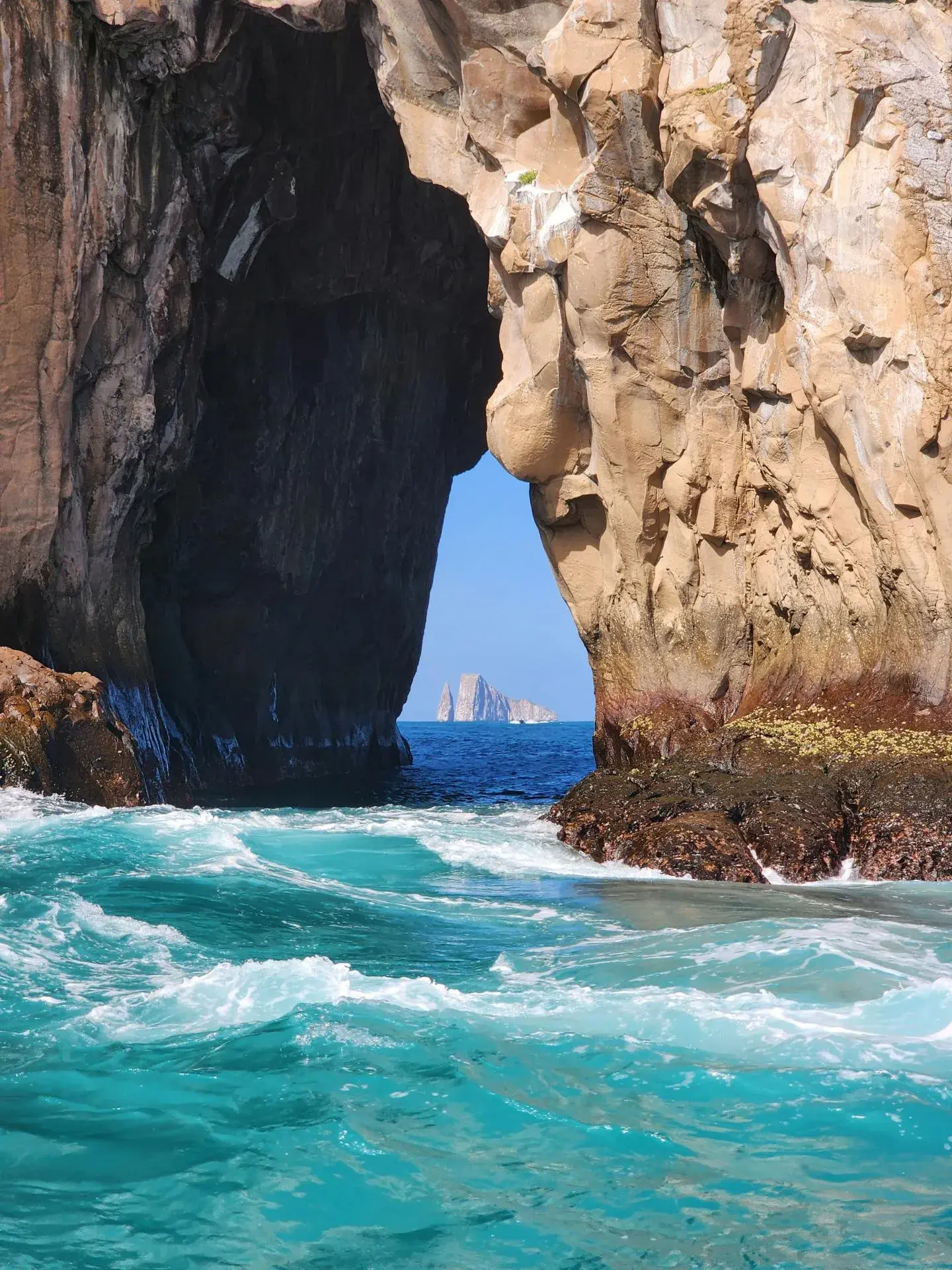
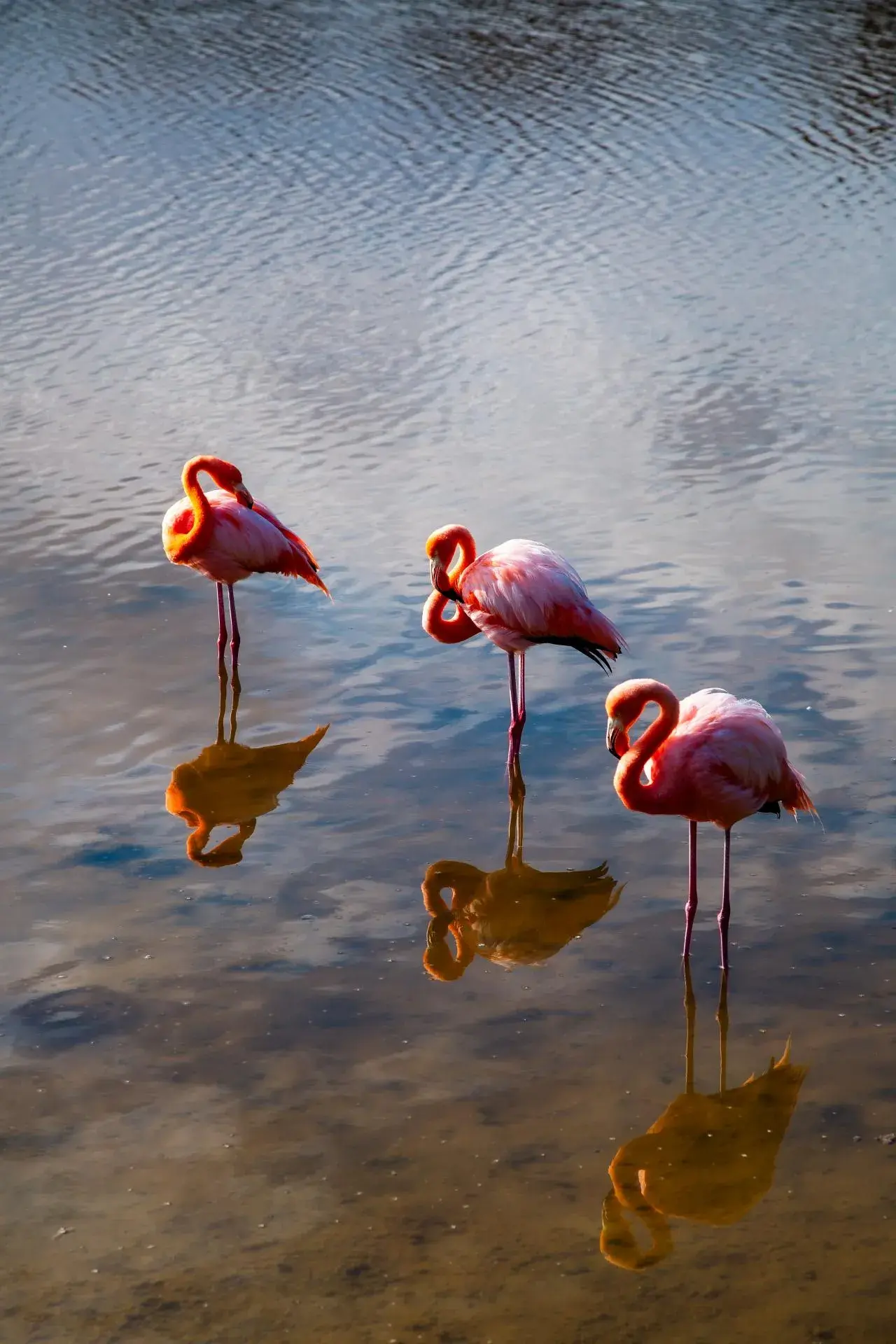
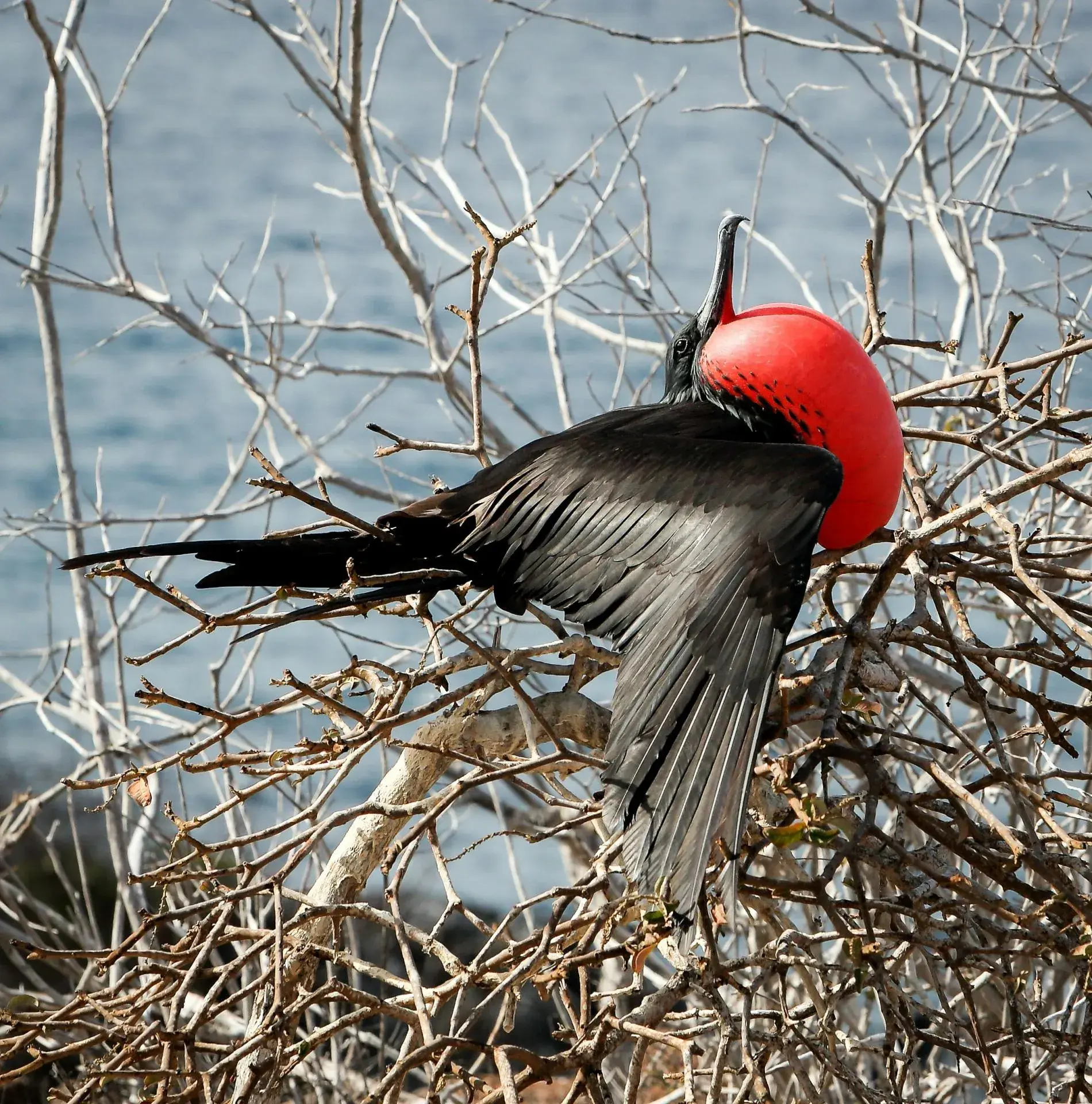
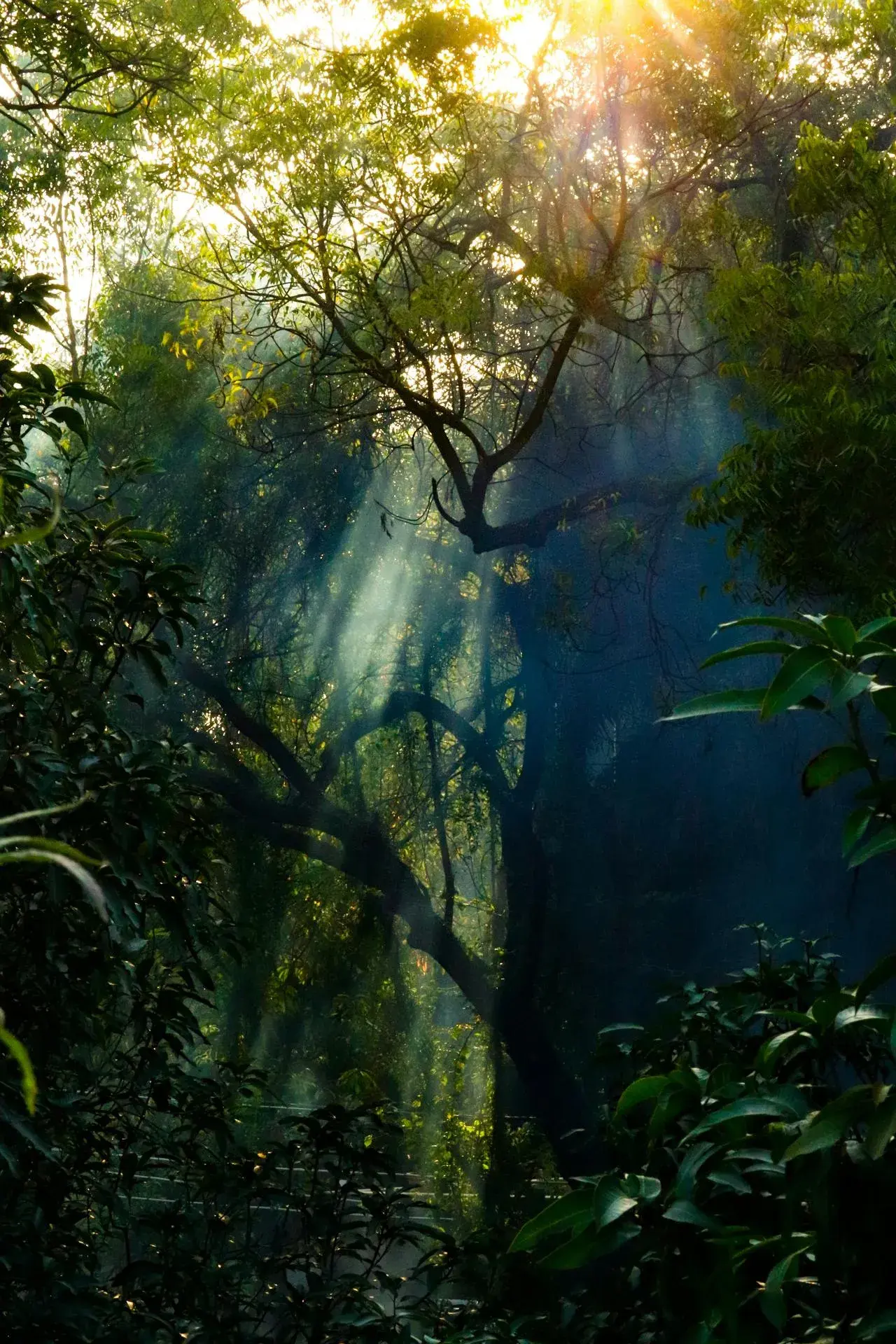
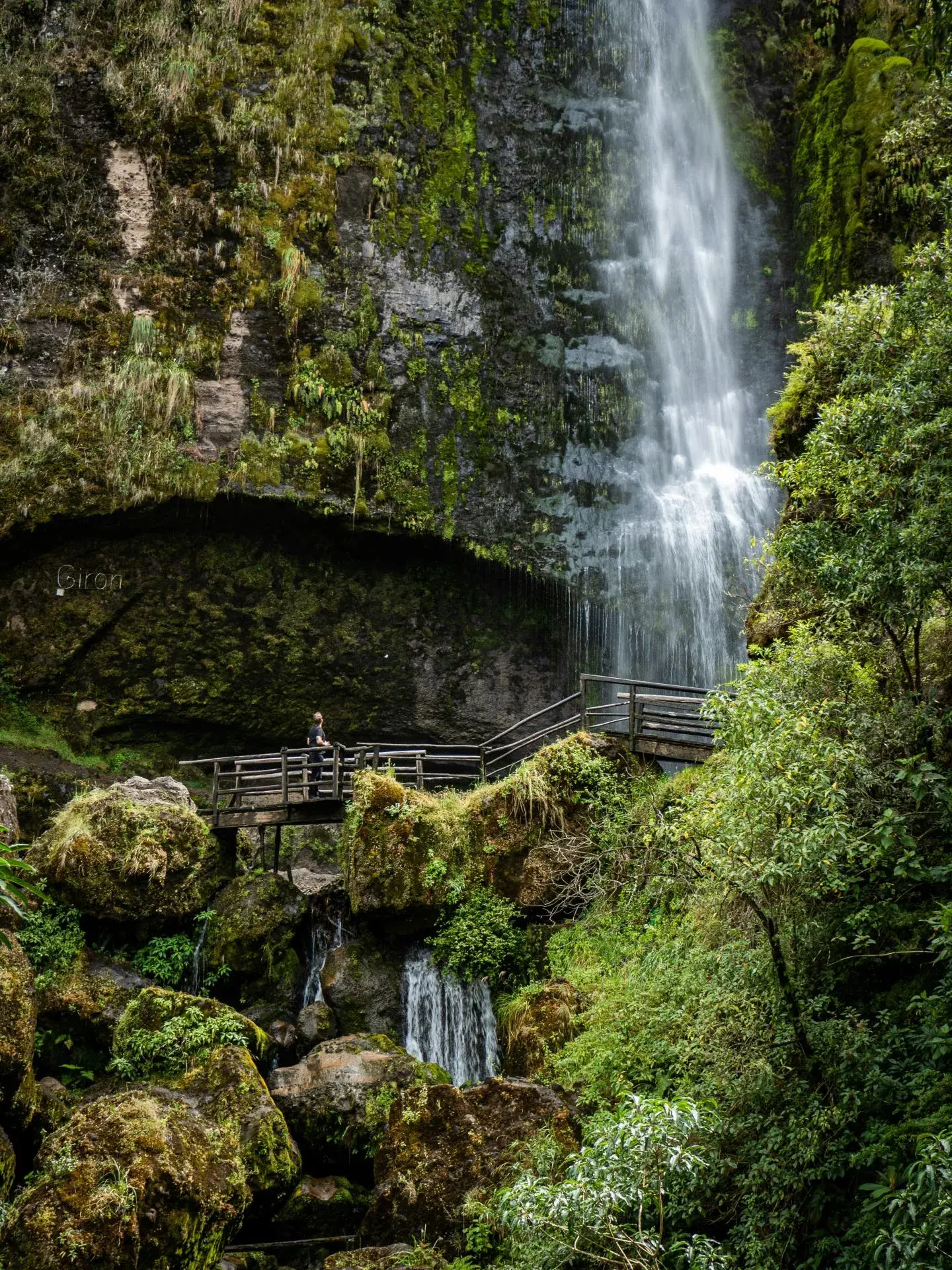
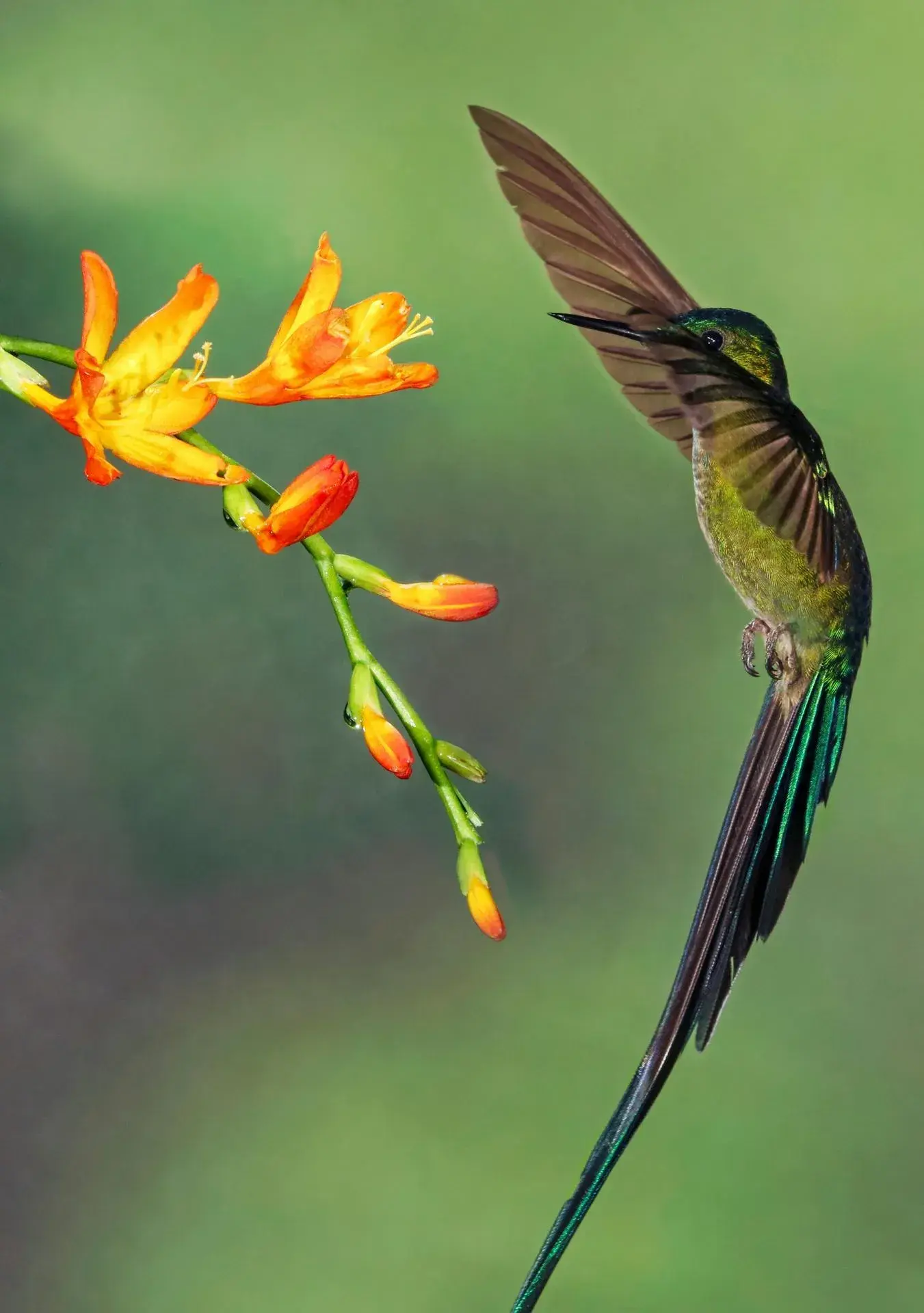
Ecuador stretches from highland ridges and dense Amazon forest to a rugged Pacific coast, while the volcanic islands of the Galápagos lie far offshore, flourishing with rare species unlike any other.
Overview
Ecuador was shaped by ancient civilizations long before becoming part of the Inca Empire in the 15th century, followed by Spanish colonization that left a lasting imprint on its culture, language, and architecture. After gaining independence in the early 19th century, the country developed a distinct identity influenced by indigenous, Spanish, and regional traditions. Despite its relatively small size, Ecuador offers remarkable geographic diversity, from the Andean highlands and Amazon rainforest to Pacific coastlines.
Off the mainland, the Galápagos Islands present a completely different world. Formed by volcanic activity in the Pacific Ocean, the islands became globally significant following Charles Darwin’s visit in the 19th century, which helped shape his theory of evolution. Today, Ecuador and the Galápagos together offer an exceptional combination of culture and nature, from colonial cities and mountain landscapes to one of the most unique ecosystems on earth, where wildlife and environment exist in rare balance.
276,841 sq km (106,889 sq mi), Ecuador is slightly smaller than Italy or the State of Nevada.
Colombia & Peru.
Spanish (official), Amerindian languages (especially Quechua).
Suggested Journeys
Featured Properties
When to Travel
Ecuador has four distinct regions: the Andes highlands, the Pacific coast, the Amazon rainforest, and the Galapagos Islands. Located on the equator, temperatures vary little throughout the year. Seasonal differences are mainly reflected in rainfall rather than temperature, making Ecuador a year-round destination.
The Andes (Quito)
The Andes range from 2,400 m (8,000 ft) to 6,310 m (20,703 ft). Days are generally pleasant and sunny, while evenings are cool, especially at higher elevations. Quito, at 3,000 m (9,600 ft), enjoys spring-like weather year-round, averaging 7°C (55°F) at night and 26°C (78°F) midday. June to September is drier; January to May is wetter. Strong sun at altitude requires sunscreen and a hat; evenings call for warm layers.
Pacific Coast (Guayaquil)
The coast is hot and humid, averaging 24–32°C (76–90°F). June to December is drier and often overcast. December to April brings sunshine and occasional afternoon showers, ideal for beach visits.
Amazon
Warm and humid year-round, averaging 27°C (80°F), with frequent rain, especially April through September.
Galapagos Islands
The islands have a subtropical climate influenced by the Humboldt and El Niño currents. December to May is warmer, with air temperatures reaching 31°C (88°F), calmer seas, and better snorkeling conditions. June to November is cooler and drier, with air around 24°C (75°F) and ocean temperatures near 20°C (68°F). Wildlife activity varies throughout the year, offering unique natural events each month.
Natural events by month:
JANUARY
- Land birds start nesting, usually after the first rain
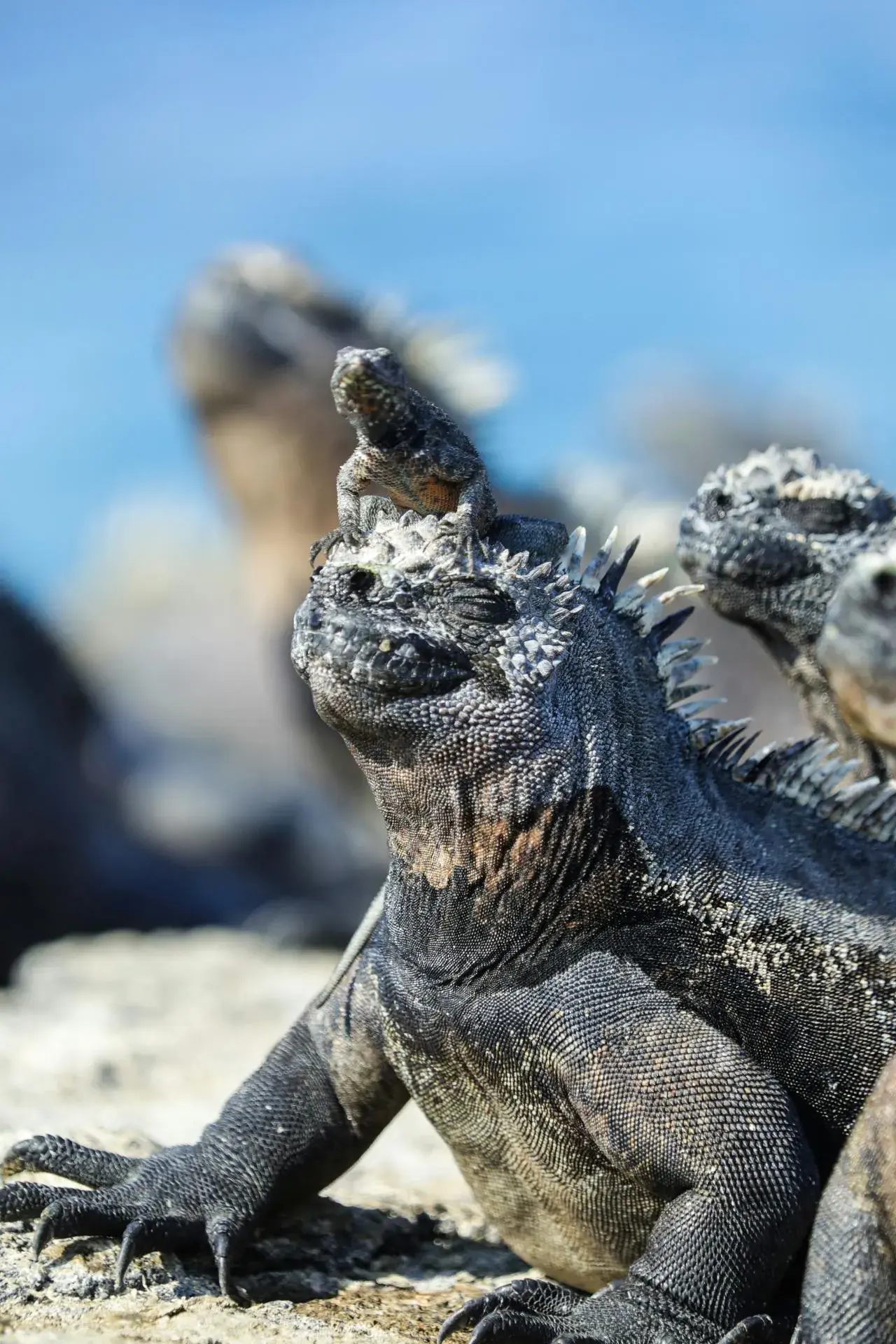
- On Española Island, adult male marine iguanas become brightly colored
- Green sea turtles land on beaches to lay eggs
- Land iguanas on Isabela Island begin their reproductive cycle
FEBRUARY
- White-cheeked pintails begin their breeding season
- Nazca boobies on Española Island are at the end of their nesting season
- Marine iguanas nest on Santa Cruz Island
- Peak of the Galapagos dove nesting season
MARCH
- Marine iguanas nest on Fernandina Island
- Waved albatrosses begin to arrive on Española Island
APRIL
- Mass arrival of waved albatrosses on Española Island, and the beginning of their courtship
- Hatching season of giant tortoises ends
- Sea turtle eggs begin to hatch
- Land iguanas hatch on Isabela Island
MAY
- Galapagos penguins begin to show remarkable activity
- Sea turtles hatching in Gardner Bay & Puerto Egas
- Palo santo trees begin to shed their foliage
- Waved albatrosses on Española Island begin to lay their eggs
- Band-rumped storm petrels begin their first nesting period
- Marine iguana eggs hatch on Santa Cruz Island
JUNE
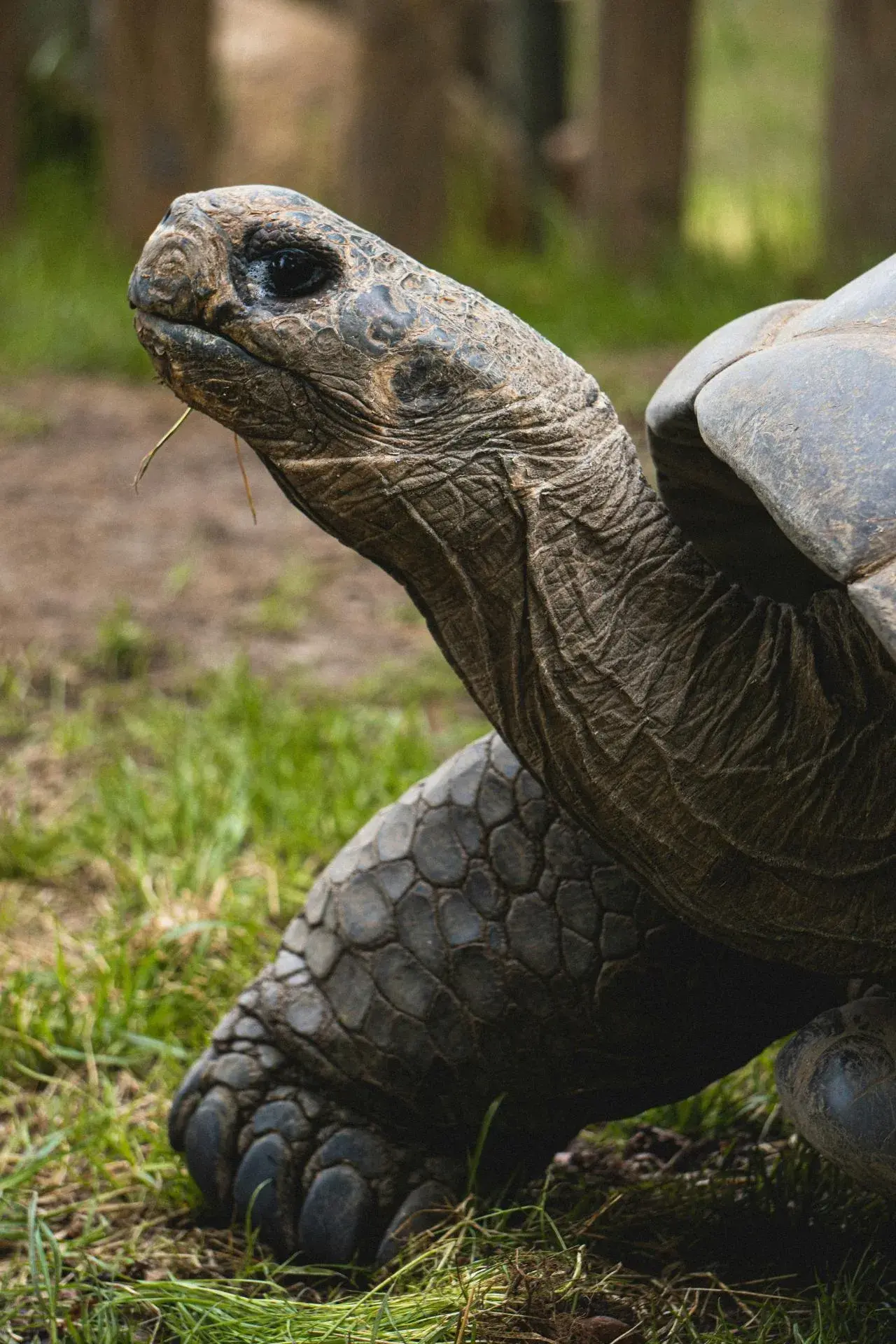
- Giant tortoises on Santa Cruz Island migrate in search of suitable nesting places
- Beginning of giant tortoise nesting season
- Southern migrant birds on their way north can be seen
JULY
- Sea bird communities breeding, especially on Española Island
- Flightless cormorants court and nest on Fernandina Island
- Oystercatchers nest on Santiago Island
- Whales and dolphins more likely to be seen, especially off the coast of Isabela Island
- Lava lizards begin mating ritual
AUGUST
- Galapagos hawks court on Española and Santiago Islands
- Migrant shore birds start to arrive
- Giant tortoises return to the highlands of Santa Cruz Island
SEPTEMBER
- Galapagos penguins begin to show remarkable activity on Bartolomé Island
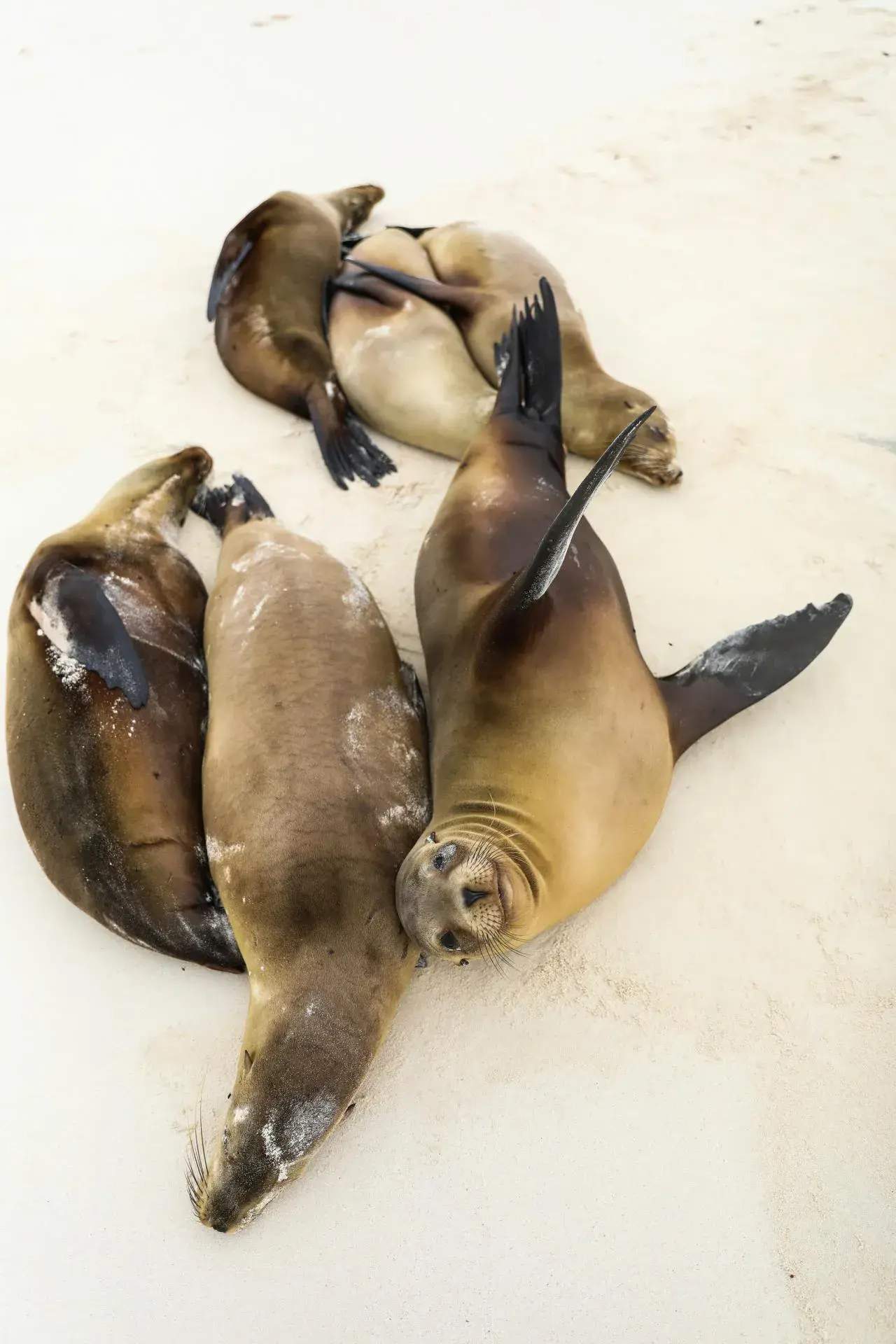
- Sea lions are very active, especially among the western and central islands
- Most sea birds remain quite active at their nesting sites
OCTOBER
- Lava herons begin nesting
- Galapagos fur seals begin their mating season
- Boobies raise their chicks on Española Island
- Giant tortoises continue to their lay eggs
NOVEMBER
- Sea lions are sexually active in the east of the islands
- Brown noddy breeding season begins
- Band-rumped storm petrels begin their second nesting period
- Sea lion pups are born
DECEMBER
- Giant tortoise eggs begin to hatch
- Green sea turtles display mating behavior
- First waved albatross fledglings appear
- Northern migrant birds on their way south can be seen
Travel highlights
Ecuador offers remarkable diversity within a compact geography, from colonial Quito high in the Andes to the vibrant markets of Otavalo, the Amazon rainforest, and the Pacific coast. Just 1,000 km (620 mi) offshore, the Galapagos Islands present a living laboratory of evolution, where giant tortoises, marine iguanas, blue-footed boobies, and sea lions thrive. Together, they create a journey rich in culture, wildlife, and striking natural beauty.
Things to consider
-
In Ecuador, clothing depends on the region. In the Andes, including Quito, temperatures are mild year-round but can feel cool in the evenings, so layered clothing is recommended. In the Amazon and coastal areas, lightweight, breathable fabrics are best, along with rain protection. For the Galapagos Islands, casual summer clothing, swimwear, sun protection, a light rain jacket, and comfortable walking shoes are ideal for island excursions and boat outings.
-
No mandatory vaccinations are required for entry. Yellow fever vaccination may be recommended if visiting the Amazon or arriving from a country where it is present. Routine immunizations should be up to date.
-
Ecuador uses the U.S. Dollar (USD). Credit cards are widely accepted in cities and on cruise vessels, though small bills are useful in local markets and smaller towns. ATMs are available in major cities.
-
Tourist areas are generally safe, but standard precautions should be taken, particularly in larger cities. In the Galápagos, safety standards are high and guided excursions are well regulated.
-
Tap water is not recommended for drinking on the mainland; bottled or filtered water is advised. In the Galápagos, treated water is commonly provided by hotels and vessels. Food standards are generally good, especially in established restaurants and cruise operations.
Entry requirements:
Citizens of the United States and Canada need a passport valid for at least six months to enter Ecuador, and no visa is required for tourist stays of up to 90 days within a 12-month period. For the Galapagos Islands, travelers must obtain a Transit Control Card before departure from mainland Ecuador and pay the National Park entrance fee upon arrival. No mandatory vaccinations are required, though yellow fever may be requested if arriving from an affected country, and travel insurance is strongly recommended.