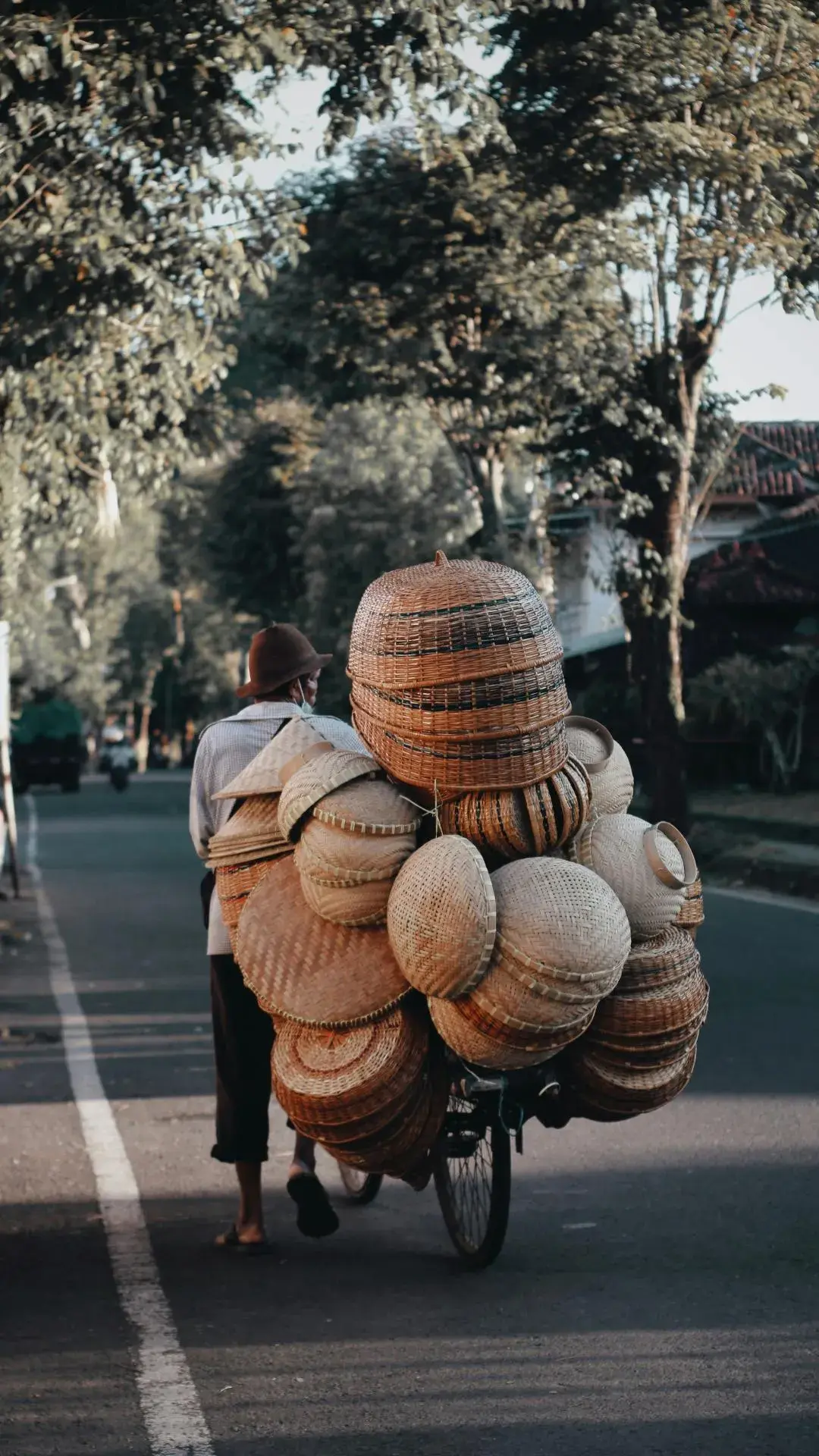
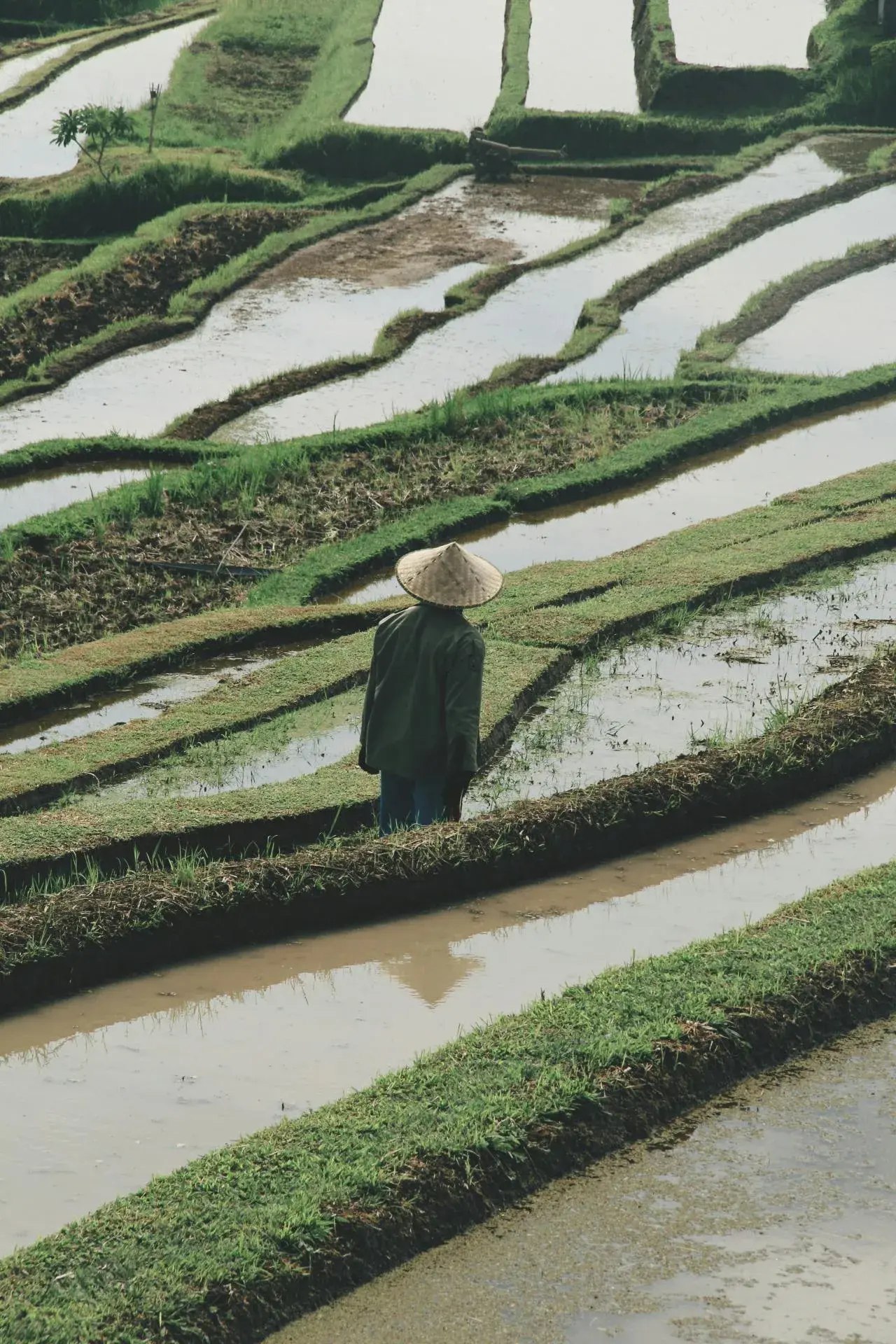
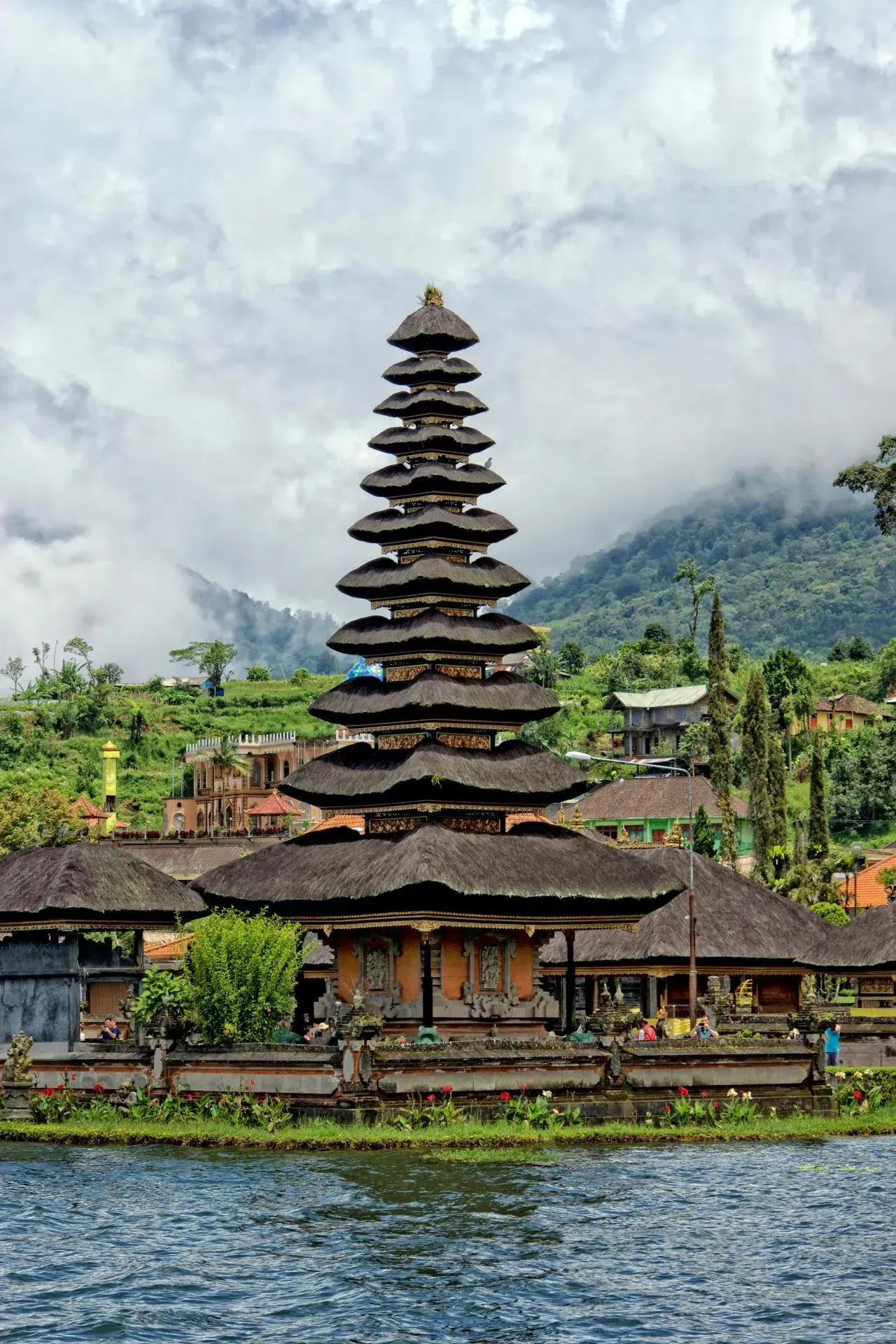
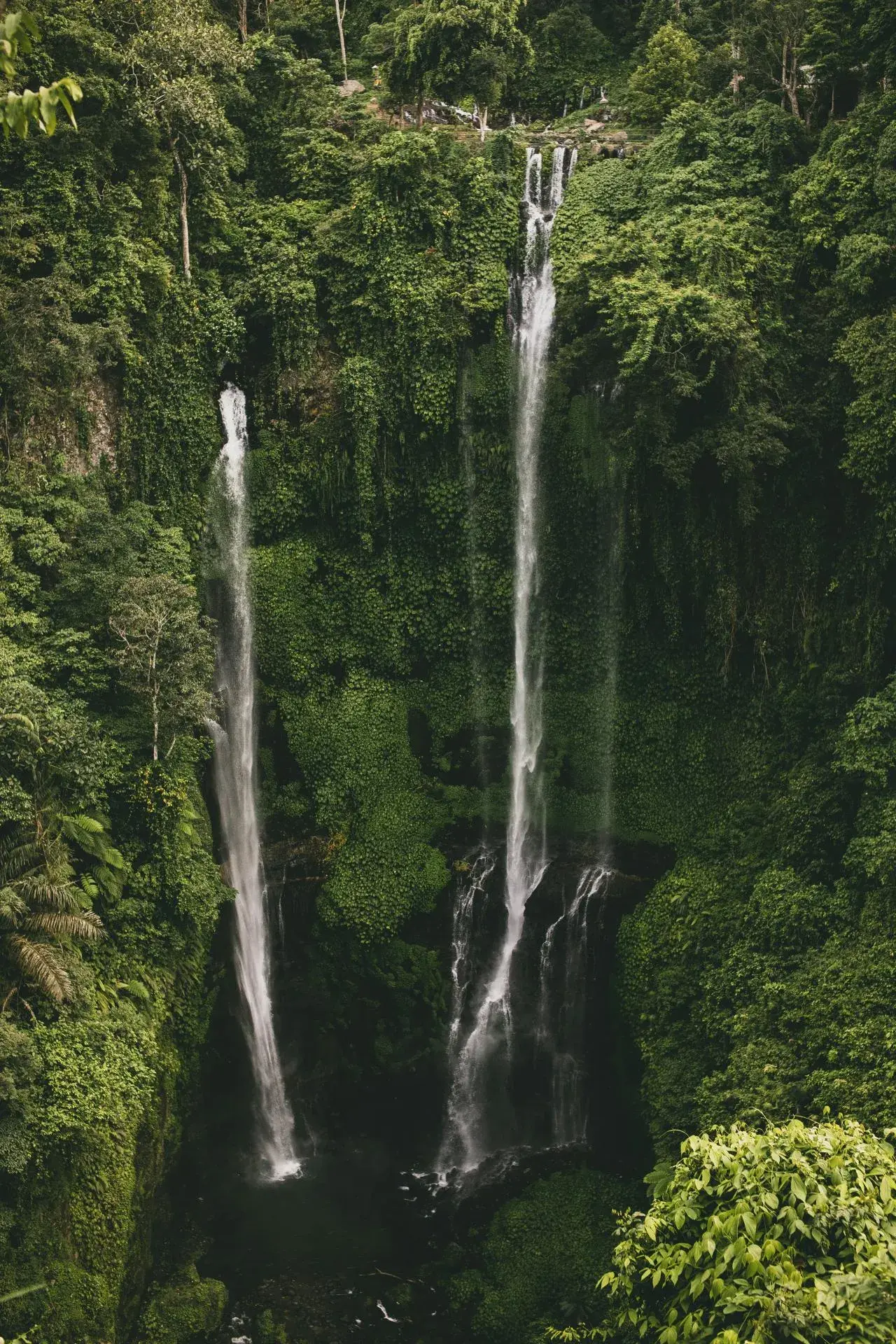
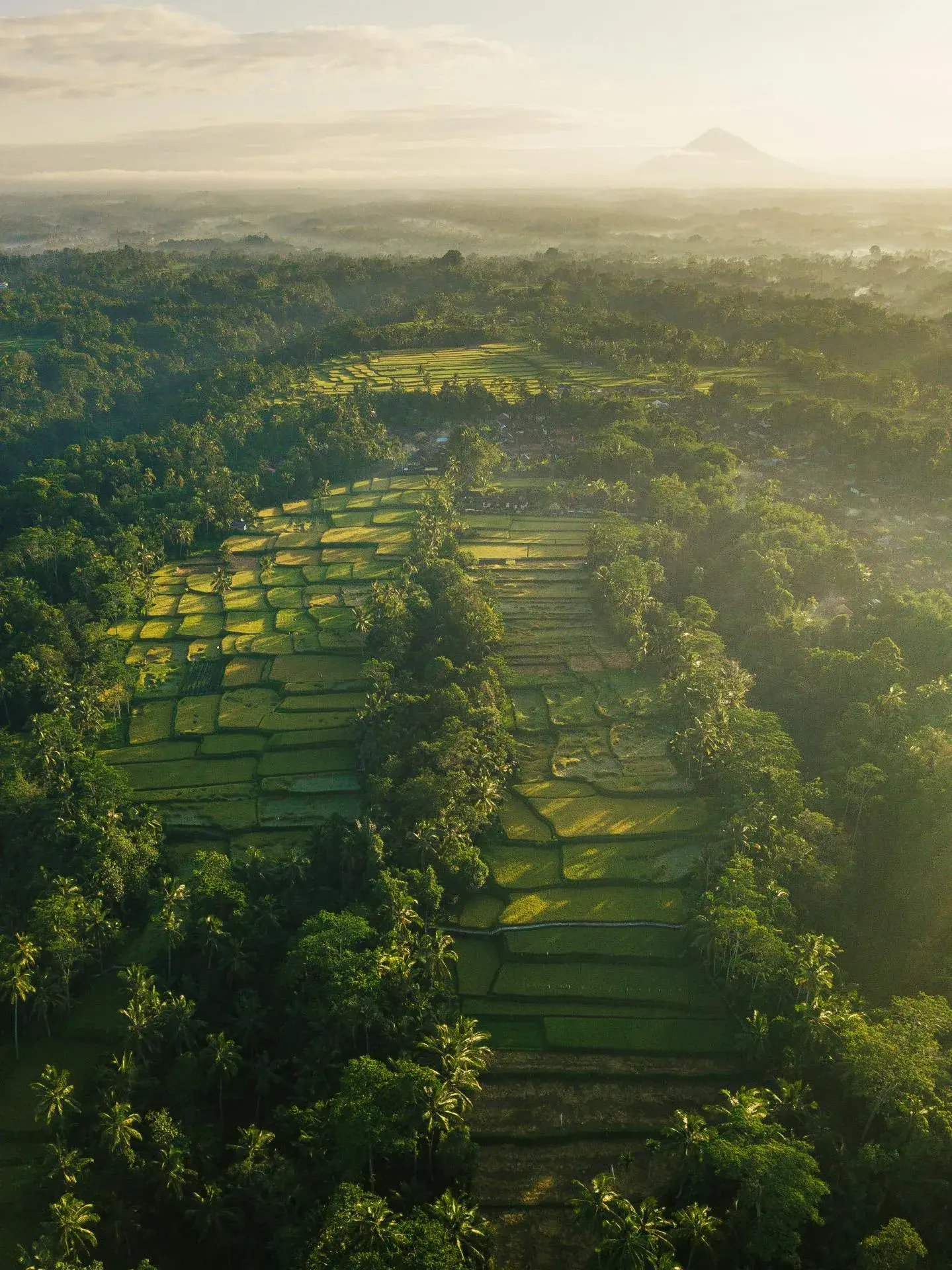
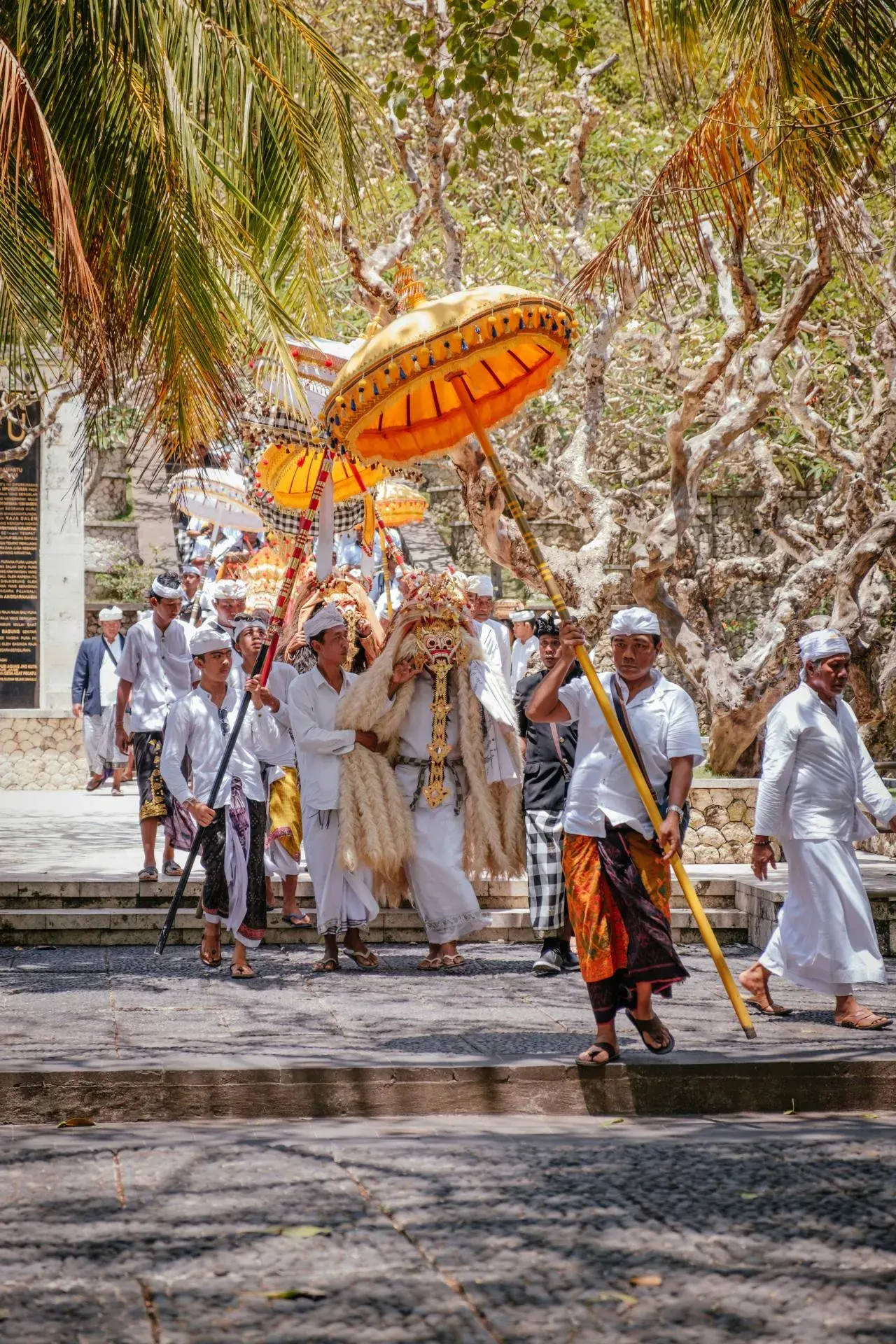
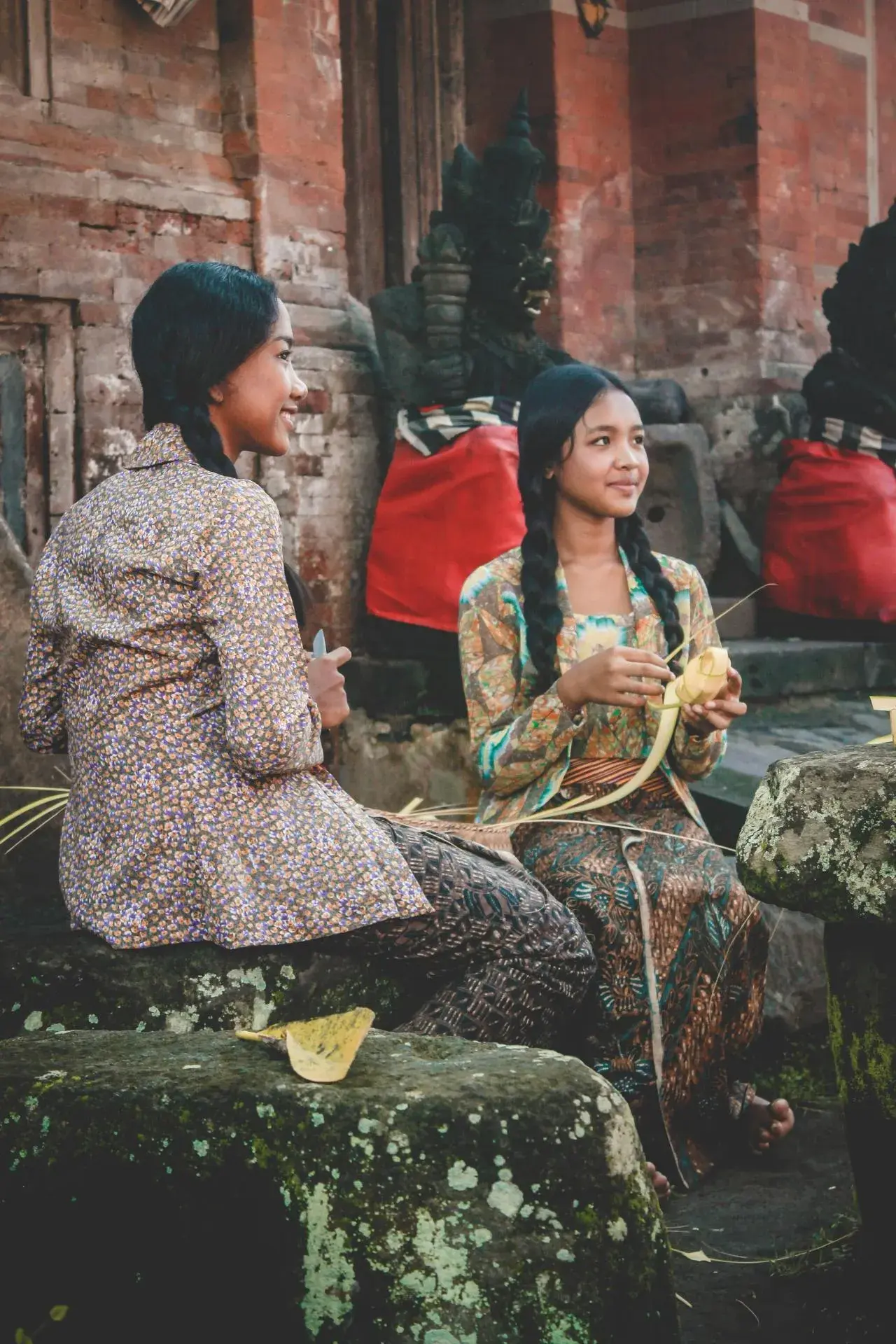
Indonesia stretches across thousands of islands where volcanic peaks, dense jungles, and decorated coral seas frame a rich mosaic of temples and striking traditions.
Overview
Indonesia was once shaped by powerful Hindu and Buddhist kingdoms such as Srivijaya and Majapahit, whose influence can still be seen in temples and cultural traditions across the archipelago. With the rise of trade, Islam spread widely and became the dominant religion, followed by centuries of Dutch colonial rule that left a lasting impact on governance and society. After declaring independence in 1945, Indonesia emerged as a unified nation of remarkable diversity.
Today, it stands as a vast island country offering a striking blend of natural beauty and cultural richness, from the vast rice terraces and temples of Bali to the volcanic landscapes of Java and the remote wilderness of its outer islands, where traditions remain deeply rooted and each region reveals a distinct, personal identity.
1,904,569 sq km (735,358 sq mi), slightly smaller than Mexico or about three times the size of Texas
Malaysia, Papua New Guinea, and Timor-Leste
Bahasa Indonesia (official), Javanese, Sundanese, and hundreds of regional languages
Suggested Journeys
Featured Properties
When to Travel
Indonesia is a year-round destination, but the best time to visit is during the dry season from May to October, when weather is generally sunny, humidity is lower, and conditions are ideal for exploring islands, beaches, and cultural sites. The rainy season runs from November to April, bringing short but sometimes heavy tropical showers, usually in the afternoon. Travel is still possible during this time, especially in areas like Bali, where rain is often intermittent. Because Indonesia spans a wide area, weather can vary by region, but overall the dry months offer the most consistent conditions.
Important Holidays and Festivals
Nyepi (Balinese Day of Silence) – usually March
A unique and important Hindu holiday in Bali when the entire island comes to a complete standstill for 24 hours. Airports close, businesses shut down, and residents remain indoors. It is a fascinating cultural experience, but it can impact travel plans.
Ramadan and Eid al-Fitr – dates vary each year
Indonesia has the world’s largest Muslim population, and Ramadan is widely observed. The period ends with Eid al-Fitr, one of the busiest travel times of the year, when millions travel across the country. Transportation and accommodations can be very limited during this time.
Galungan and Kuningan – dates vary (every 210 days in Bali)
These important Balinese festivals celebrate the victory of good over evil. Streets are decorated with tall bamboo poles, and temples are filled with offerings and ceremonies, creating a beautiful and cultural atmosphere.
Independence Day – August 17
A national holiday celebrated across Indonesia with parades, games, and community events. It adds a festive local feel, especially in towns and villages.
Travel highlights
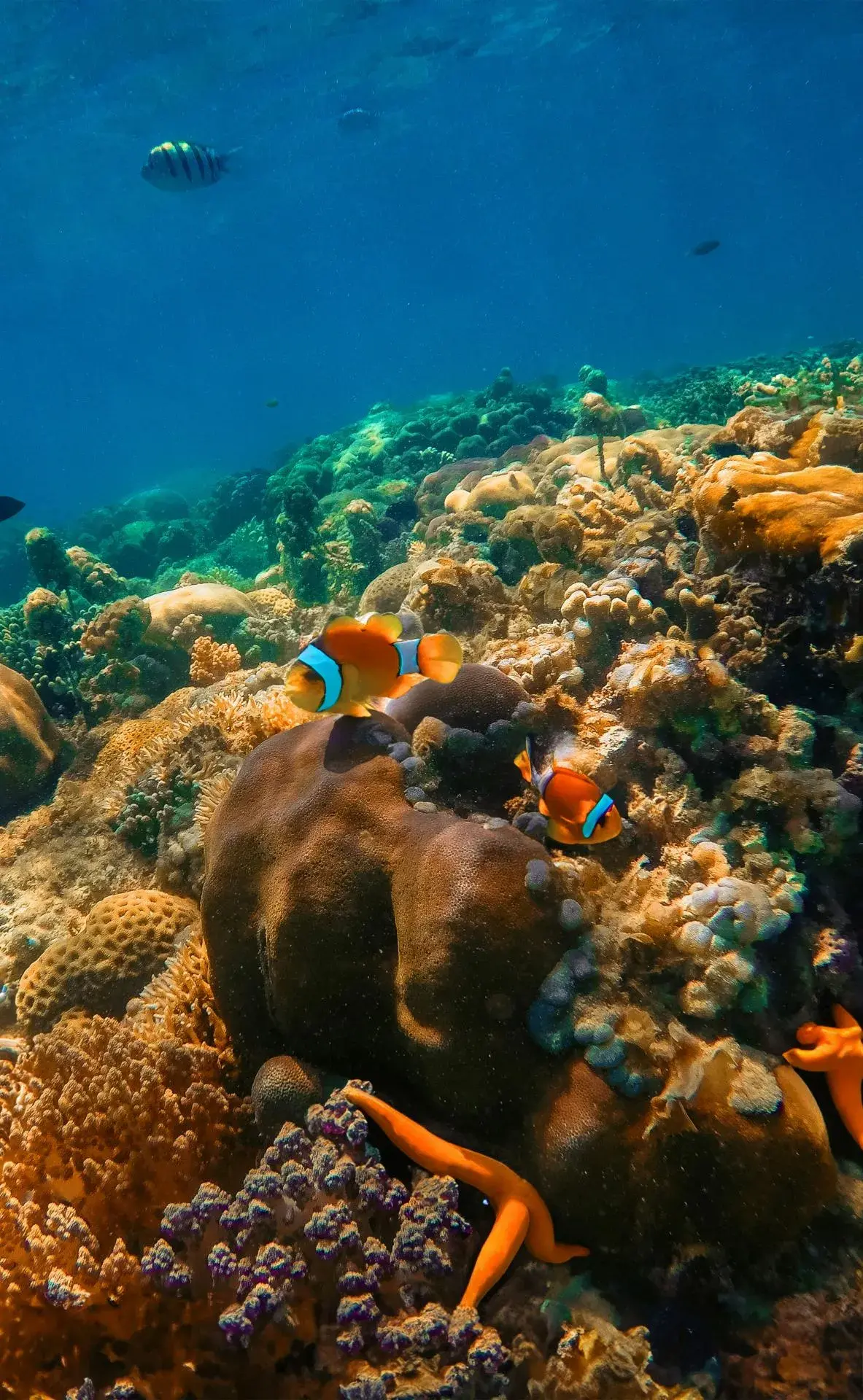
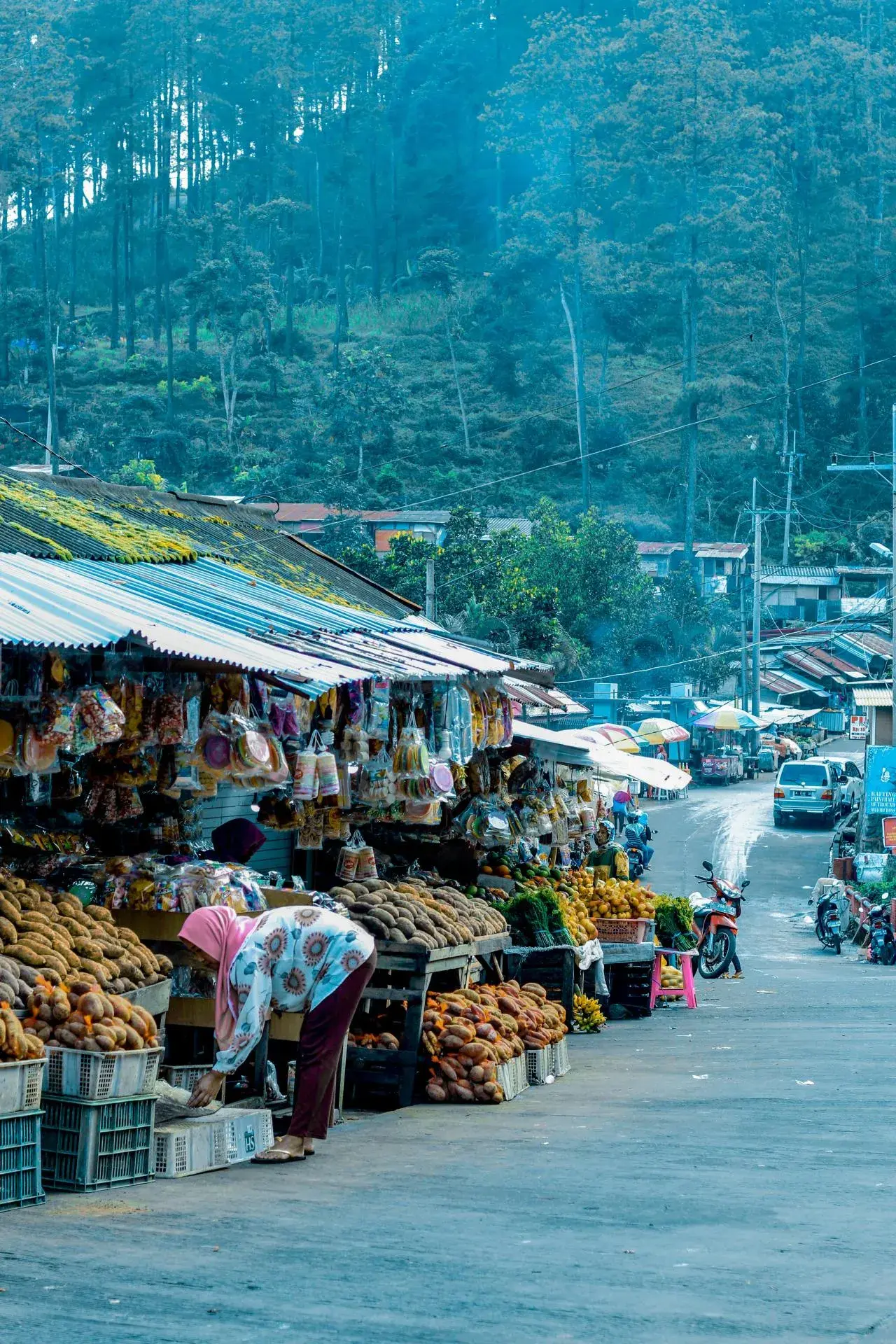
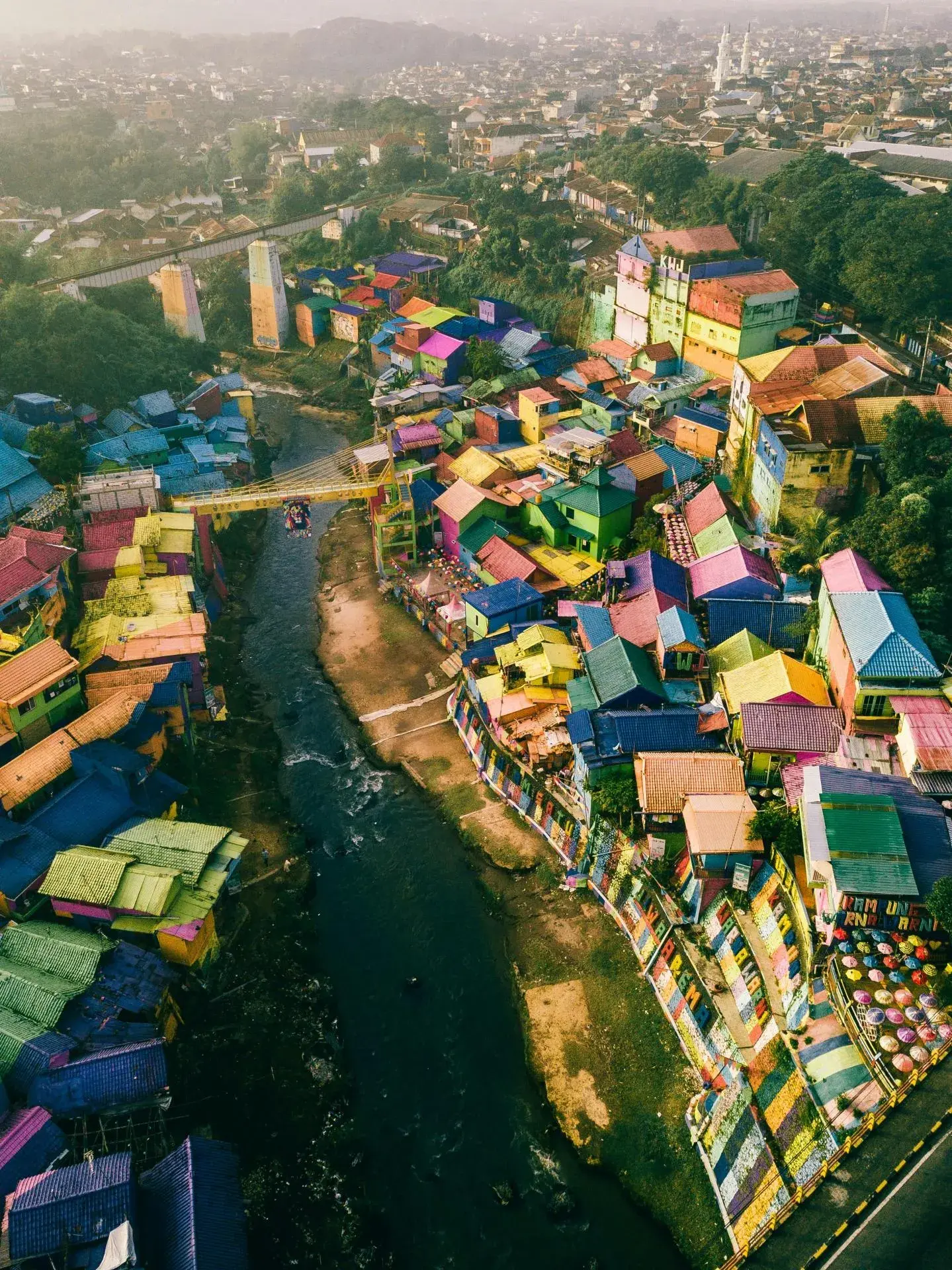
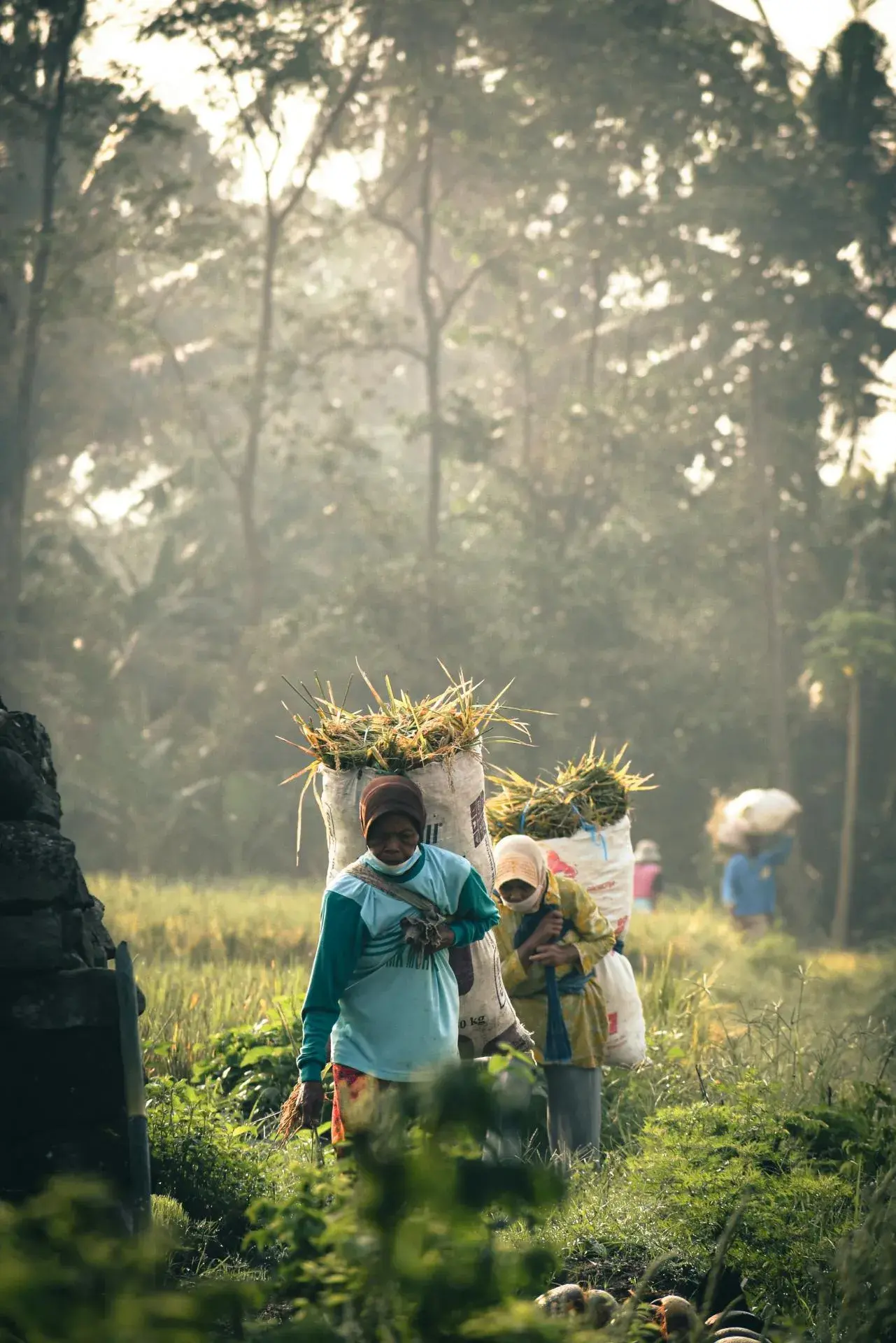
Indonesia is a captivating tapestry of islands, cultures, and landscapes. Volcanoes rise above emerald rice terraces, while ancient temples such as Borobudur and Prambanan reflect centuries of spiritual heritage. Bali offers a blend of ritual, art, and coastal beauty, while more remote islands reveal untouched nature and rare wildlife, including the Komodo dragon. Dense jungles, coral reefs, and pristine beaches create endless opportunities for exploration and relaxation. Across the archipelago, traditions remain deeply rooted, expressed through ceremonies, music, and daily life. With its diversity, natural beauty, and warm hospitality, Indonesia offers a rich and immersive travel experience.
Things to consider
-
Indonesia has a warm, tropical climate, so lightweight, breathable clothing such as cotton or linen is ideal. Comfortable walking shoes and sandals are recommended. In beach areas, casual attire is fine, but when visiting temples or rural communities, modest dress is expected, covering shoulders and knees. A light rain jacket can be useful during the rainy season, and sun protection such as a hat and sunglasses is recommended year-round.
-
No vaccinations are required for entry unless arriving from a yellow fever area. Travelers are generally advised to be up to date on routine vaccinations such as tetanus, hepatitis A, and typhoid. Depending on travel style and regions visited, hepatitis B or other vaccines may be recommended. It is best to consult a healthcare provider before travel.
-
The local currency is the Indonesian Rupiah (IDR). Credit cards are widely accepted in hotels, restaurants, and larger shops in cities and tourist areas, though cash is still commonly used in smaller establishments and rural areas. ATMs are widely available in most towns and cities.
-
Indonesia is generally safe for travelers, especially in established tourist destinations. Standard precautions should be taken, such as keeping valuables secure and being aware of surroundings in busy areas. Conditions can vary between islands, so it is advisable to follow local guidance.
-
Tap water is not safe for drinking, so bottled or filtered water should be used. Indonesian cuisine is diverse and flavorful, with rice, seafood, vegetables, and spices forming the base of many dishes. Food in reputable restaurants and hotels is generally safe, and popular local eateries with high turnover are usually reliable choices.
Entry requirements:
US and Canadian citizens traveling to Indonesia must have a passport valid for at least six months beyond the date of arrival and at least one blank page. A Visa on Arrival (VOA) is available at major international airports and is typically valid for 30 days, with the option to extend once for an additional 30 days. Travelers may also apply for an e-VOA in advance. You may be asked to show proof of onward or return travel. Requirements can change, so it is advisable to verify details before departure.