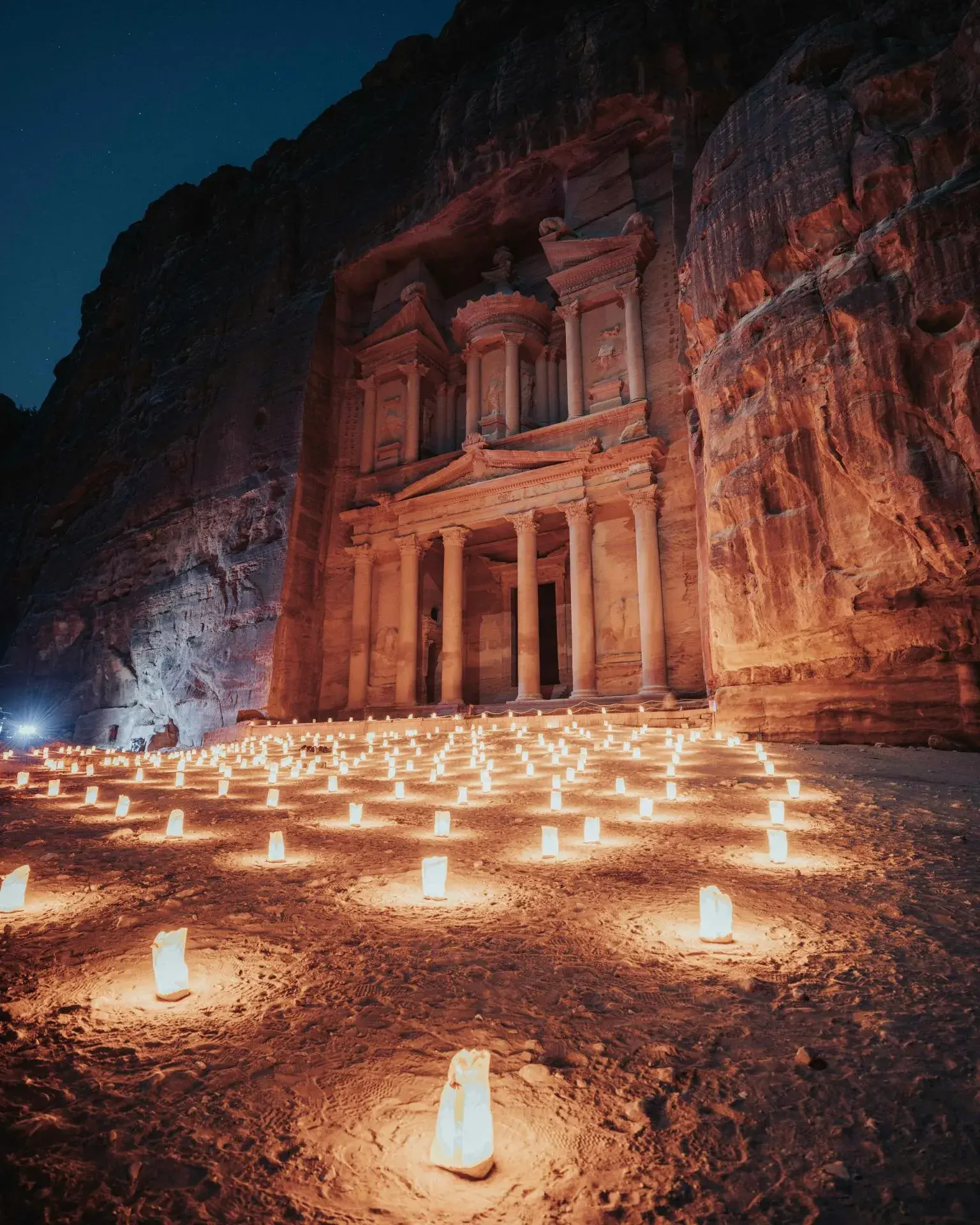
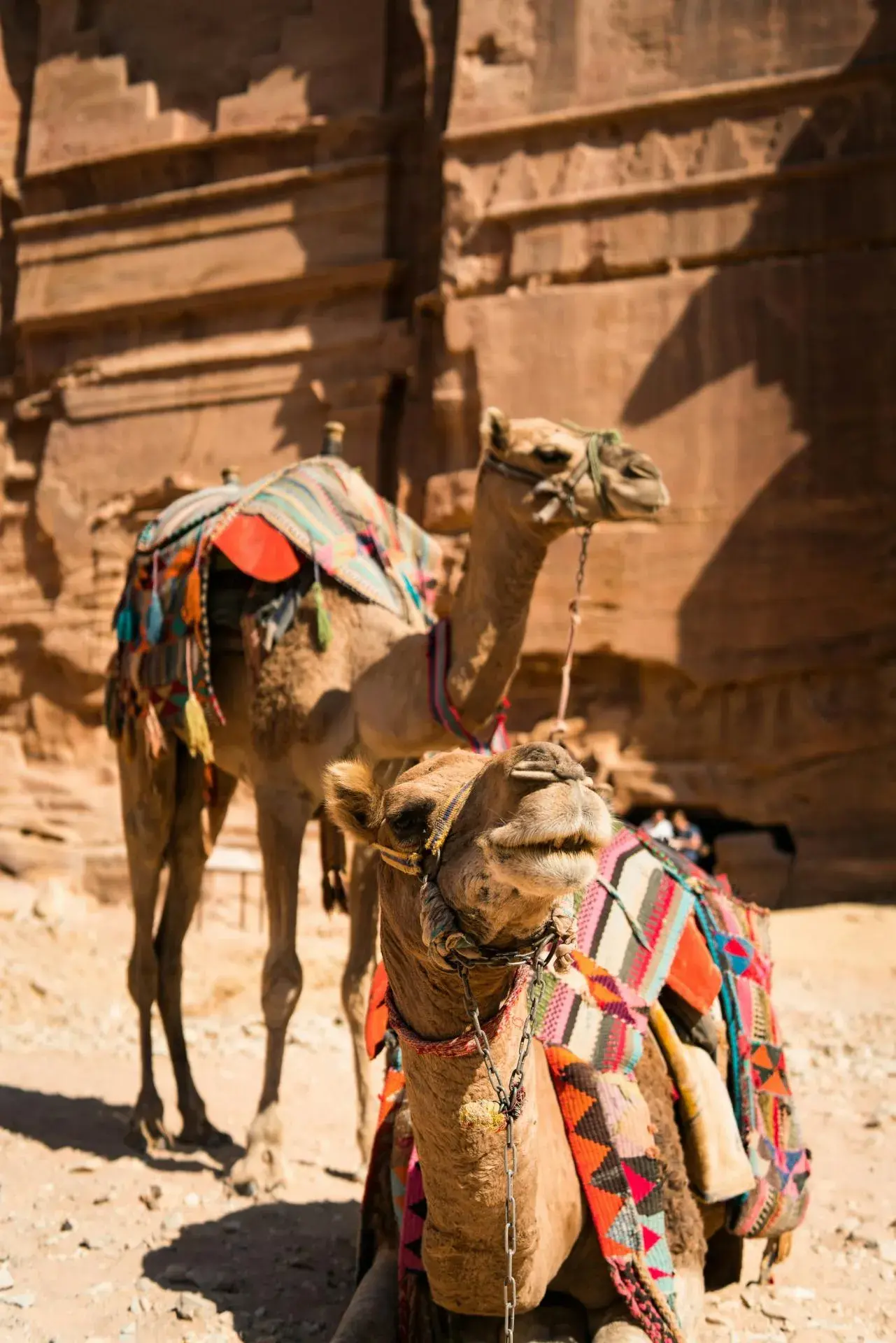
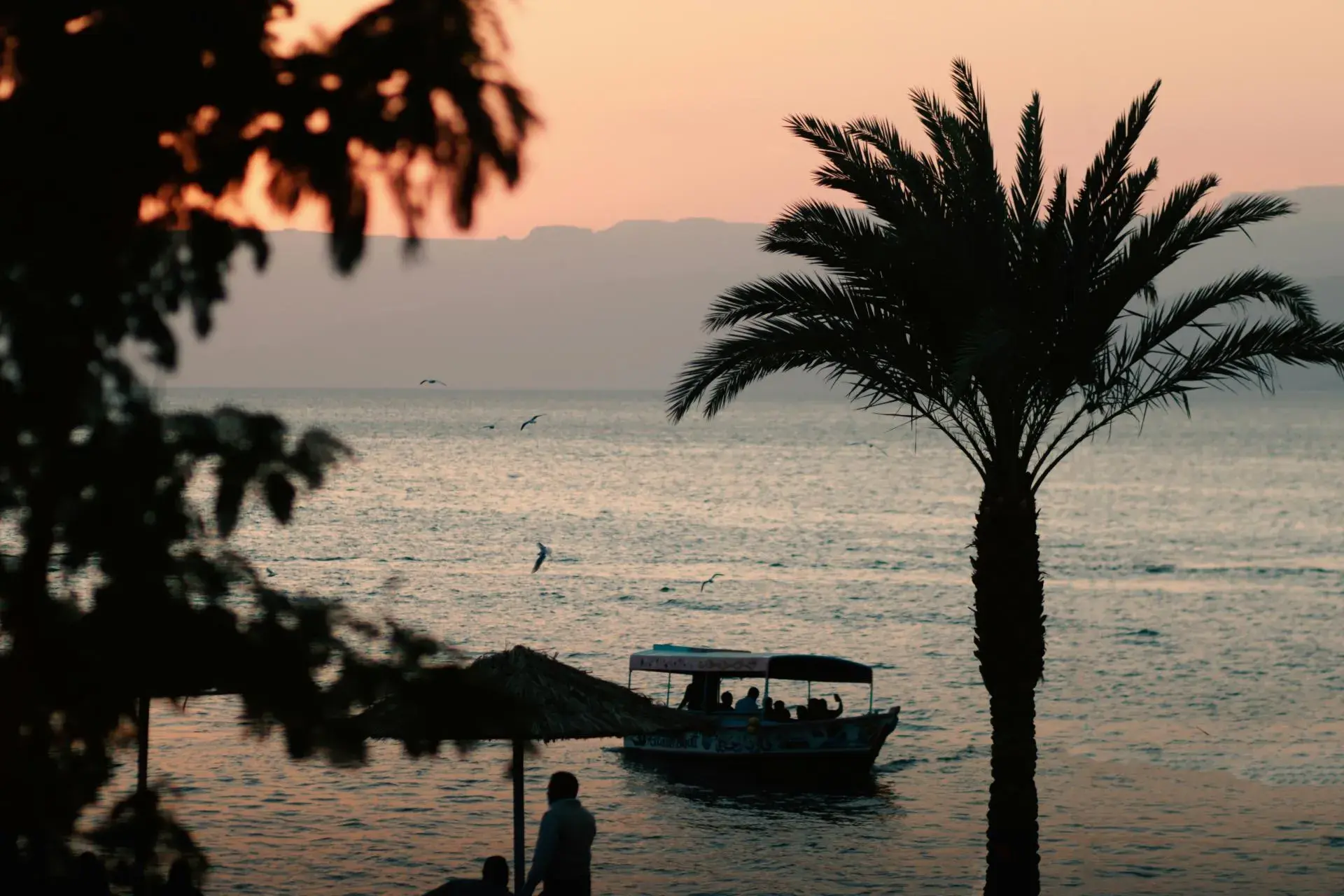
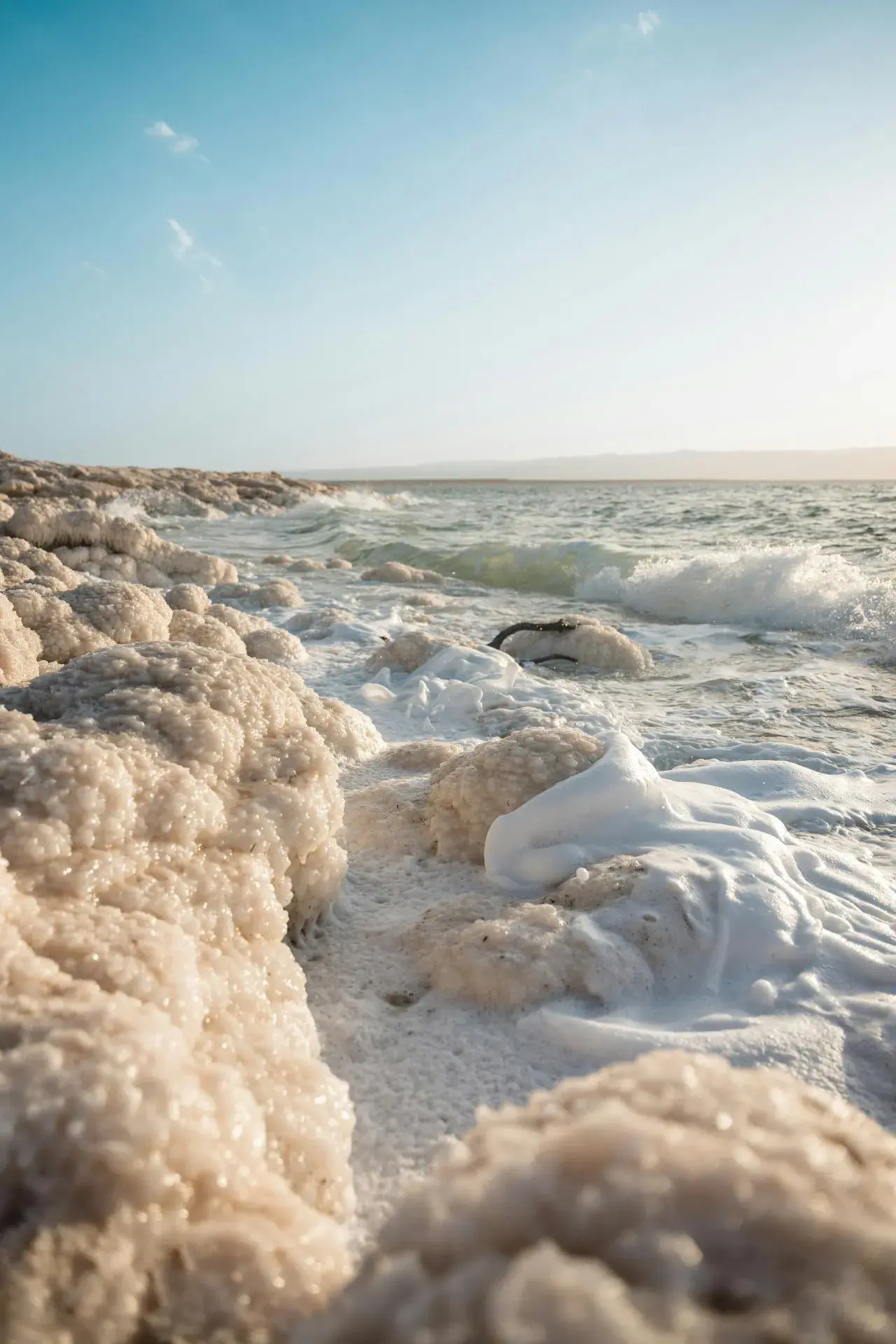
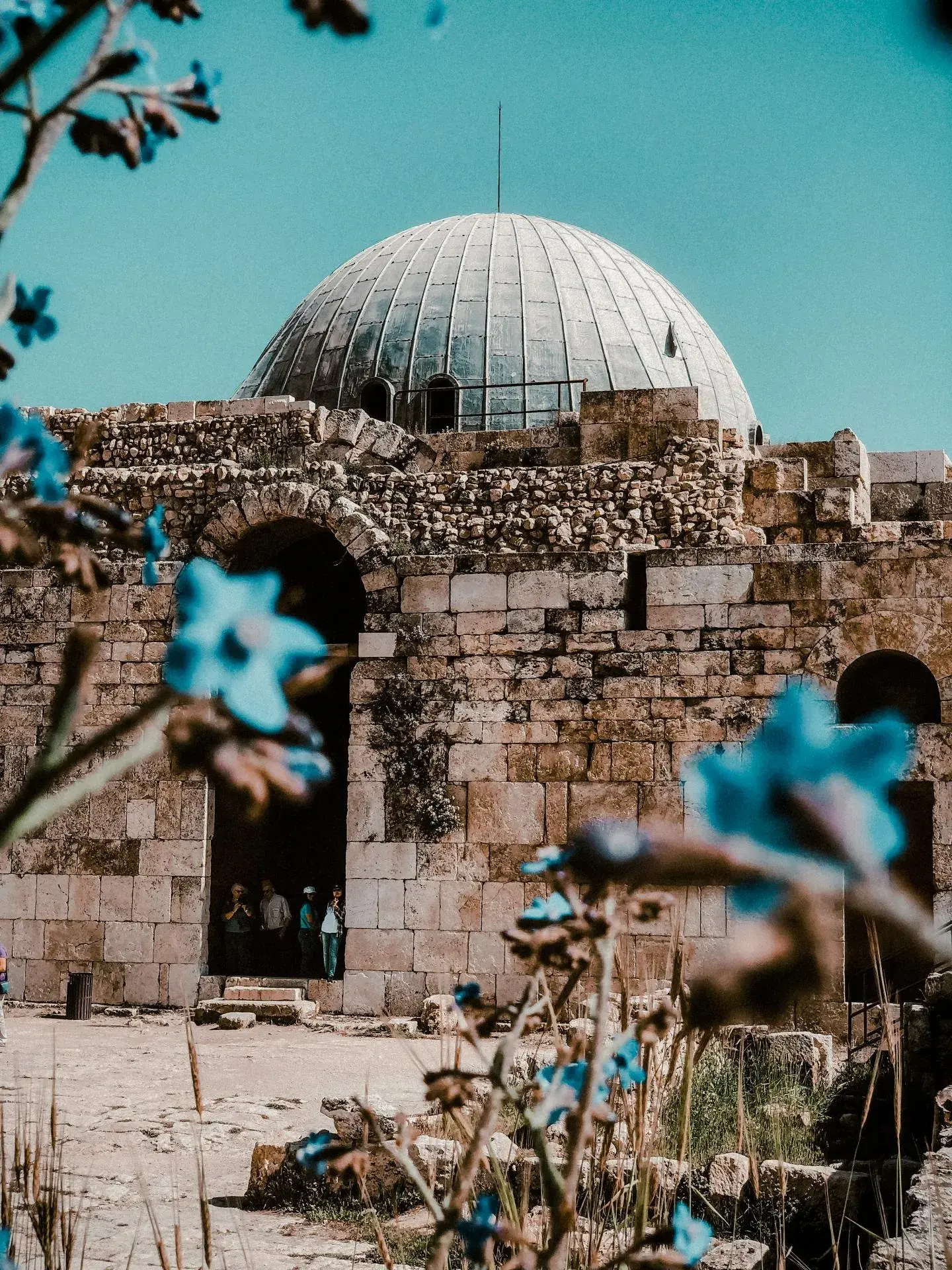
Petra's intricate, rose colored facade sparkles in the sunlight, and across Jordans rolling, sienna deserts and salt-lined shores of the dead sea lies a landscape steeped in remnants of ancient history.
Overview
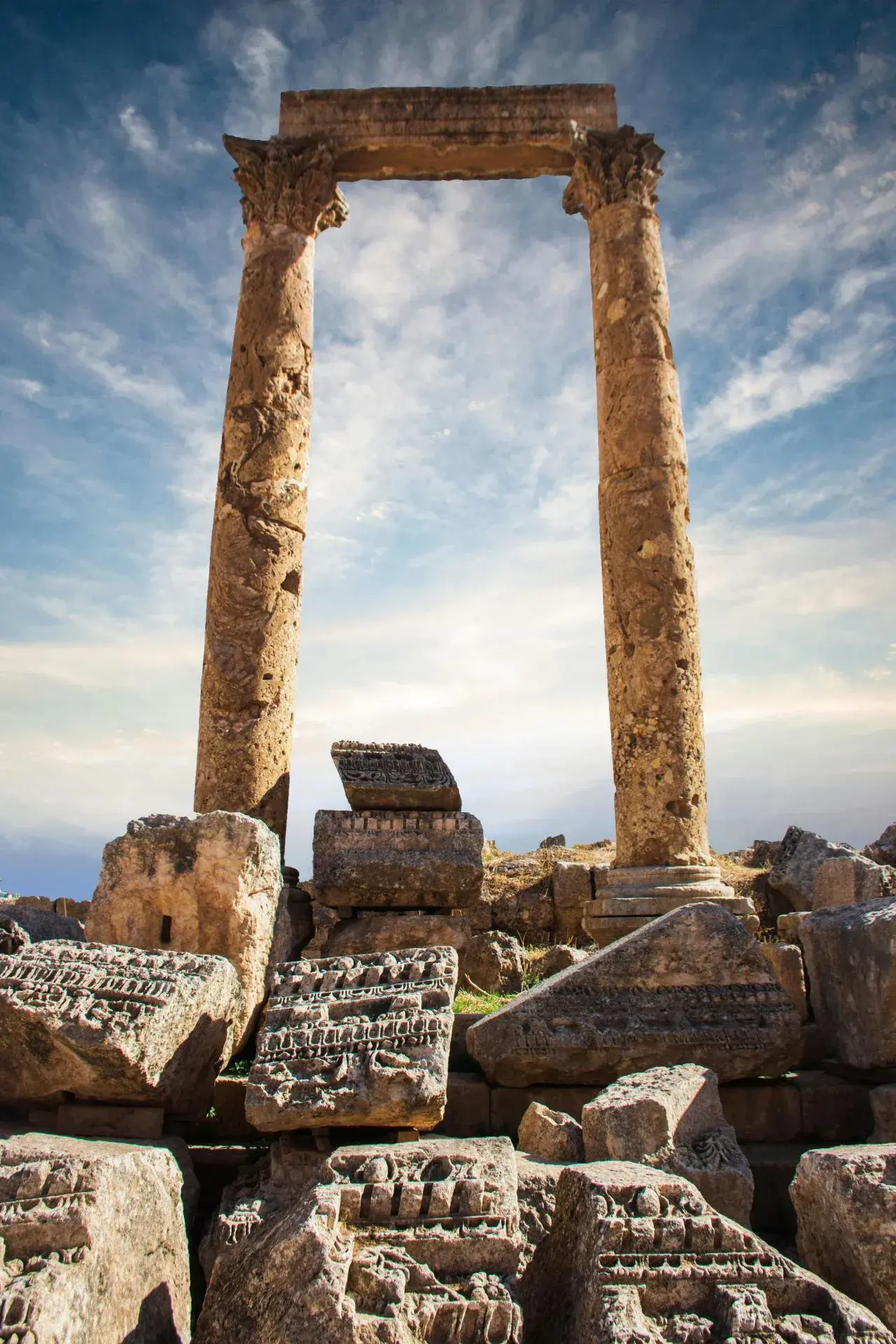
Jordan’s history stretches back thousands of years, shaped by ancient civilizations including the Nabataeans, Romans, and early Islamic empires. Its strategic location at the crossroads of trade routes connected Arabia, the Levant, and beyond, leaving behind a rich legacy of archaeological and cultural sites. In modern times, Jordan has developed into one of the region’s most stable countries, known for its hospitality and strong sense of identity.
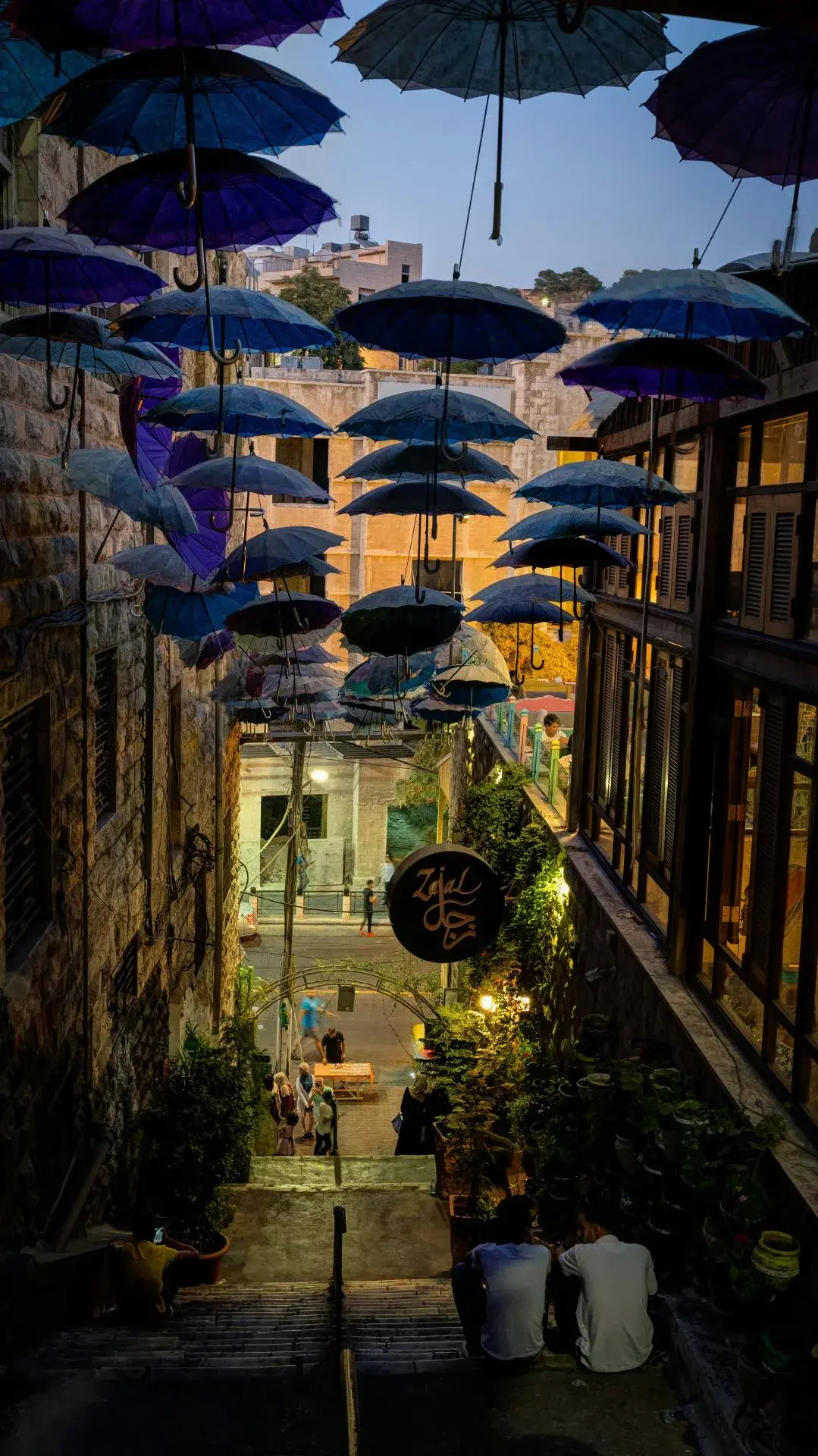
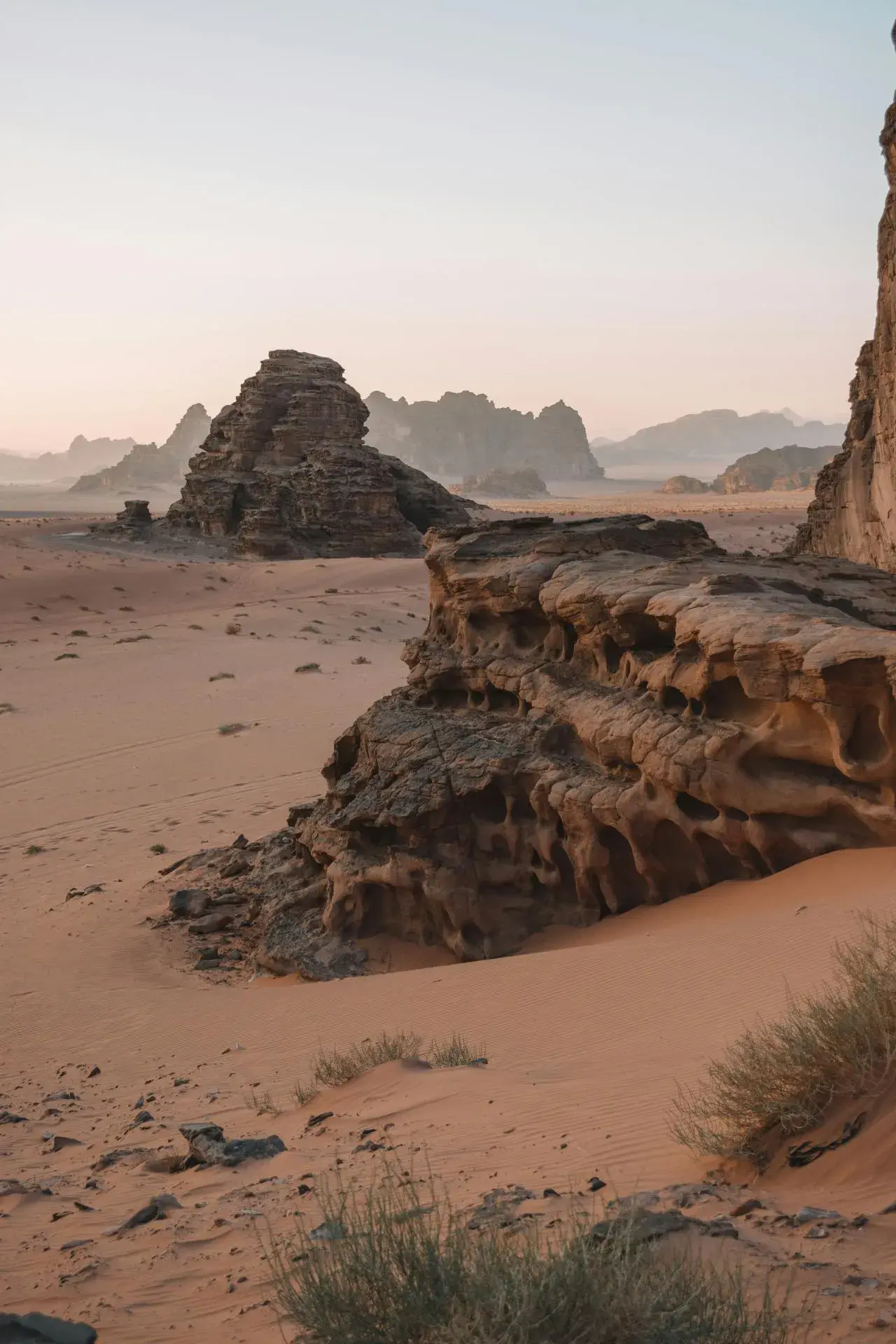
The country’s landscapes vary widely, from desert valleys to fertile highlands. In Petra, rose-colored rock is carved into intricate facades hidden within narrow canyons. Further south, Wadi Rum offers open desert scenery shaped by sandstone formations and vast horizons. To the west, the Dead Sea sits at the lowest point on earth, while the capital, Amman, blends ancient ruins with modern life.
Whether you dream of riding a camel across the red desert sands of Wadi Rum, bird watching in the protected Dana Nature Reserve or sitting down for a traditional meal with a Bedouin Family – Jordan will excite your senses and give you an amazing journey.
89,342 sq km, slightly smaller than Indiana.
Israel, Egypt, Saudi Arabia, Syria, Iraq
Arabic (official), English
Suggested Journeys
Featured Properties
When to Travel
Summers bring intense heat
The climate in Jordan is typical to the Middle East, with sweltering hot summers and temperatures higher than 40 degrees Celsius. Many people find the heat oppressive, which makes it difficult to travel at this time of the year.
However, if you can stand the heat, visiting in the summer will mean that you have famous sights, such as Petra, nearly all to yourself. If you do travel here during the hottest months, make sure that you follow the routine of the locals and go inside between the hours of noon until 3 p.m. to take a well-deserved nap in the afternoon.
Enjoy pleasant autumn temperatures
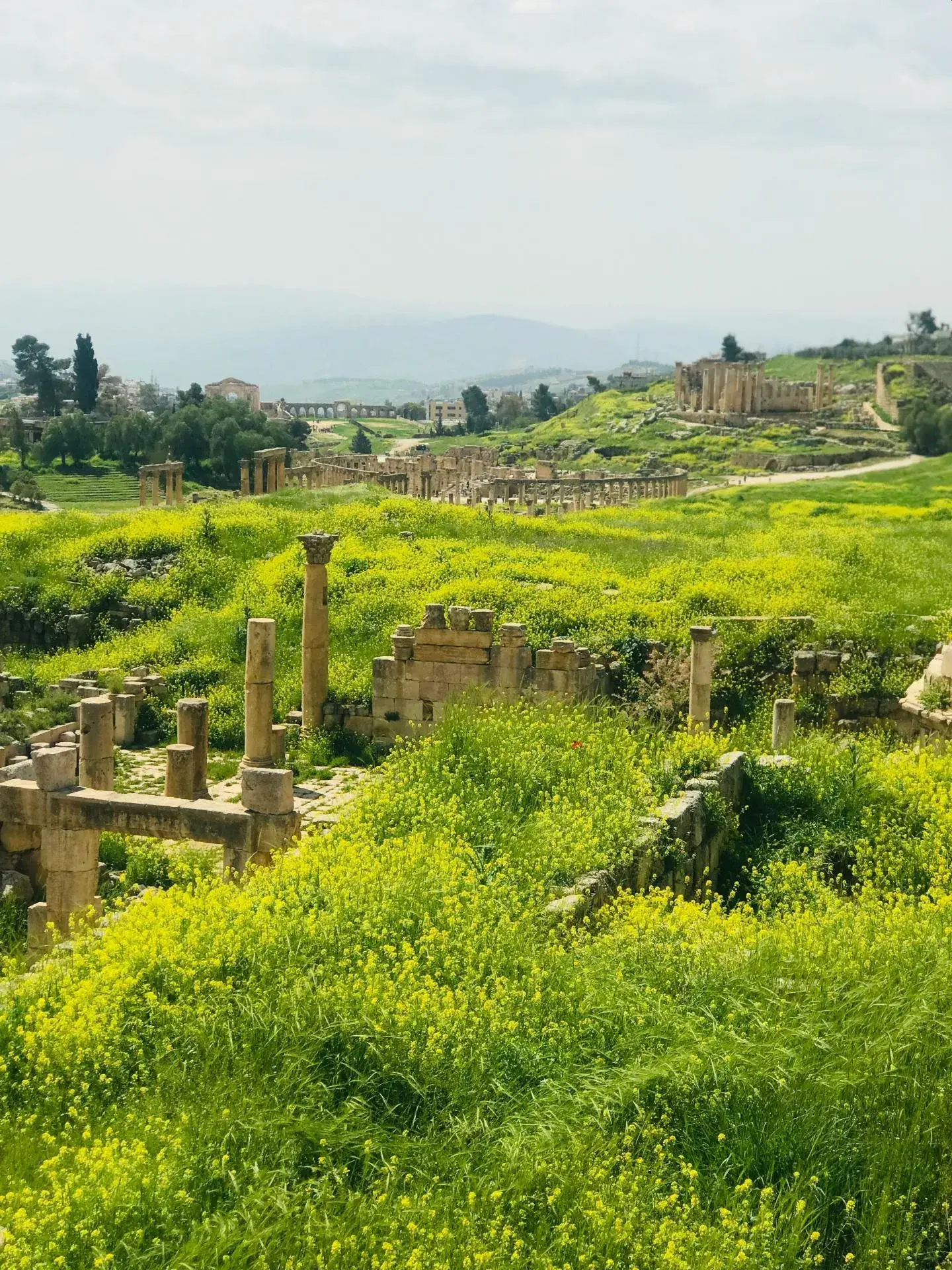
Many travelers agree that spring and autumn are the best times of the year to visit Jordan. This is when the days are warm and the nights are refreshingly cool. Temperatures hover in the high twenties and beautiful wildflowers carpet the desert.
The humidity of this time of year is pleasant and the sunlight is ideal for enjoying the beauty of the desert landscape. However, even in the warmer months, the temperature can dip down at night, so make sure that you bring a shawl or a sweater with you.
Winter is a great option!
You could also consider visiting during winter, but be aware that nights get very cold in the desert regions and sometimes Petra experiences snow. Winter is also when you will find the least amount of tourist at the popular sites!
In short:
• March–May & September–November: Best overall conditions
• June–August: Hot, especially in desert and low areas
• December–February: Cooler, fewer crowds
Events and Festivals in Jordan
Another important factor to consider when deciding what time of the year to visit Jordan is what events and festivals are on the calendar.
For example, in January there is Muharram, which is the beginning of the Muslim New Year and the cause for many major celebrations. In March, Mawoulid An-Nabaw is celebrated – the birthday of the Prophet Mohammed. In April, the locals will celebrate Independence Day, which commemorates the Treaty of 1946. Army Day is celebrated in June, which is a national holiday that marks the Jordanian military.
Of course, the most important month in the Muslim calendar is Ramadan – celebrated in August/September, which is devoted to fasting and is observed by Muslims all over the world. Eid Al-Isra wa Al-Miraj is the feast day at the end of the month, when the fast is broken and families get together for a celebratory meal.
Another important day is Eid Al-Adha – which is known as the feast of sacrifice and celebrates Abraham’s offering of his son as a sacrifice to his god.
Keep these festivals in mind, so that you will know what events are happening during the time of year when you book your visit to Jordan.
Travel highlights
Things to consider
-
Lightweight breathable clothing is ideal, especially in warmer areas such as Wadi Rum and the Dead Sea. A light jacket is useful for cooler evenings and higher elevations, and comfortable walking shoes are essential for sites like Petra.
In general, casual but modest dress is highly advised as most people in the country are muslim; fashion that is acceptable in western areas may be very offensive in Jordan. Both men and women should keep the shoulders, stomach and knees covered, especially when visiting religious or traditional areas.
-
Routine vaccinations should be up to date, and hepatitis A and typhoid are commonly recommended. It is best to consult a healthcare provider before travel.
No mandatory vaccinations are required.
-
The currency is the Jordanian Dinar (JOD). Credit cards are widely accepted in hotels, restaurants, and shops, while cash is useful in smaller towns and markets. ATMs are readily available in cities.
-
Jordan is considered one of the safest countries in the region. Travel within established tourist areas is straightforward, and hospitality is a key part of the culture. Basic precautions are recommended, including using reputable transport and following local guidance.
-
Tap water is not recommended for drinking. Bottled water is widely available. Food standards are high, with fresh, well-prepared meals and a strong culinary tradition that reflects regional flavors.
Entry requirements:
US and Canadian citizens must have a passport valid for at least six months beyond entry. A visa is required and can be obtained on arrival at most entry points or in advance online. Tourist visas are typically valid for stays of up to 30 days, with the option to extend locally. Many travelers choose to purchase the Jordan Pass, which includes the visa fee (if staying at least 3 nights) and entry to major sites such as Petra.
Proof of onward or return travel may be requested.