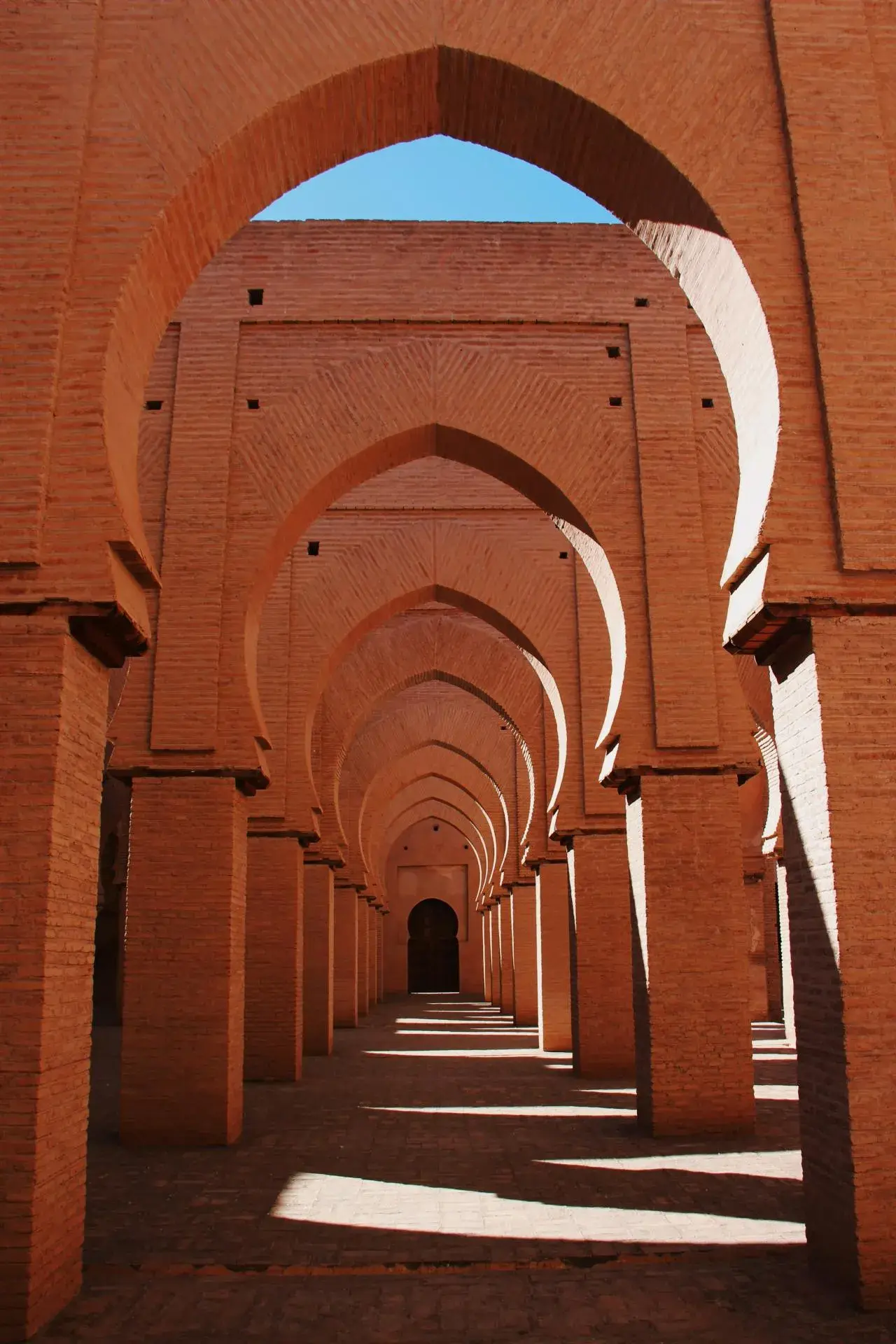
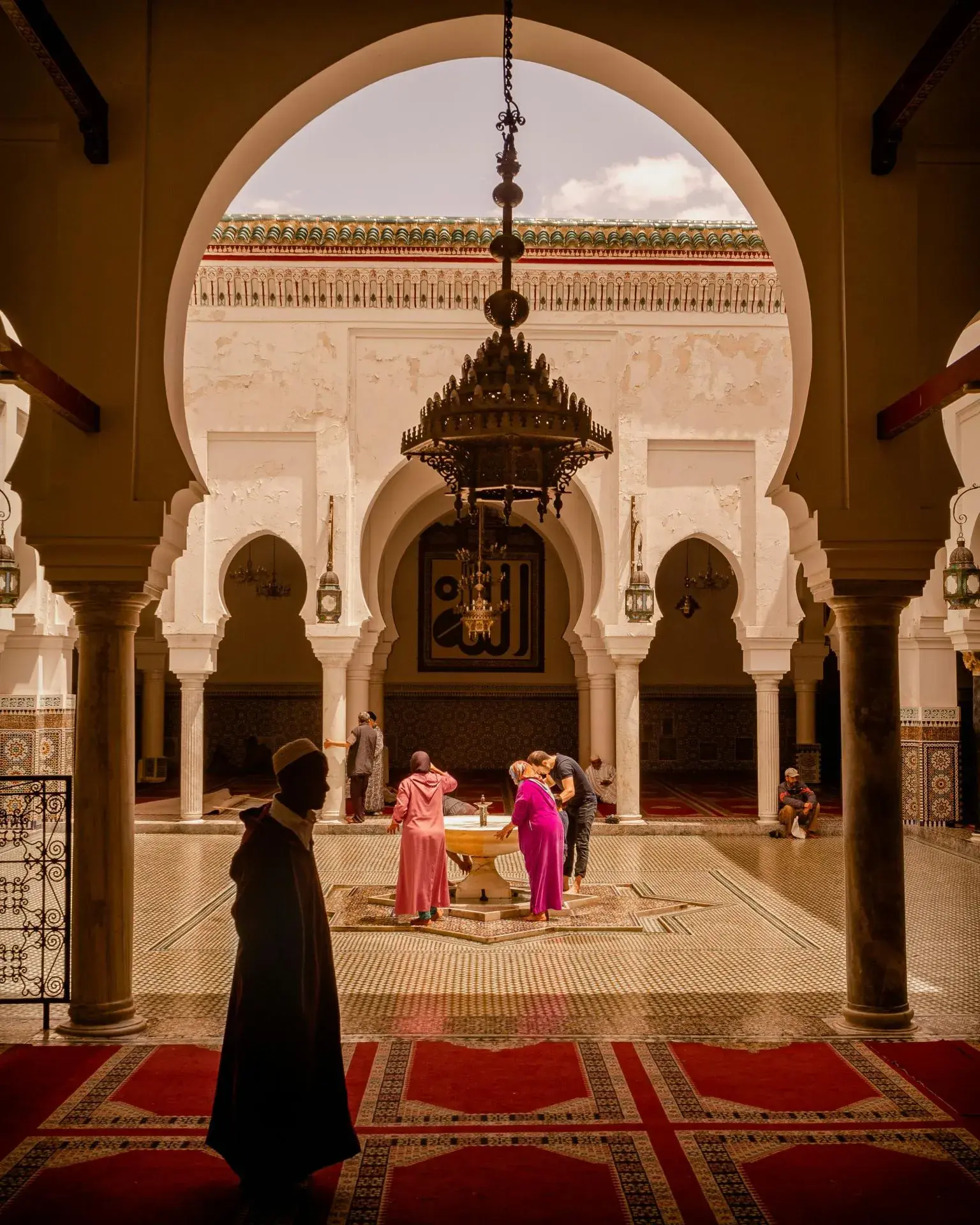
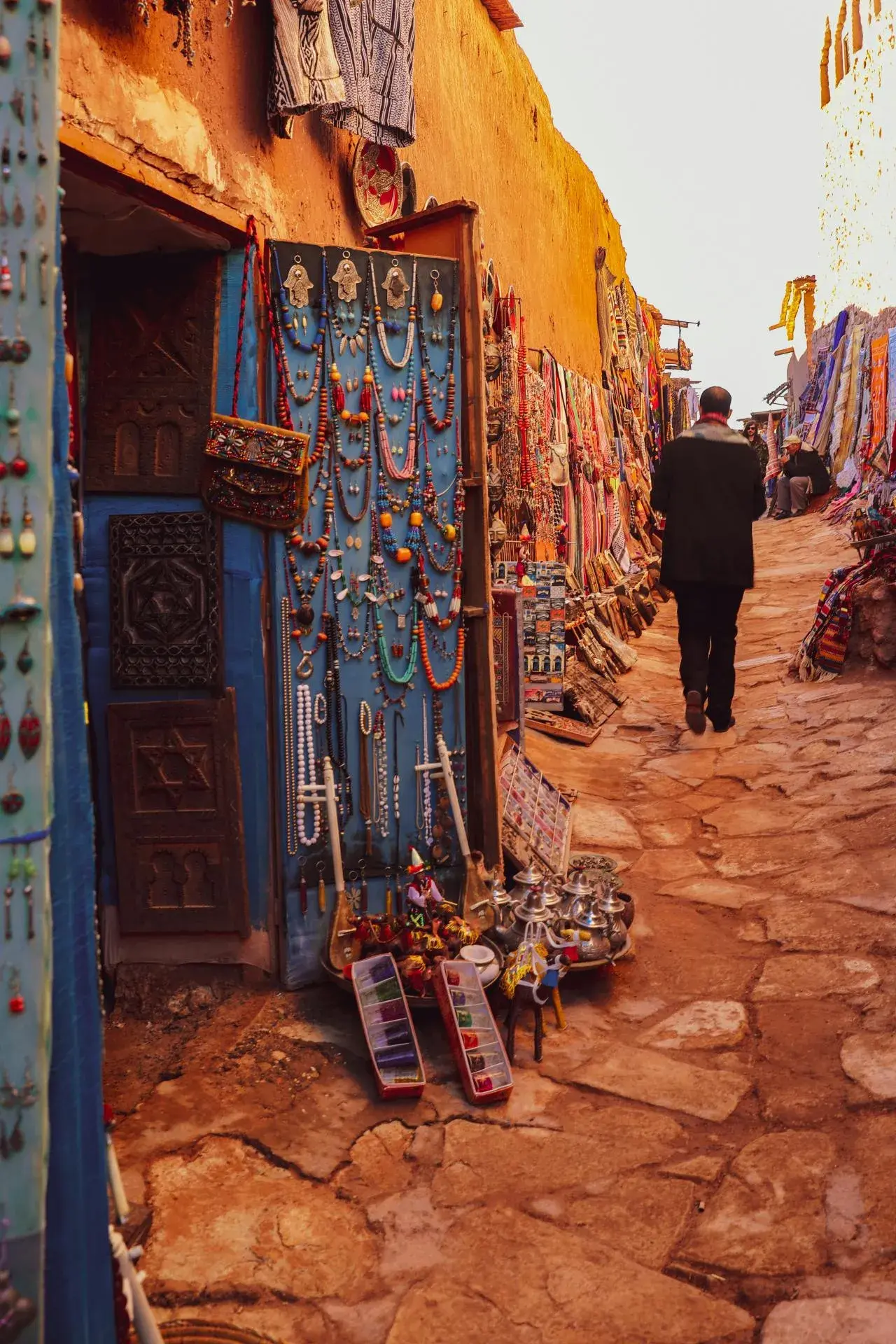
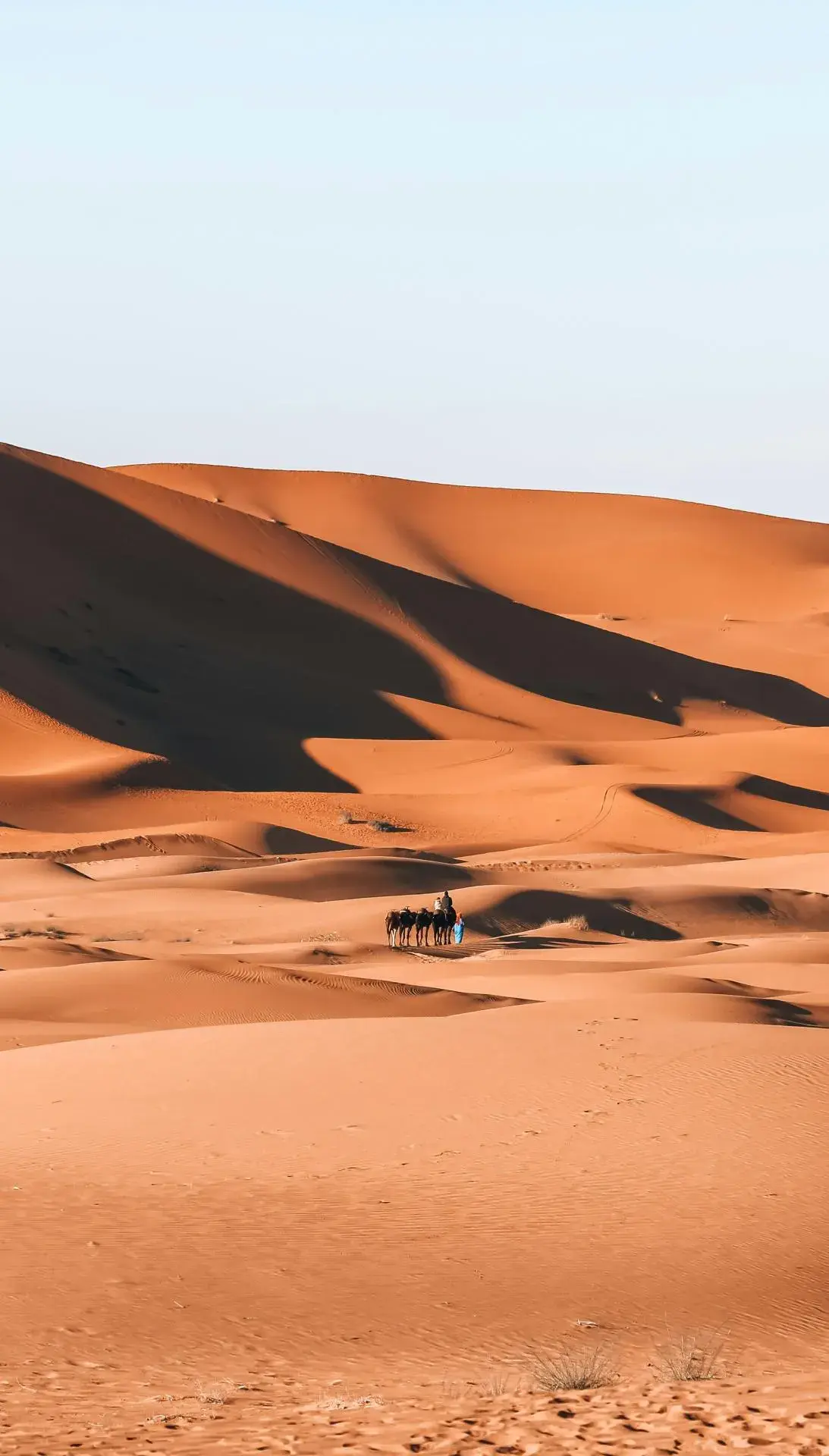
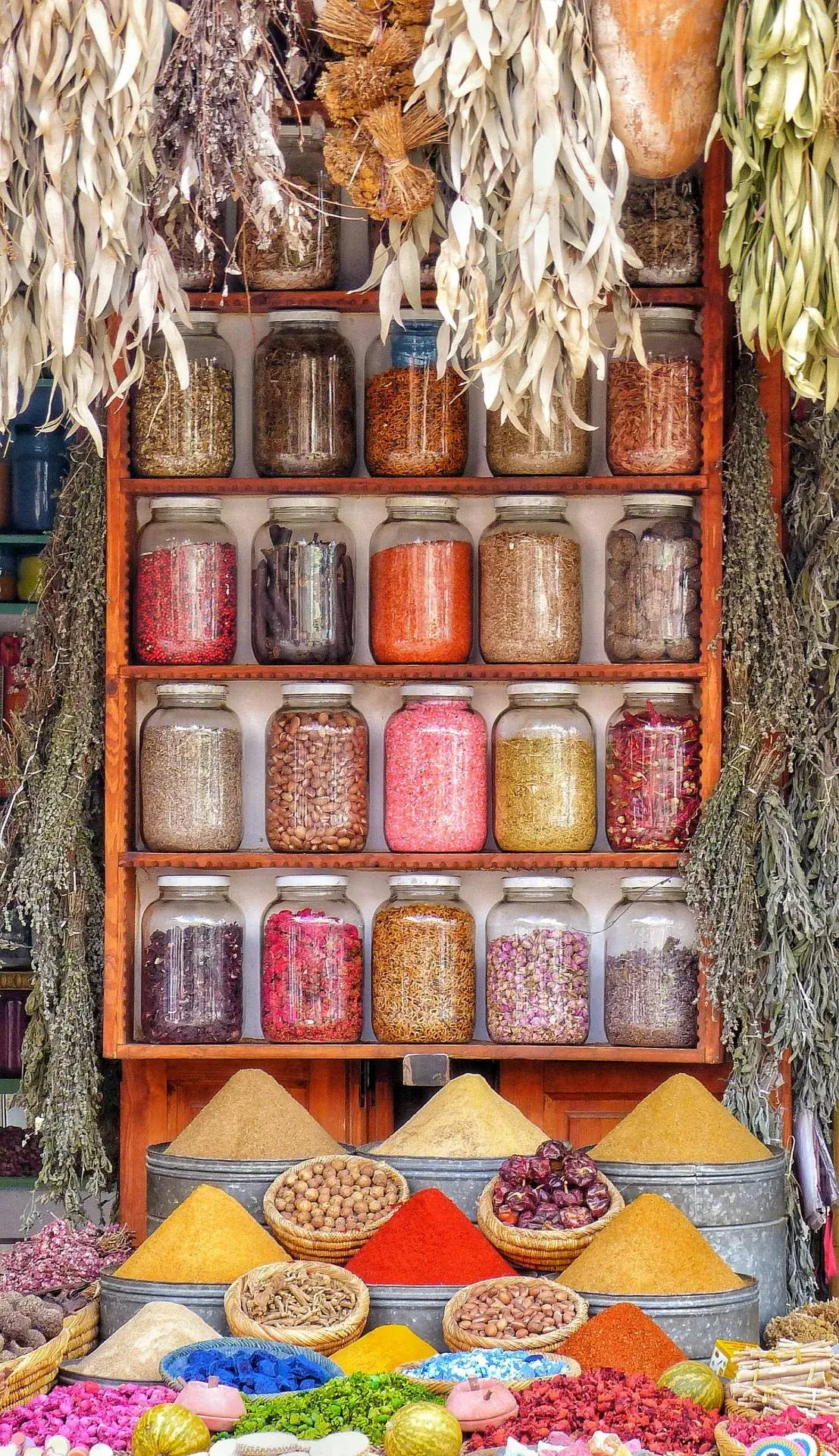
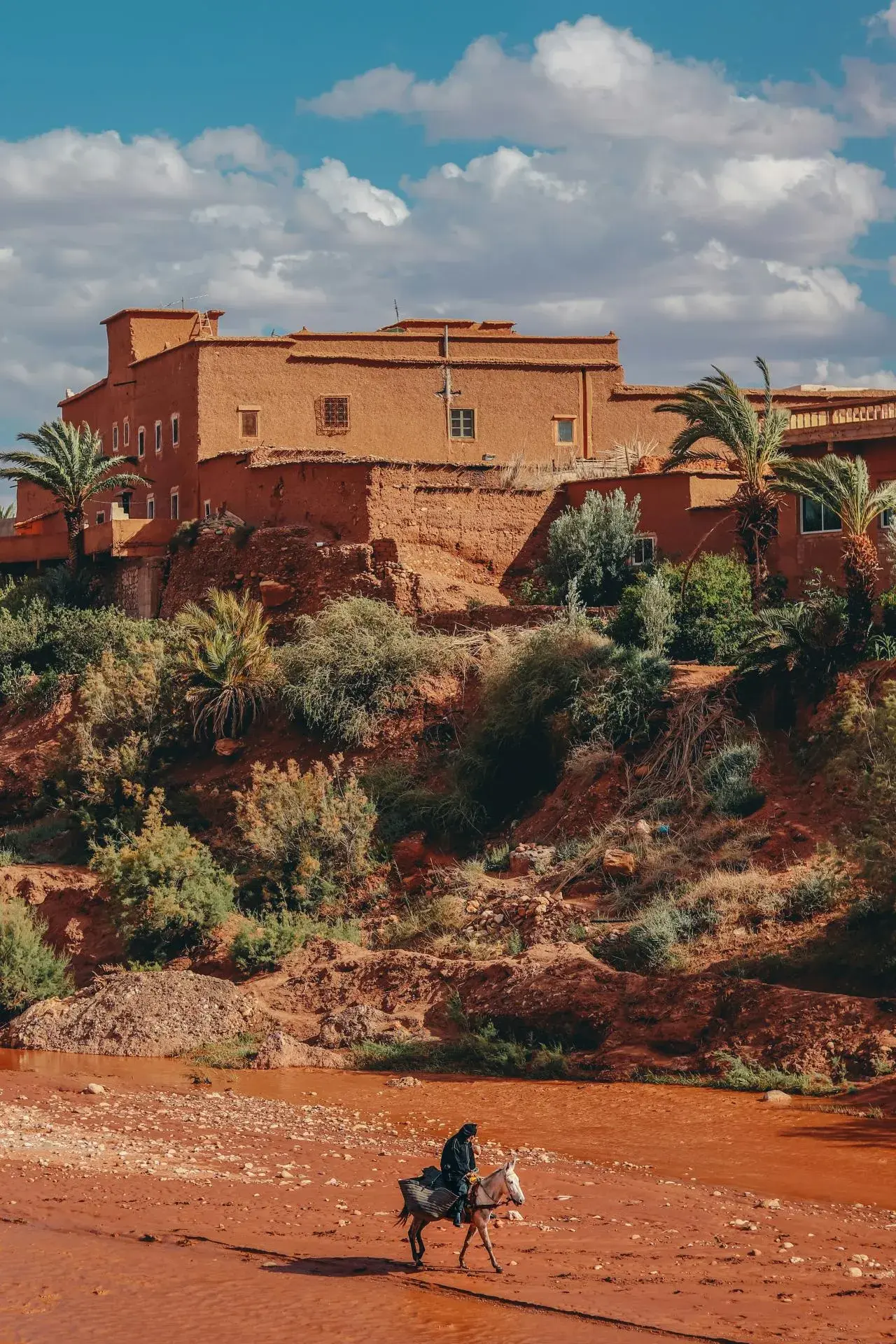
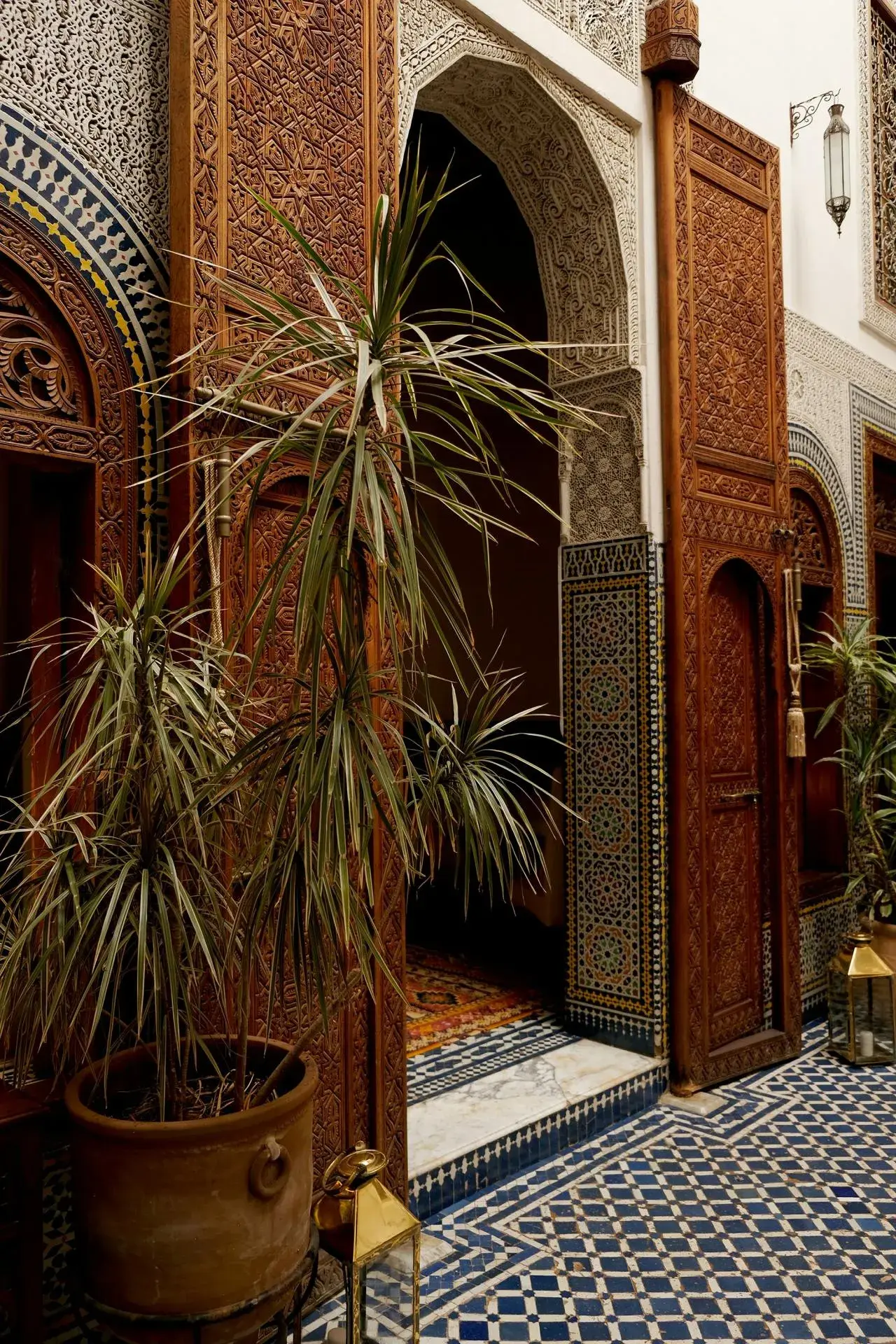
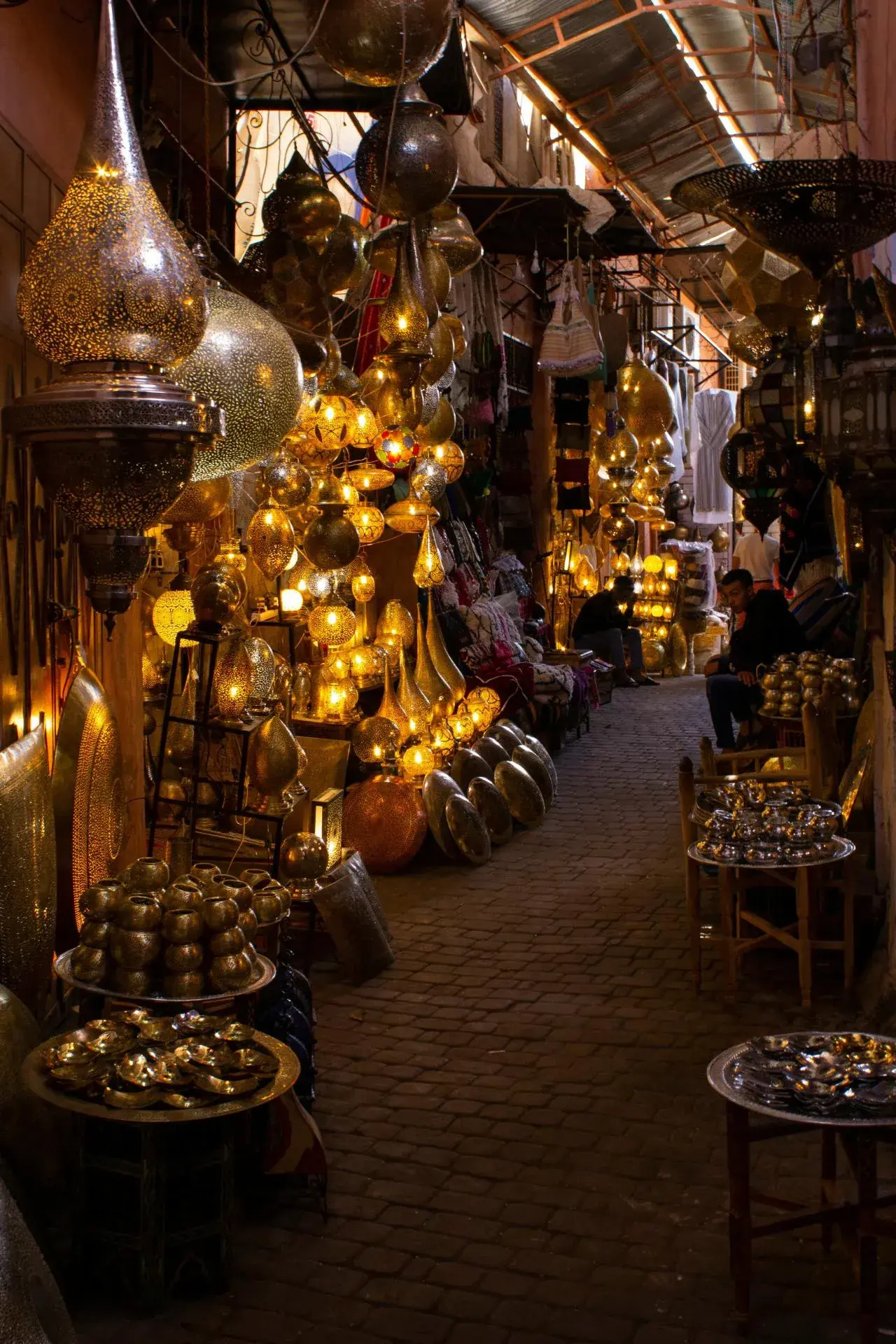
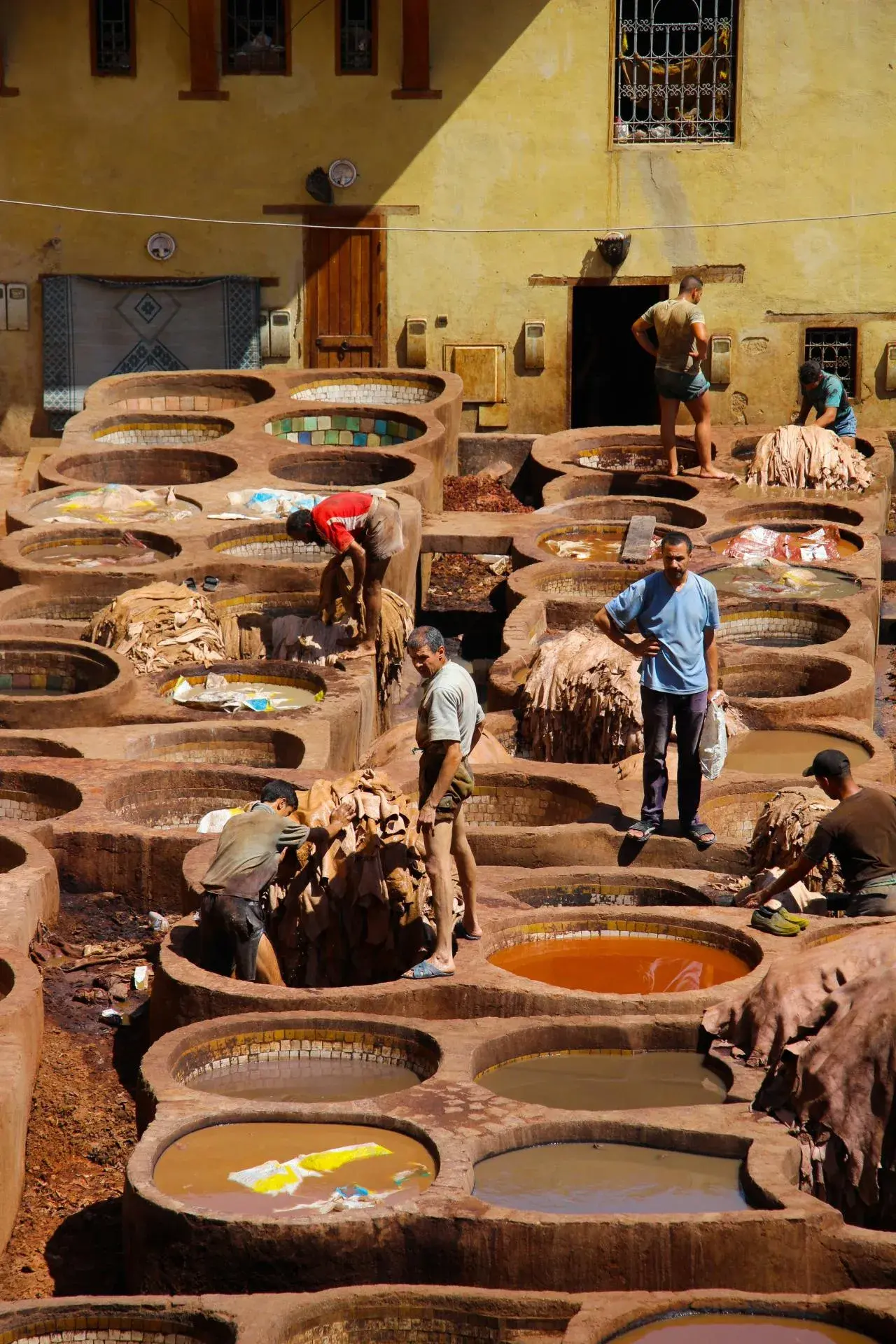
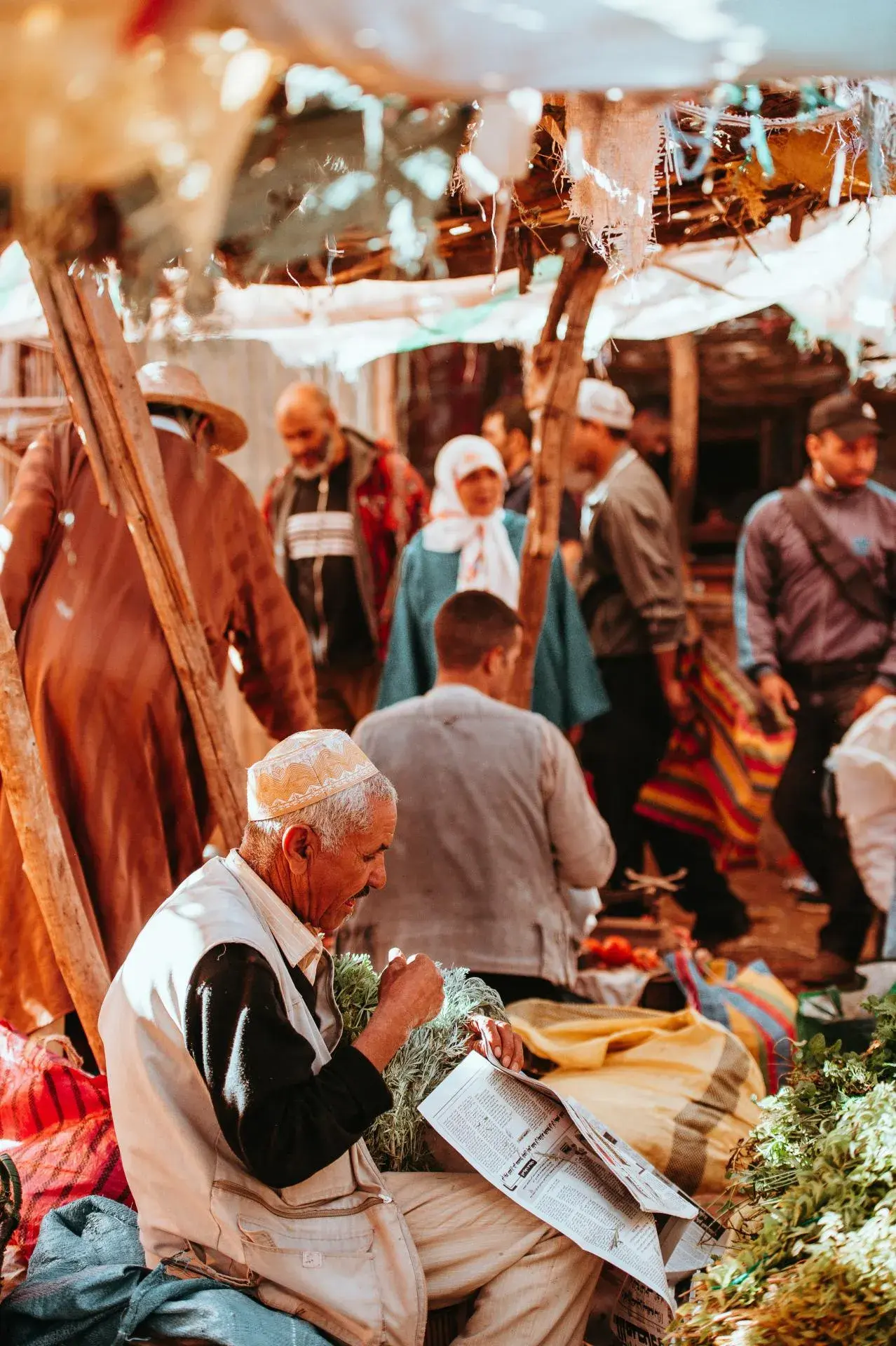
Large tented markets bursting with handmade crafts carry the smell of spices and food stalls in Marrakech, tiled courtyards and decorated columns gleam under the bright sun, and the Sahara's endless sea of dunes glows like liquid gold at dusk.
Overview
Over centuries, the region of North Africa that is present-day Morocco has been shaped by numerous cultures and empires seeking to control its strategic position between the Mediterranean Sea and the Atlantic Ocean. Phoenicians, Carthaginians, and later the Romans established settlements before the arrival of Islam in the 7th and 8th centuries, which profoundly influenced the country’s religion, architecture, and culture.
In the 16th century, Moroccan dynasties consolidated power, and the indigenous Berber, or Amazigh, population played a central role in shaping the nation’s identity. The Alaouite Dynasty, which still reigns today, came to power in the 17th century. In 1912, Morocco became a French Protectorate, remaining under French rule until it regained independence in 1956, marking the beginning of the modern Moroccan state.
Morocco covers approximately 446,550 sq km (172,410 sq mi), making it slightly larger than California and roughly comparable to Sweden.
Algeria, Western Sahara, and Spain (across the Strait of Gibraltar)
Arabic and Amazigh (Official languages), French, Spanish, and English
Suggested Journeys
Featured Properties
When to Travel
Morocco has a varied climate. Along the Atlantic and Mediterranean coasts, the weather is moderate and Mediterranean. Moving inland, conditions become more continental, while the south and Western Sahara experience desert extremes. Average summer temperatures often reach 30°C (86°F) and can exceed 37°C (100°F). In the Sahara, nighttime temperatures may drop to around 5°C (41°F). The most comfortable times to visit are spring, March through May, and early autumn, September through October, when temperatures are milder.
Coastal Area
In the north and west, summers are warm and dry, while winters are moderate. Cities such as Rabat average 21–27°C (70–80°F) in summer and 17–20°C (62–69°F) in winter.
South-East and Western Sahara
This region has an arid desert climate with minimal rainfall. Winter days are pleasant at 18–21°C (65–70°F), but summer temperatures can reach 46°C (115°F) or higher.
Travel highlights
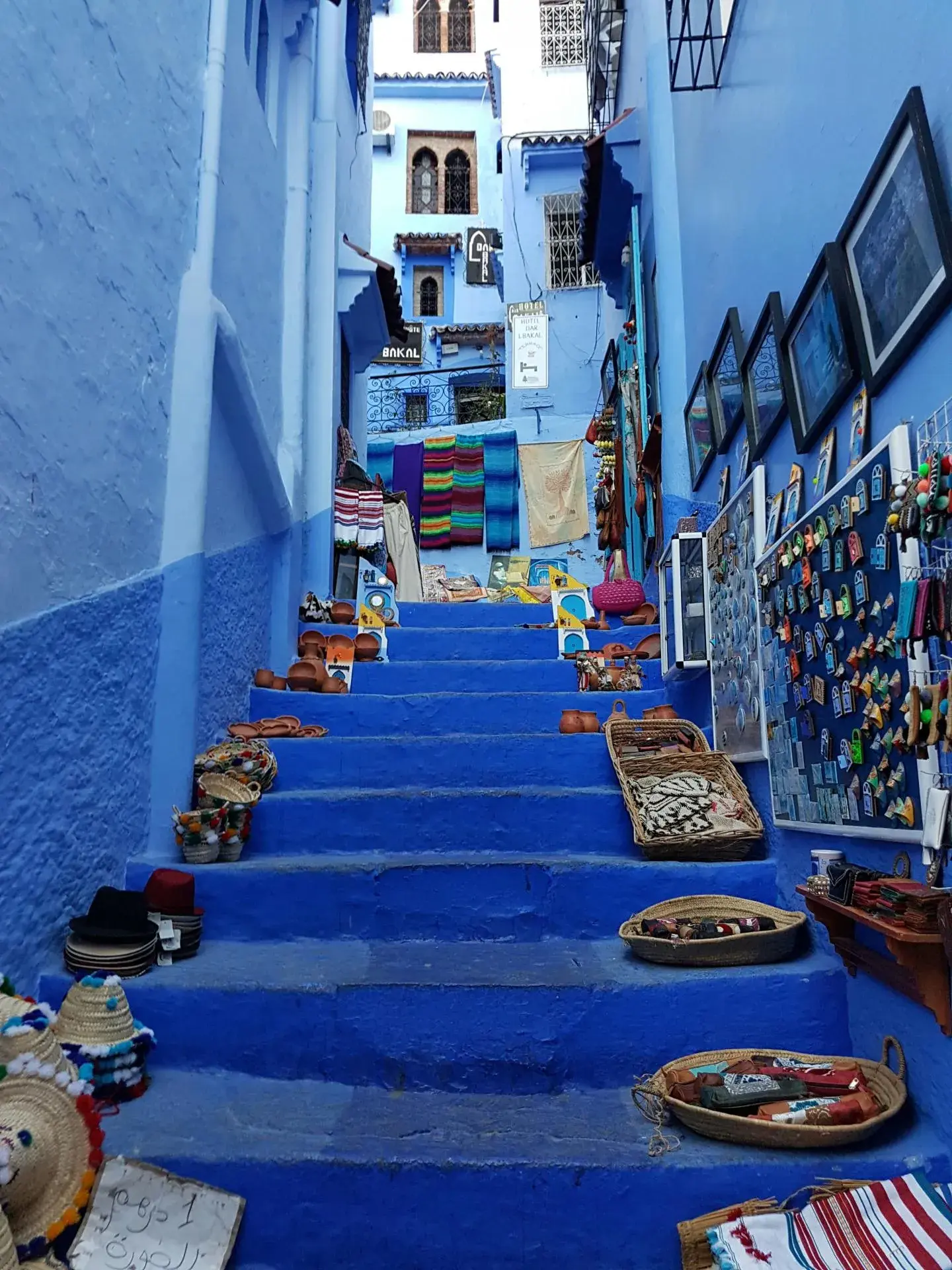
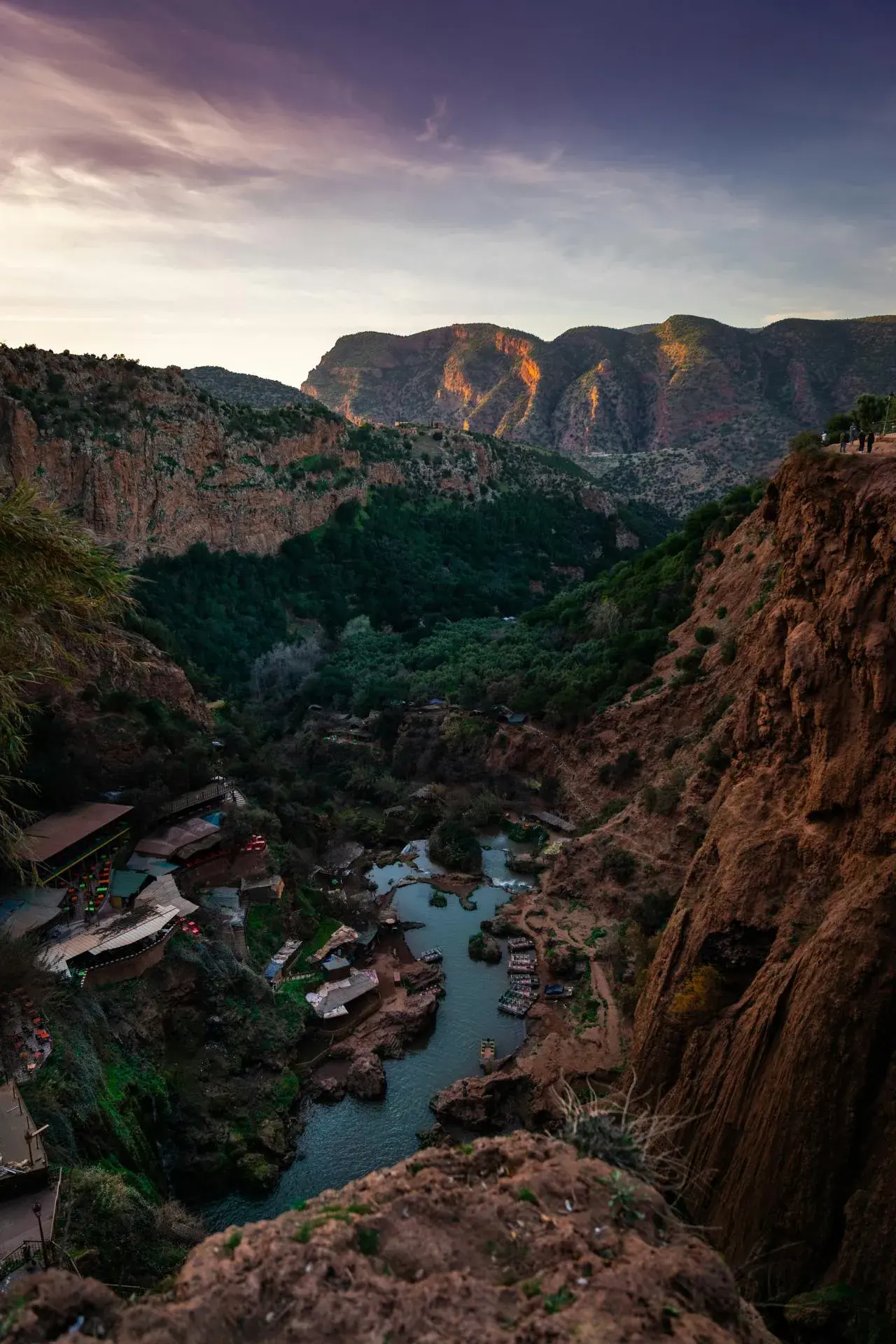
Morocco offers a captivating blend of culture, color, and landscape. Wander the vibrant souks of Marrakech, explore the blue-washed lanes of Chefchaouen, and discover the imperial grandeur of Fez. Journey from the Atlas Mountains to the golden dunes of the Sahara, and along the Atlantic coast to charming seaside towns. Ancient medinas, ornate riads, rich cuisine, and Berber traditions create a destination layered with history, artistry, and unforgettable atmosphere.
Things to consider
-
Given that Morocco is a very devout Muslim country, with 99% of the Moroccan citizens practicing Islam, modest clothing is highly recommended. What western countries consider casual clothing, Muslim countries like Morocco might find distasteful and even disrespectful. It is advised that women wear light and breathable clothing that covers the knees and shoulders, such as long skirts or dresses, pants or jeans. For men, it is normal to wear pants or jeans with a collared shirt. Sunscreen and sunglasses are a must when visiting Morocco because of the powerfully sunny days.
-
For travel to Morocco, no vaccinations are required for entry from the United States or Canada. Routine immunizations should be up to date. Hepatitis A is commonly recommended, and Hepatitis B and Typhoid may be advised depending on travel style and length of stay. It is best to consult a healthcare provider prior to departure.
-
The currency of Morocco is the Moroccan Dirham (MAD). It is a closed currency, meaning it must be exchanged within Morocco. Credit cards are widely accepted in major cities, upscale hotels, and established restaurants, but cash is preferred in souks, small shops, and rural areas. ATMs are readily available in cities and larger towns, and banks offer reliable exchange services. It is advisable to carry small denominations for daily purchases and gratuities.
-
Morocco is generally considered safe for tourists, especially in well-traveled areas. As in any destination, petty theft such as pickpocketing can occur in busy medinas and markets, so basic precautions are recommended. Visitors should be cautious with unofficial guides and agree on prices in advance when using taxis or shopping in souks. In desert or mountain regions, travel with licensed guides is advisable. Overall, Morocco is welcoming, and tourism is an important part of the economy.
-
In Morocco, it is recommended to drink bottled or filtered water rather than tap water. Bottled water is widely available in hotels, restaurants, and shops. Ice is generally safe in reputable establishments but should be avoided in remote areas. Moroccan cuisine is flavorful and diverse, featuring tagines, couscous, grilled meats, and fresh salads. It is advisable to eat in established restaurants and hotels, and to wash hands regularly. Freshly cooked food is generally safe, while uncooked items should be consumed with discretion.
Entry requirements:
Citizens of the United States and Canada need a passport valid for the duration of their stay in Morocco. No visa is required for tourist visits of up to 90 days. Travelers may be asked to show proof of onward or return travel and sufficient funds for their stay.