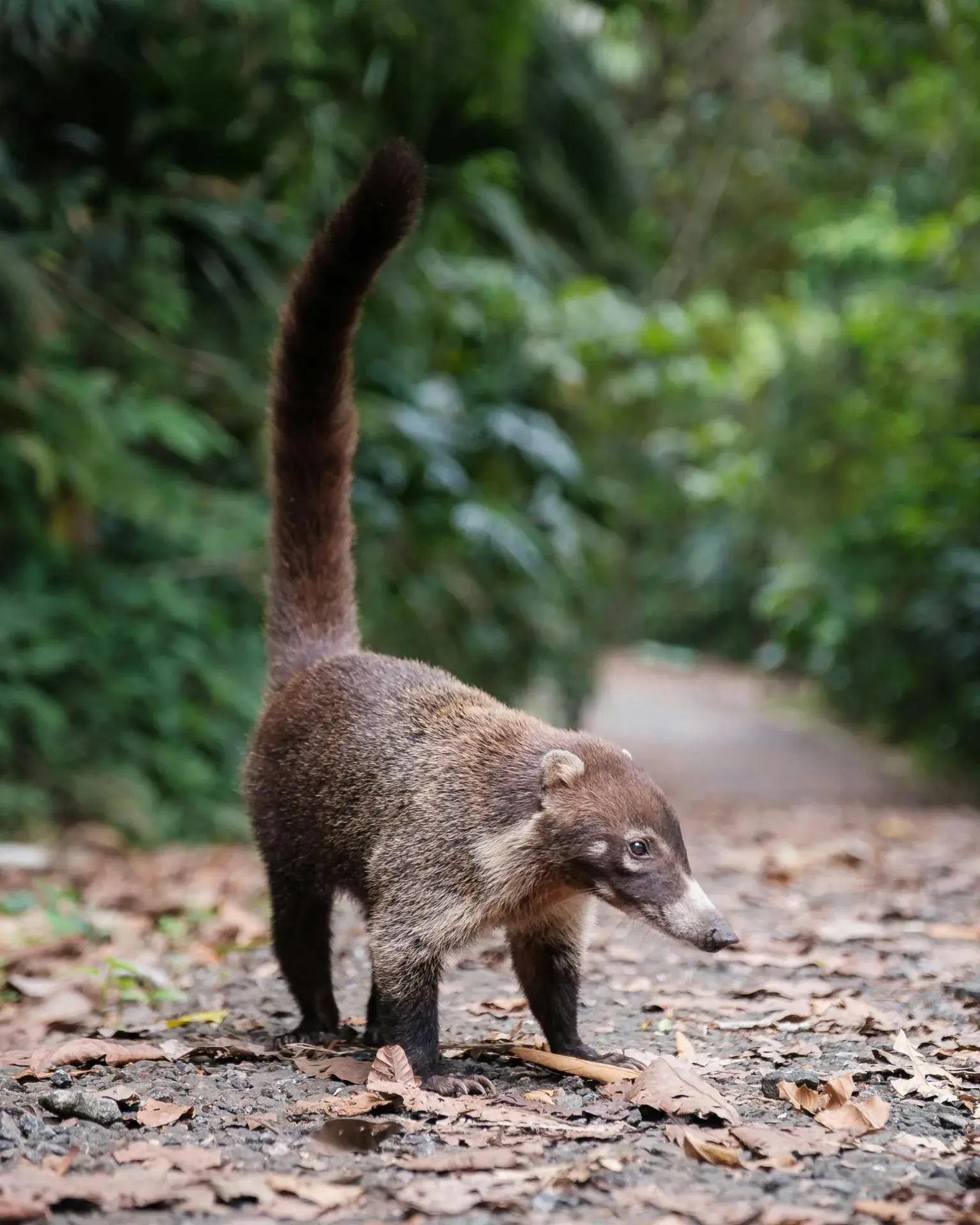
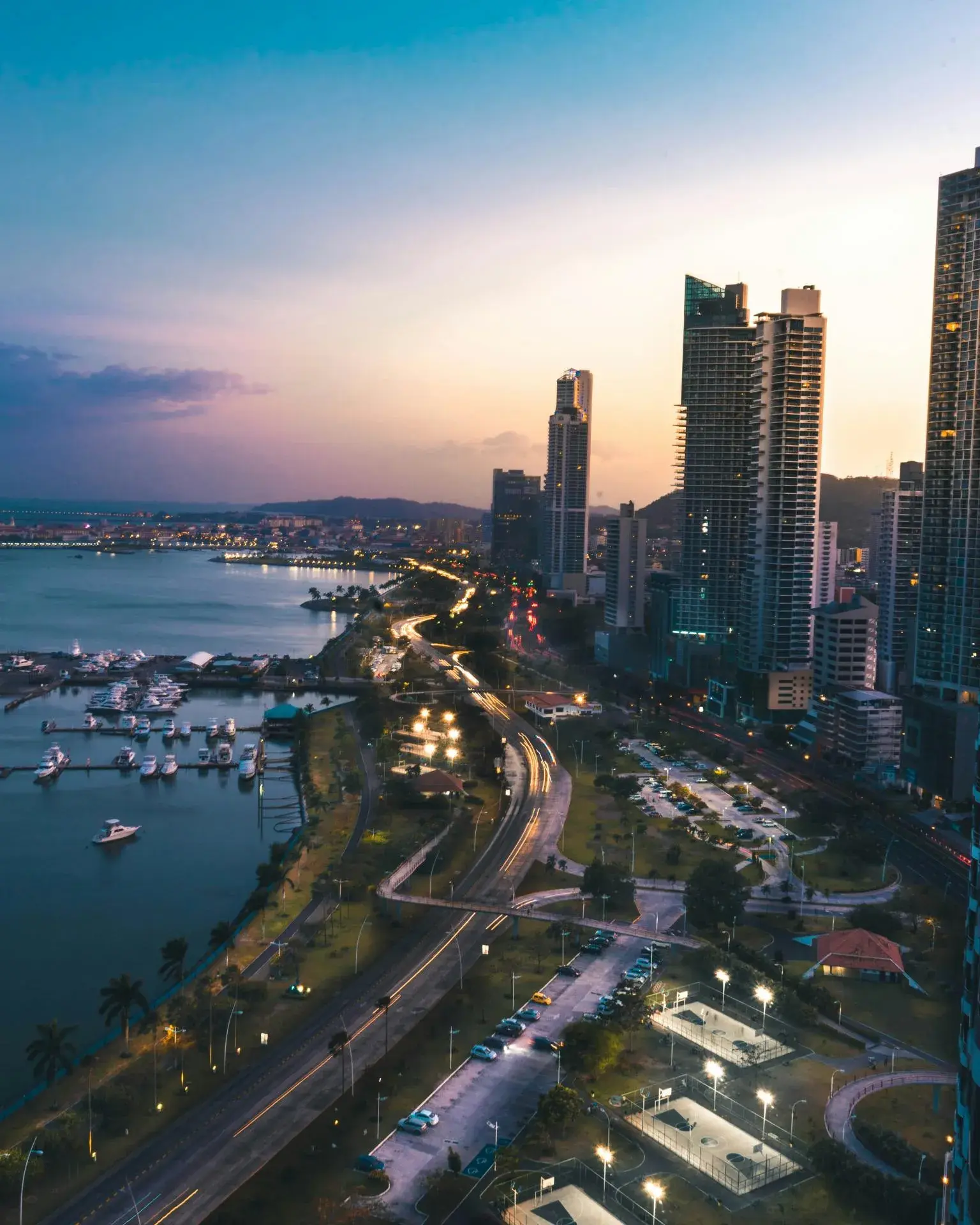
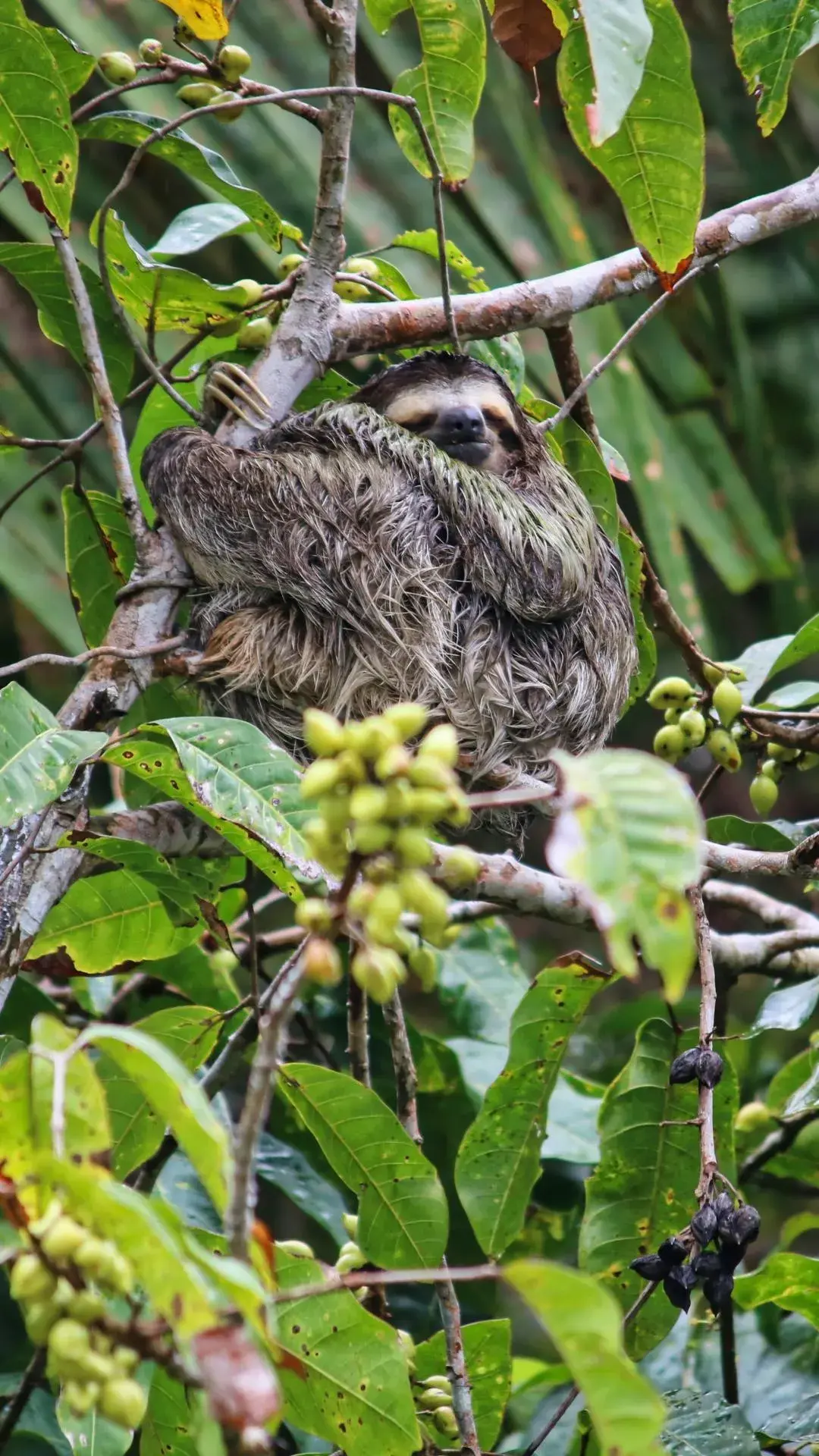
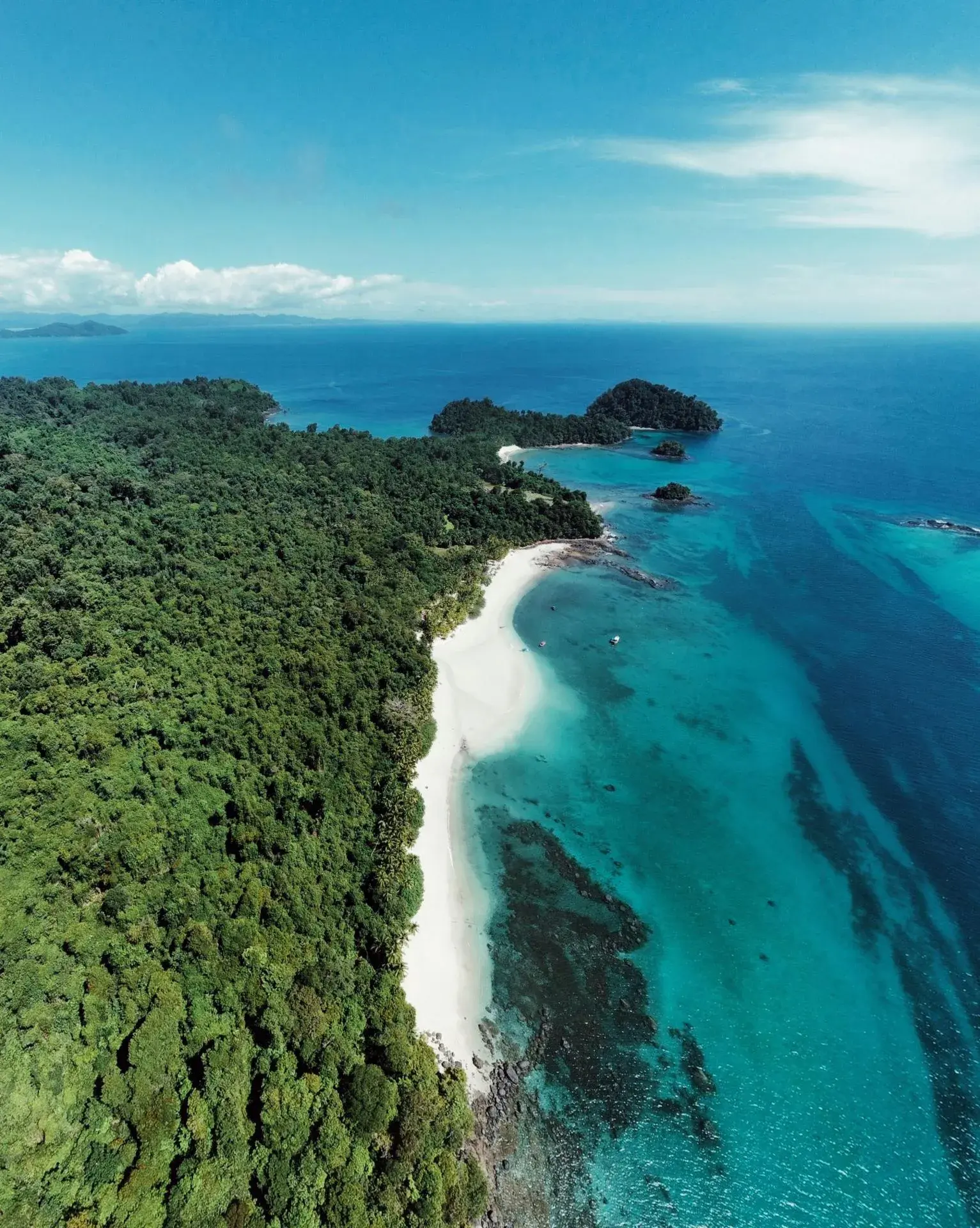
As narrow as it is, Panama is multifaceted; it's dense rainforests hum with life, colonial streets bustle and sing, and colorful birds soar over islands surrounded by crystal cerulean waters.
Overview
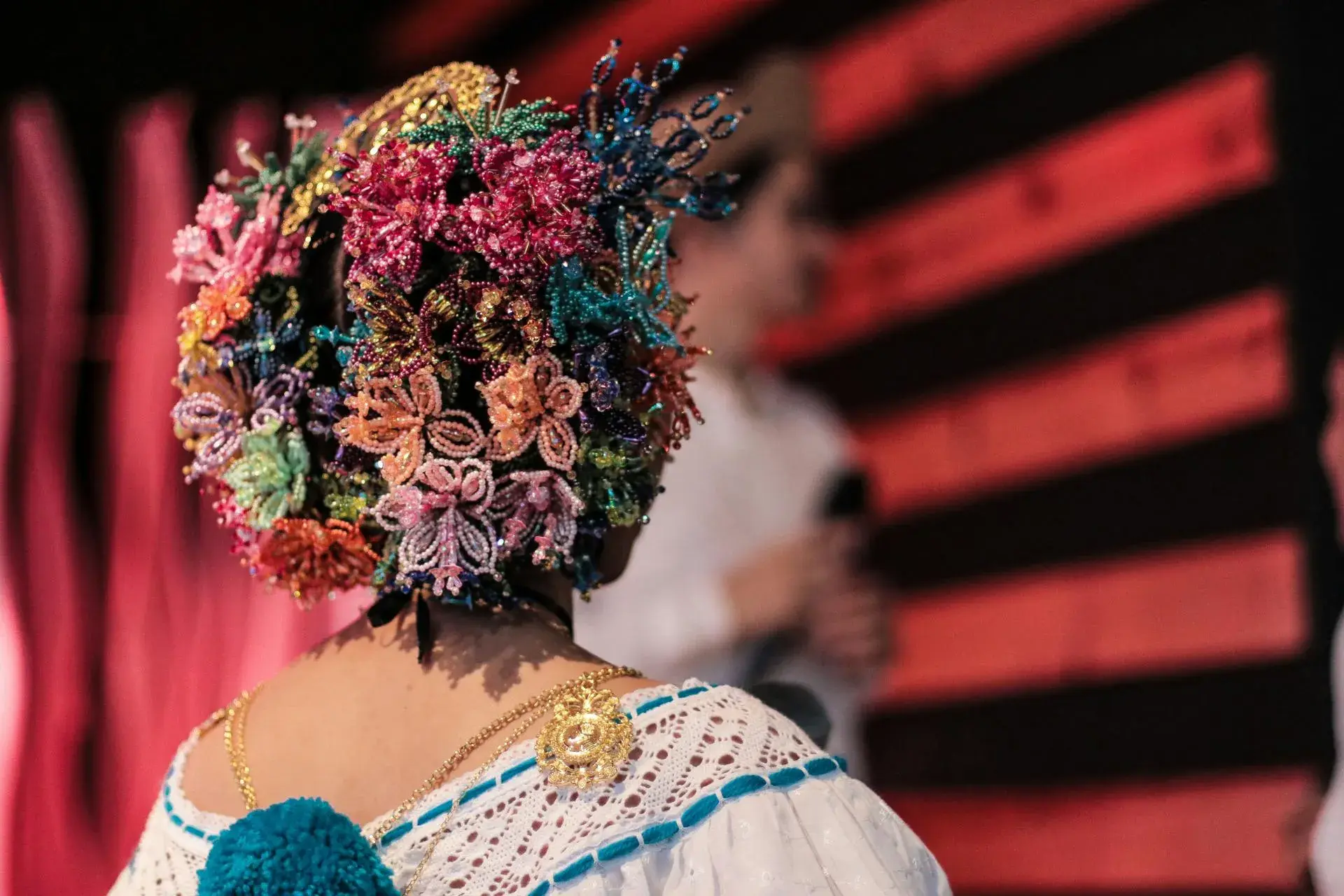
Shaped by centuries of trade and exploration, Panama has long served as a natural crossroads between oceans and continents, from early indigenous civilizations to Spanish colonial routes and the construction of the Panama Canal. Beyond its legendary canal, the country reveals a diverse landscape rich in wildlife and recognized as one of the world’s top destinations for birdwatching, with over 970 species. Equally compelling are its indigenous cultures, which remain deeply rooted and accessible. Panama City serves as Central America’s financial hub, yet just beyond it, beaches, mountains, and rainforests unfold, offering both cultural depth and natural variety.
74,340 sq km (28,702 sq mi), or slightly smaller than South Carolina
Colombia & Costa Rica
Spanish (official), English, Ngäbere, Guna, and Emberá
Suggested Journeys
Featured Properties
When to Travel
Panama is a year-round destination, with a tropical climate where temperatures remain fairly consistent. The main difference between seasons is rainfall rather than temperature.
The dry season runs from December through April and is generally the best time to visit, with sunny days, lower humidity, and ideal conditions for exploring cities, beaches, and outdoor areas. This is also the most popular travel period.
The green season lasts from May through November, bringing more frequent rain, usually in the afternoon. Mornings are often clear, and the landscapes are especially lush. Travel is still very possible, with fewer crowds and a more vibrant natural setting.
Regional variation exists. The Pacific side is driest from December to April, while the Caribbean coast can experience rain throughout the year, though often with short, passing showers. Temperatures typically range between 24–32°C (75–90°F) in most areas, with slightly cooler conditions in the highlands.
Important Holidays/Events
Carnival – February or March (dates vary)
One of the country’s biggest celebrations, especially in Panama City and Las Tablas. Expect parades, music, water festivities, and large crowds. It is a lively and colorful time to visit, though accommodations and transportation should be booked well in advance.
Semana Santa (Holy Week) – March or April
A major religious holiday observed nationwide. Many locals travel during this period, which can lead to busy roads and limited availability. Coastal areas can be crowded, but it is also a culturally meaningful time to experience traditions.
Independence Celebrations – November (multiple dates throughout the month)
Panama celebrates several historic milestones in November, with parades, music, and national pride on display. Cities and towns become festive, making it an engaging time to visit, though some services may be limited on official holidays.
Travel highlights
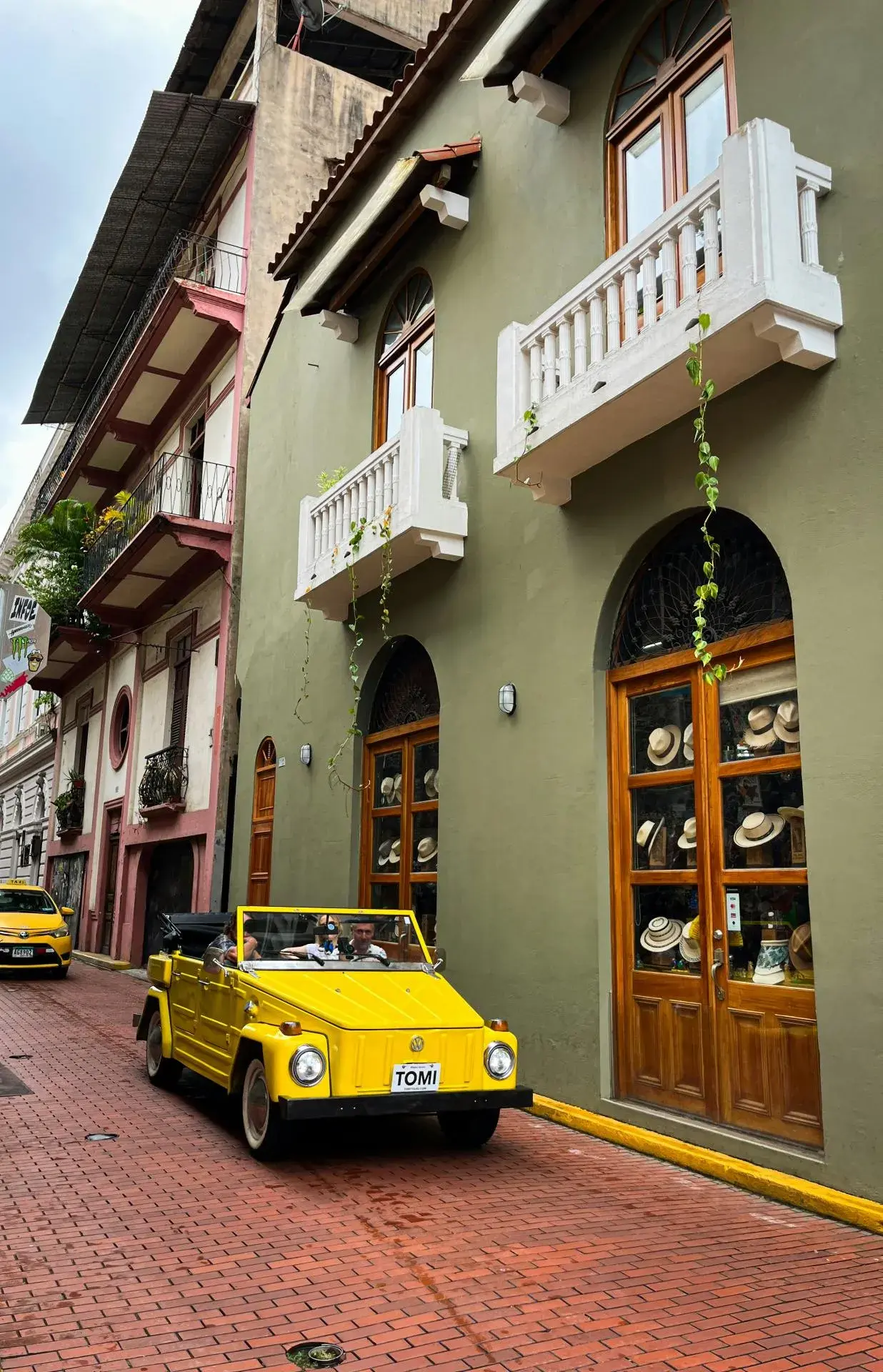
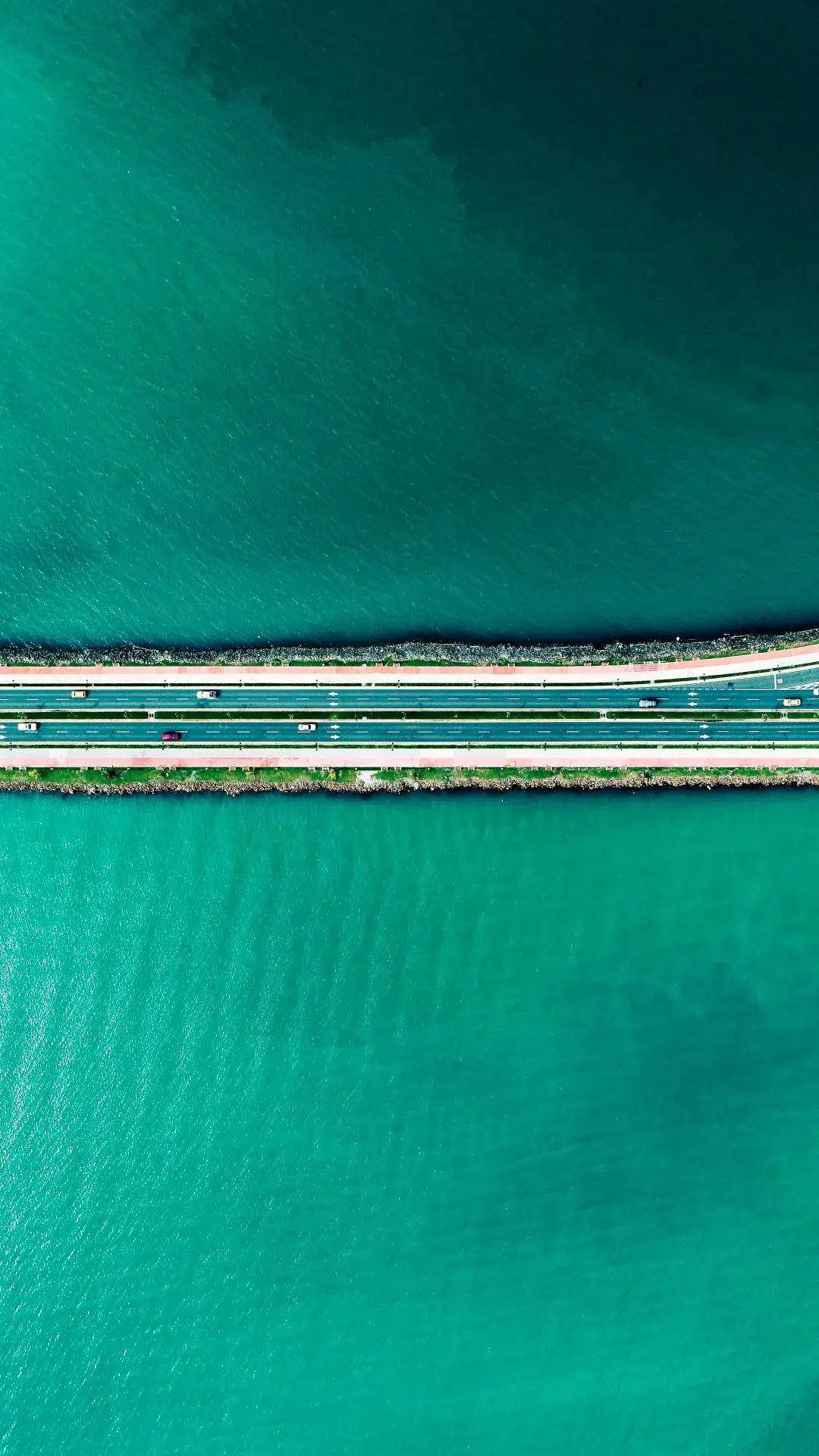
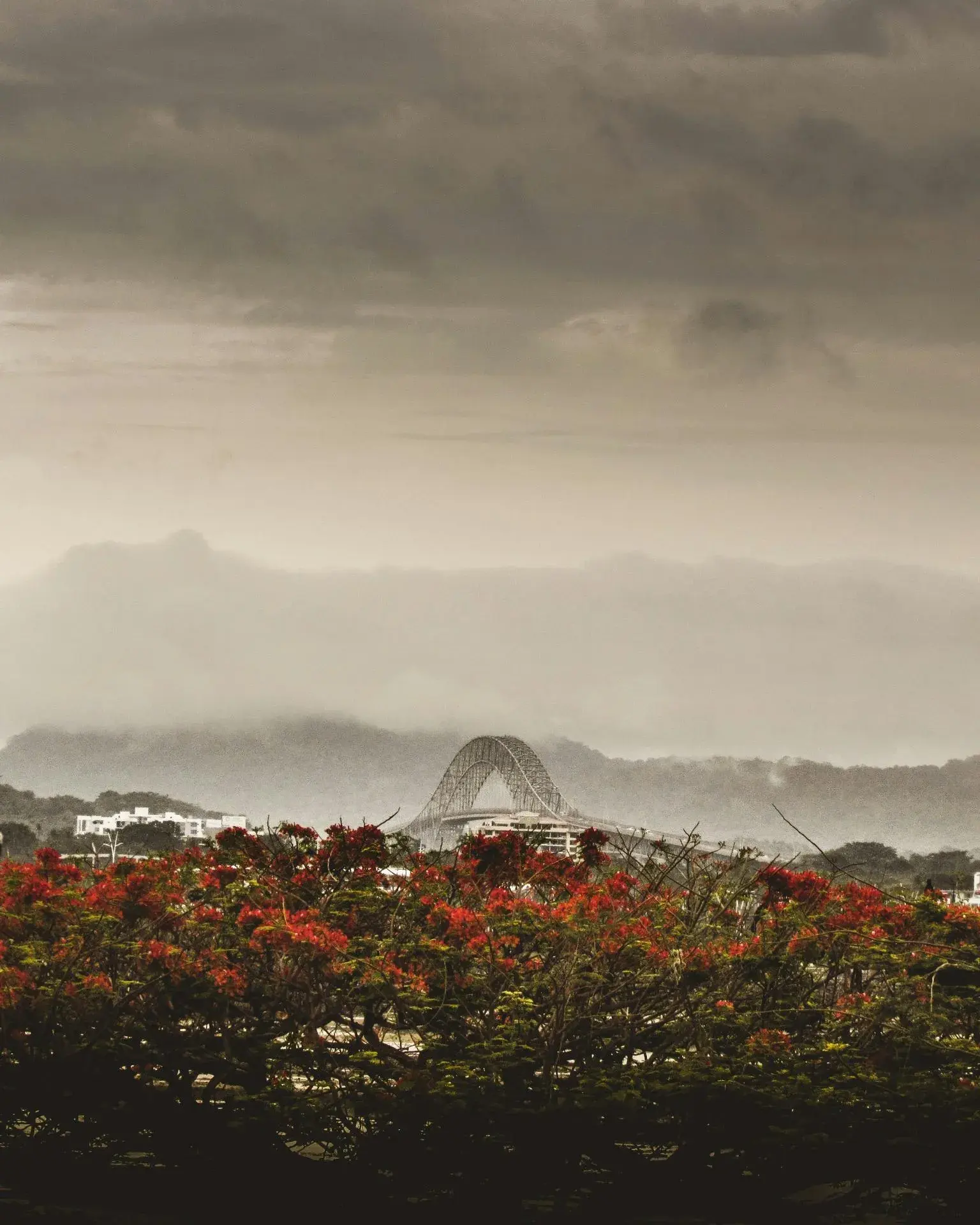
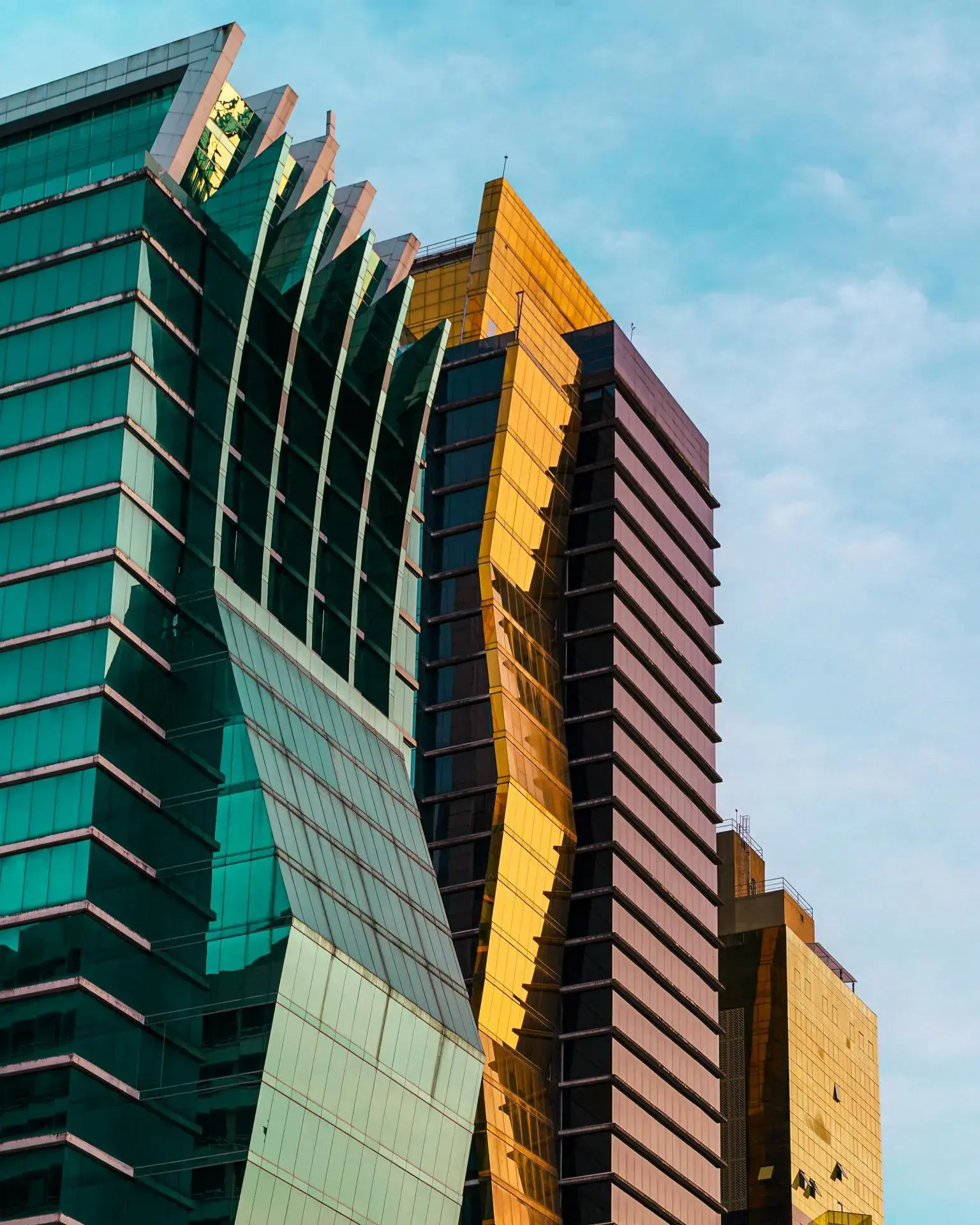
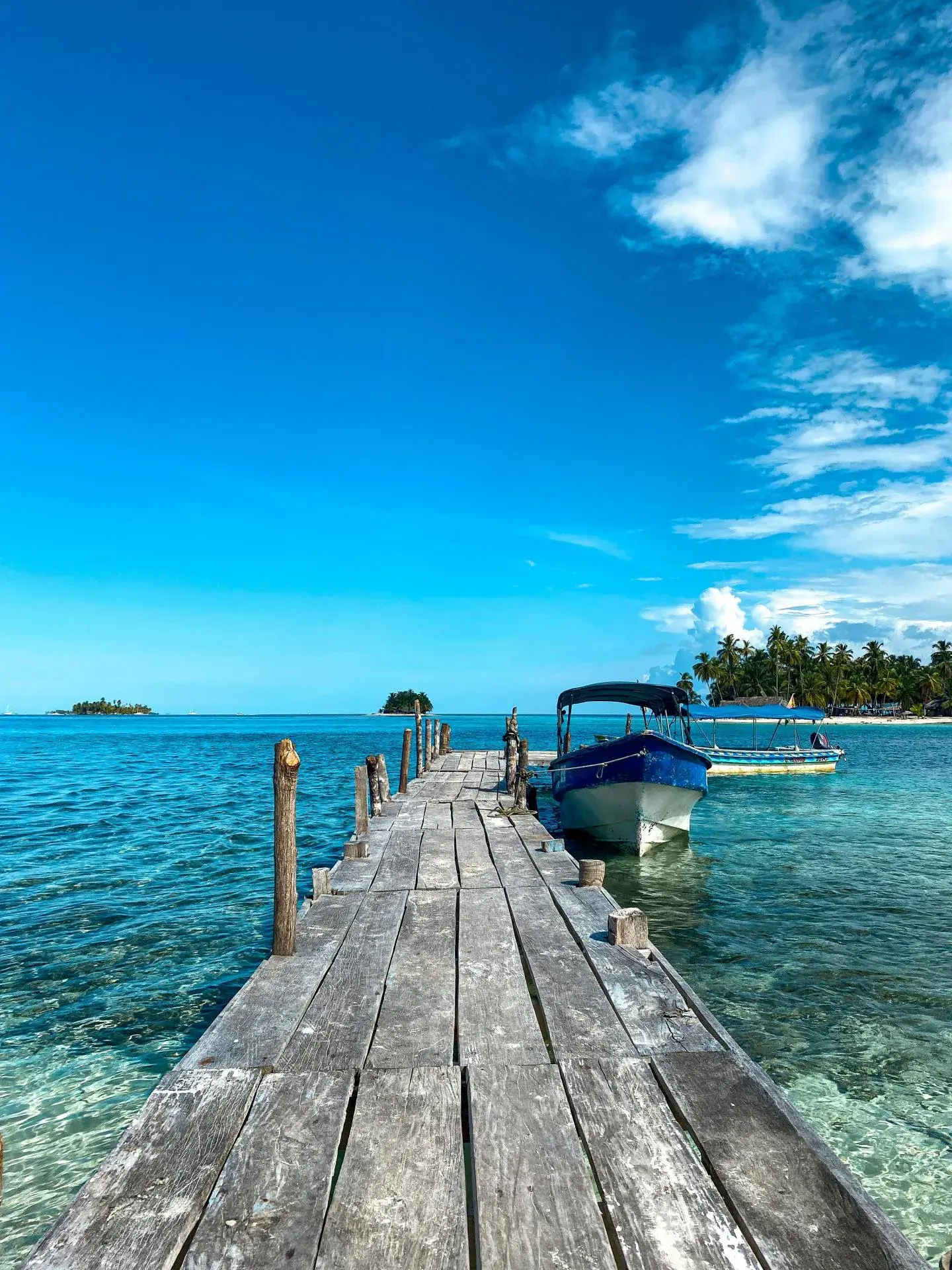
Ships move steadily through the Panama Canal, a narrow passage cutting between oceans, while just beyond, the skyline of Panama City rises above the sea. In Casco Viejo, restored facades open onto plazas where history lingers in every corner. Offshore, the San Blas Islands stretch into clear water, their white sands untouched and quiet. In the highlands, Boquete’s green valleys and coffee farms sit beneath misty peaks, offering cooler air and open views. Along the Caribbean, Bocas del Toro drifts between islands and reefs, while nearby rainforest shelters dense wildlife and winding jungle paths.
Things to consider
-
Panama’s tropical climate calls for lightweight, breathable clothing such as cotton or linen. In coastal and lowland areas, it is warm and humid year-round, while higher elevations like Boquete can be cooler, especially in the evenings, so a light jacket is useful. Comfortable walking shoes are recommended for city streets and nature excursions. A rain jacket or umbrella is helpful, particularly during the rainy season.
-
No mandatory vaccinations are required unless arriving from a yellow fever area. Travelers are generally advised to be up to date on routine vaccinations such as tetanus and hepatitis A. Typhoid may also be recommended depending on travel plans. It is best to consult a healthcare provider before departure.
-
The currency is the Panamanian Balboa (PAB), which is tied 1:1 to the US Dollar (USD), and US dollars are used widely in everyday transactions. Credit cards are accepted in most hotels, restaurants, and shops. ATMs are widely available in cities and towns.
-
Panama is generally considered safe, especially in Panama City and well-visited areas. Basic precautions are recommended, such as keeping valuables secure and using registered transportation. Some remote areas may require additional awareness, so following local guidance is advised.
-
Tap water is generally safe to drink in Panama City and most urban areas, but bottled water is recommended in remote regions. Panamanian cuisine is fresh and varied, often featuring seafood, rice, tropical fruits, and local flavors. Food in established restaurants is generally safe, and local markets offer a wide variety of fresh produce.
Entry requirements:
US and Canadian citizens must have a passport valid for at least three months beyond entry (six months is recommended). No visa is required for tourist stays of up to 90 days. Travelers are typically asked to show proof of onward or return travel. In some cases, proof of sufficient funds may be requested. Requirements can change, so it is advisable to verify details prior to departure.