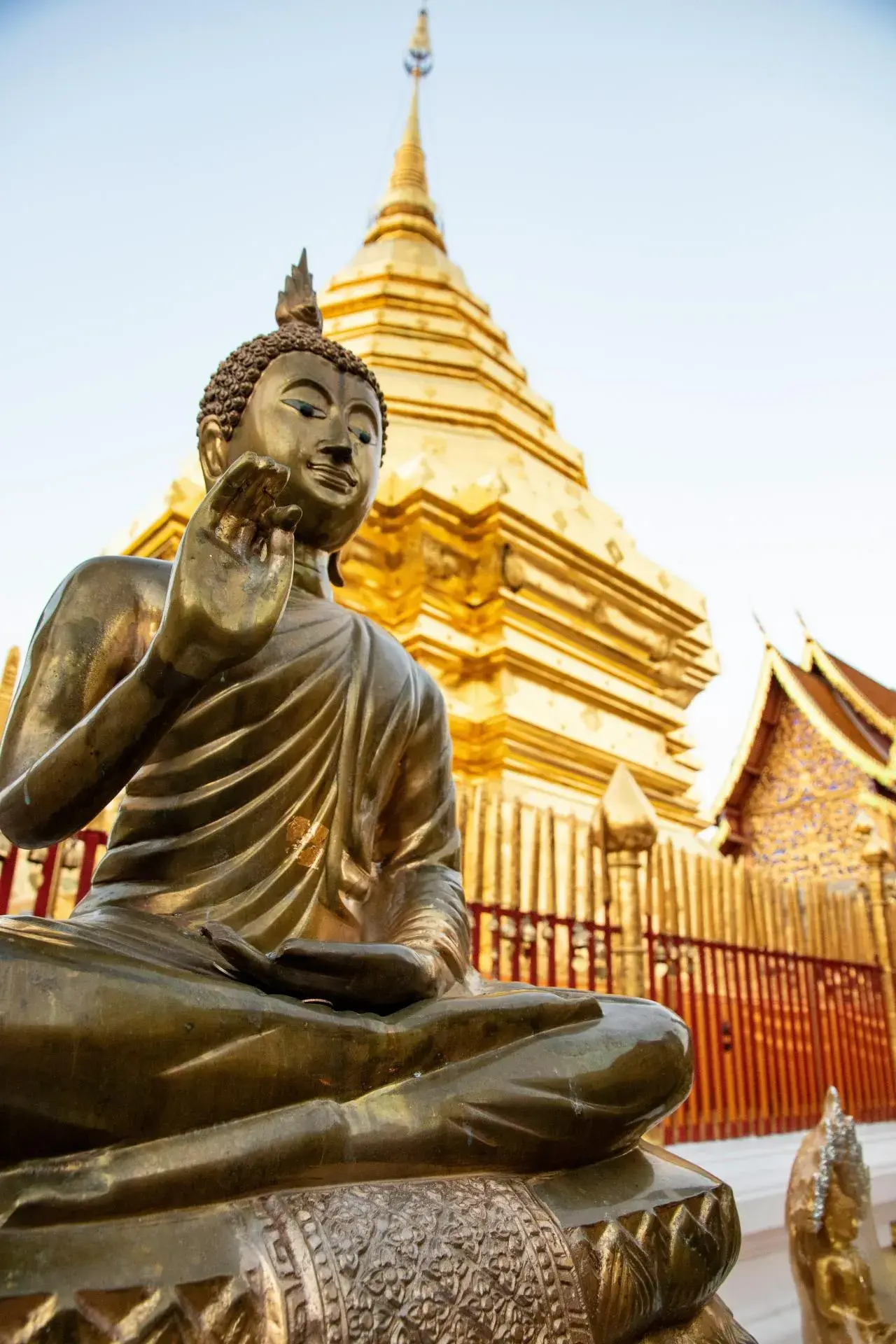
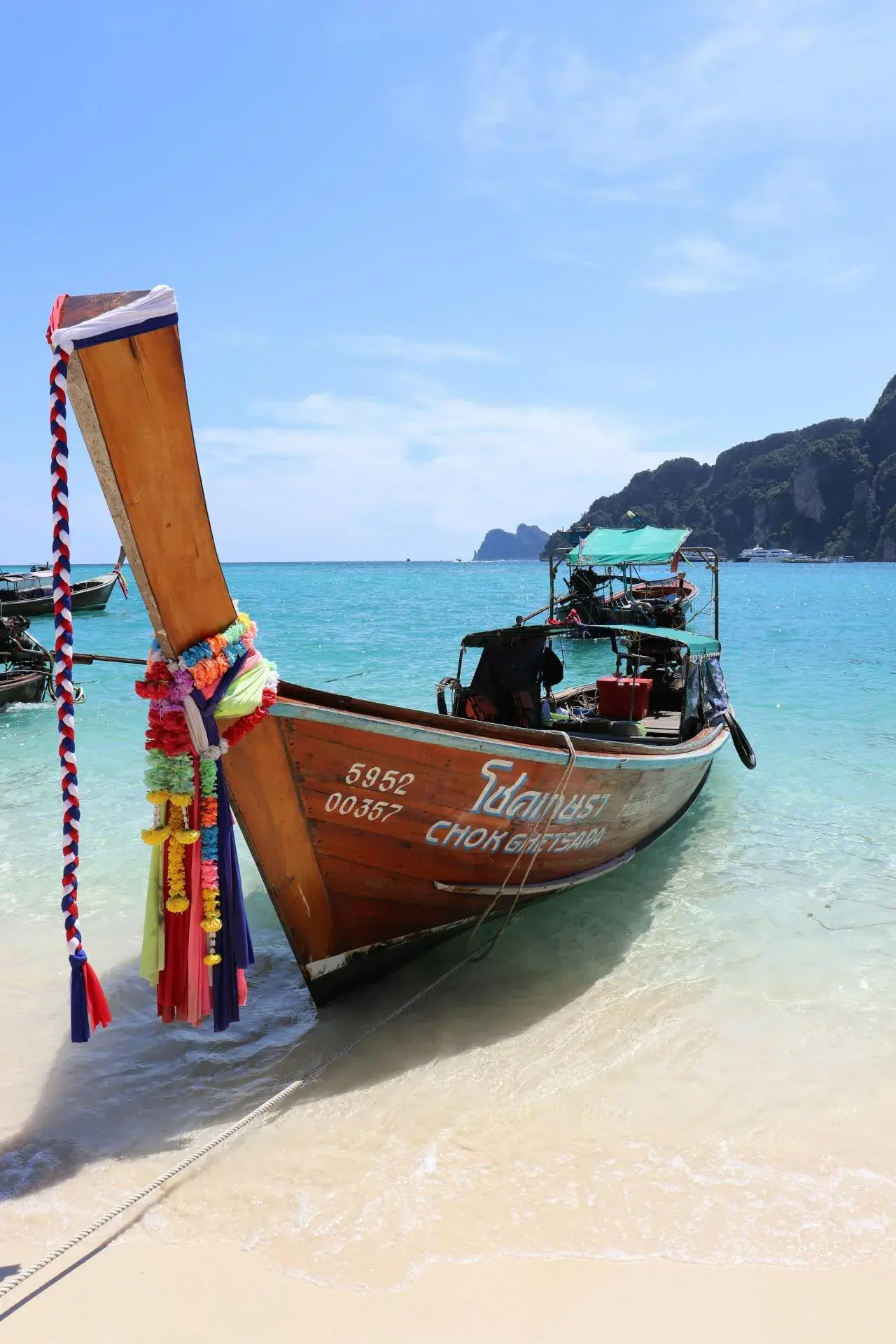
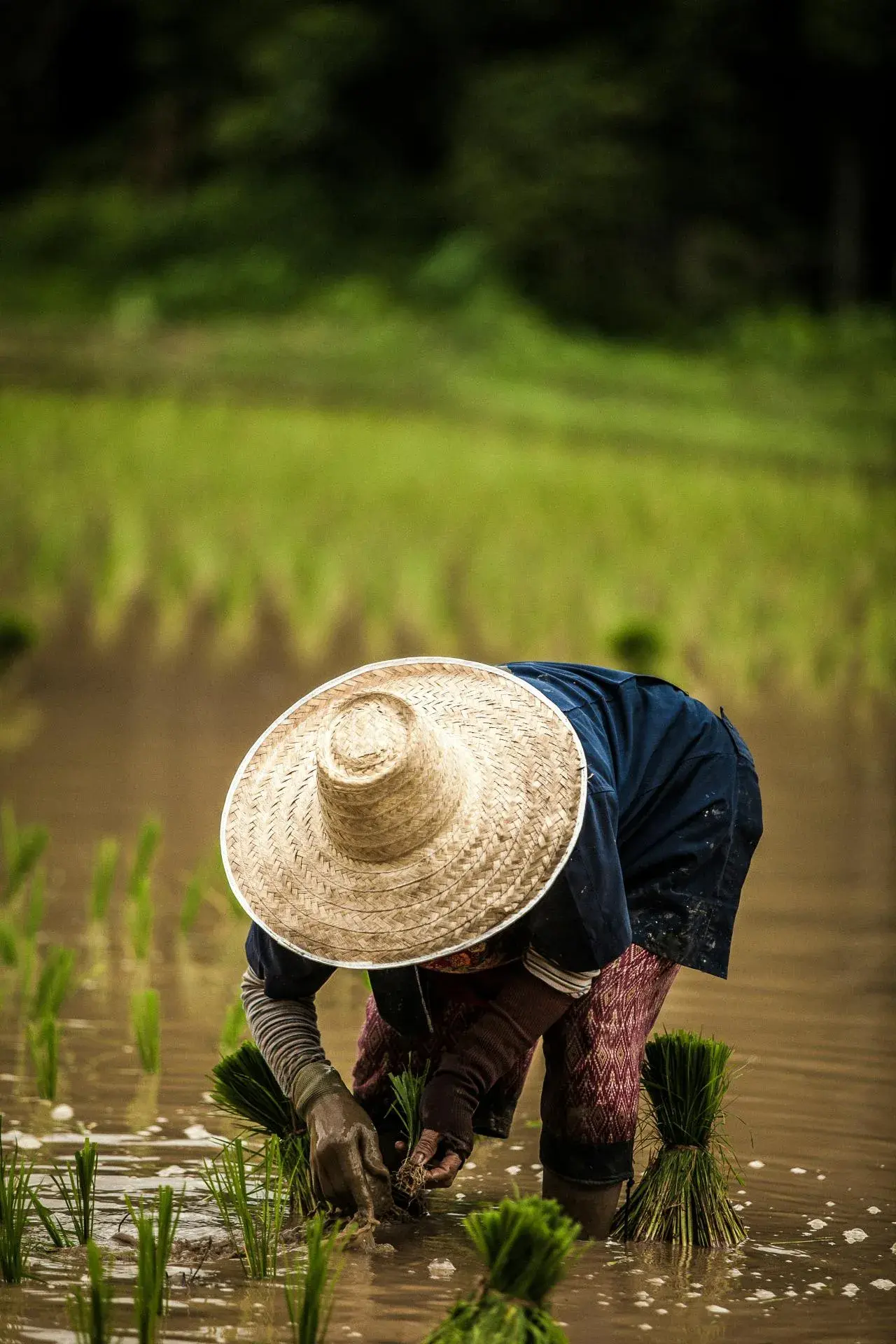
Across Thailand, tropical beaches, densely forested mountains, and fertile plains are complemented by a sprinkling of ornate temples that reveal artistic customs shaped by centuries of Buddhist influence.
Overview
Thailand, historically known as Siam, was shaped by powerful kingdoms such as Sukhothai and Ayutthaya, which established the foundations of Thai culture, art, and Theravada Buddhism. Unlike many of its neighbors, Thailand was never colonized, allowing it to preserve its identity while adapting to regional influences from India and China. After transitioning into a modern constitutional monarchy in the 20th century, the country continued to evolve while maintaining strong traditions.
Today, Thailand offers a dynamic blend of heritage and landscape, from ornate temples and royal cities to tropical islands, lush countryside, and vibrant urban centers, where culture, cuisine, and warm hospitality create a deeply engaging, life changing experience.
198,116.74 sq miles, or about three times the size of Florida and slightly over twice the size of Wyoming
Burma, Cambodia, Laos, Malaysia.
Thai (official), English, Chinese, and Malay
Suggested Journeys
Featured Properties
When to Travel
The best time to visit Thailand is from November to February, when the weather is dry and temperatures are more comfortable. In the far north, evenings can become quite cool, especially in higher elevations. From March to June, temperatures often exceed 38°C (100°F), with little rain but intense heat. The rainy season generally runs from late June through October, bringing frequent afternoon showers and higher humidity. This period is quieter for tourism, with lower hotel rates and fewer crowds.
Thailand’s southern beaches are influenced by two separate monsoon patterns, allowing for year-round coastal travel. From January to September, the Gulf islands such as Koh Samui and Koh Phangan tend to have sunnier conditions. From October to April, the Andaman coast, including Krabi and Khao Lak, typically offers the best beach weather.
Travel highlights
Thailand offers an extraordinary mix of culture, cuisine, and landscape. Explore glittering temples and vibrant street life in Bangkok, wander ancient ruins in Sukhothai, and discover mountain villages near Chiang Mai. Relax on white-sand beaches in Phuket or Koh Samui, cruise limestone karsts in Phang Nga Bay, and savor world-renowned Thai cuisine. From golden temples to tropical islands, Thailand blends tradition, nature, and warm hospitality into one unforgettable journey.
Things to consider
-
Lightweight, breathable clothing is ideal year-round. Choose cotton or linen for hot months. Modest attire is required when visiting temples, covering shoulders and knees. A light sweater is useful for cooler northern evenings (November–February). Comfortable walking shoes and sandals are recommended. For beach destinations, pack swimwear and sun protection.
-
No vaccines are required for entry into Thailand. Routine immunizations should be up to date. Hepatitis A is commonly recommended, and Hepatitis B or Typhoid may be advised depending on travel style. Consult a healthcare provider before departure.
-
The currency is the Thai Baht (THB). Credit cards are widely accepted in cities, hotels, and larger restaurants, but cash is preferred in markets and smaller towns. ATMs are widely available.
-
Thailand is generally safe for tourists. Use normal precautions in crowded areas and be mindful of traffic when crossing streets.
-
Drink bottled water rather than tap water. Ice in reputable establishments is typically safe. Thai cuisine is fresh and flavorful; choose busy restaurants and freshly cooked dishes.
Entry requirements:
For citizens of the United States and Canada, travel to Thailand for tourism does not require a visa for stays of up to 30 days when entering by air (or up to 15 days if entering by land). A passport valid for at least 6 months beyond your date of arrival is required. You may be asked to show proof of onward or return travel and evidence of sufficient funds for your stay. Requirements can change, so verify before departure.