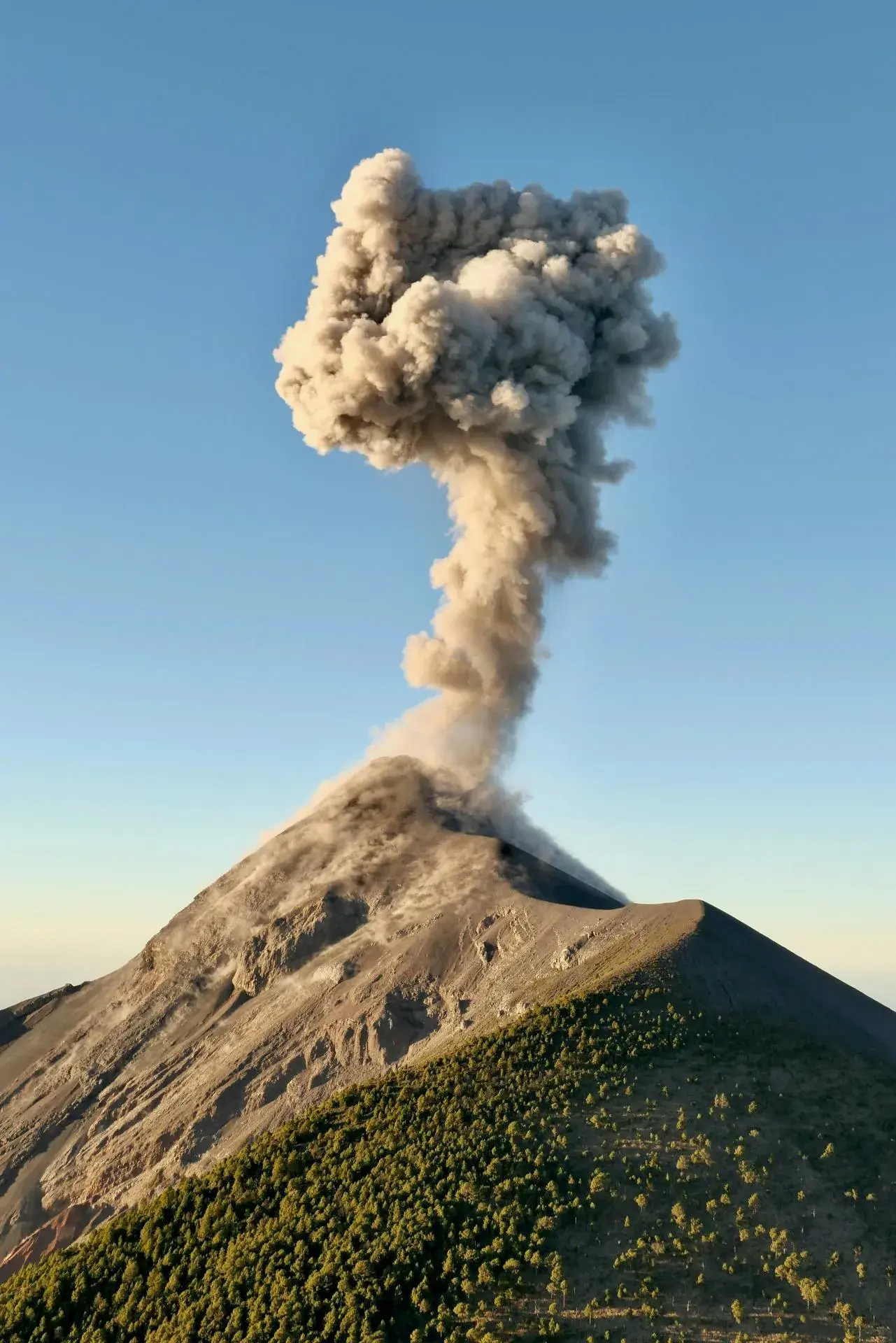
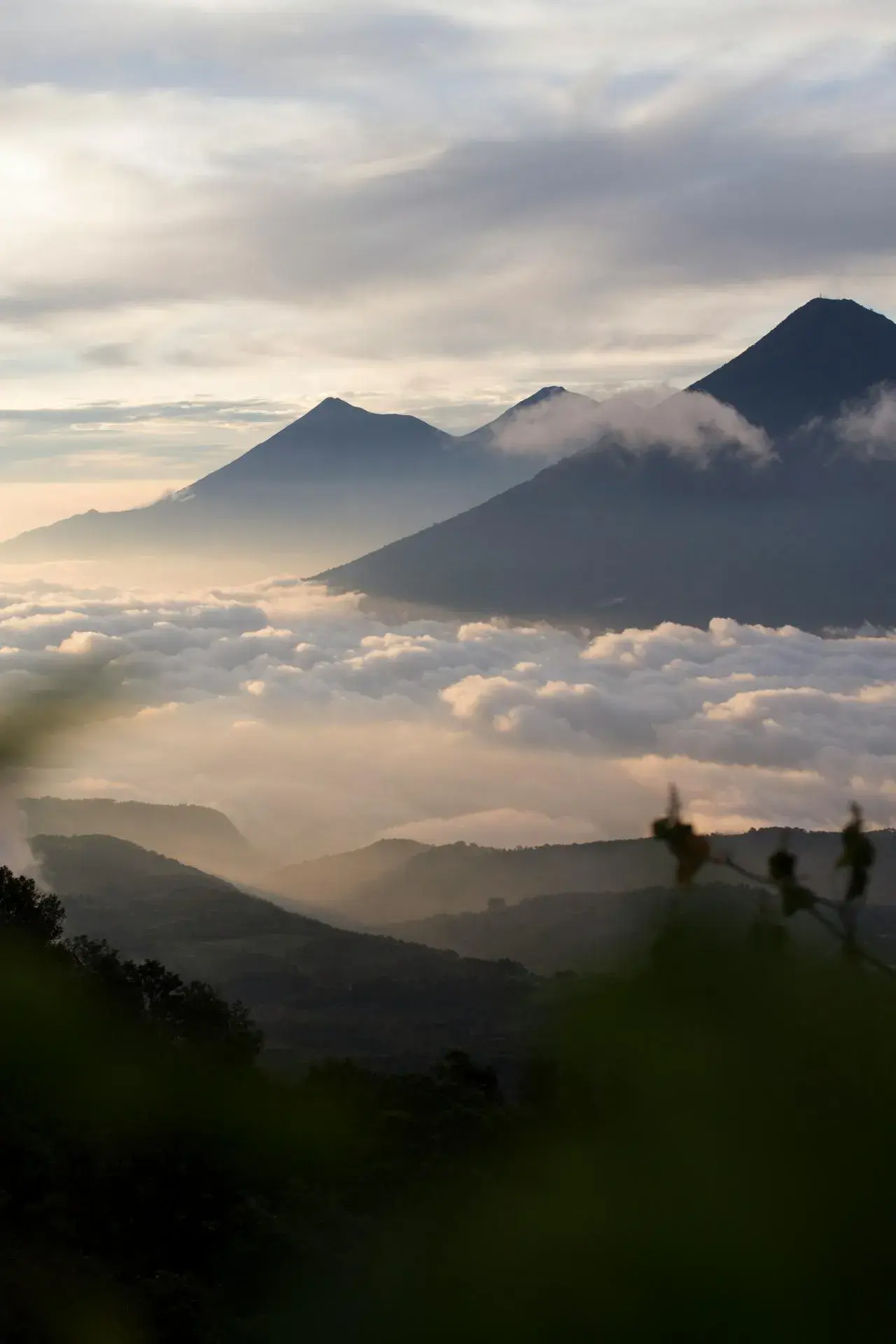
Guatemala is a land where volcanoes rise above cobblestone towns, ancient temples emerge from the jungle, and markets are decorated with textiles woven from threads of history.
Overview
Guatemala’s story begins with the ancient Maya civilization, whose cities, temples, and traditions still shape the country’s identity today. Following the Spanish conquest in the 16th century, colonial influence introduced new architecture, language, and religion that blended with indigenous heritage. After gaining independence in the early 19th century, Guatemala experienced periods of political change before emerging in recent decades as a more stable destination. Today, it offers a striking combination of culture and landscape, from highland villages and volcanic scenery to colonial cities and jungle-covered ruins, where strong traditions and vibrant communities remain central to everyday life.
42,000 sq. mi. (about the size of the State of Tennessee or Cuba).
Mexico, Belize, Honduras, El Salvador
Spanish (official), Amerindian languages (including Quiche, Cakchiquel, Kekchi, Mam, Garifuna, and Xinca)
Suggested Journeys
Featured Properties
When to Travel
Guatemala is a year-round destination, with the main variation being between dry and rainy seasons rather than temperature. The best time to visit is during the dry season from November through April, when days are generally sunny, skies are clear, and conditions are ideal for exploring cities, highlands, and archaeological sites.
The rainy season runs from May through October, bringing more frequent showers, typically in the afternoon or evening. Travel is still very possible during this time, and the landscapes are especially green and vibrant, with fewer crowds.
Temperatures vary by elevation. In the highlands, including Antigua and Lake Atitlán, days are mild at around 20–27°C (68–81°F), with cooler evenings. Lower regions such as Tikal and the Petén jungle are hotter and more humid, averaging 25–32°C (77–90°F) year-round.
Semana Santa (Holy Week), usually in March or April, is one of Guatemala’s most important cultural events, especially in Antigua, with elaborate processions and street decorations. It is a remarkable time to visit, though accommodations should be booked well in advance.
Travel highlights
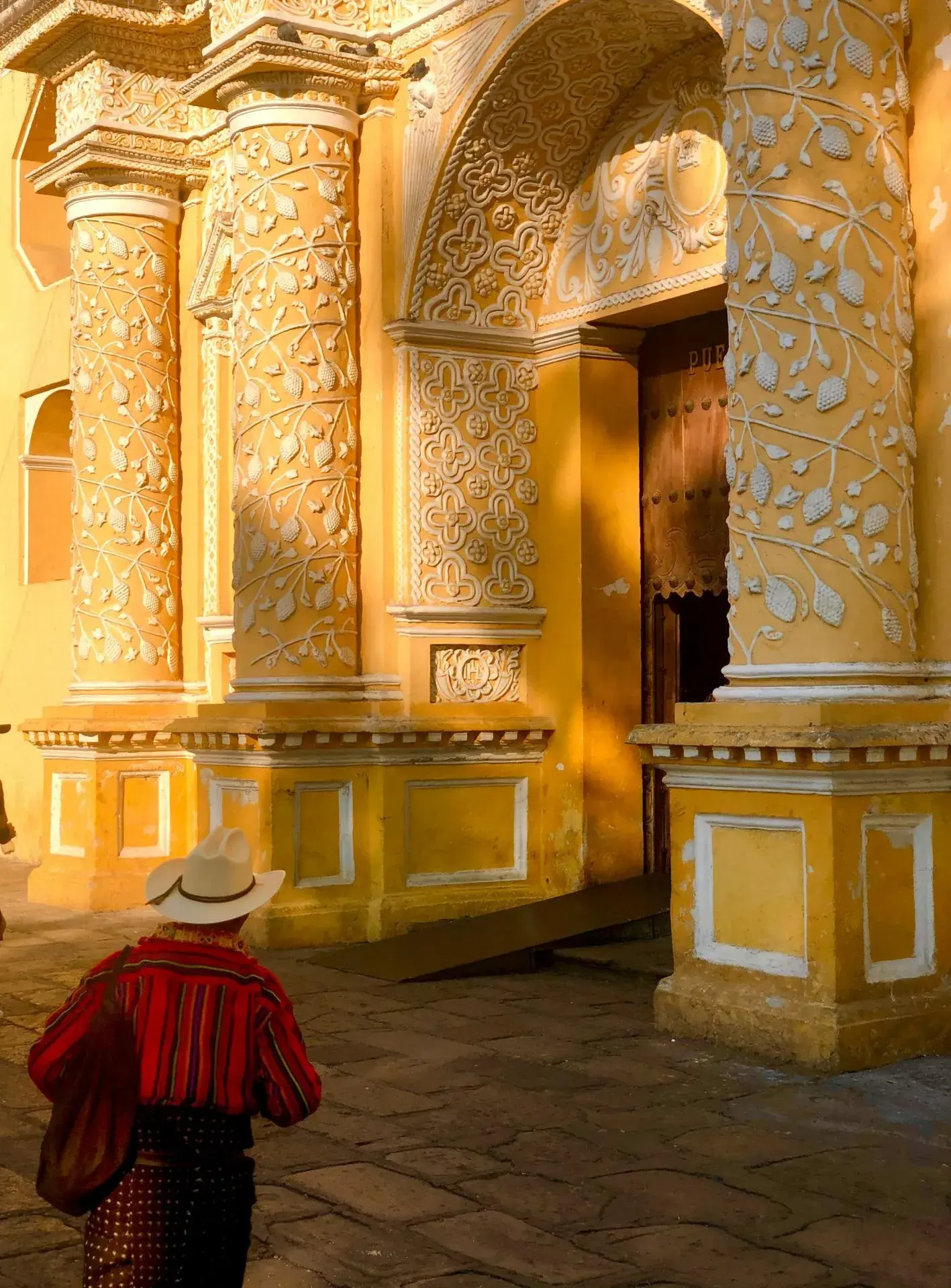
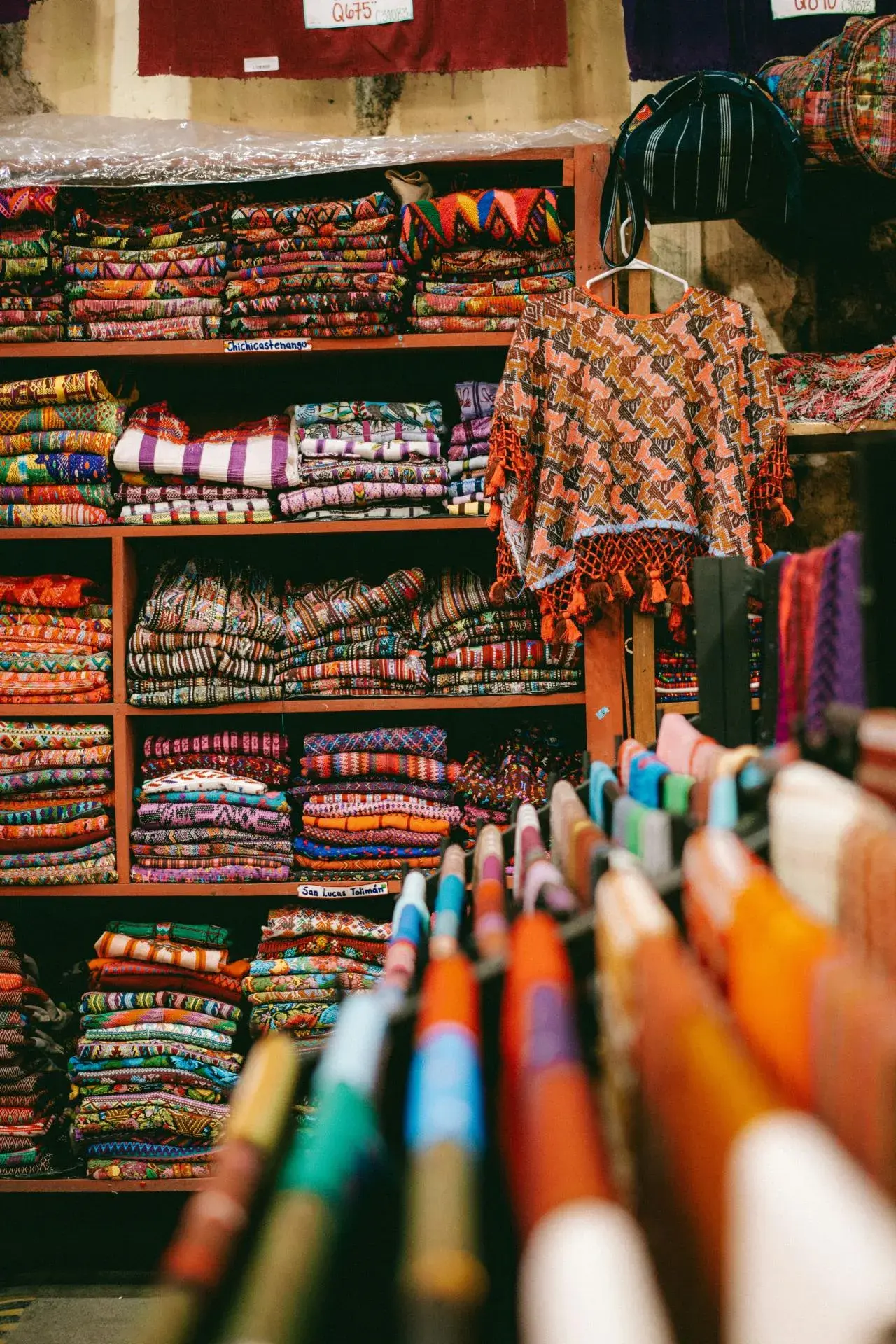
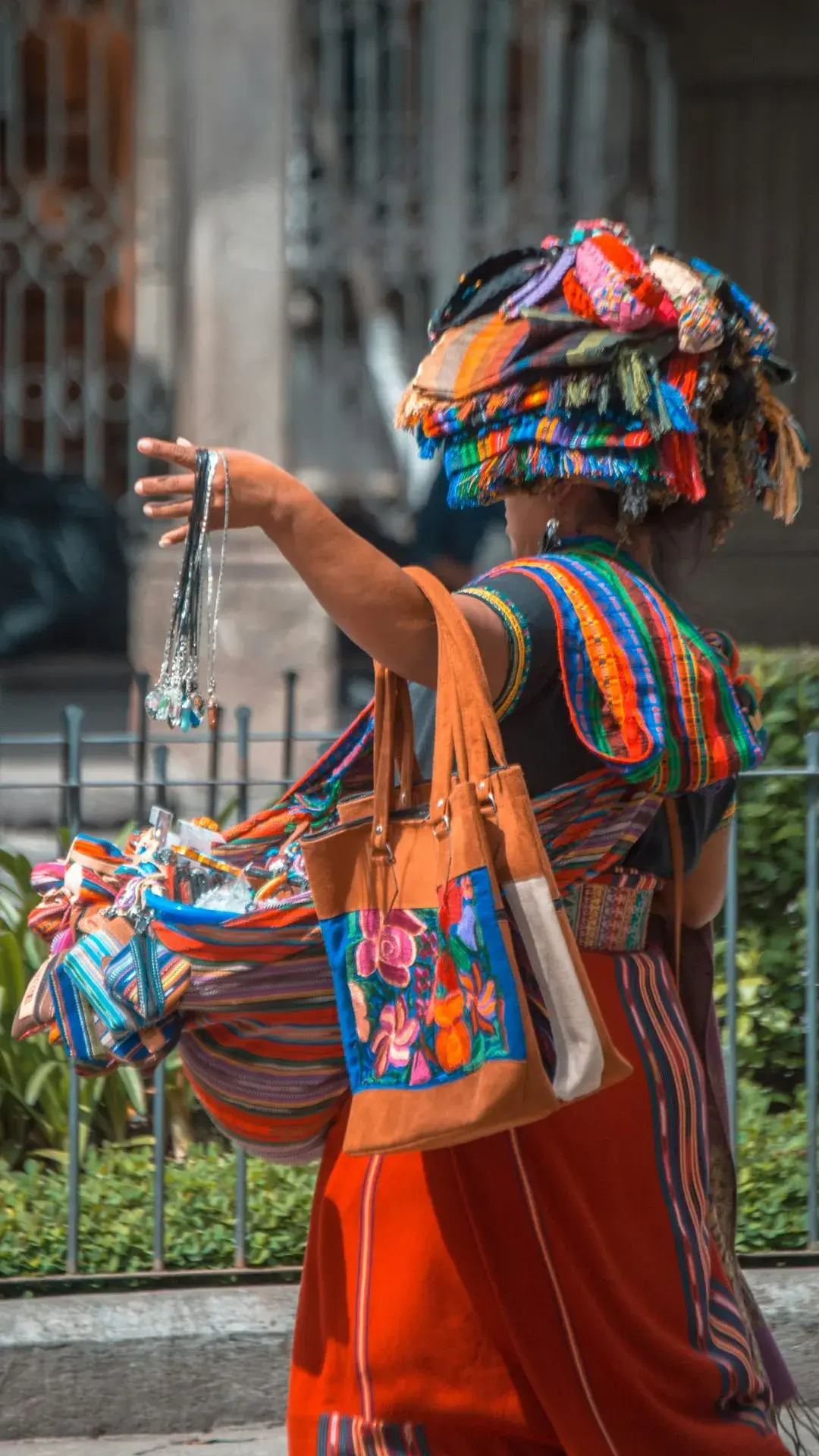
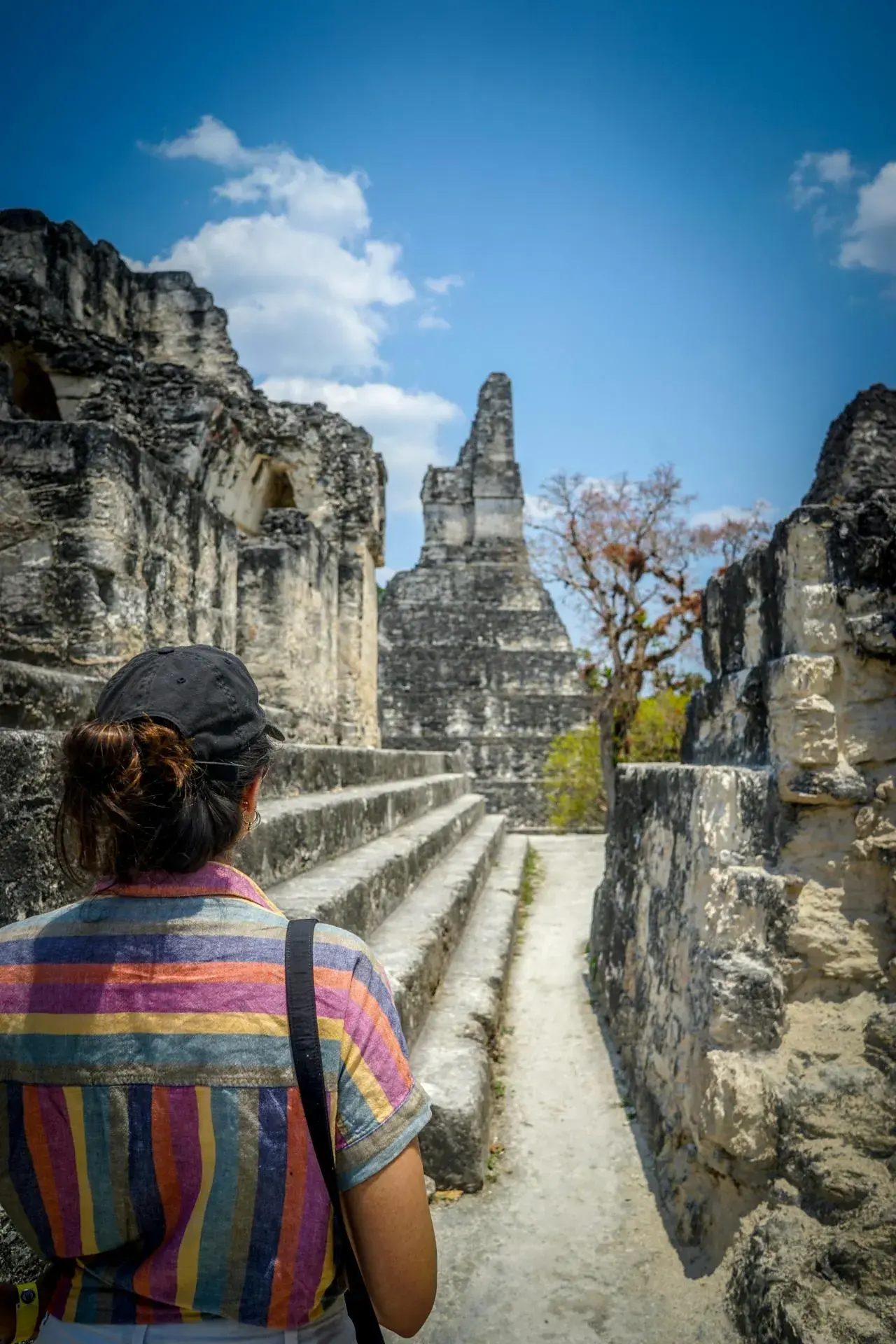
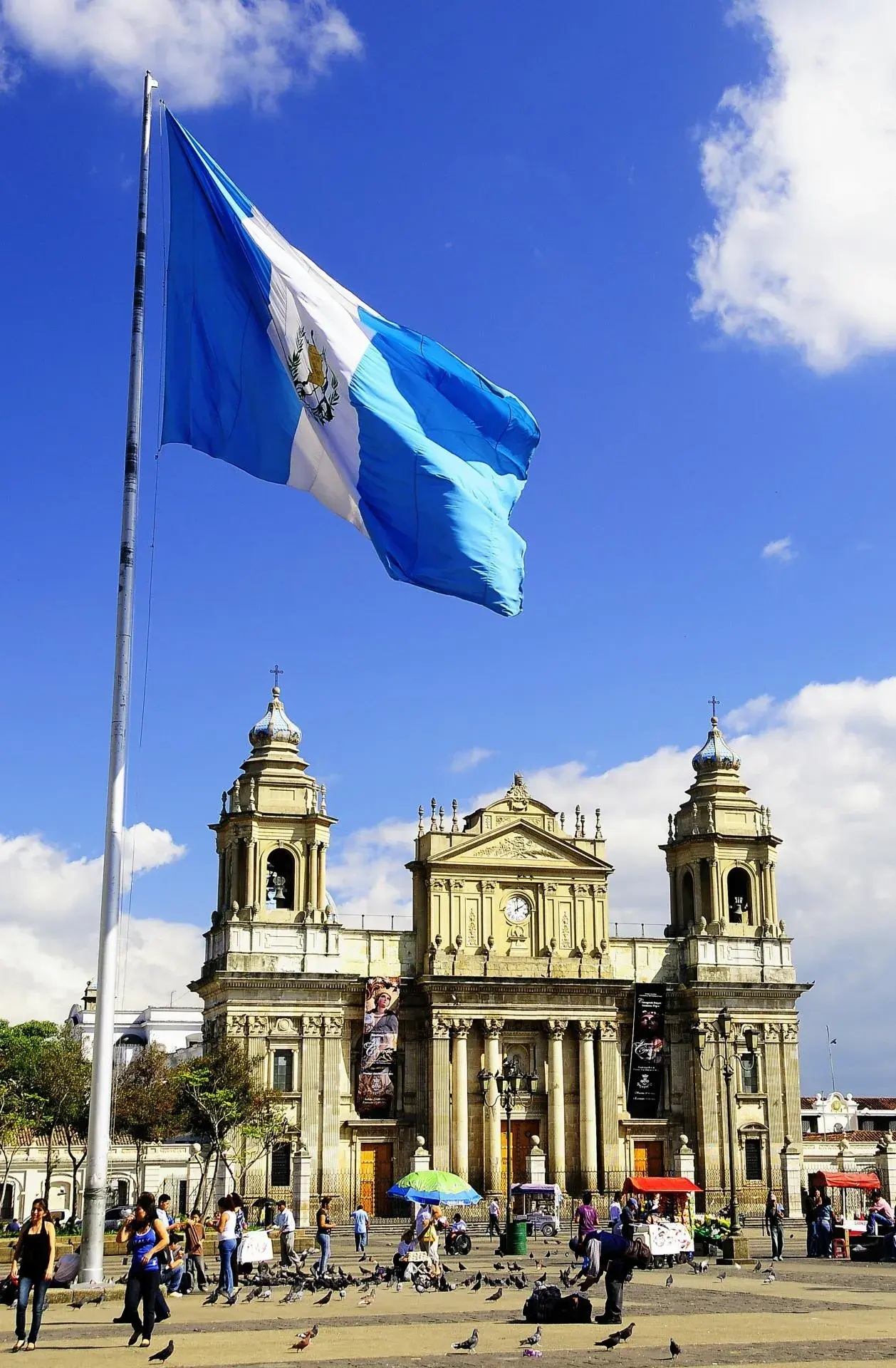
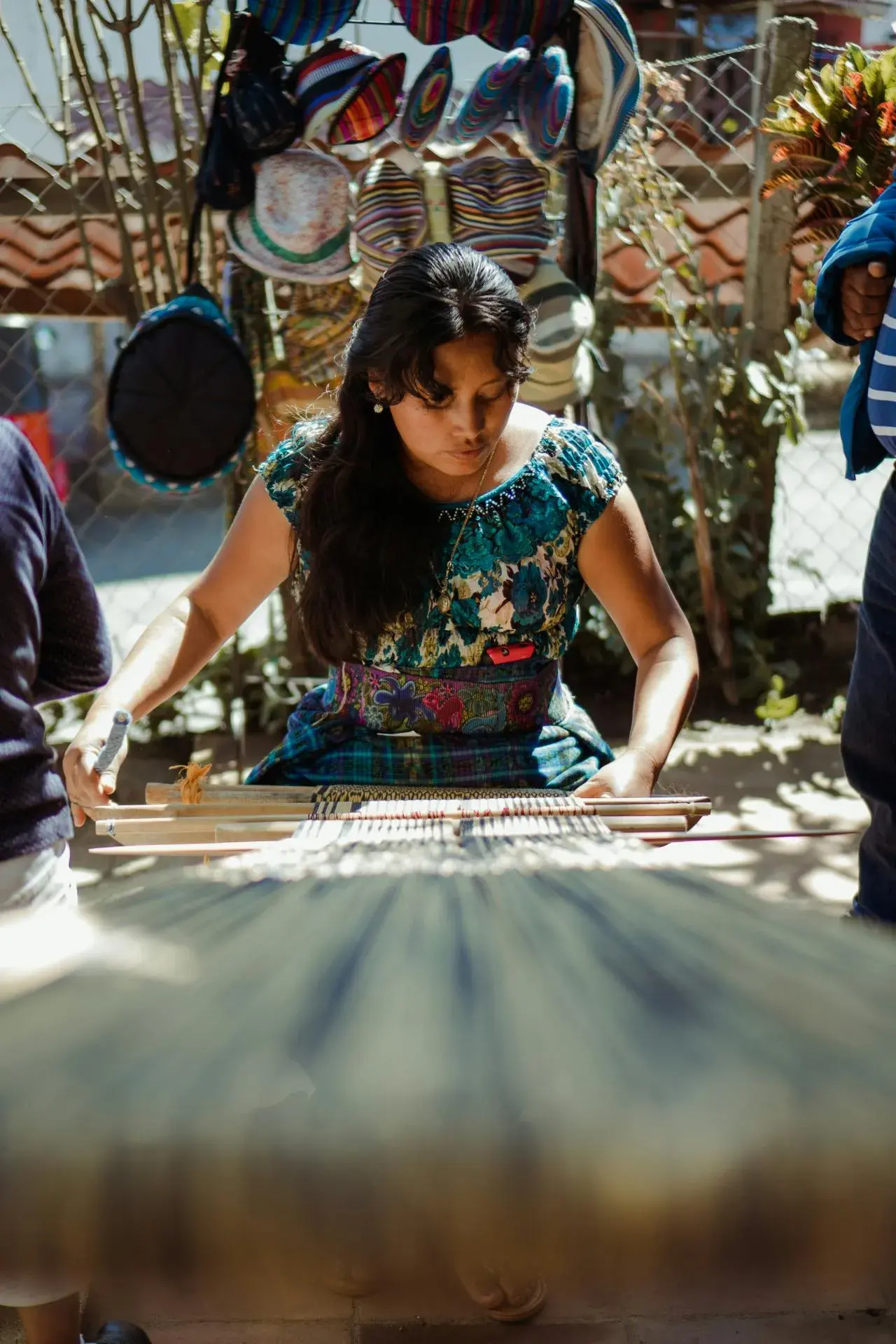
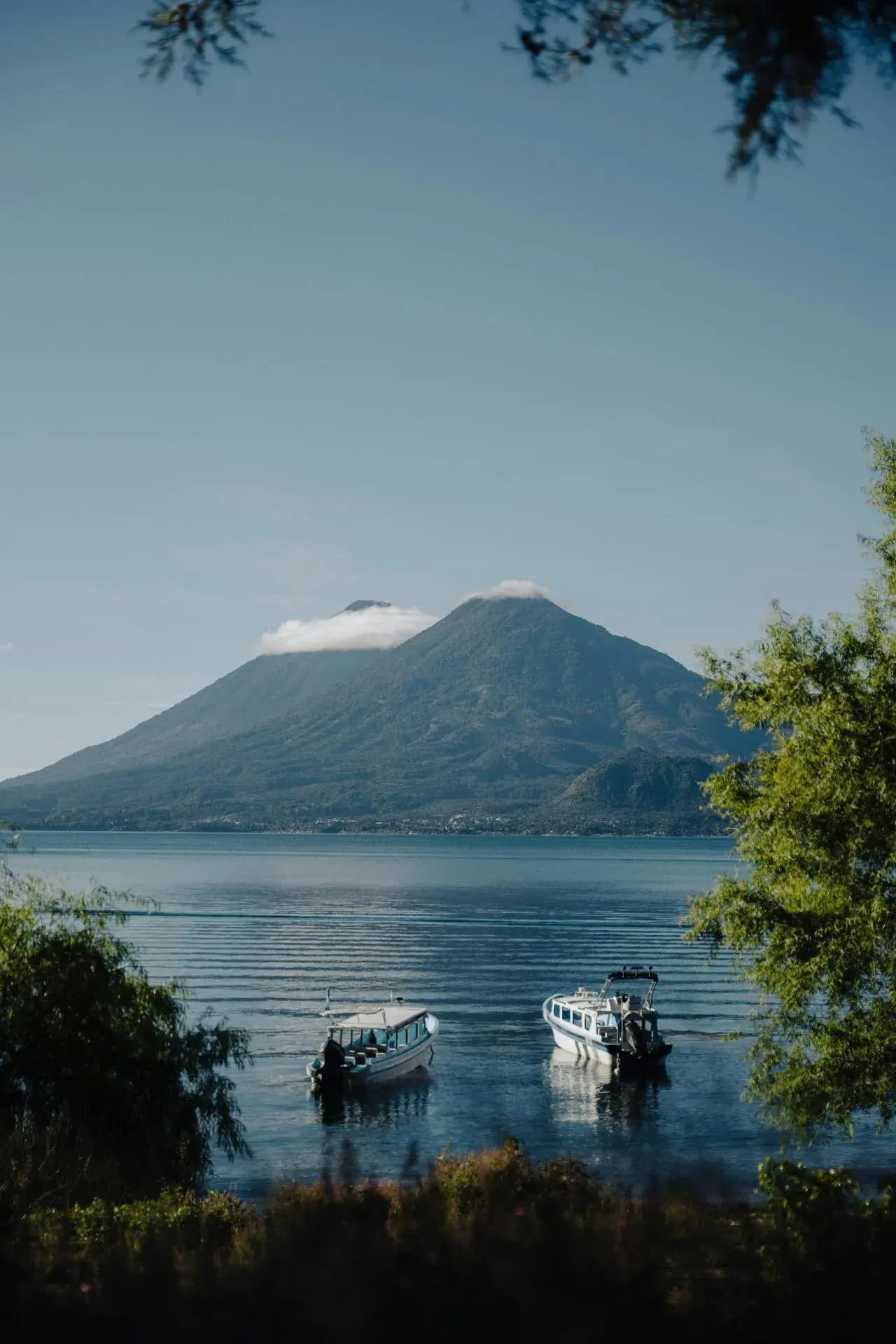
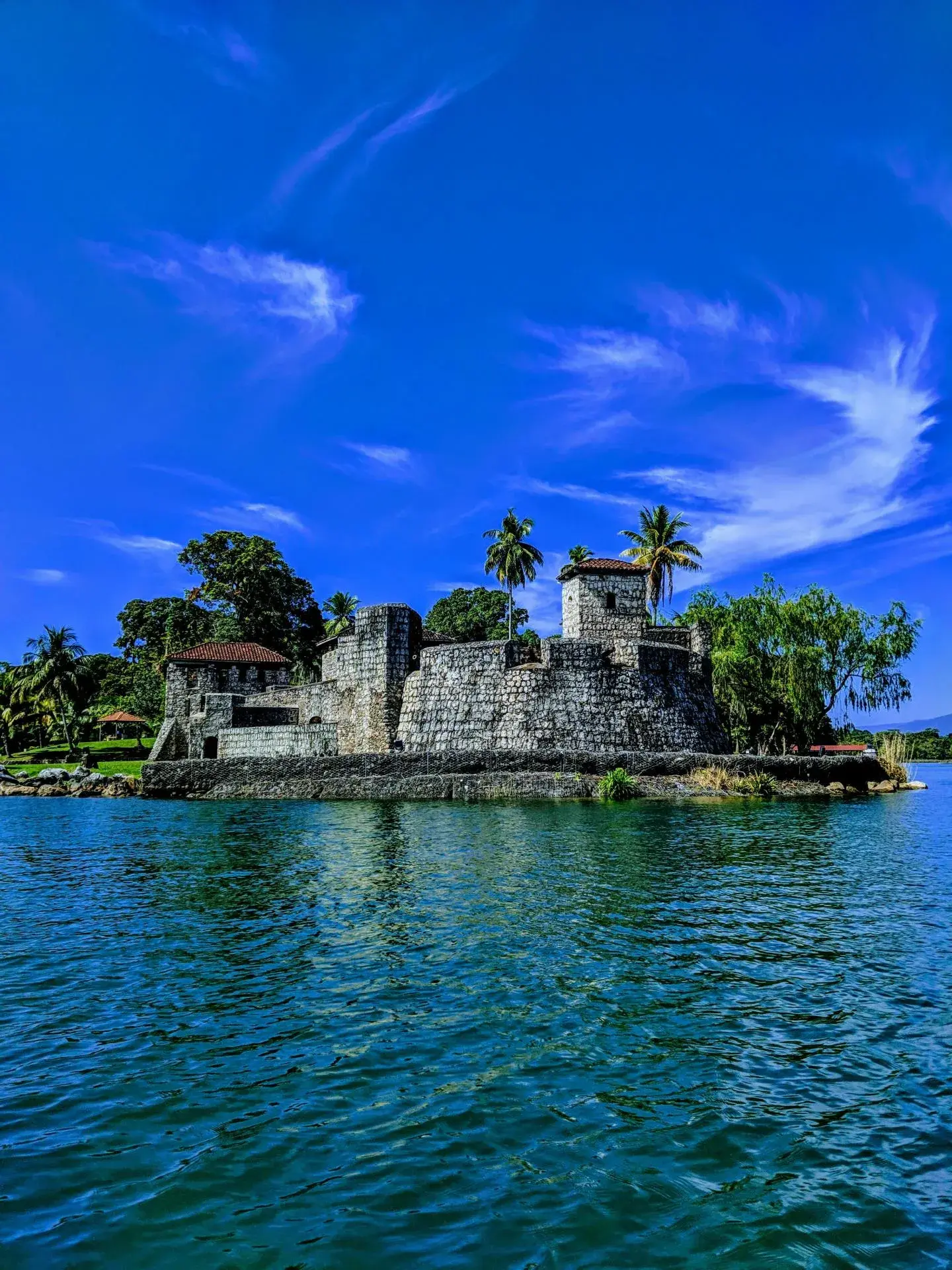
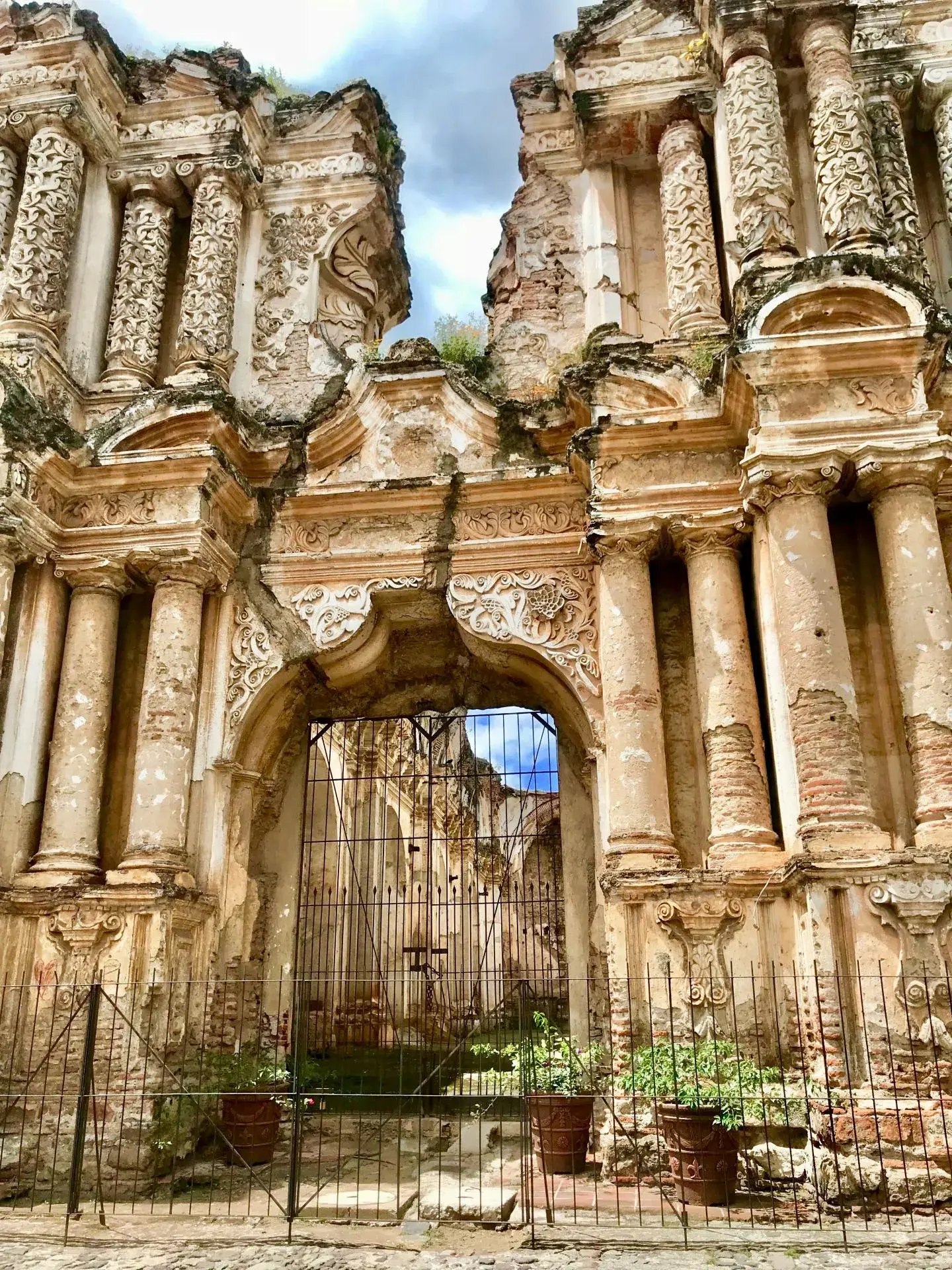
Morning light spills across cobblestone streets beneath volcano silhouettes, while market stalls fill with woven textiles and the scent of fresh tortillas. Along the highlands, small villages overlook deep blue water framed by steep hills, where boats drift between quiet shores. In the jungle, ancient stone temples rise above a sea of green, their steps worn by time and surrounded by the calls of distant wildlife. Colors, textures, and traditions are present everywhere, from carved doorways to handwoven fabrics, creating a landscape where history and culture feel deeply rooted in every corner of the country.
Things to consider
-
Guatemala’s climate varies by elevation, so layering is important. In the highlands, including Antigua and Lake Atitlán, light clothing during the day and a sweater or jacket for cooler evenings works well. In lowland areas such as Tikal, lightweight, breathable clothing is best due to heat and humidity. Comfortable walking shoes are essential, and modest dress is recommended when visiting churches and villages.
-
No mandatory vaccinations are required unless arriving from a yellow fever area. Travelers are generally advised to be up to date on routine vaccinations such as tetanus and hepatitis A. Typhoid is often recommended, and yellow fever may be advised for jungle regions. It is best to consult a healthcare provider before travel.
-
The currency is the Guatemalan Quetzal (GTQ). Credit cards are accepted in hotels, restaurants, and larger establishments, but cash is widely used, especially in smaller towns and markets. ATMs are available in cities and tourist areas.
-
Guatemala is generally safe in well-traveled areas such as Antigua, Lake Atitlán, and Tikal. Basic precautions are recommended, including avoiding displaying valuables and using reputable transportation. It is advisable to follow local guidance, particularly when traveling in less visited regions.
-
Tap water is not recommended for drinking. Bottled or filtered water is widely available. Guatemalan cuisine is simple and flavorful, often featuring corn, beans, meats, and fresh produce. Food in established restaurants is generally safe, and local markets offer a variety of fresh ingredients.
Entry requirements:
US and Canadian citizens must have a passport valid for at least six months beyond entry. No visa is required for tourist stays of up to 90 days under the Central America-4 (CA-4) agreement, which also includes Honduras, El Salvador, and Nicaragua. Travelers may be asked to show proof of onward or return travel. Requirements can change, so it is advisable to verify details before departure.