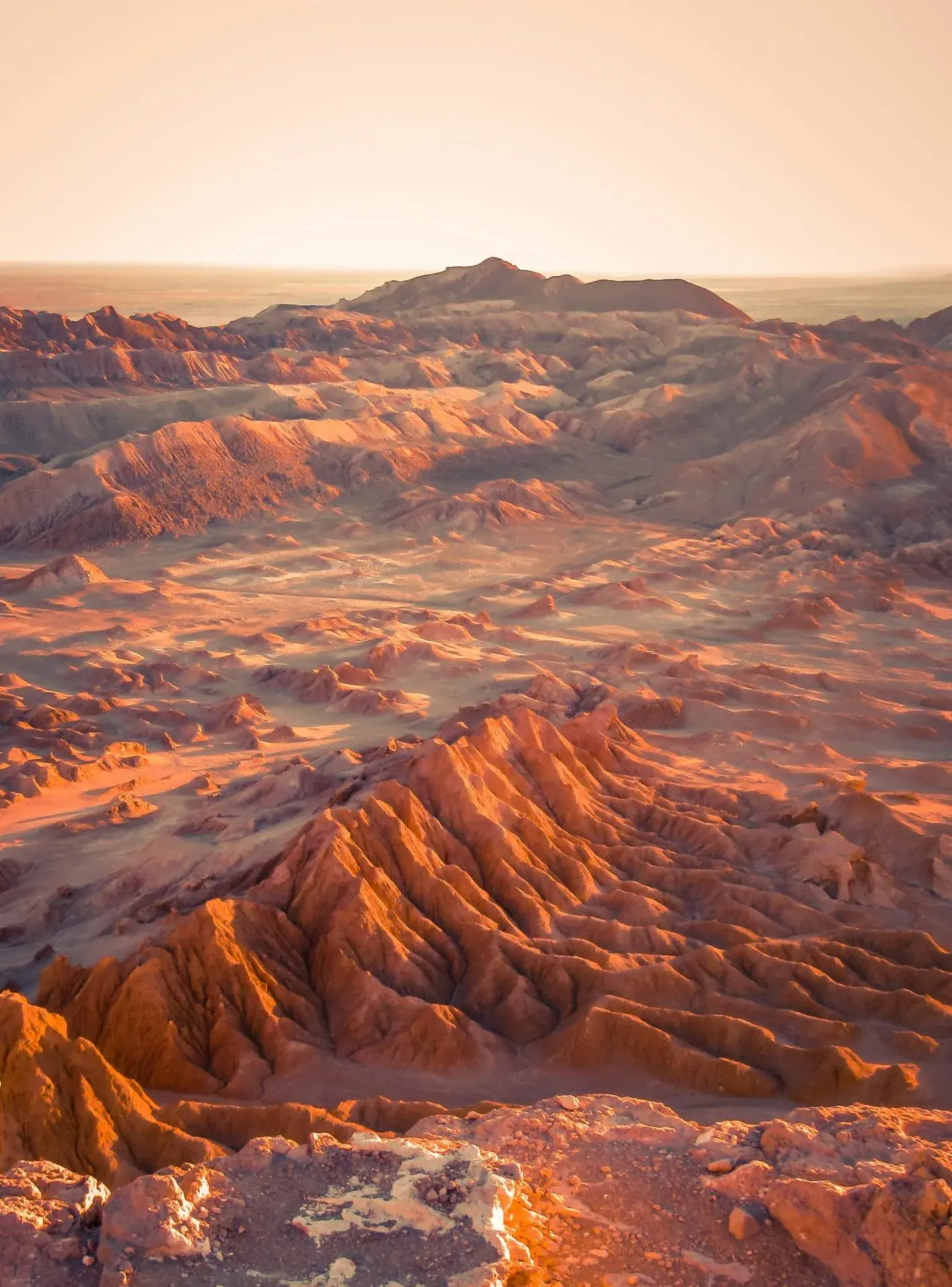
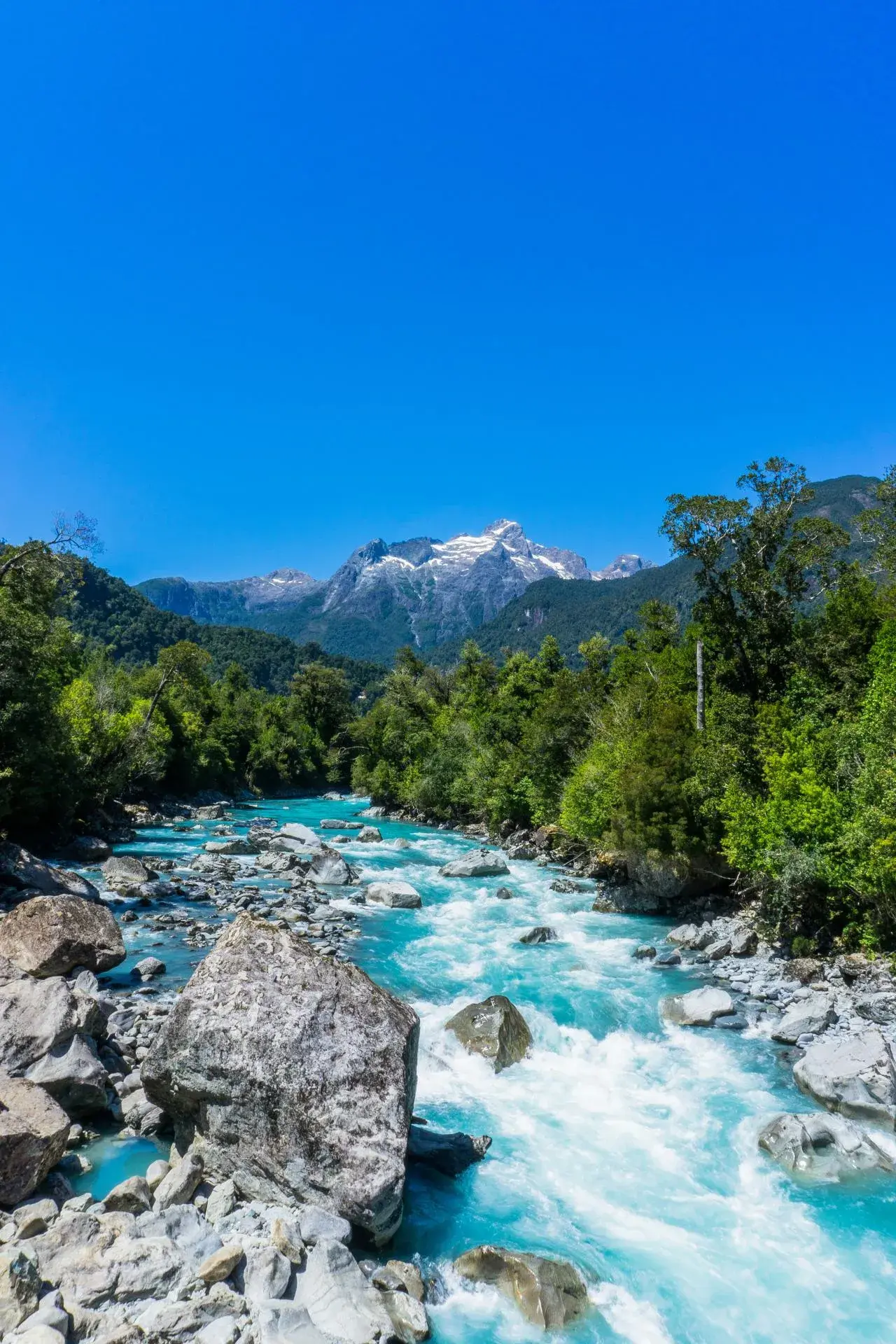
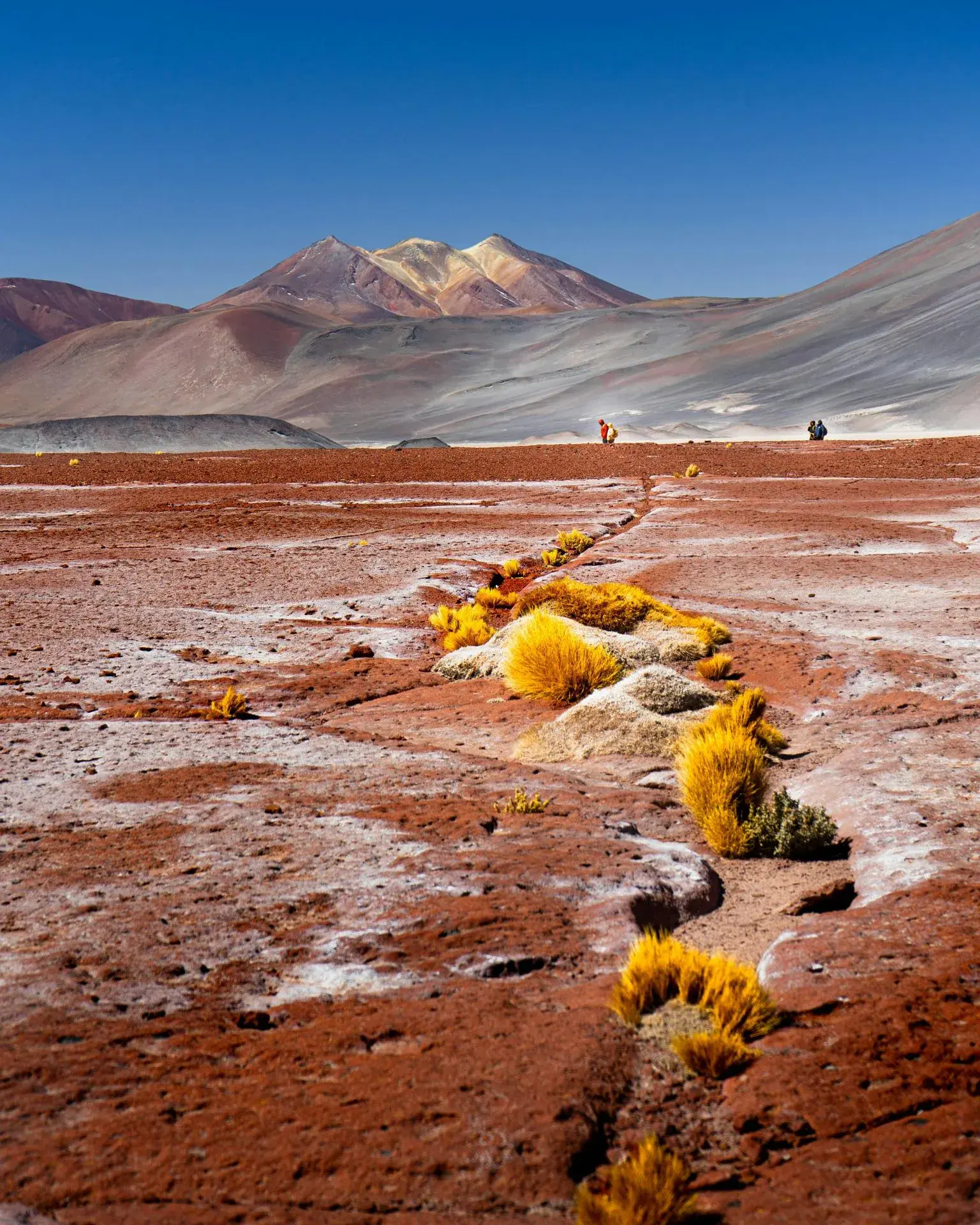
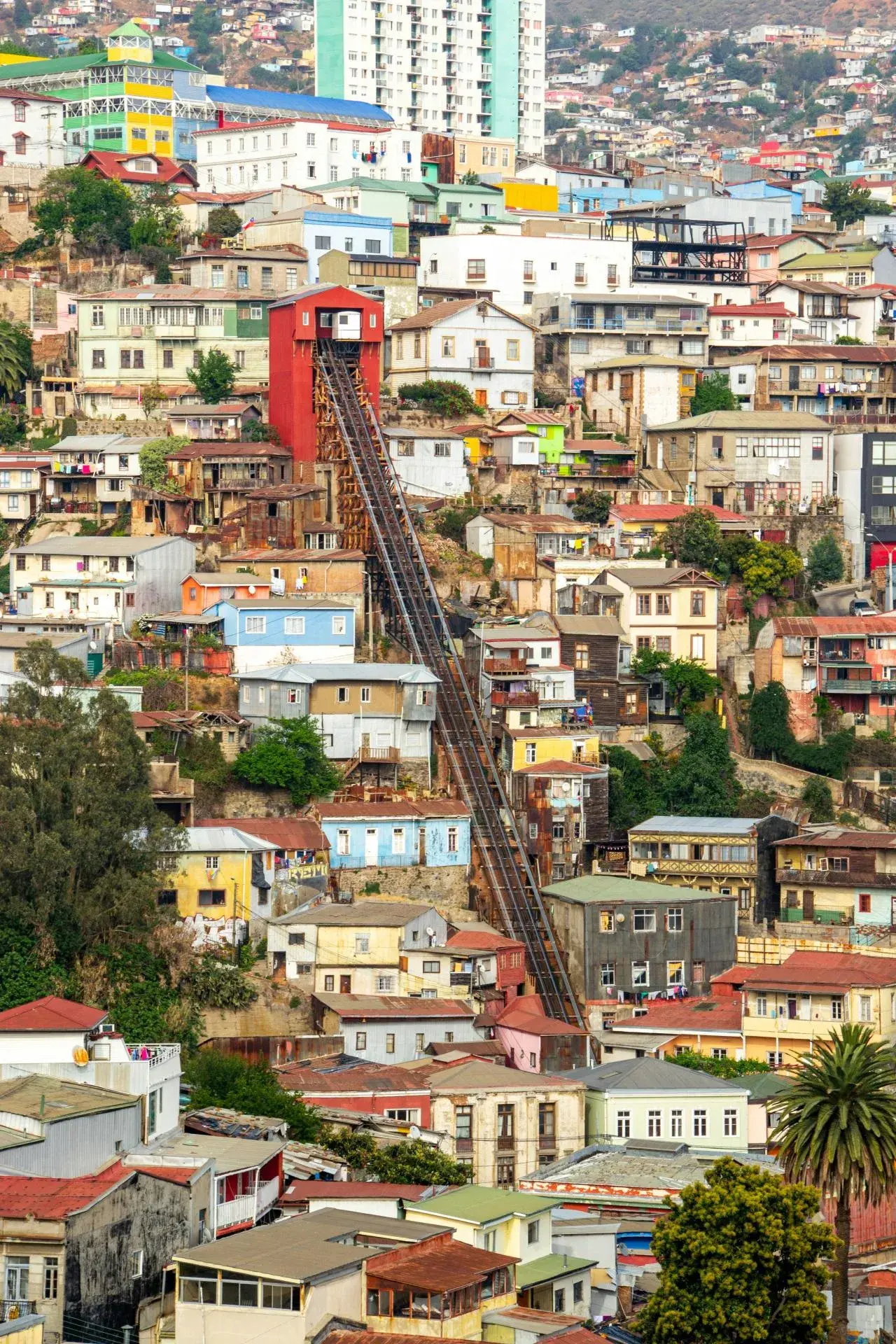
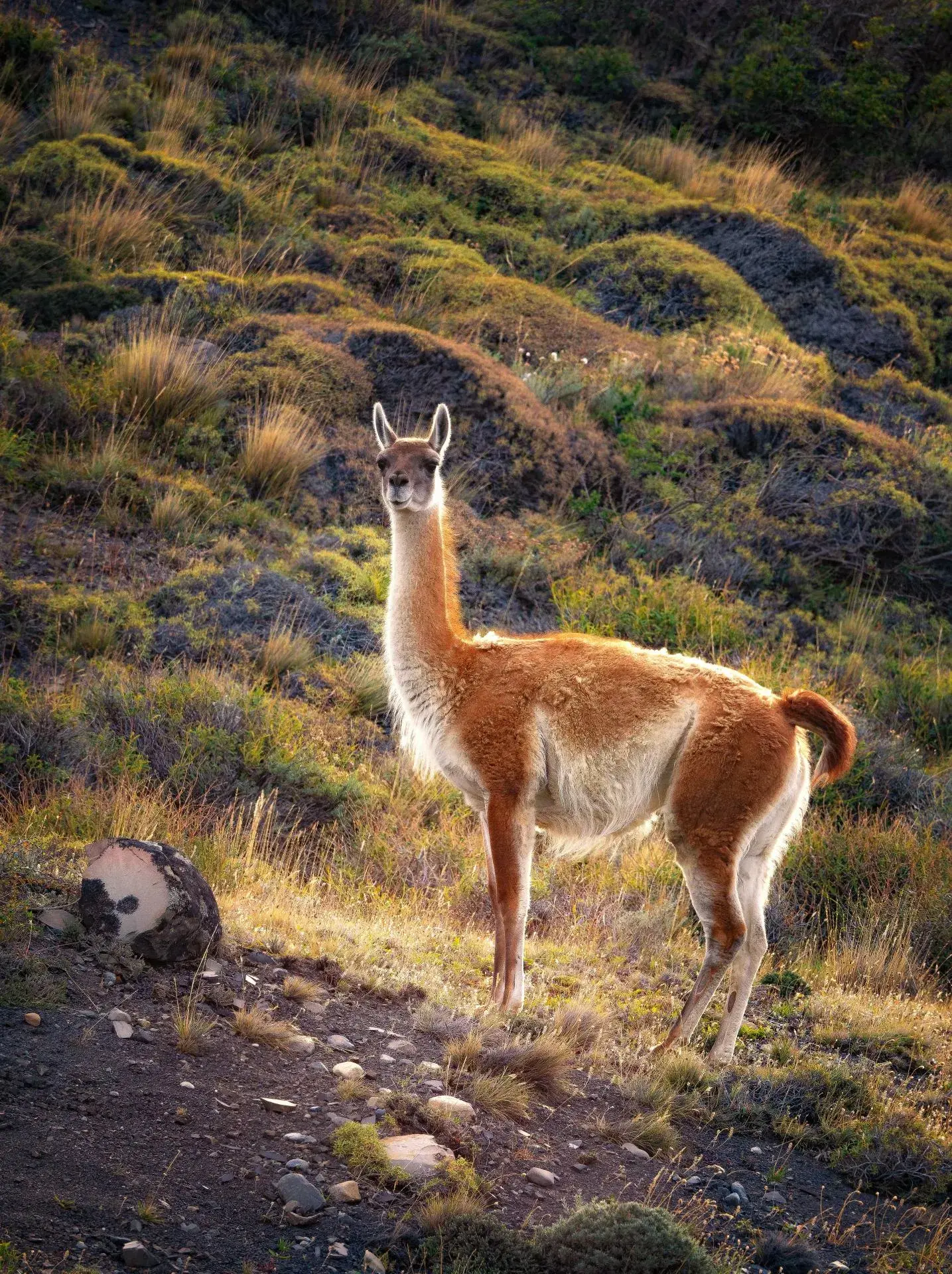
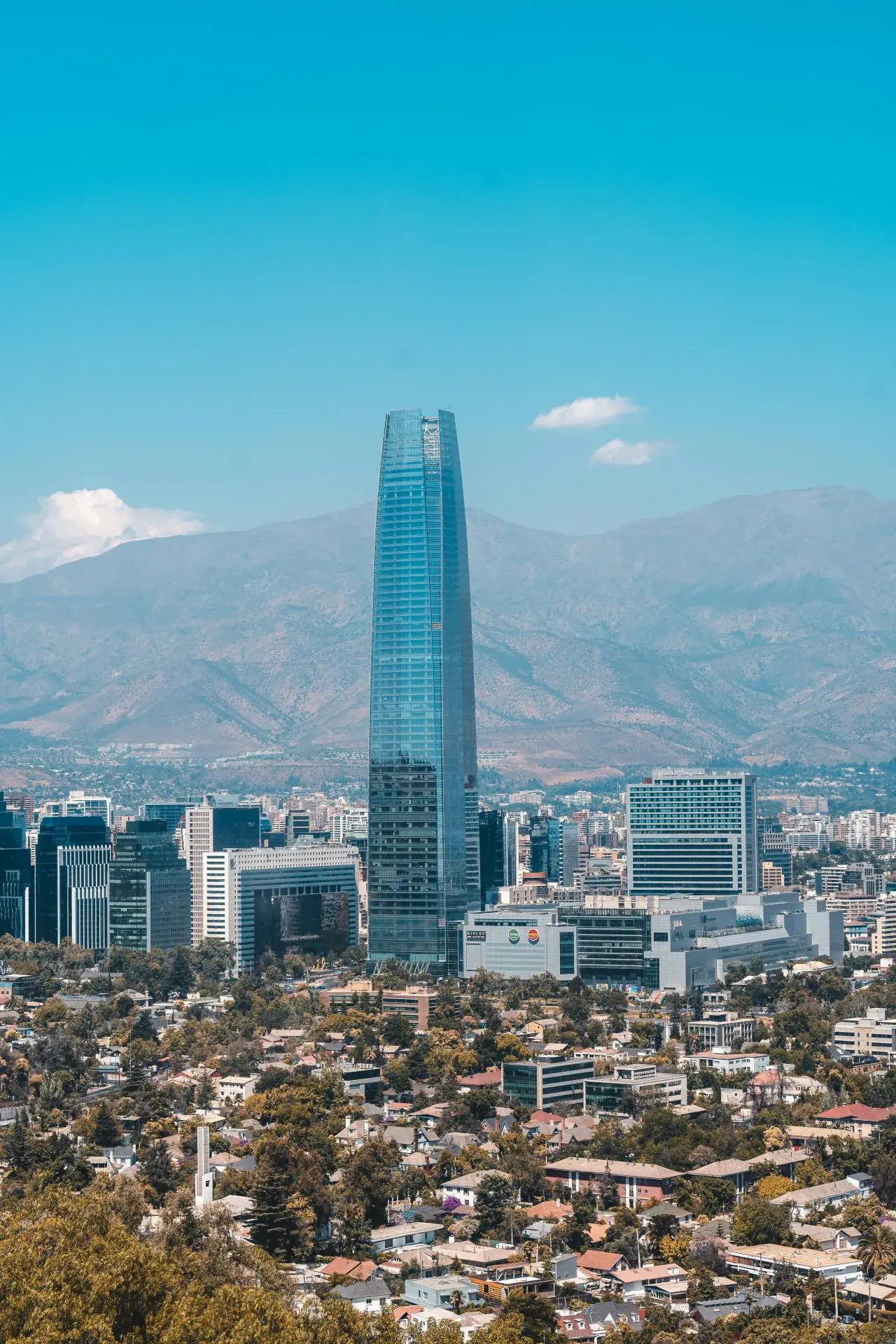
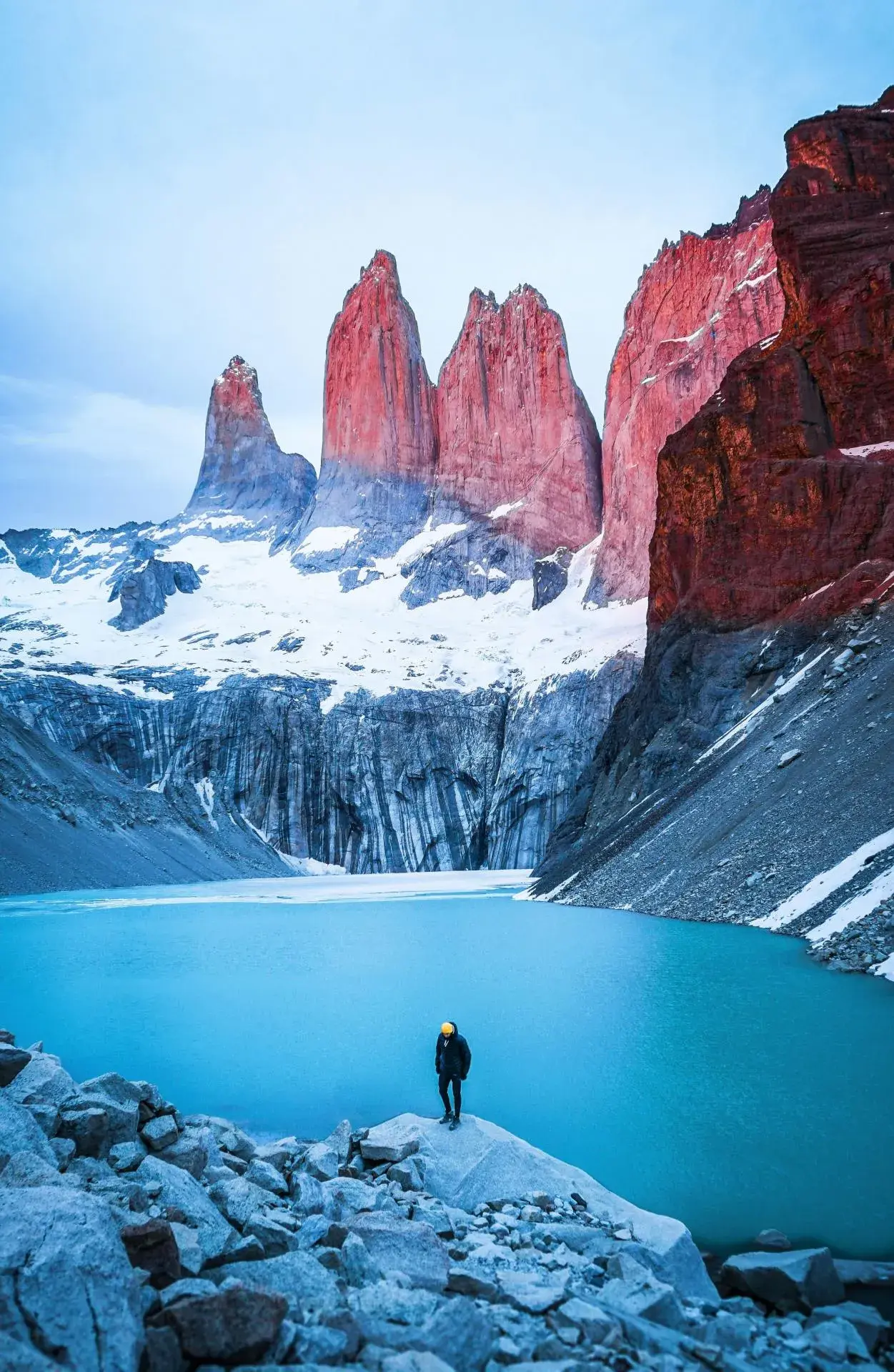
Like a long ribbon running between the Andes and the Pacific, Chile reveals itself through dramatic landscapes where the Atacama’s stark deserts, fertile valleys, and the wild glaciers and fjords of Patagonia unfold in quiet grandeur.
Overview
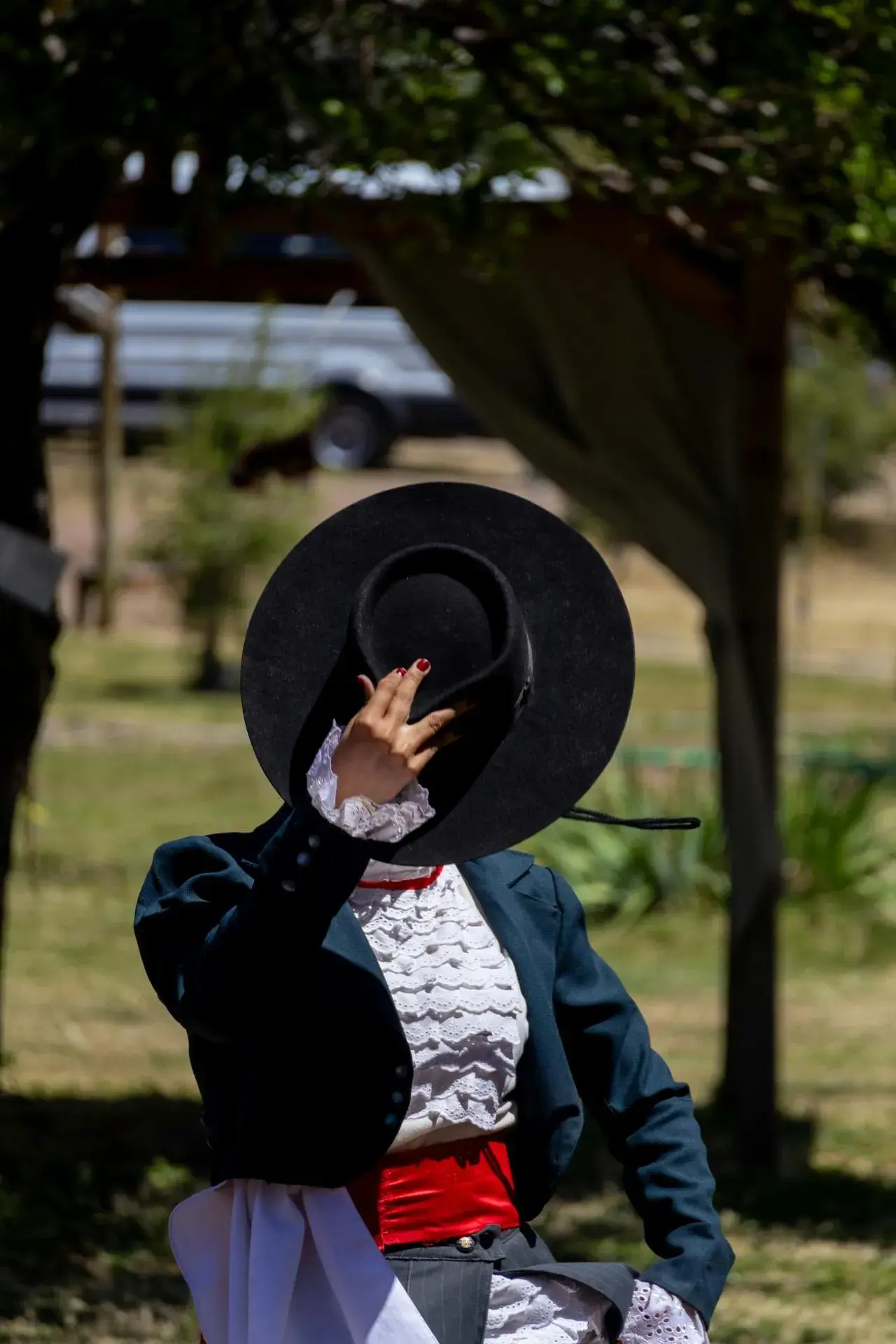
Chile was originally home to diverse indigenous cultures, including the Mapuche, before the arrival of the Spanish in the 16th century. After gaining independence in 1818, the country gradually developed into a stable nation with a strong national identity. Its long, narrow geography has played a defining role in its character, stretching from the Atacama Desert in the north to the glaciers and fjords of Patagonia in the south.
Today, Chile offers a striking diversity of landscapes and experiences, from world-renowned wine regions and vibrant cities to remote wilderness, where nature and culture are closely intertwined.
Chile is slightly smaller than Texas, with that territory stretches over 4,270 km from north to south, yet averages only about 175 km in width.
Argentina, Bolivia & Peru
Spanish (official), Mapudungun, German, English
Suggested Journeys
Featured Properties
When to Travel
Chile’s elongated shape and unique geography create a wide range of climates, from hot and arid conditions in the north to cold, near-Arctic weather in the far south. The central region, including Santiago, enjoys a Mediterranean-like climate ideal for vineyards and wine production. If planning one comprehensive journey, the most favorable period is from late Southern spring through early fall, October to April. For repeat visits, it is worth considering the distinct climate zones.
Northern Chile
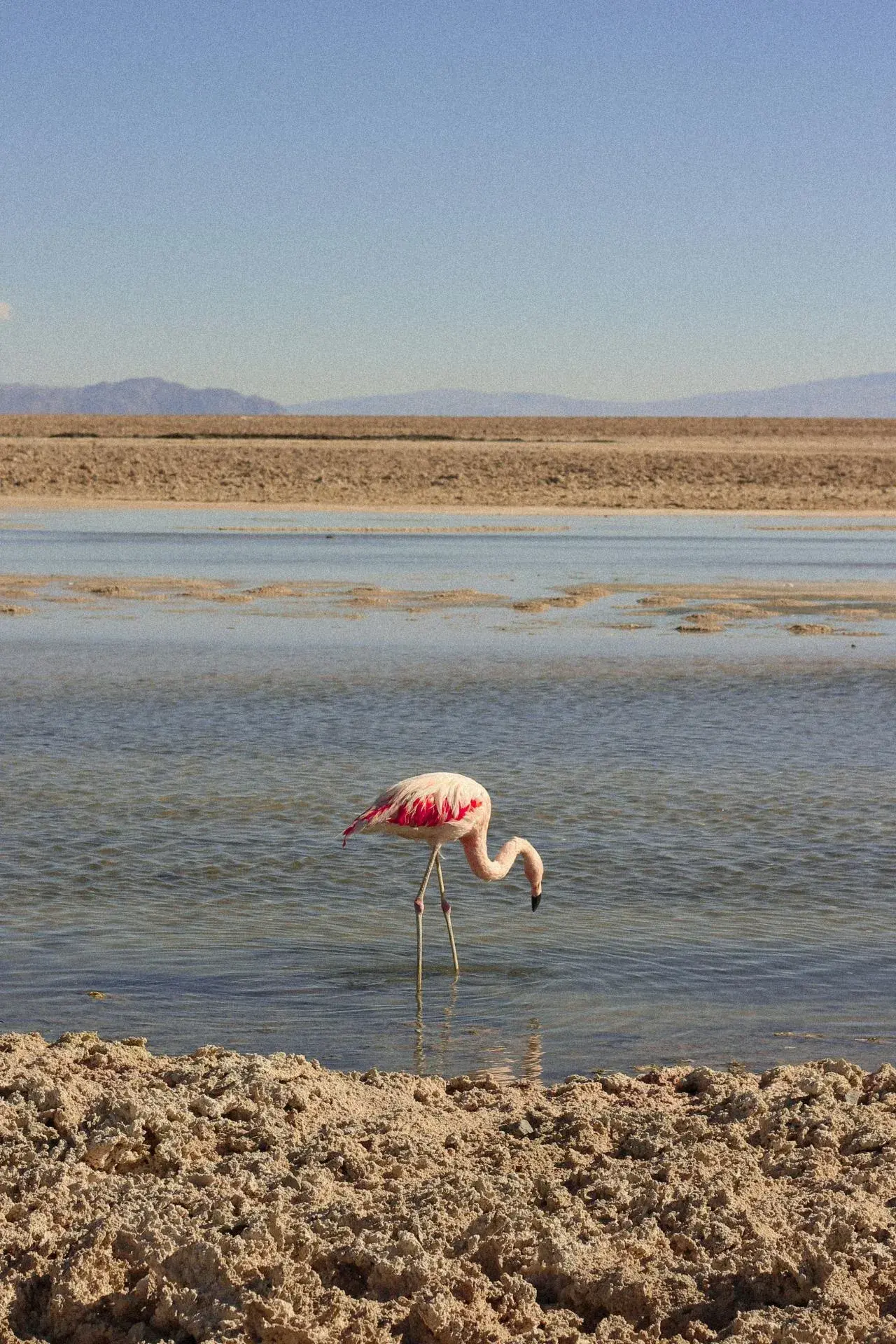
Including San Pedro de Atacama, can be visited year-round. This high-altitude desert, the driest in the world, has warm days and cold nights due to elevation and clear skies. In winter, June to August, daytime highs average 22°C (72°F) and nighttime temperatures can fall to 4°C (39°F) or lower. In summer, January to March, highs reach about 27°C (81°F), with evening lows around 16°C (61°F).
Central Chile
It has a moderate Mediterranean climate. Summers, January to March, are dry with temperatures between 28°C and 32°C (82°F to 90°F). Winters average 14°C (57°F) with more rainfall. Spring and fall offer balanced, pleasant conditions. Harvest season, known as La Vendimia, runs from mid-March through April, sometimes into May for dessert wine grapes. For skiing in the Andes near Santiago, July and August offer the best snow conditions.
Northern Patagonia
Northern Patagonia and the Lake District are best visited between November to March. During these months the average high temperature reaches a pleasant 17°C (63°F) and the rainfall is moderate, averaging 3.8 inches per month. During the rest of the year, the area is colder and the rainfall averages may be as twice as much.
Southern Patagonia
Southern Patagonia and the Lake District are best visited from November to March, when average highs reach 17°C (63°F) and rainfall is moderate at about 9.5 cm (3.8 in) per month. Outside this period, temperatures are cooler and precipitation can nearly double.
Patagonia’s “When to do what” chart:
- Fly fishing: November to May
- Sea kayaking: November to April
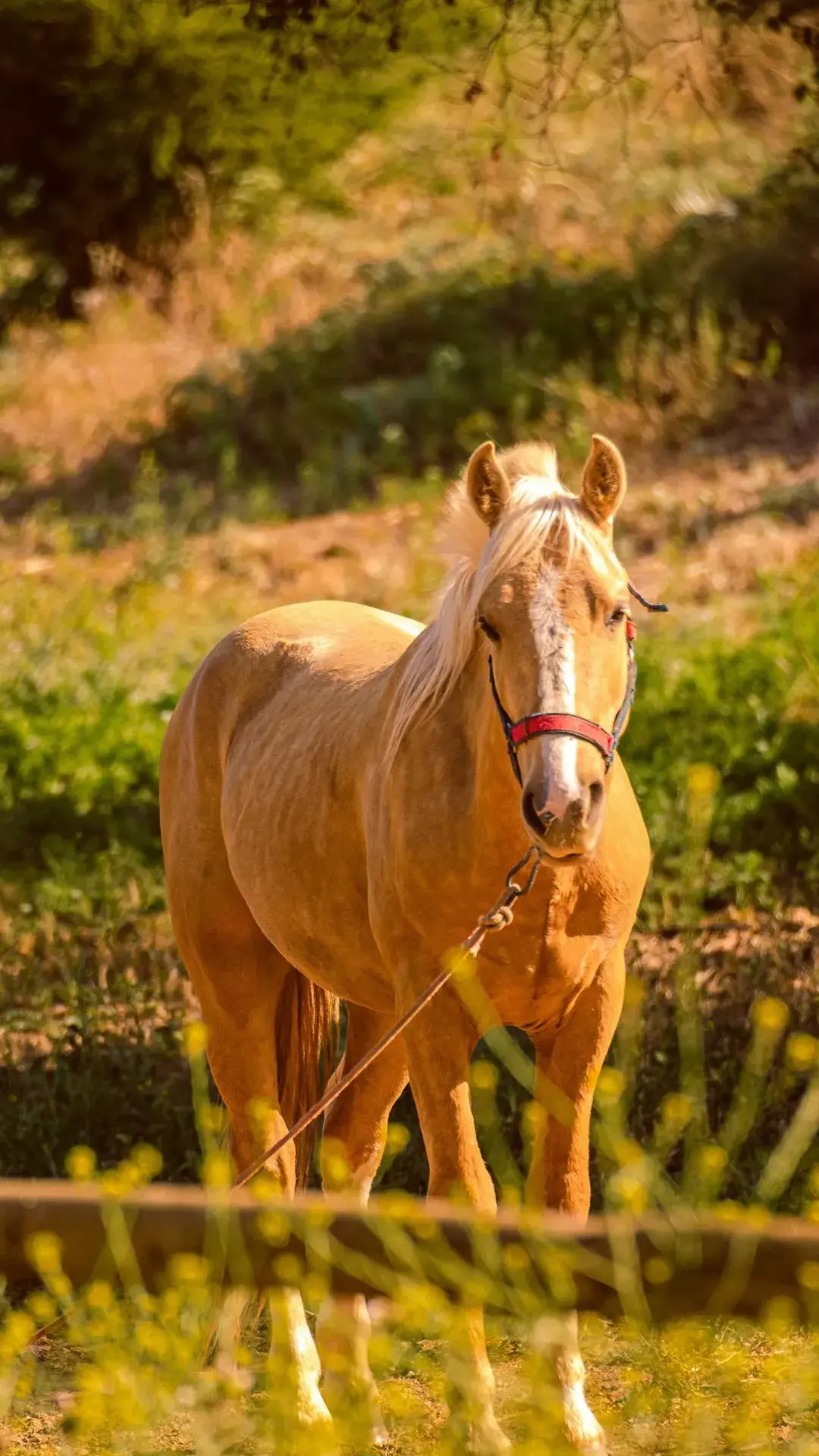
- Horseback riding: December to April
- Trekking and hiking: November to April
- Whitewater rafting: November to April
- Mountain biking: November to May
- Canyoning: December to March
Travel highlights
Chile is defined by several distinct regions: the Atacama Desert in the north, the fertile Central Valley, the Lake District, and the remote fjords and glaciers of Patagonia in the south. Few countries offer such geographic variety within one border, from the driest desert on earth to snowcapped volcanoes, vineyards, temperate rainforests, and vast ice fields. Its culture, history, and dramatic landscapes create remarkable depth, and you could travel through Chile for weeks, moving from one climate and ecosystem to another, without ever repeating the same scenery.
Things to consider
-
Chile’s varied geography means clothing should match the region and season. In the north, including the Atacama Desert, bring lightweight layers for warm days and a warm jacket for cold nights due to high elevation. In central areas such as Santiago and the wine valleys, light clothing works well in summer, with a sweater or jacket for cooler evenings. In Patagonia, dress in layers year-round, including a windproof and waterproof outer shell, as weather can change quickly. Comfortable walking shoes are essential throughout the country.
-
No specific vaccinations are required for entry into Chile. Routine vaccinations should be up to date. Yellow fever vaccination is only required if arriving from a country where the disease is present. It is advisable to consult your physician before travel for personalized recommendations.
-
The local currency is the Chilean Peso (CLP). Credit cards are widely accepted in cities, hotels, and restaurants, and ATMs are readily available in urban areas. U.S. dollars are not commonly used for everyday transactions, so it is recommended to carry local currency for smaller towns and local purchases.
-
Chile is considered one of the safest countries in South America. Standard precautions are advised, particularly in busy urban areas, where petty theft can occur. When exploring remote regions such as the Atacama or Patagonia, follow local guidance and weather advisories.
-
Tap water is generally safe to drink in most urban areas, including Santiago, though bottled water is widely available for those who prefer it. Chile has high food safety standards, and fresh produce, seafood, and meats are of excellent quality.
Entry requirements:
Citizens of the United States and Canada need a passport valid for the duration of their stay in Chile. No visa is required for tourist visits of up to 90 days. Upon arrival, travelers receive a Tourist Card, which must be retained and presented upon departure. Overstaying the authorized period may result in fines. A yellow fever vaccination is not required unless arriving from a country where the disease is present.