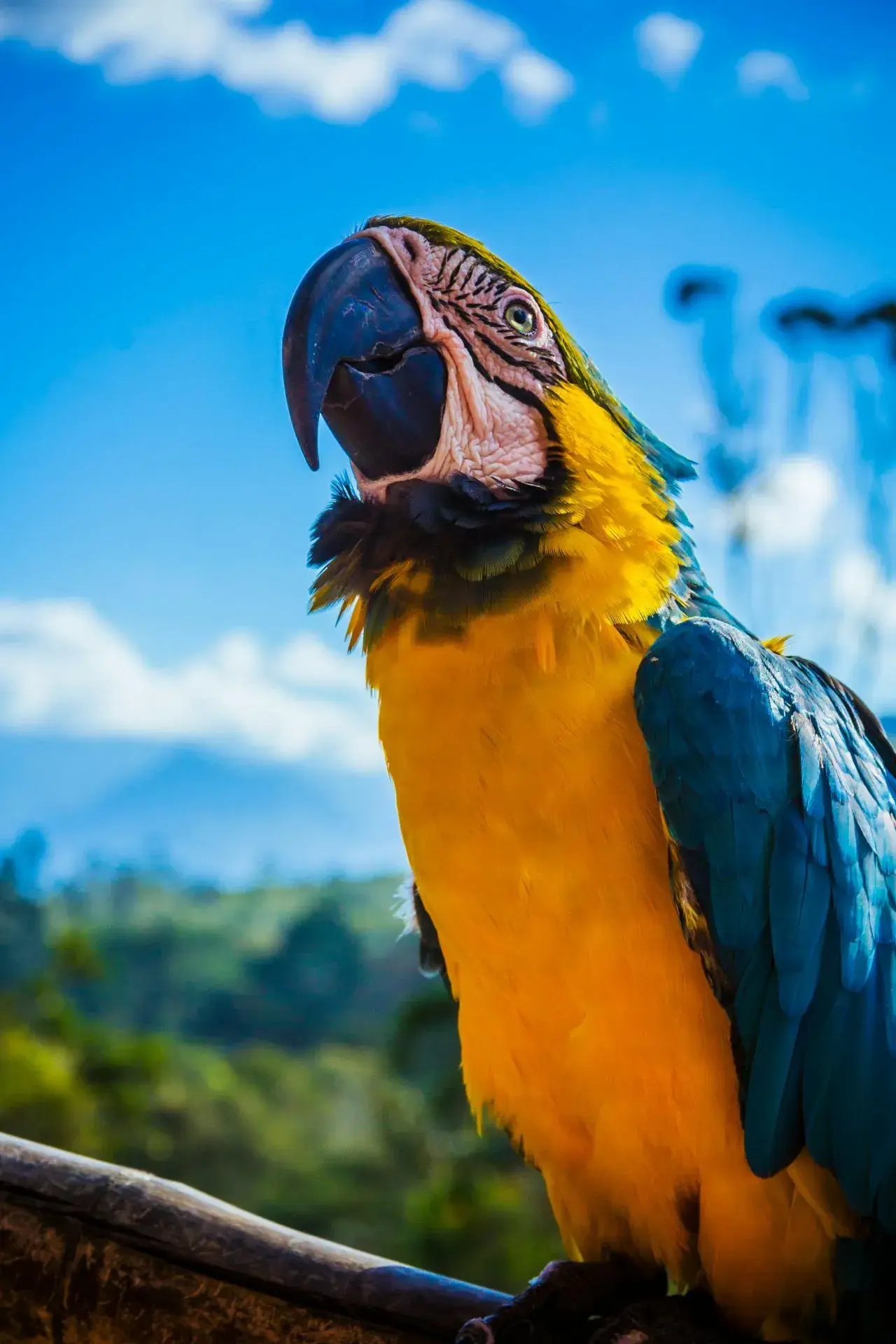
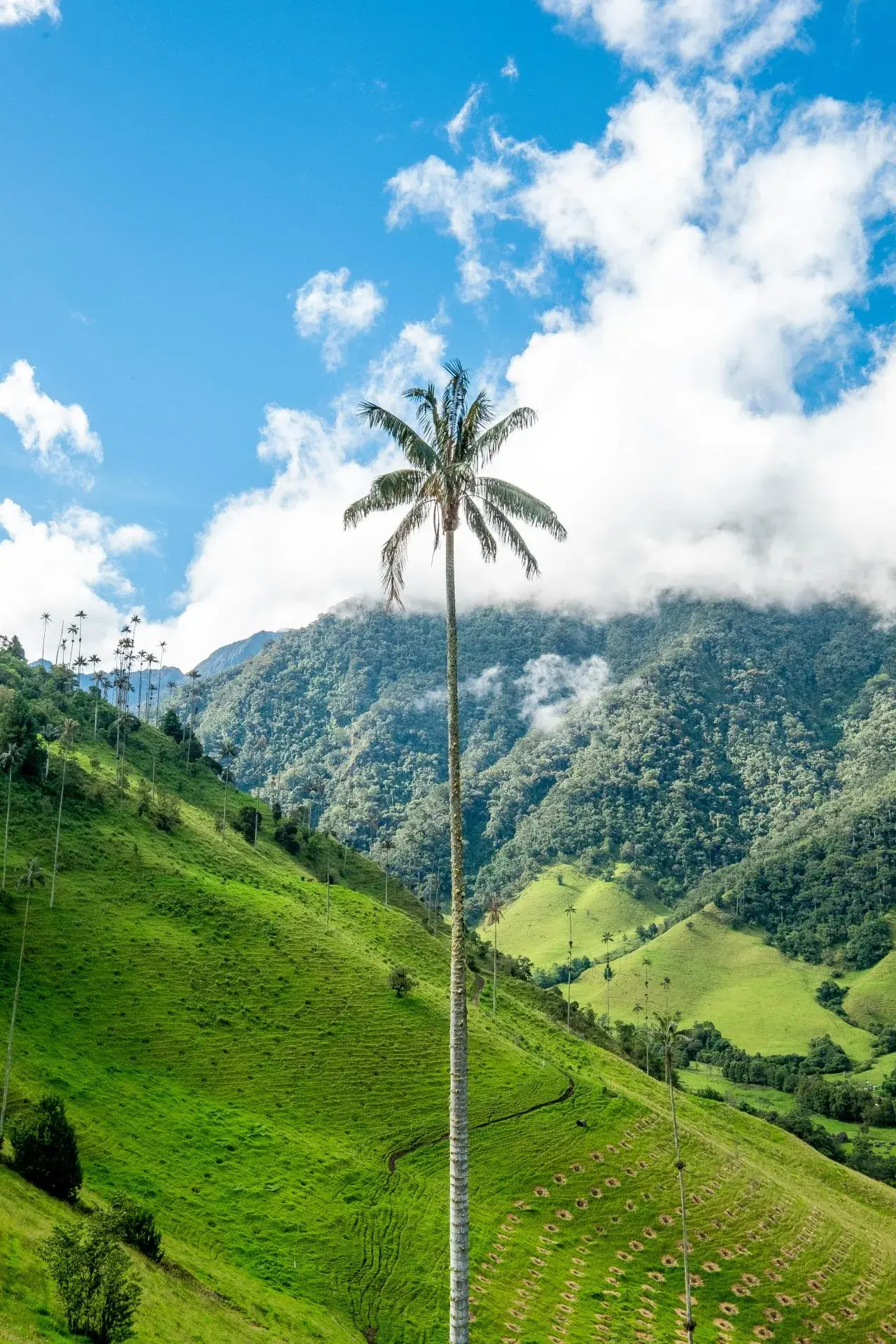
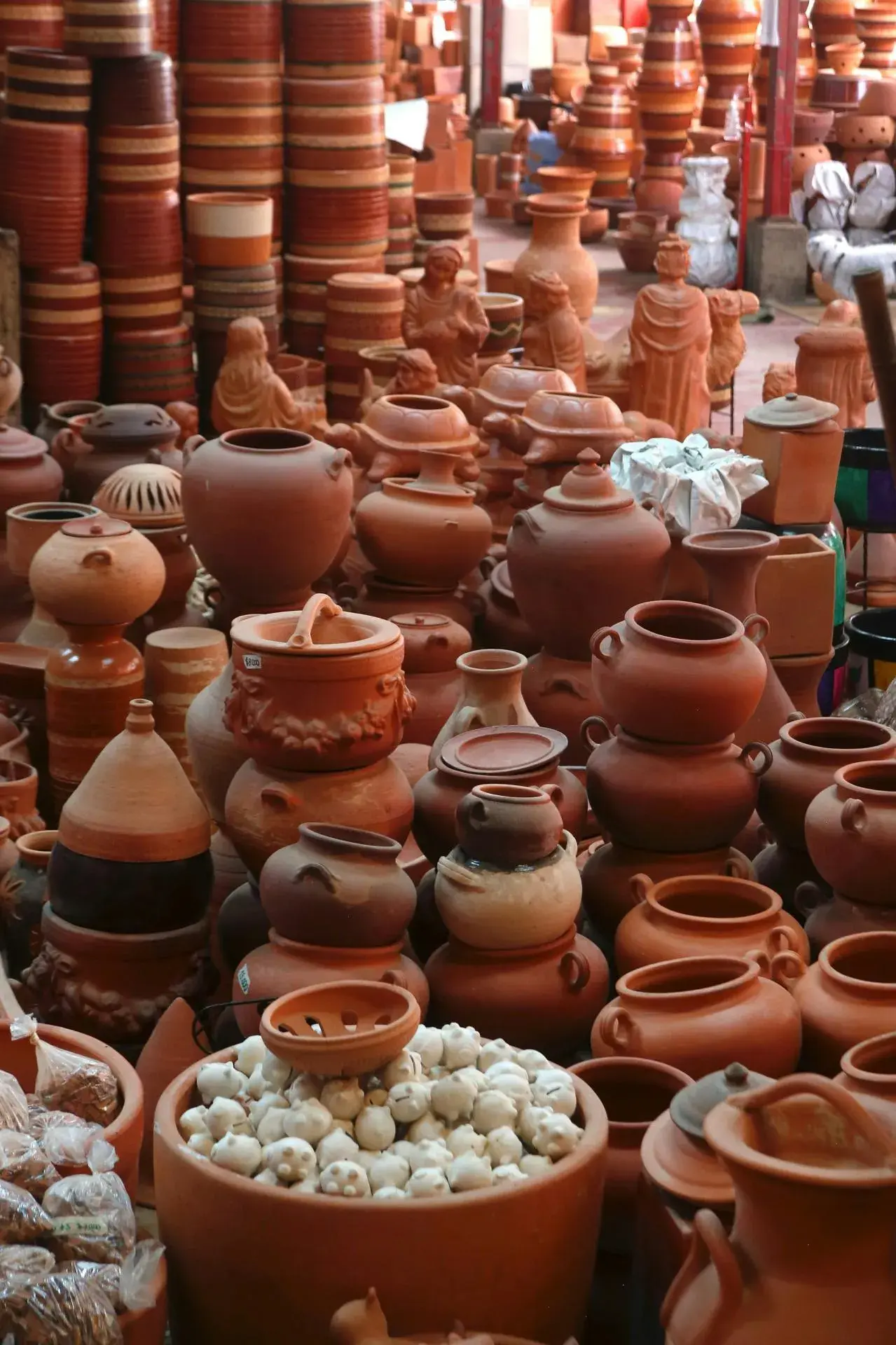
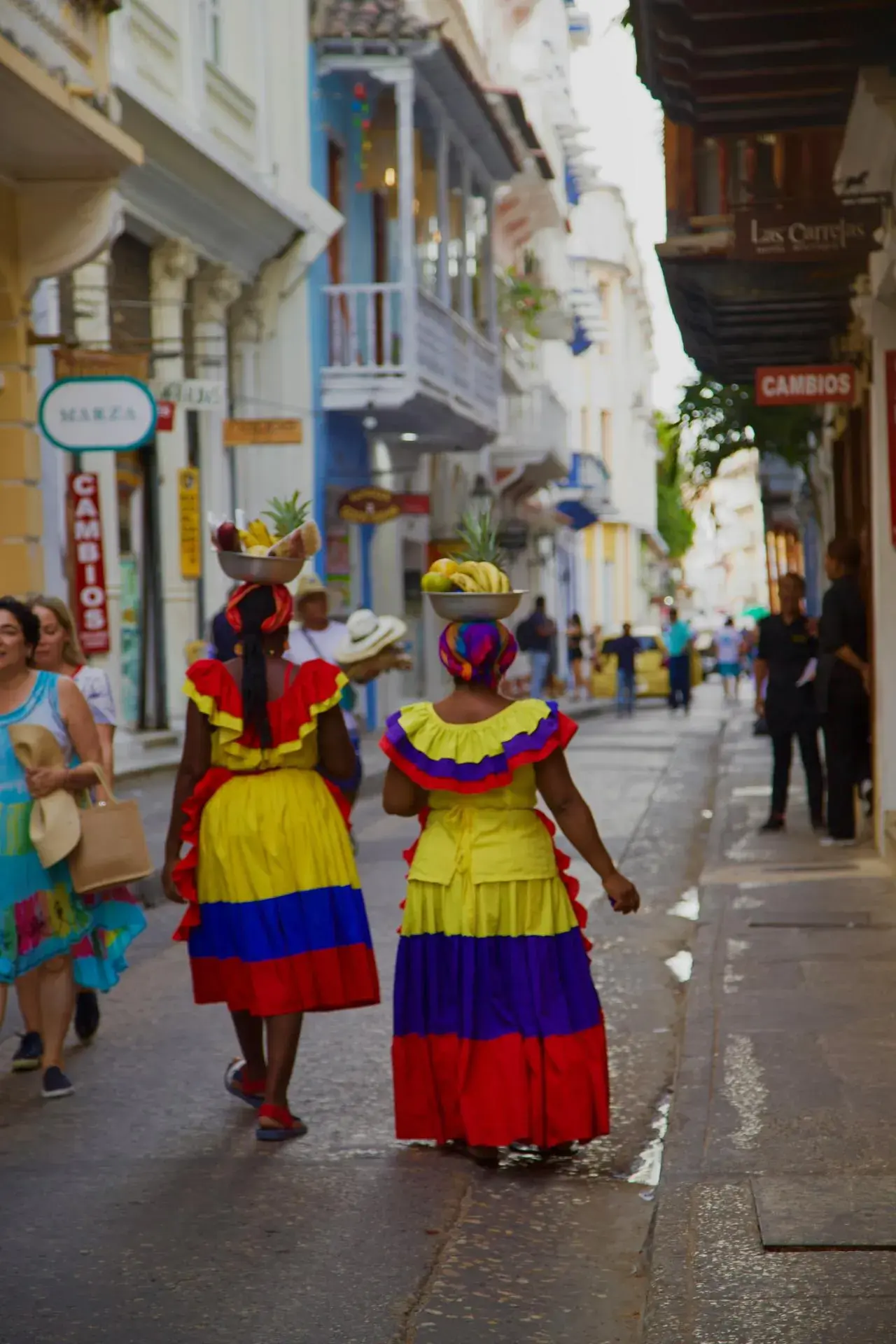
Colombia's misty Andean peaks give way to lush coffee valleys and Caribbean shores, and vibrant cities and quiet villages are woven together by color, music, and a deep sense of community and culture.
Overview
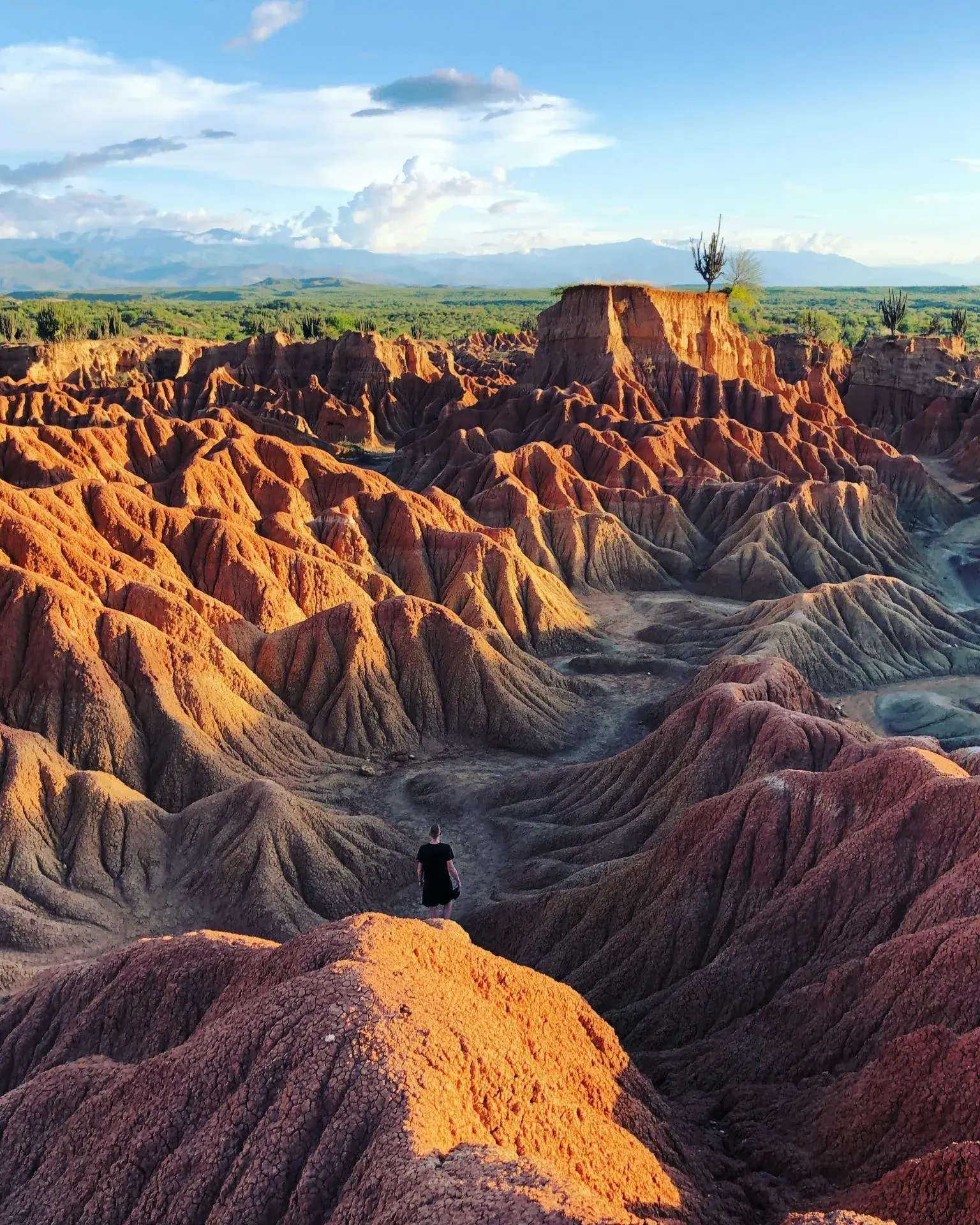
Colombia’s roots trace back to ancient indigenous cultures such as the Muisca and Tairona, whose traditions shaped the land long before Spanish colonization in the 16th century introduced European language, religion, and architecture. After gaining independence in the early 19th century, the country experienced periods of political and social change before emerging in recent decades as a more stable and welcoming destination. Today, Colombia reflects a rich cultural blend influenced by indigenous, Spanish, and African heritage. Its landscapes are equally diverse, ranging from Andean mountains and coffee regions to Caribbean coastlines and tropical rainforests, where vibrant cities and strong traditions come together to define the country’s identity.
1,141,748 sq km, slightly larger than South Africa)
Brazil, Ecuador, Panama, Peru & Venezuela
Spanish (official), and many indigenous languages such as Wayuu, Nasa Yuwe, and Embera
Suggested Journeys
Featured Properties
When to Travel
Colombia’s location near the equator keeps temperatures relatively consistent year-round, with variation driven more by elevation than by season. The main difference travelers will notice is rainfall rather than temperature. In general, the driest and most favorable time to visit is from December through March, when skies are clearer and travel conditions are ideal across most regions. A secondary good window is July through August, which tends to be drier, particularly in the Andes and coffee region.
The wetter periods typically fall between April and June and again from September to November. During these months, rain is more frequent, often in the form of afternoon showers followed by clear skies. Travel is still very possible, and landscapes are especially lush and green.
Regional differences are important. The Caribbean coast, including Cartagena and Santa Marta, is warm year-round, with temperatures ranging from 23–32°C (73–90°F), and is best visited from December to April, when humidity is lower and rainfall is minimal. The Andean highlands, including Bogotá, Medellín, and the coffee region, enjoy mild daytime temperatures of 17–27°C (63–81°F), with cooler evenings, especially at higher elevations. The Amazon and eastern plains remain hot and humid year-round, with heavier rainfall typically between April and November.
Travel highlights
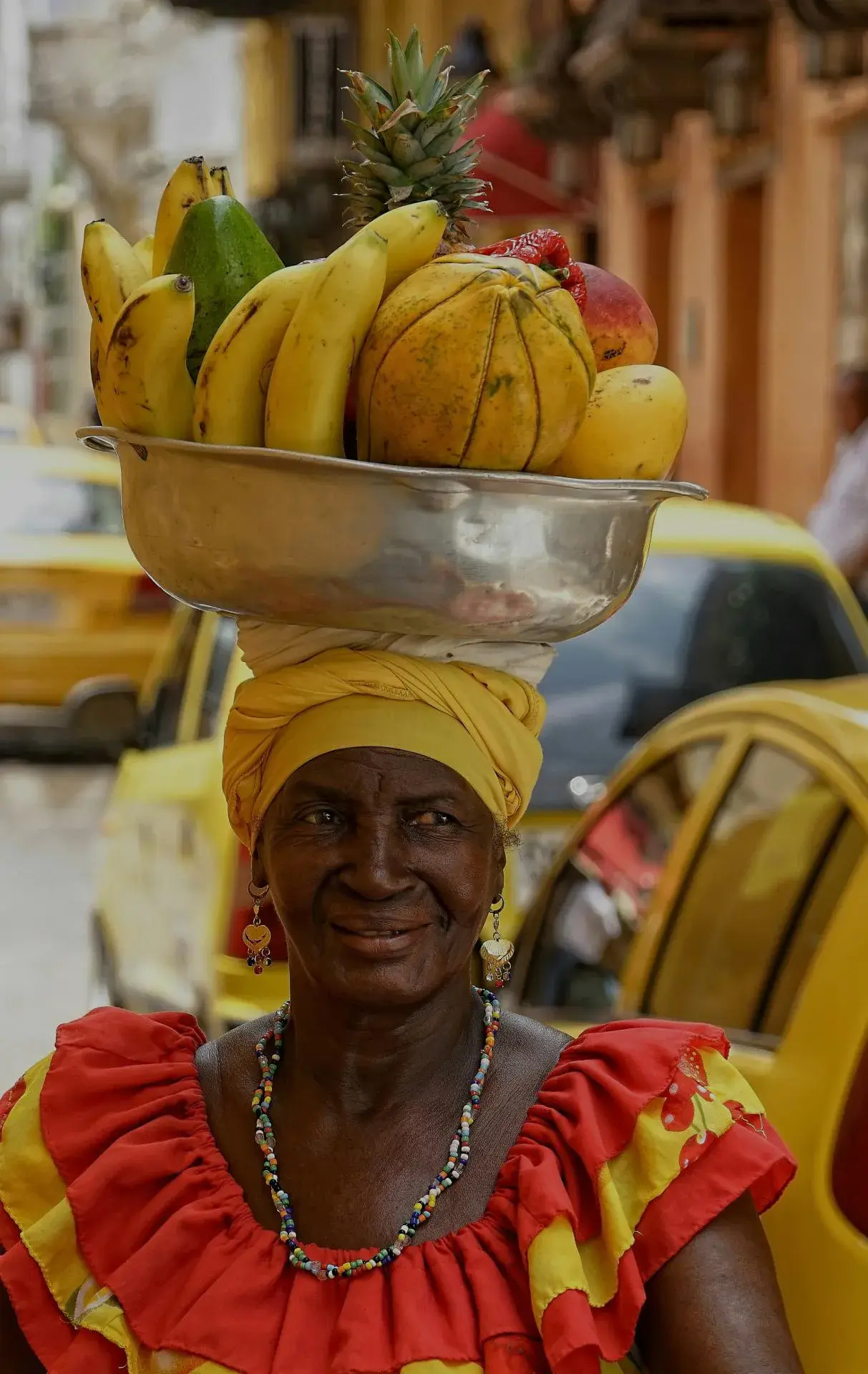
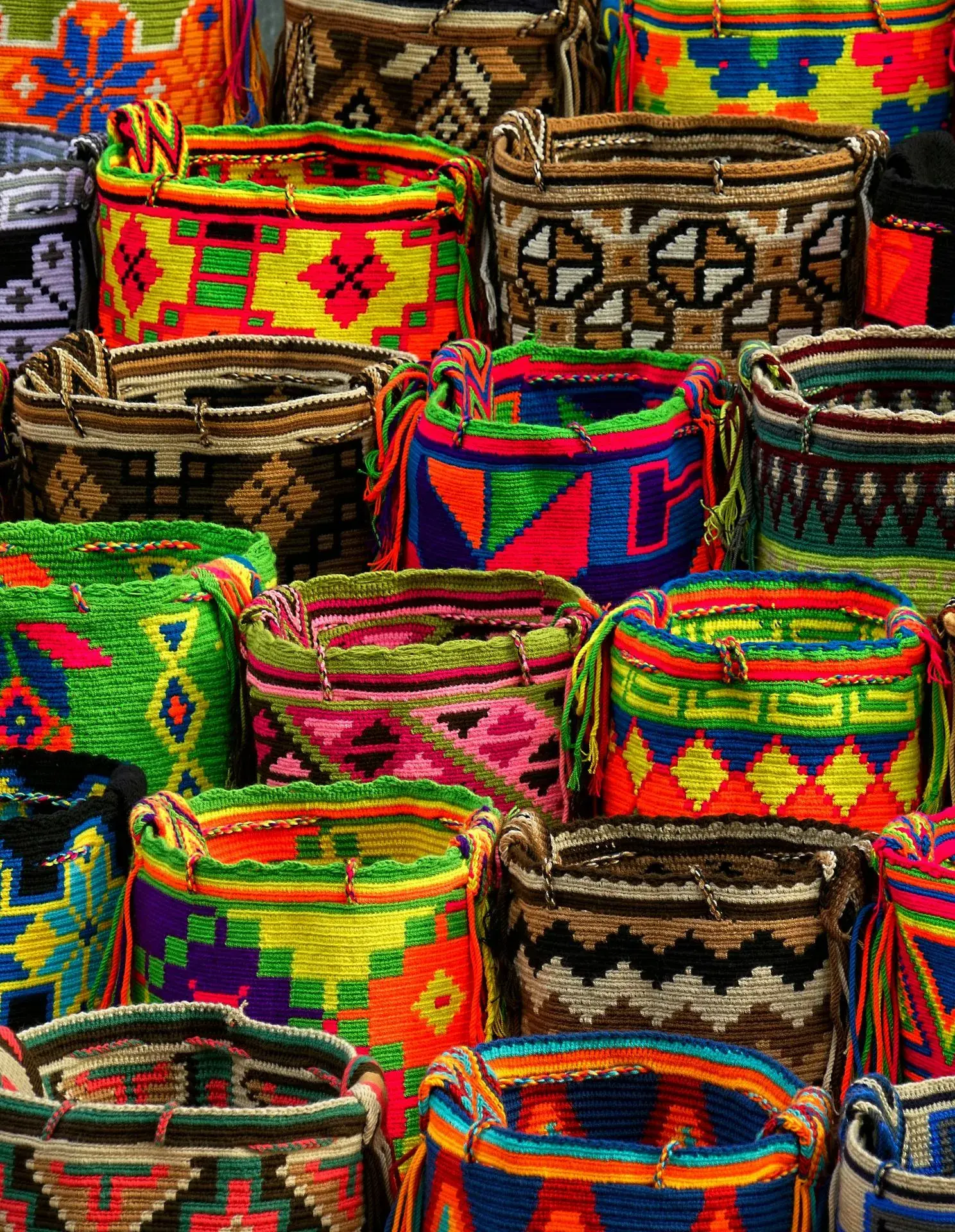
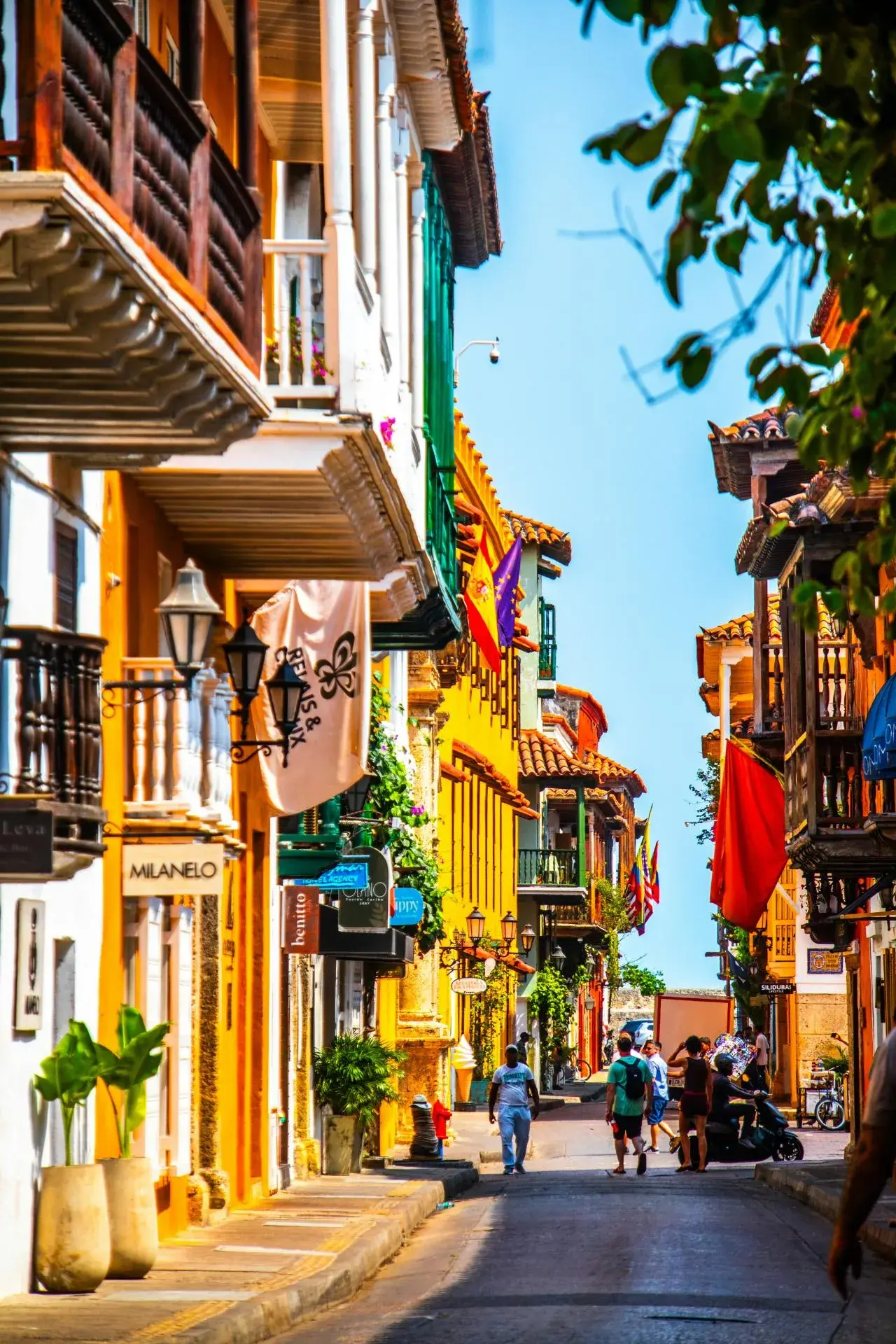
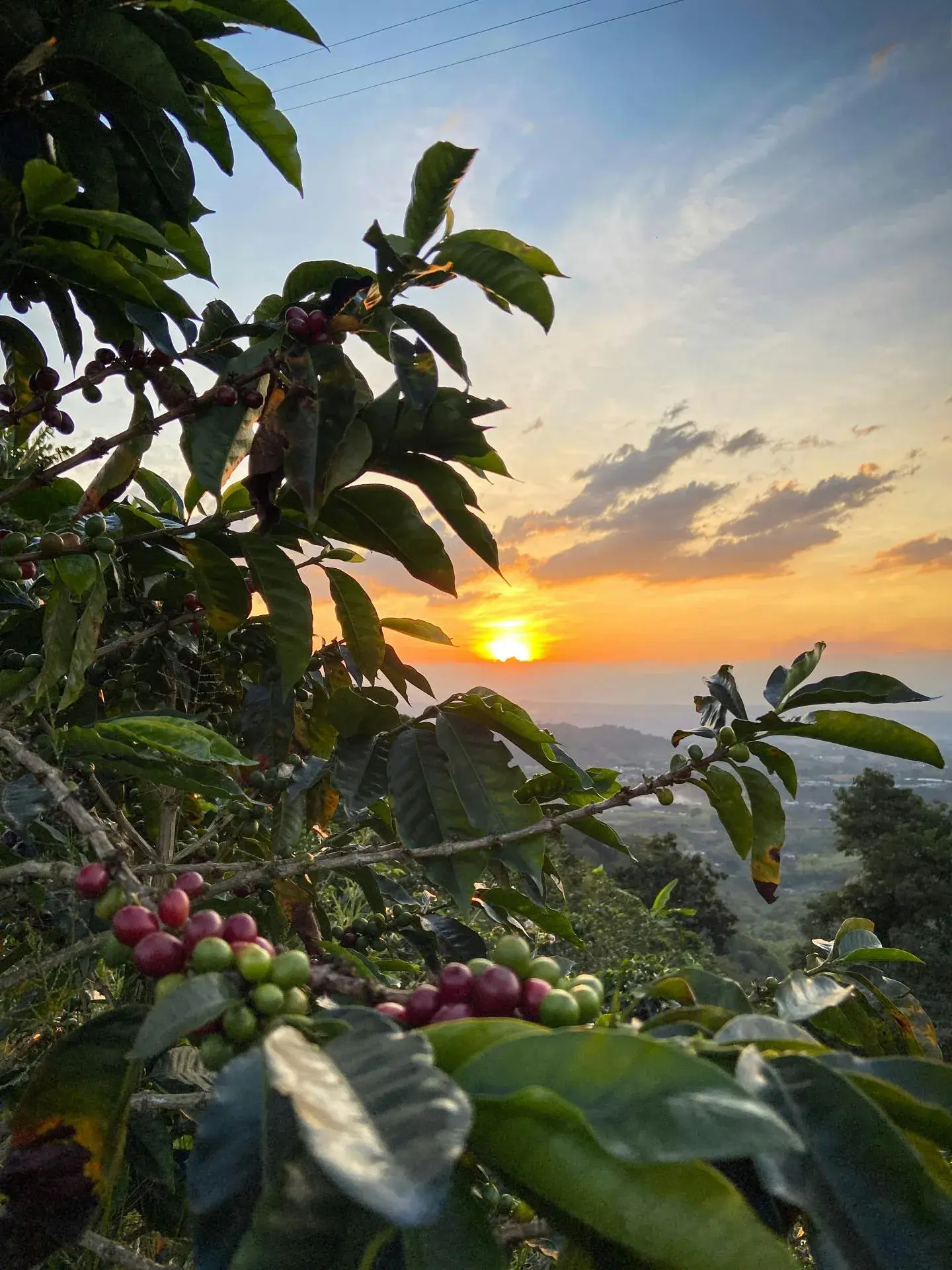
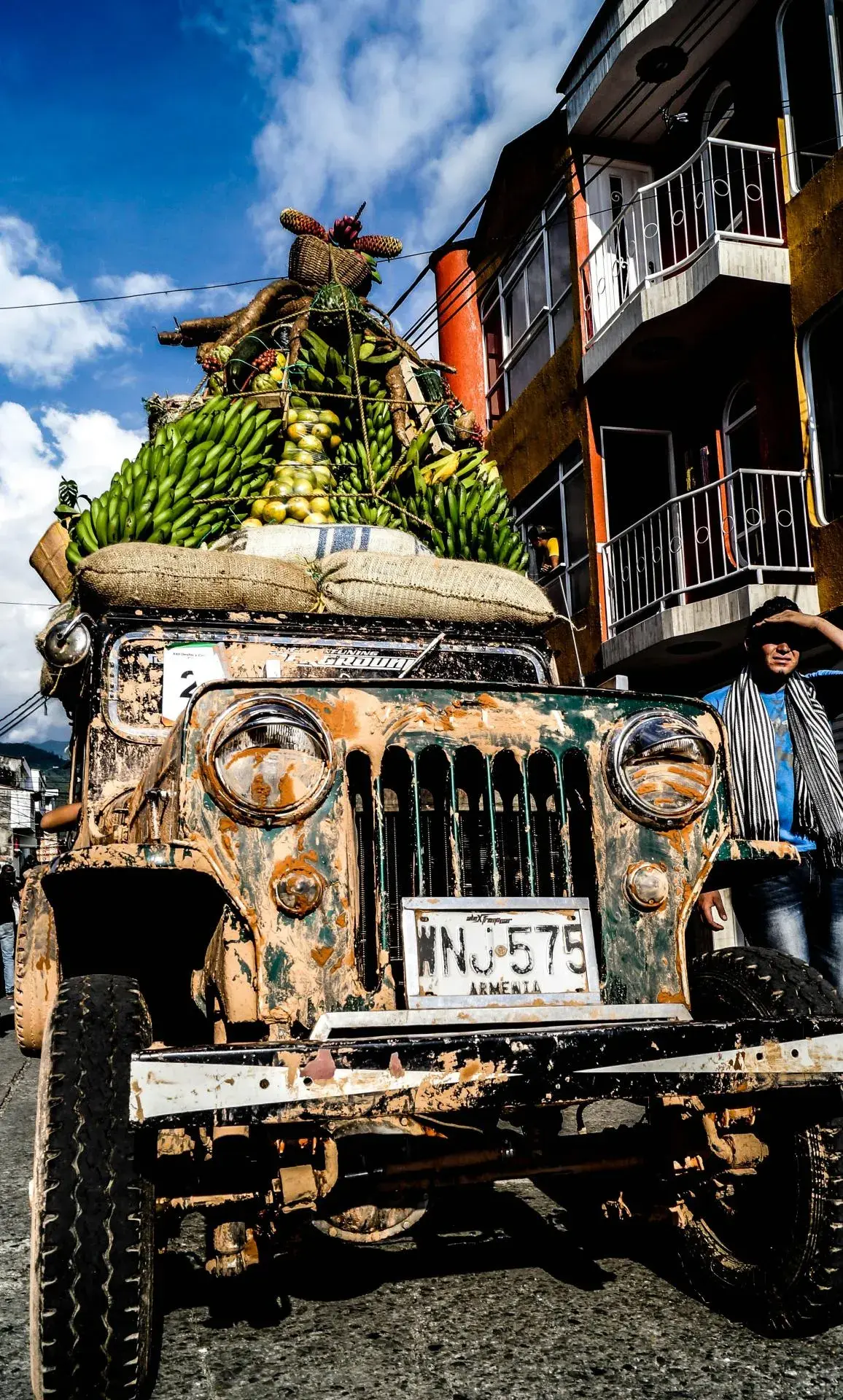
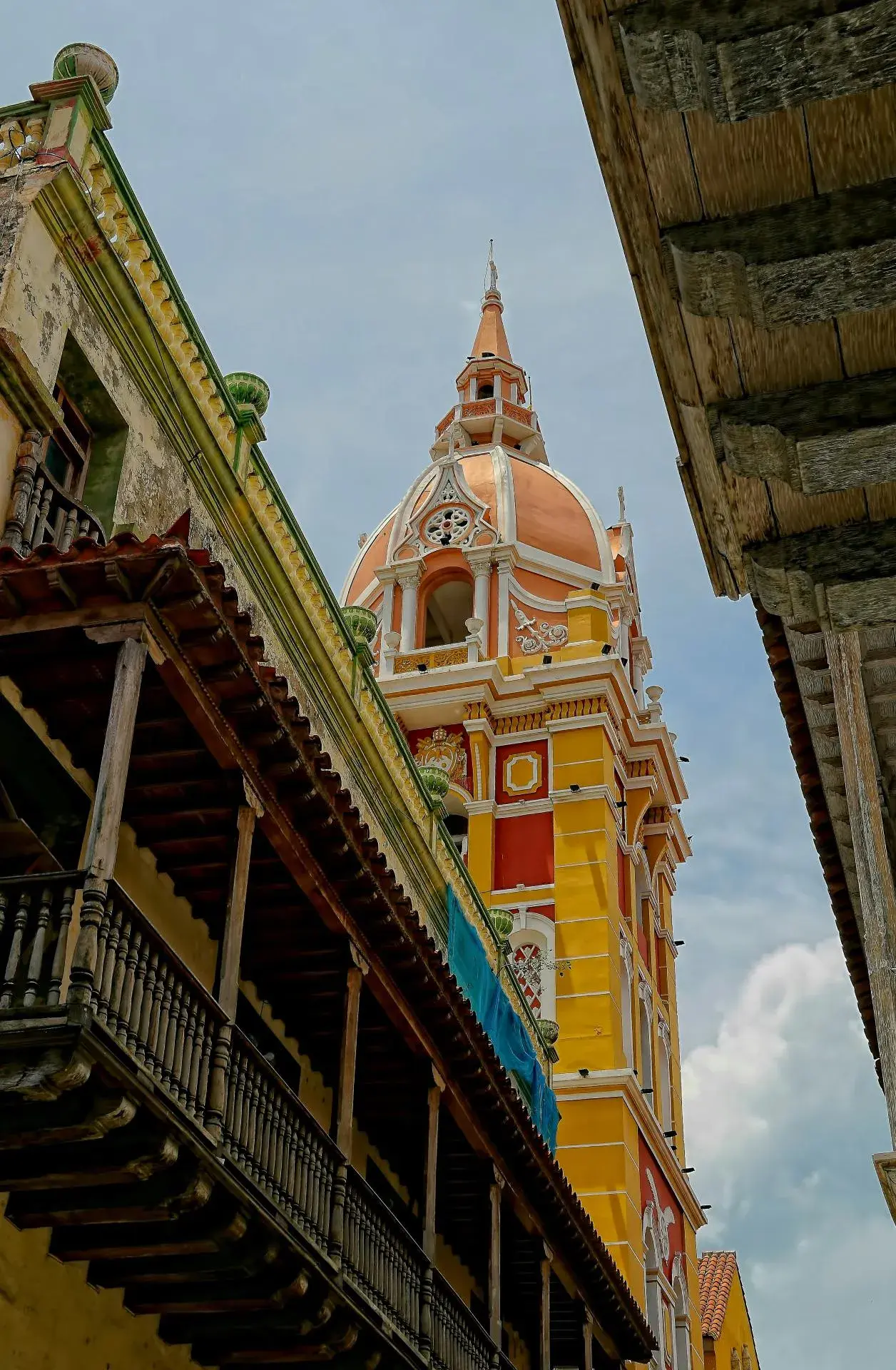
In Colombia, the landscape shifts with every turn, from cool Andean peaks to lush coffee hills and warm Caribbean shores. Colonial streets open into colorful plazas, while music drifts through the air in lively cities. Along the coast, turquoise waters meet quiet coves framed by jungle, and inland, green valleys stretch beneath misty mountains. Markets overflow with tropical fruit, and the aroma of fresh coffee lingers in the countryside. Whether wandering through historic towns or moving between regions, each place reveals a different rhythm, shaped by nature, culture, and a sense of warmth.
Things to consider
-
Clothing depends on altitude. In coastal areas, lightweight, breathable clothing is best due to heat and humidity. In cities like Bogotá and higher elevations, layers are important, as temperatures can be cooler, especially in the evenings. Comfortable walking shoes are recommended. A light rain jacket or umbrella is useful year-round, particularly in wetter months. Modest attire is appreciated in rural areas and churches.
-
No vaccinations are required for entry unless arriving from a yellow fever region. Common recommendations include hepatitis A, typhoid, and routine vaccinations. Yellow fever vaccination may be recommended for certain areas such as the Amazon or jungle regions. It is advisable to consult a travel clinic before departure.
-
The currency is the Colombian Peso (COP). Credit cards are widely accepted in cities, hotels, and restaurants, but cash is important for small purchases and rural areas. ATMs are widely available in urban centers. It is best to use official exchange offices or withdraw from ATMs.
-
Colombia has become much safer in recent years, especially in major cities and tourist areas. Basic precautions are recommended, such as avoiding displaying valuables and using registered transportation. Some remote regions may still require additional awareness, so following local guidance is advised.
-
Tap water is generally safe to drink in major cities such as Bogotá, Medellín, and Cartagena, but bottled water is recommended in rural areas. Colombian cuisine is diverse and fresh, often featuring rice, meats, tropical fruits, and soups. Food from reputable restaurants is generally safe, and local markets offer a wide variety of fresh produce.
Entry requirements:
US and Canadian citizens must have a passport valid for at least six months beyond entry. No visa is required for tourist stays of up to 90 days. Travelers may be asked to show proof of onward or return travel. An online immigration form is typically completed before arrival or departure. Requirements can change, so it is advisable to verify details before travel.