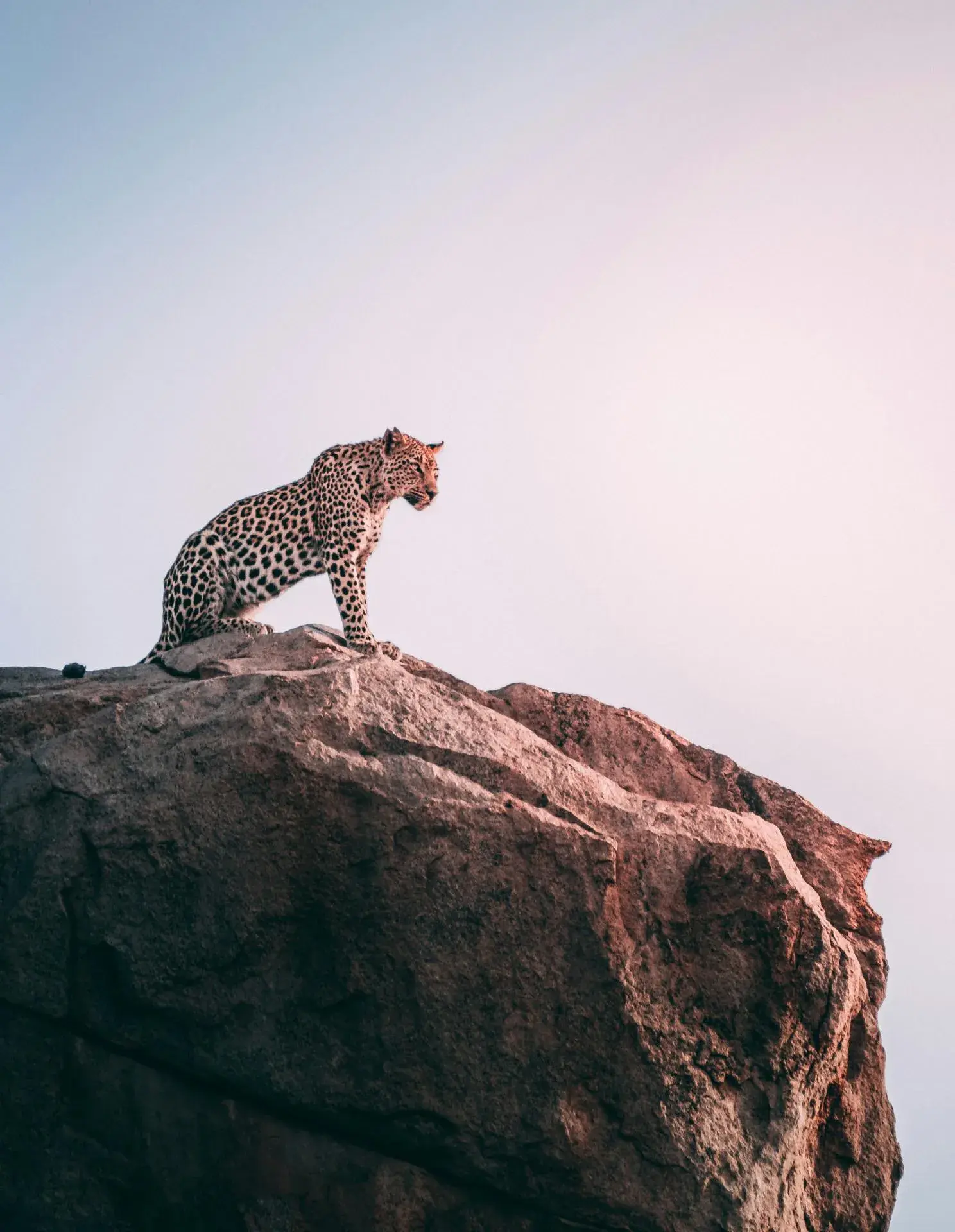
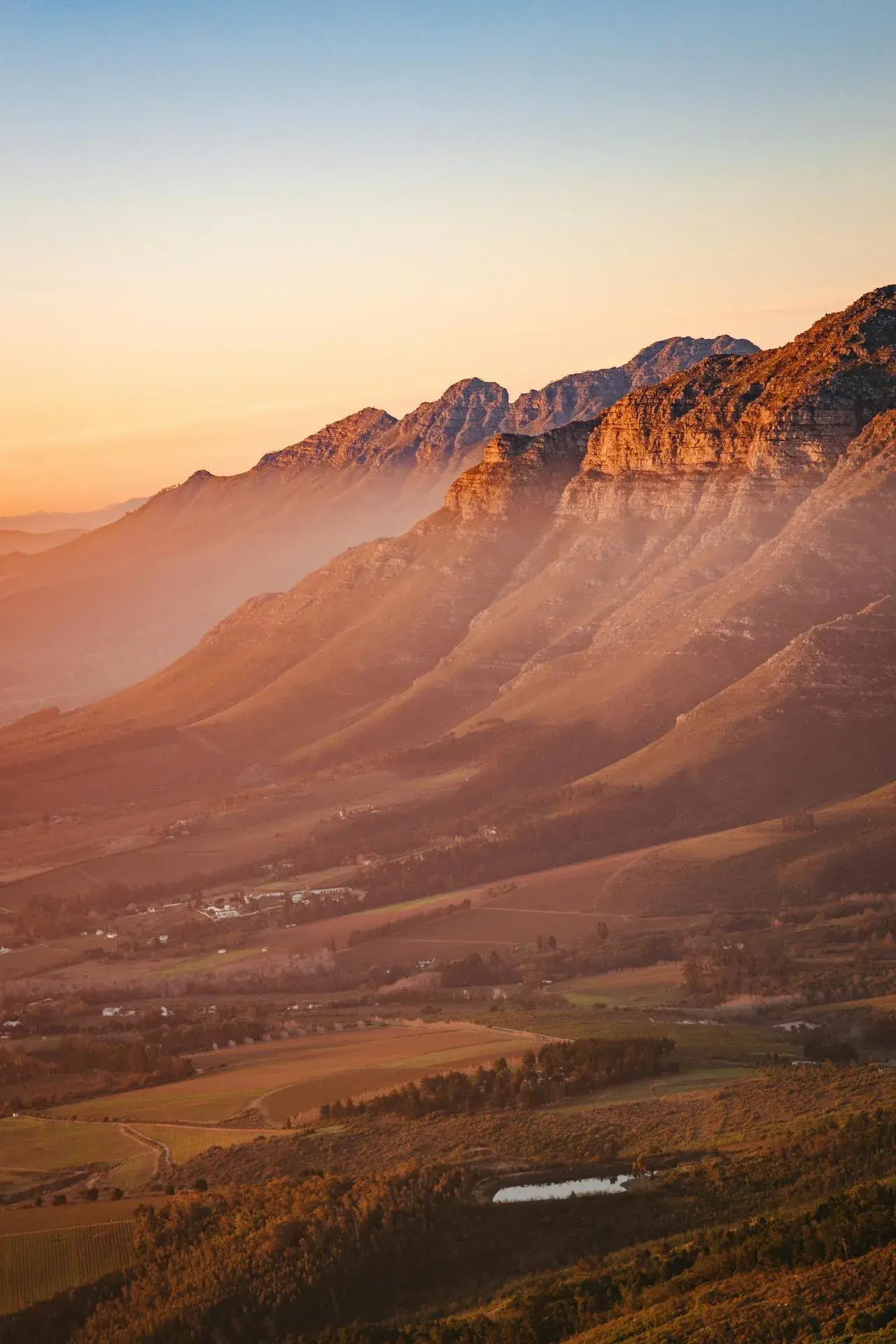
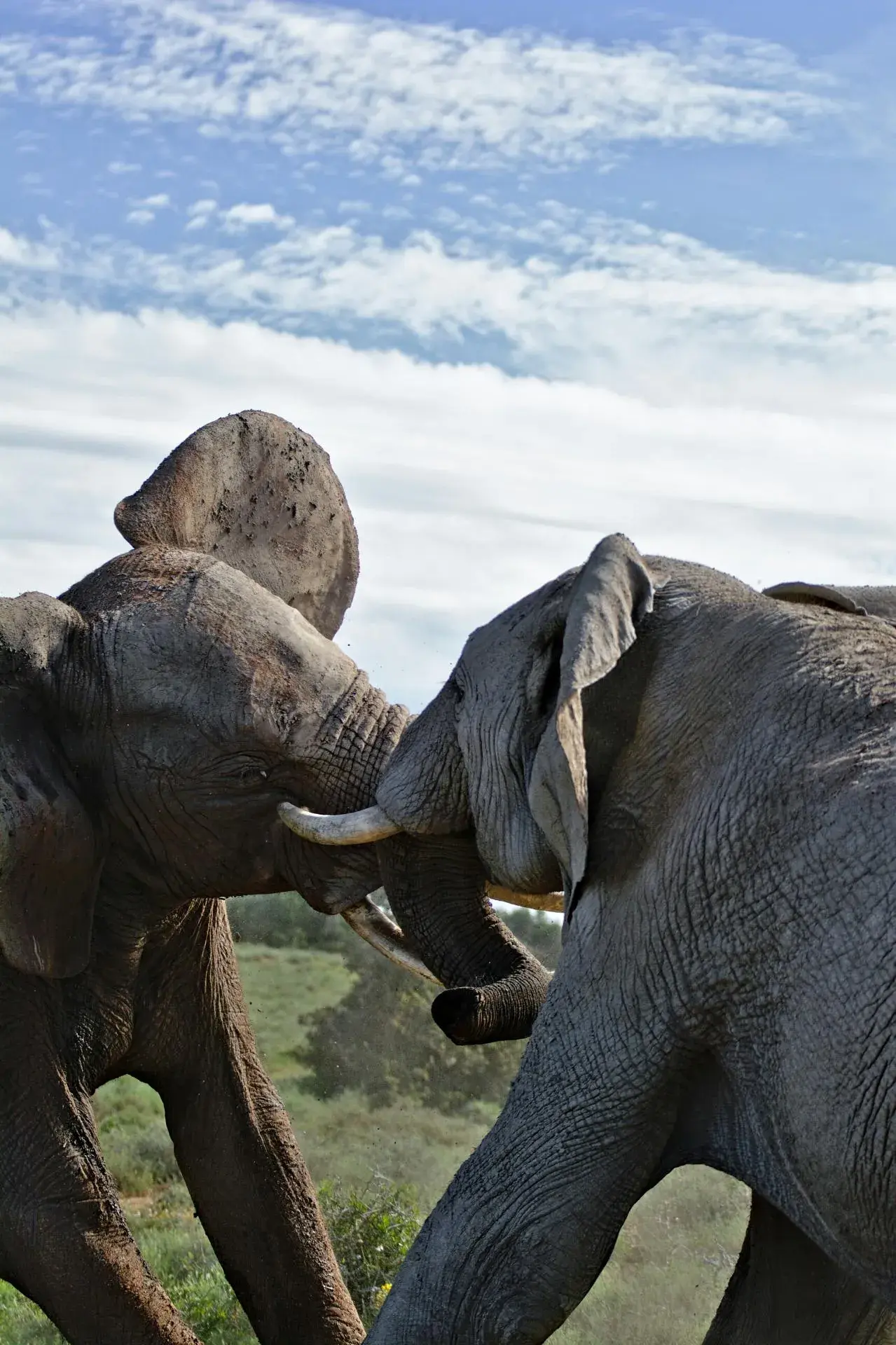
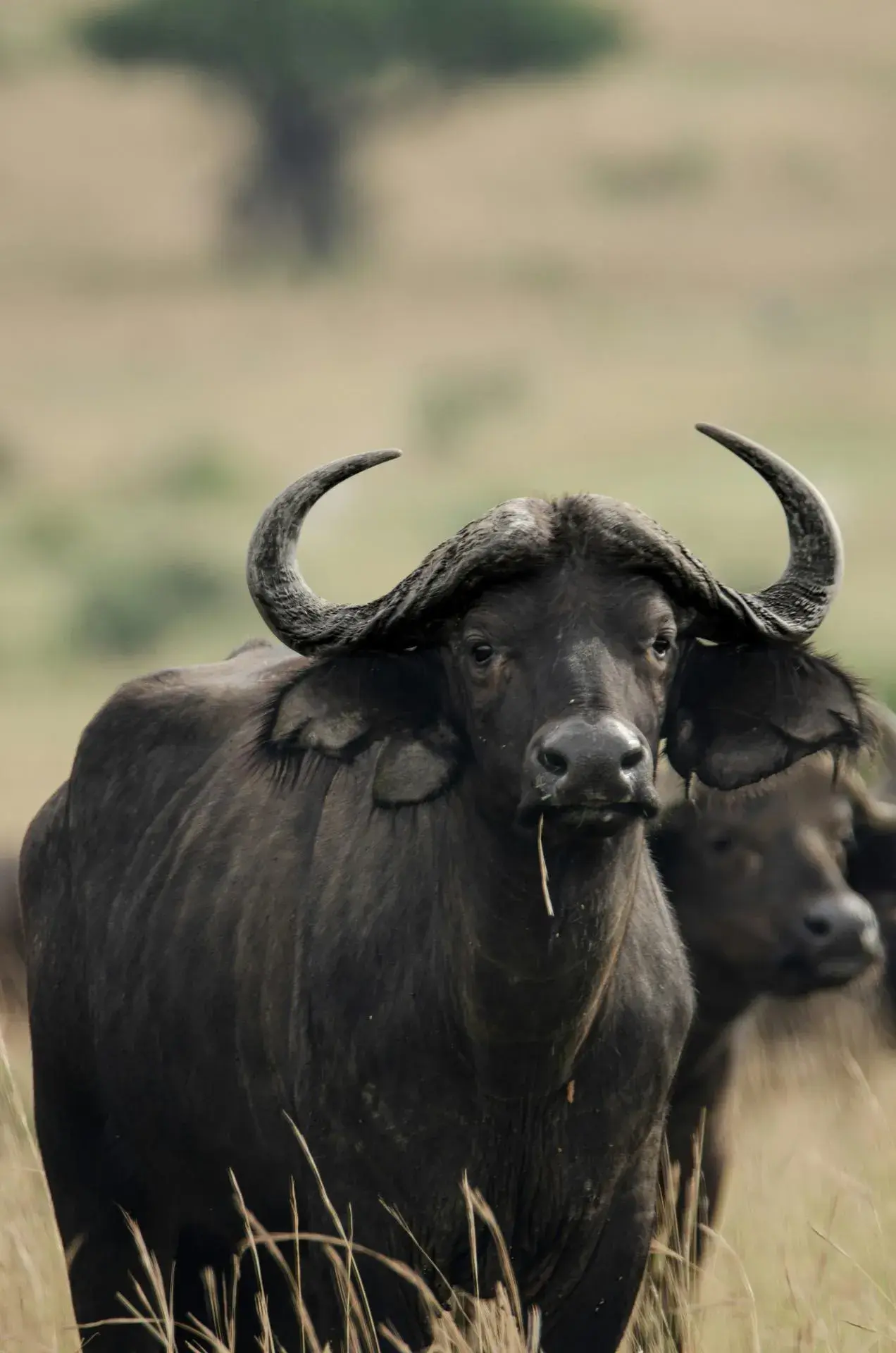
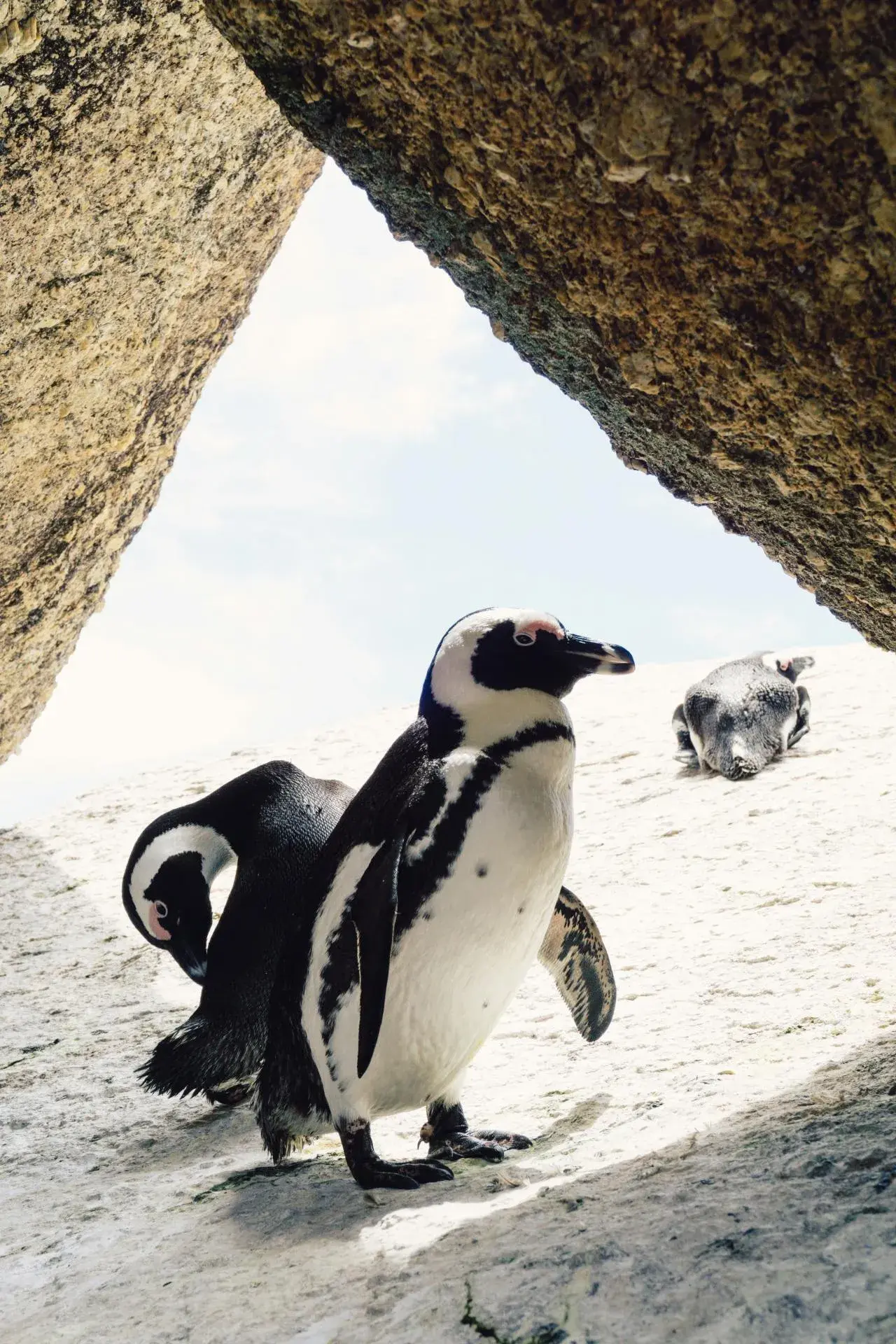
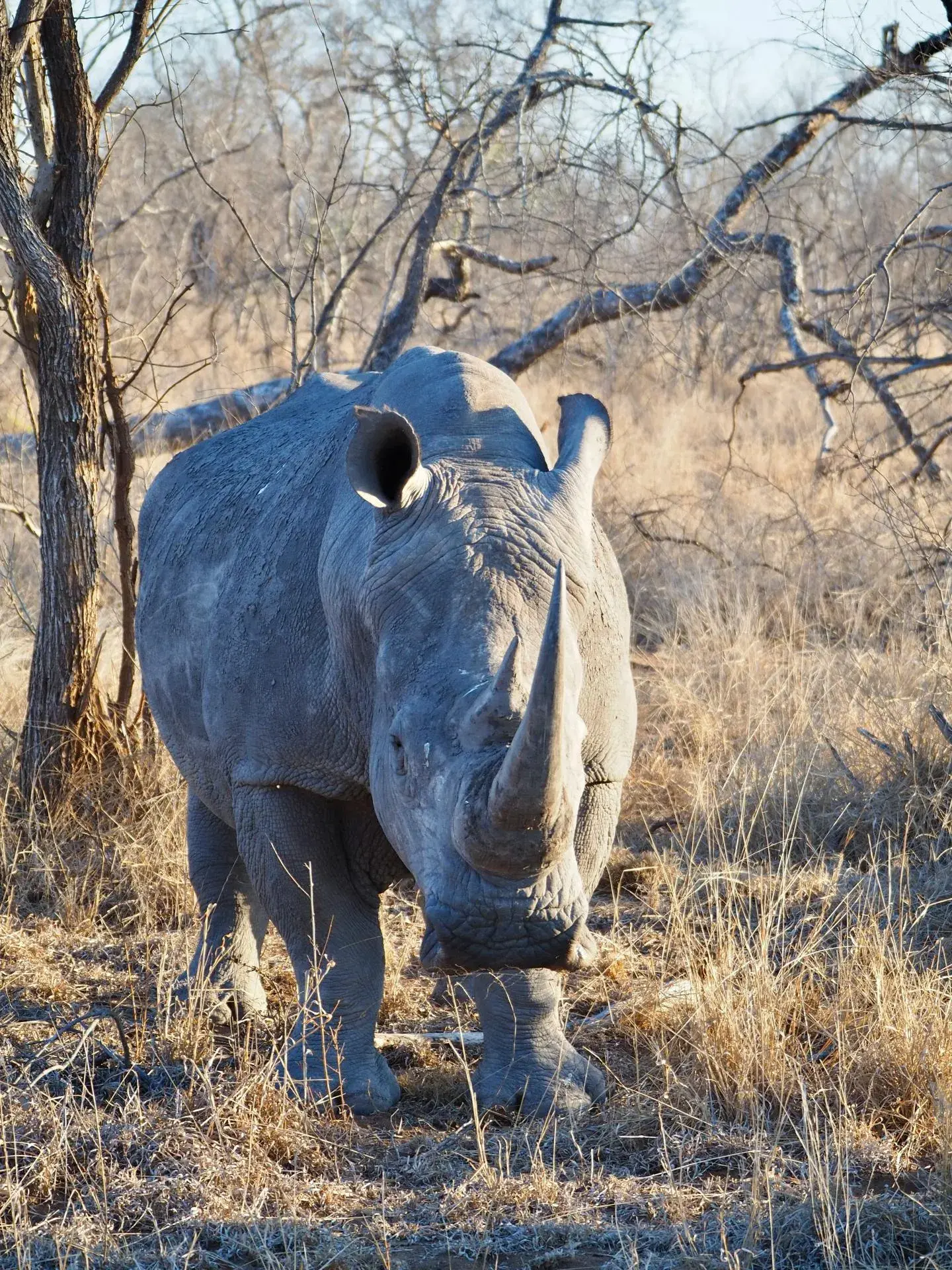
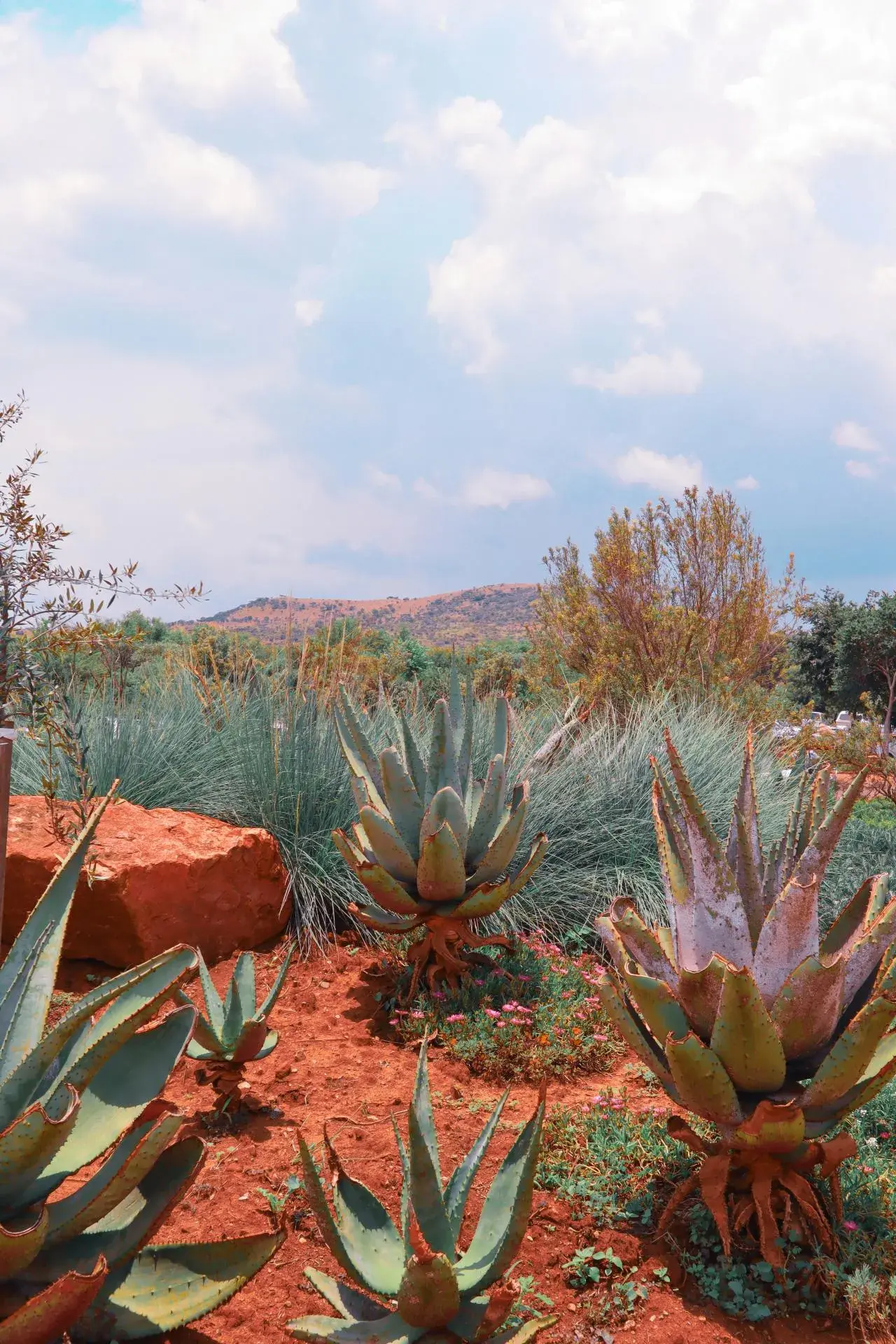
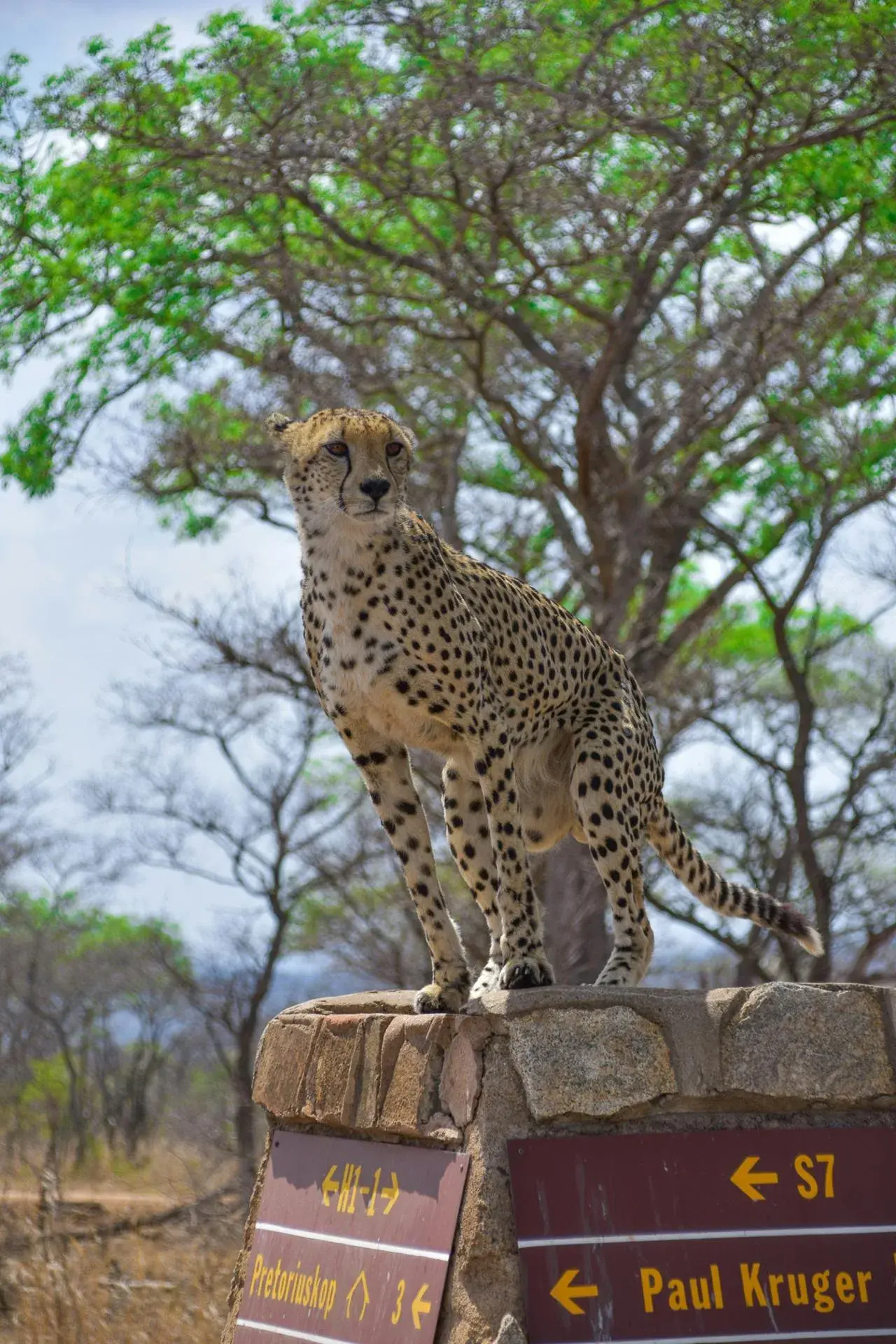
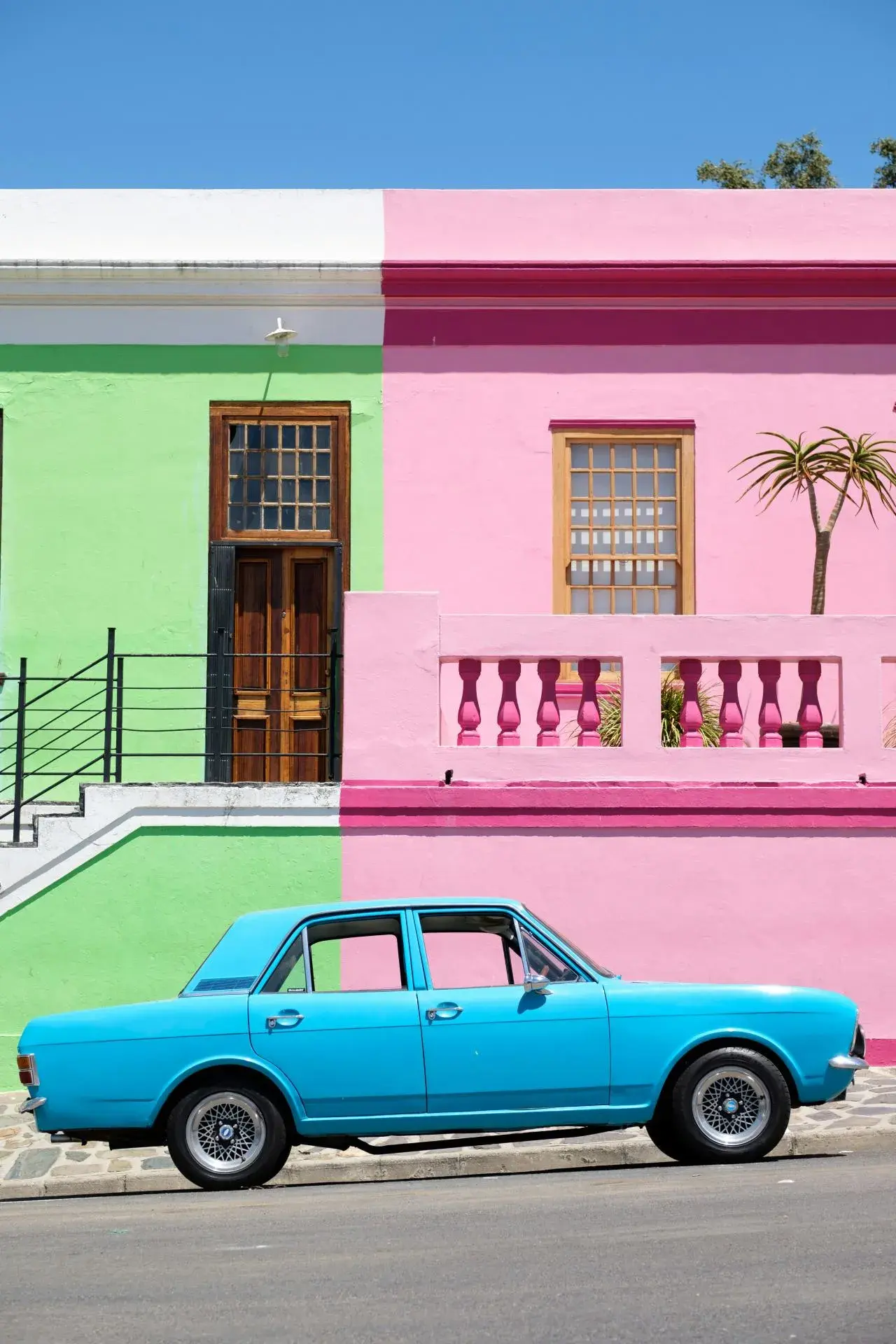
The savannahs of South Africa echo with the calls of wildlife, vineyards stretch beneath quiet mountains in the Cape Winelands, and the coastline meets two oceans in a rhythm that beats against it's rocky shores.
Overview
South Africa’s history is shaped by a rich mix of indigenous cultures, including the San, Khoikhoi, and later Bantu-speaking peoples, followed by European arrival in the 17th century when the Dutch established a settlement at the Cape. British control in the 19th century, along with the discovery of diamonds and gold, transformed the region and intensified political and social divisions. The 20th century was defined by apartheid, a system of racial segregation that lasted until the early 1990s, when democratic reforms led by figures such as Nelson Mandela reshaped the nation.
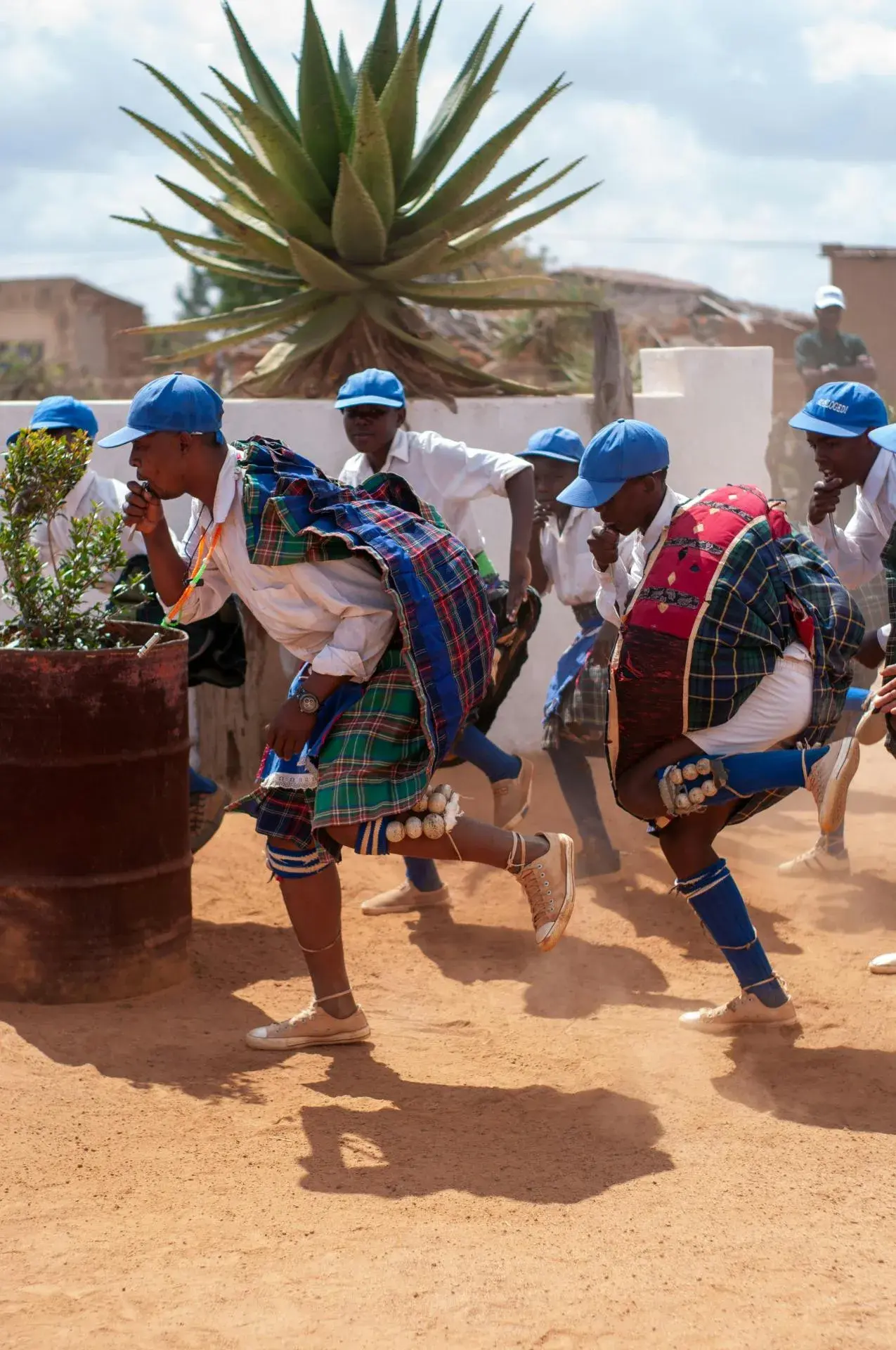
Today, South Africa reflects this layered history through its diversity of cultures, languages, and traditions. It offers a wide range of landscapes and experiences, from vibrant cities and coastal regions to vineyards and wildlife reserves. Cape Town blends dramatic scenery with culture and cuisine, the Winelands provide a refined and relaxed setting, and inland reserves offer some of Africa’s most varied and accessible safari experiences.
1,214,470 sq km (468,909 sq miles), or more than twice as large as France
Botswana, Lesotho, Mozambique, Namibia, Swaziland & Zimbabwe
South Africa has 11 official languages: Zulu, Xhosa, Afrikaans, English, Northern Sotho (Sepedi) and others
Suggested Journeys
Featured Properties
When to Travel
South Africa is a year-round destination, with timing depending on regions and experiences.
May through September (Dry Season – Best for Safari)
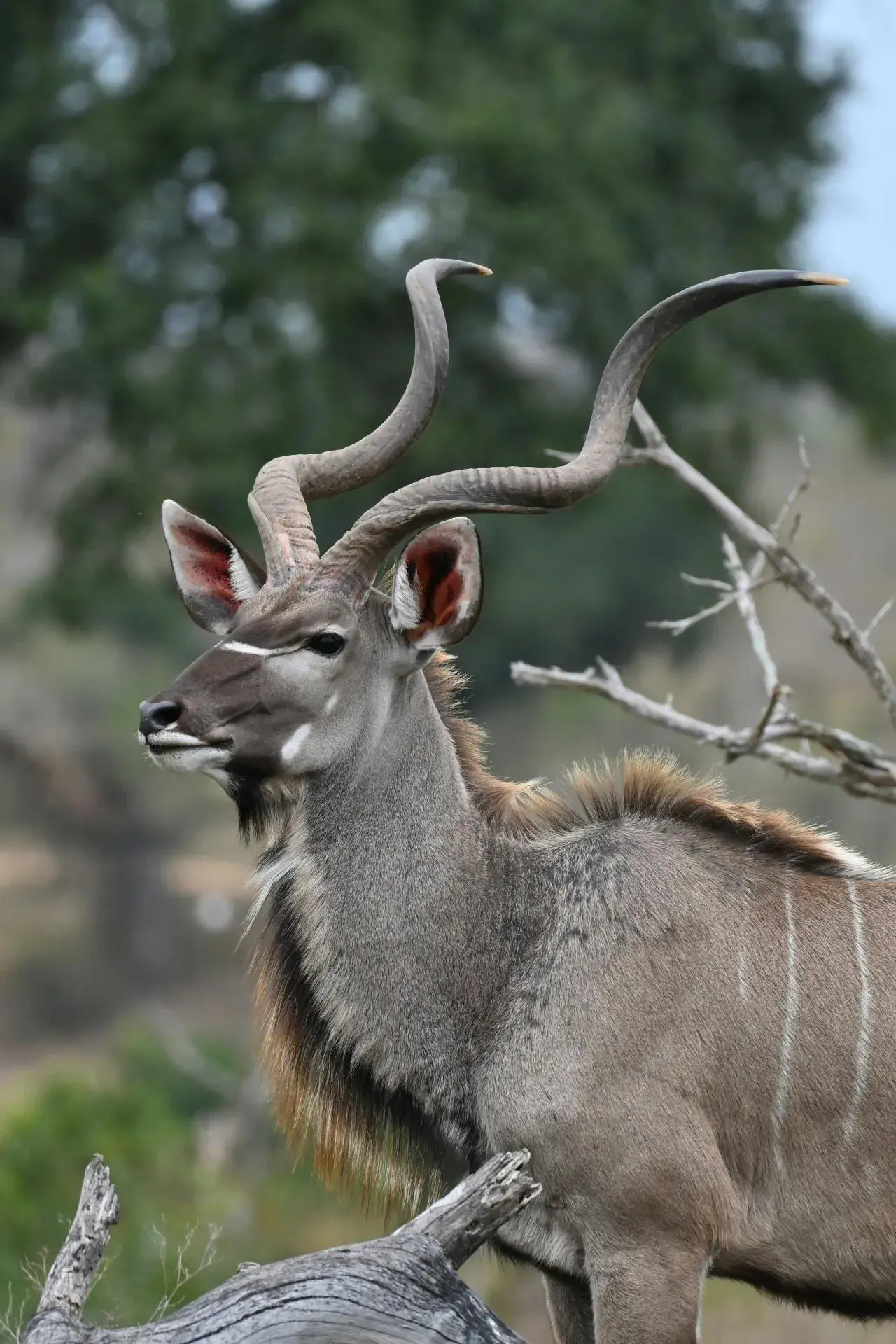
This is the best time for wildlife viewing, especially in areas like Kruger National Park. Vegetation is thinner and animals gather around water, making sightings easier. Days are mild (20–26°C / 68–79°F), with cooler mornings and evenings.
October through April (Green Season – Best for Scenery & Coast)
Landscapes are lush and vibrant, with warmer temperatures (25–32°C / 77–90°F). This is an excellent time for visiting Cape Town and the Winelands, enjoying beaches, and seeing newborn wildlife. Birdlife is also at its peak.
December through February (Summer – Peak Coastal Season)
Best for Cape Town and the coast, with long sunny days. It is also the busiest travel period.
September through November (Spring) & March through May (Autumn)
These shoulder seasons offer mild weather, fewer crowds, and a good balance between safari and coastal experiences.
In short:
• May–September: Best for safari
• October–April: Best for scenery and Cape Town
• Shoulder months: Best overall balance
Travel highlights
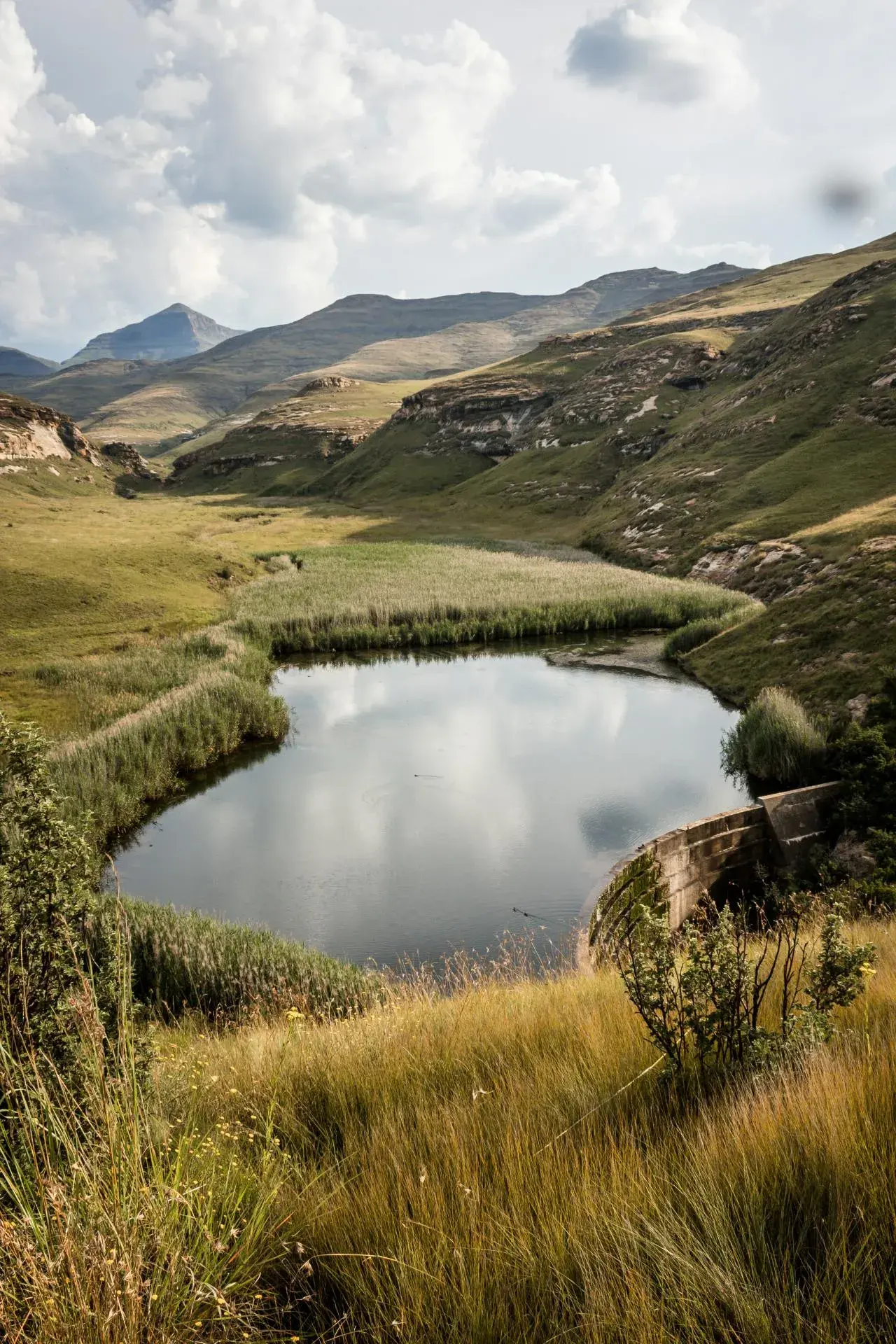
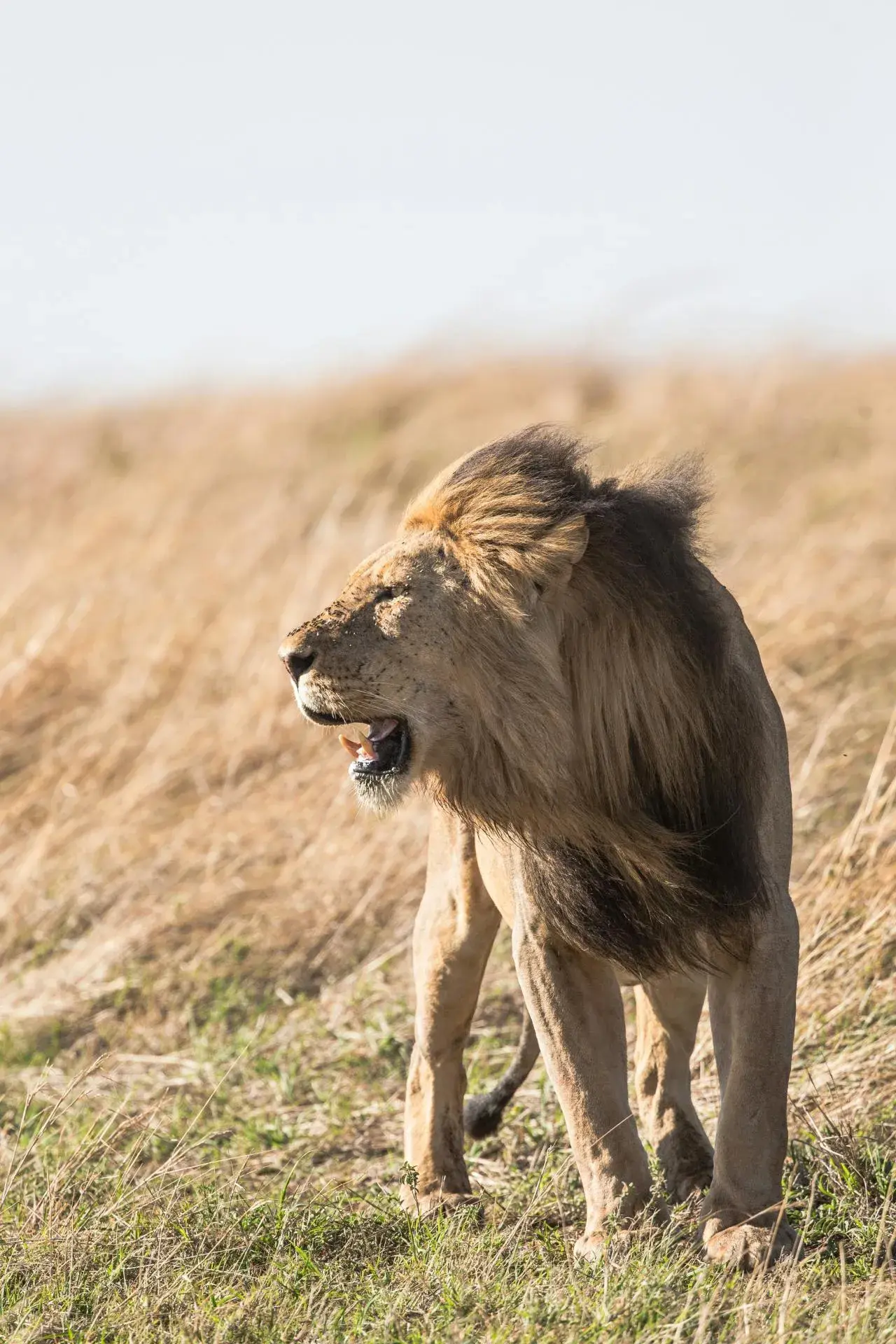
South Africa offers a rich mix of landscapes and experiences, from the dramatic coastline and vibrant energy of Cape Town to the vineyards and quiet valleys of the Winelands. Inland, wildlife reserves such as Kruger National Park provide excellent safari opportunities with a wide range of species. Scenic routes like the Garden Route combine forests, mountains, and ocean views, while regions like KwaZulu-Natal add cultural depth and varied terrain. The country’s diversity, both natural and cultural, allows for a journey that moves easily between city, coast, and wilderness.
Things to consider
-
South Africa’s climate varies by region, so layers work best. Lightweight clothing is ideal for daytime, especially in warmer areas, while a light jacket is useful for cooler mornings and evenings. On safari, neutral colors and comfortable closed shoes are recommended. In cities like Cape Town, casual but neat clothing is standard.
-
No mandatory vaccinations are required unless arriving from a yellow fever area. Routine vaccines are recommended, along with hepatitis A and typhoid. Malaria precautions may be advised for certain safari areas, including parts of Kruger National Park. It is best to consult a healthcare provider before travel.
-
The currency is the South African Rand (ZAR). Credit cards are widely accepted, and ATMs are easily accessible in cities and towns. Cash is useful for small purchases and tips.
-
South Africa is a well-established travel destination, and most visits run smoothly, especially when traveling through organized itineraries and established areas. That said, awareness and basic precautions are important, particularly in cities.
In major urban areas such as Cape Town and Johannesburg, petty crime such as pickpocketing or opportunistic theft can occur. It is best to avoid displaying valuables, keep phones and wallets secure, and use registered taxis or pre-arranged transfers rather than walking at night or using public transport.
-
Tap water is safe to drink in most urban areas, including Cape Town and Johannesburg. Food standards are high, with a wide range of fresh, well-prepared options available throughout the country.
Entry requirements:
US and Canadian citizens must have a passport valid for at least 30 days beyond departure from South Africa, with at least two blank pages. No visa is required for tourist stays of up to 90 days.Travelers may be asked to show proof of onward or return travel. If traveling with minors, additional documentation (such as birth certificates or consent letters) may be required.