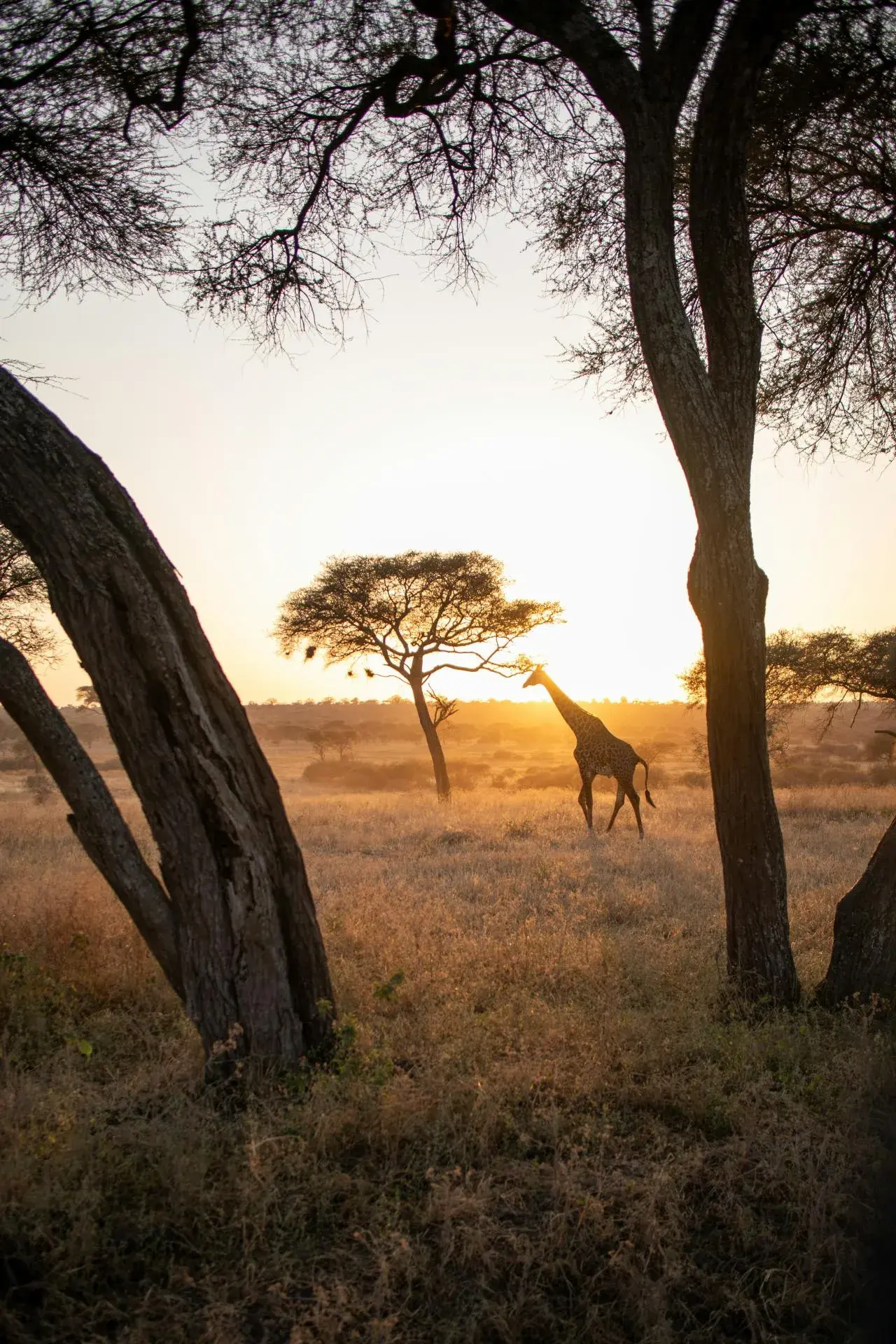
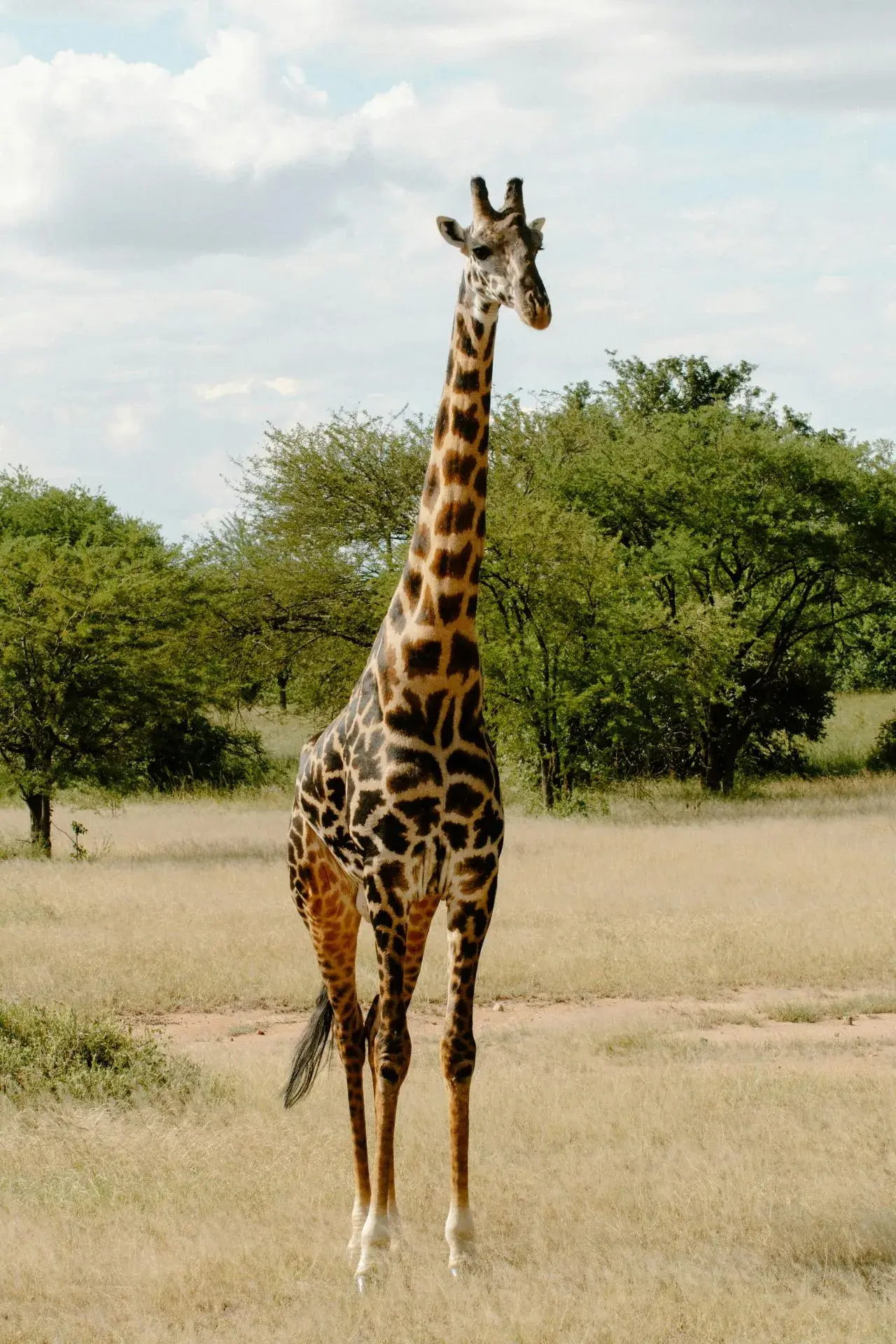
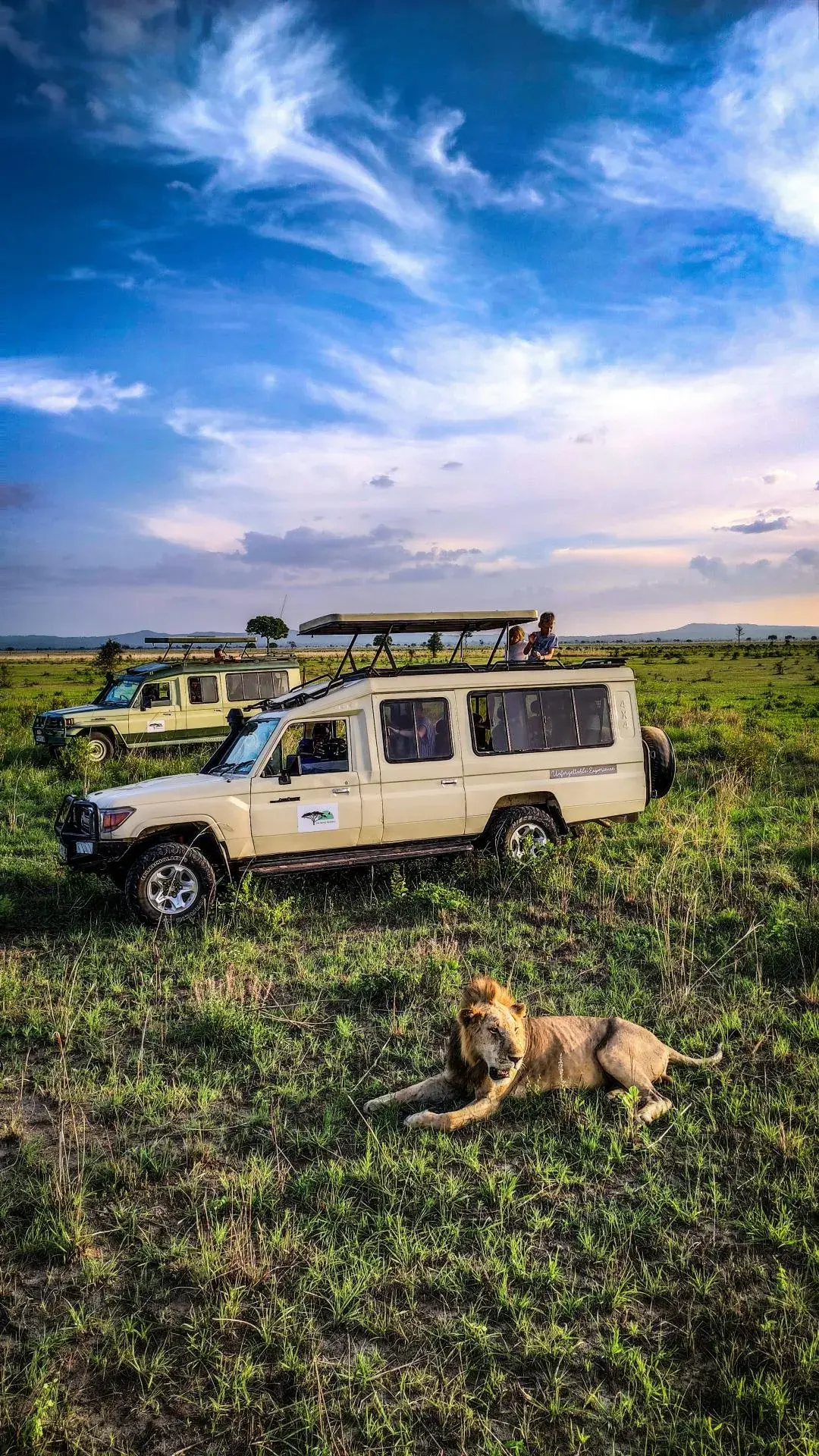
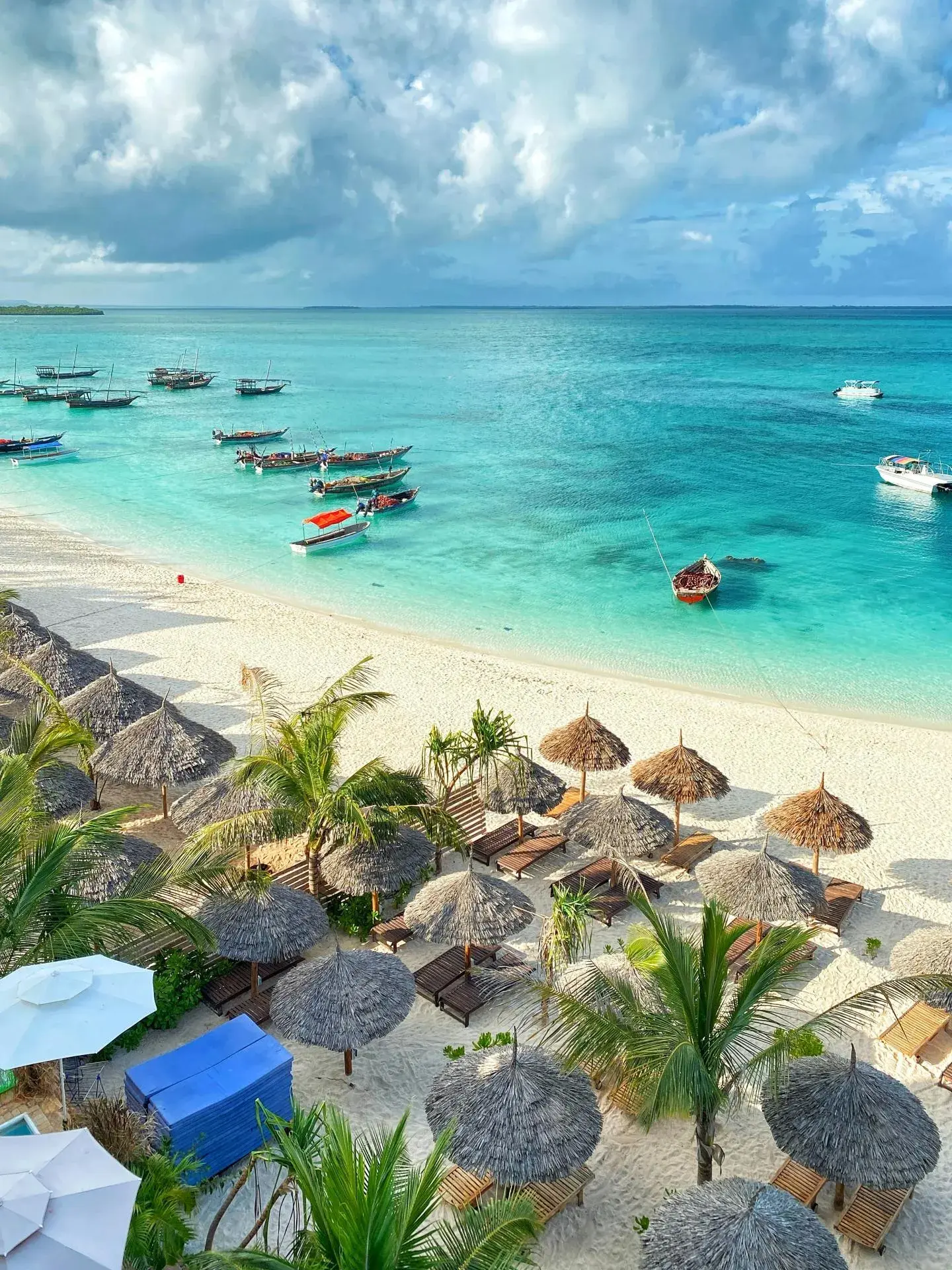
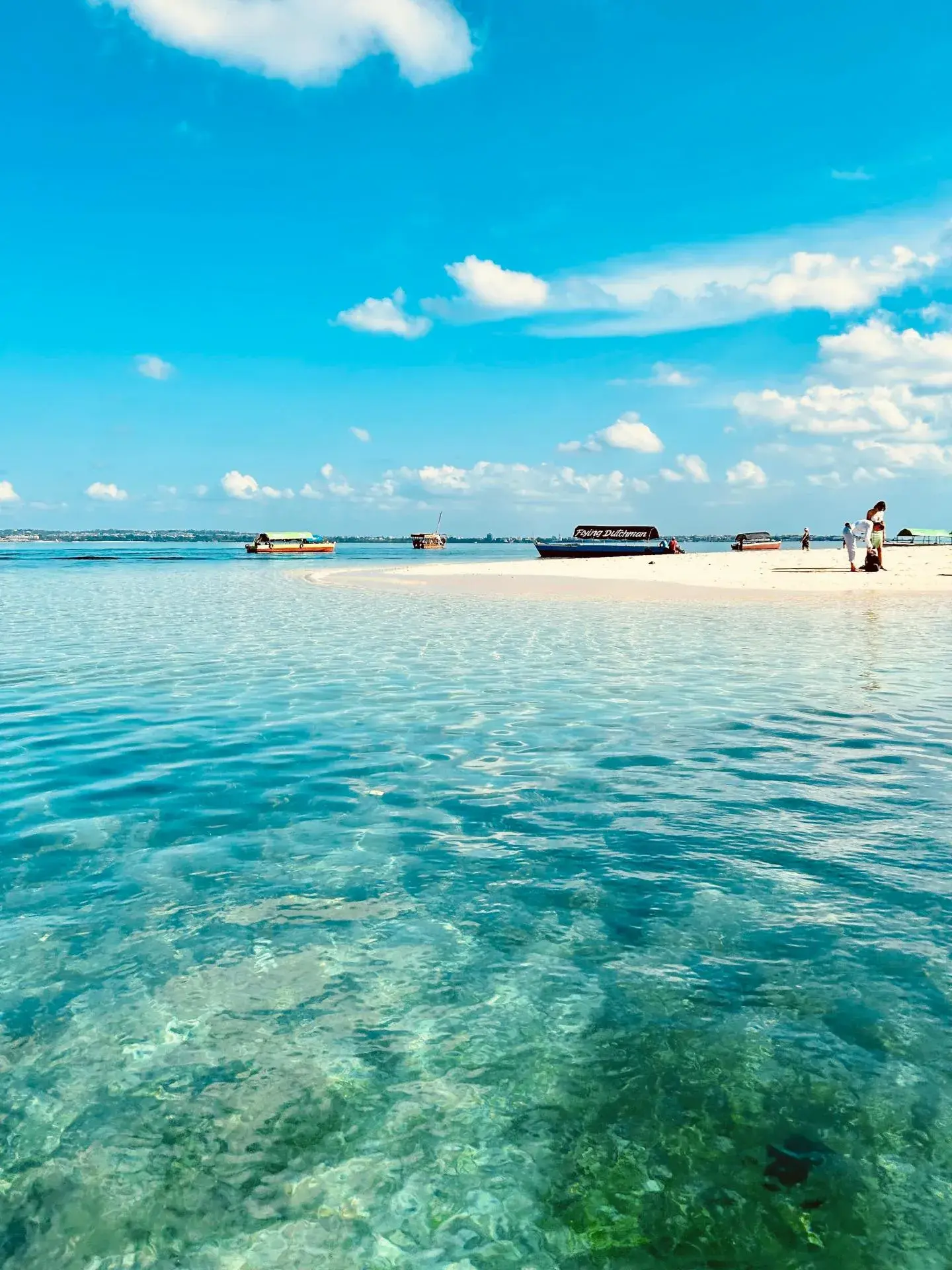
Mount Kilimanjaro rises quietly above golden sunlit fields filled with grazing herds and stalking cats, while Zanzibar's spice-laden markets and white-sand shores sparkle against it's cerulean waters.
Overview
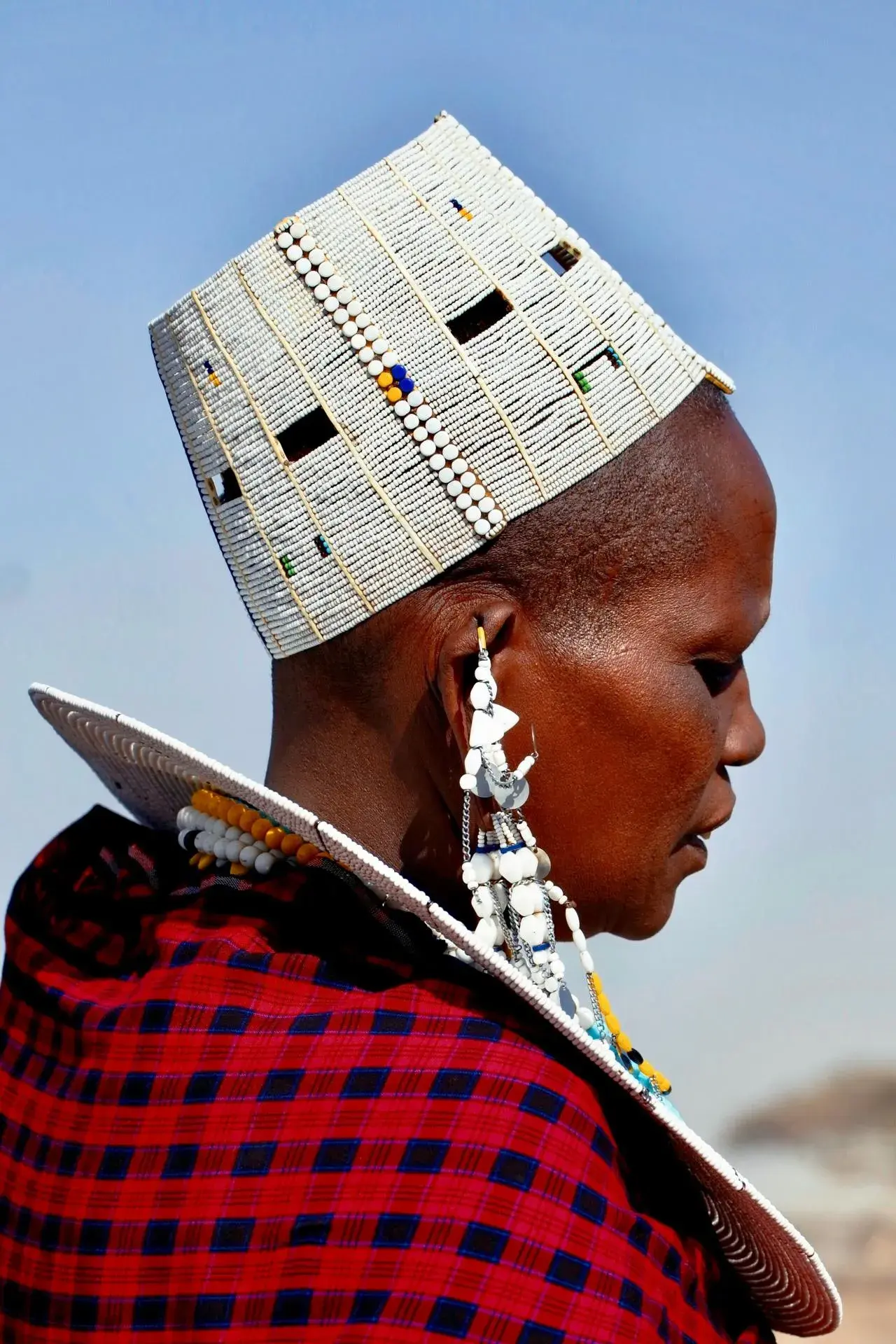
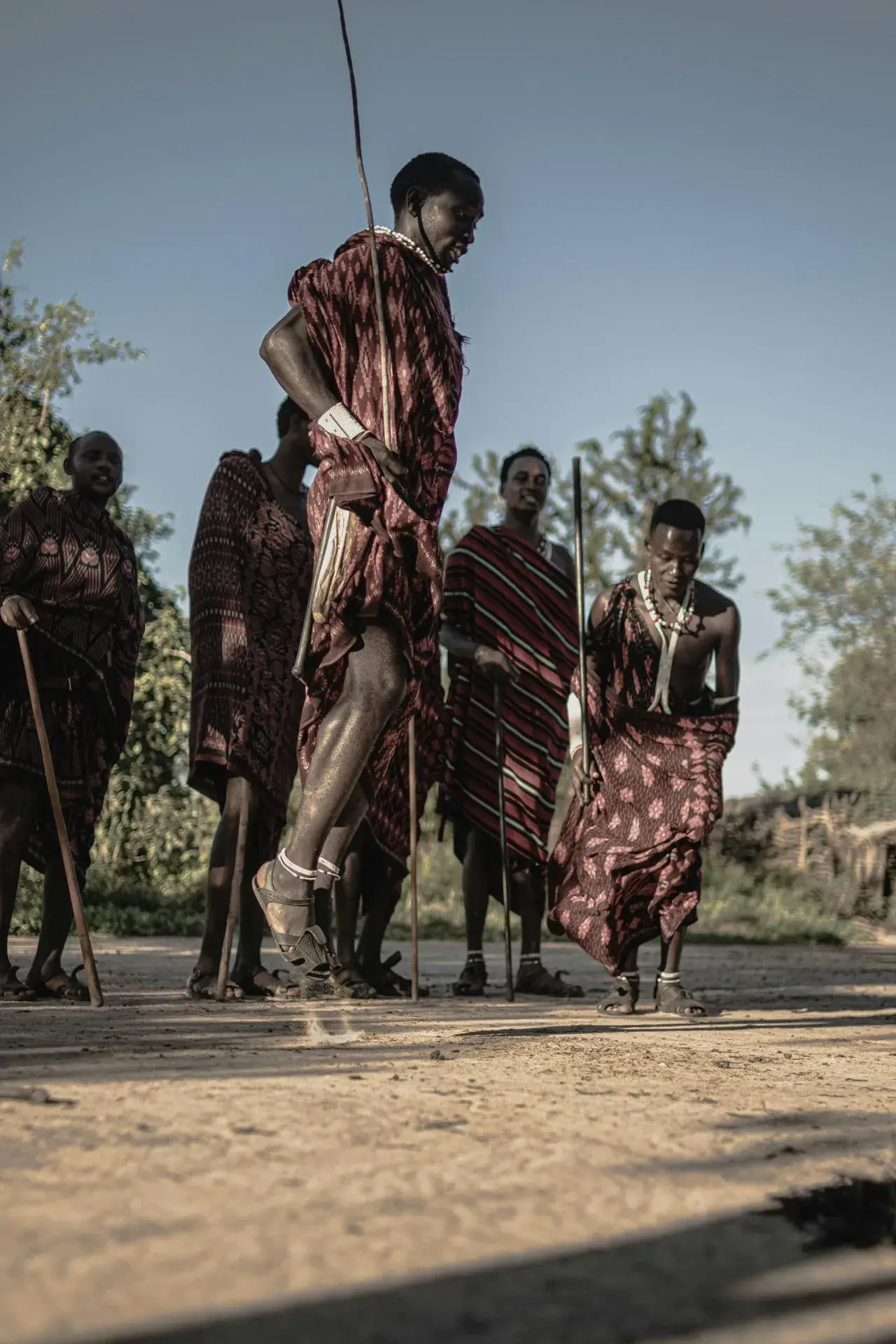
Tanzania’s story is shaped by a long history of coastal trade, early Arab and Persian influence, and later European colonial rule under Germany and Britain, before gaining independence in the early 1960s under the leadership of Julius Nyerere. Today, it remains one of East Africa’s most culturally diverse nations, with over 100 ethnic groups and a strong sense of identity rooted in both tradition and landscape.
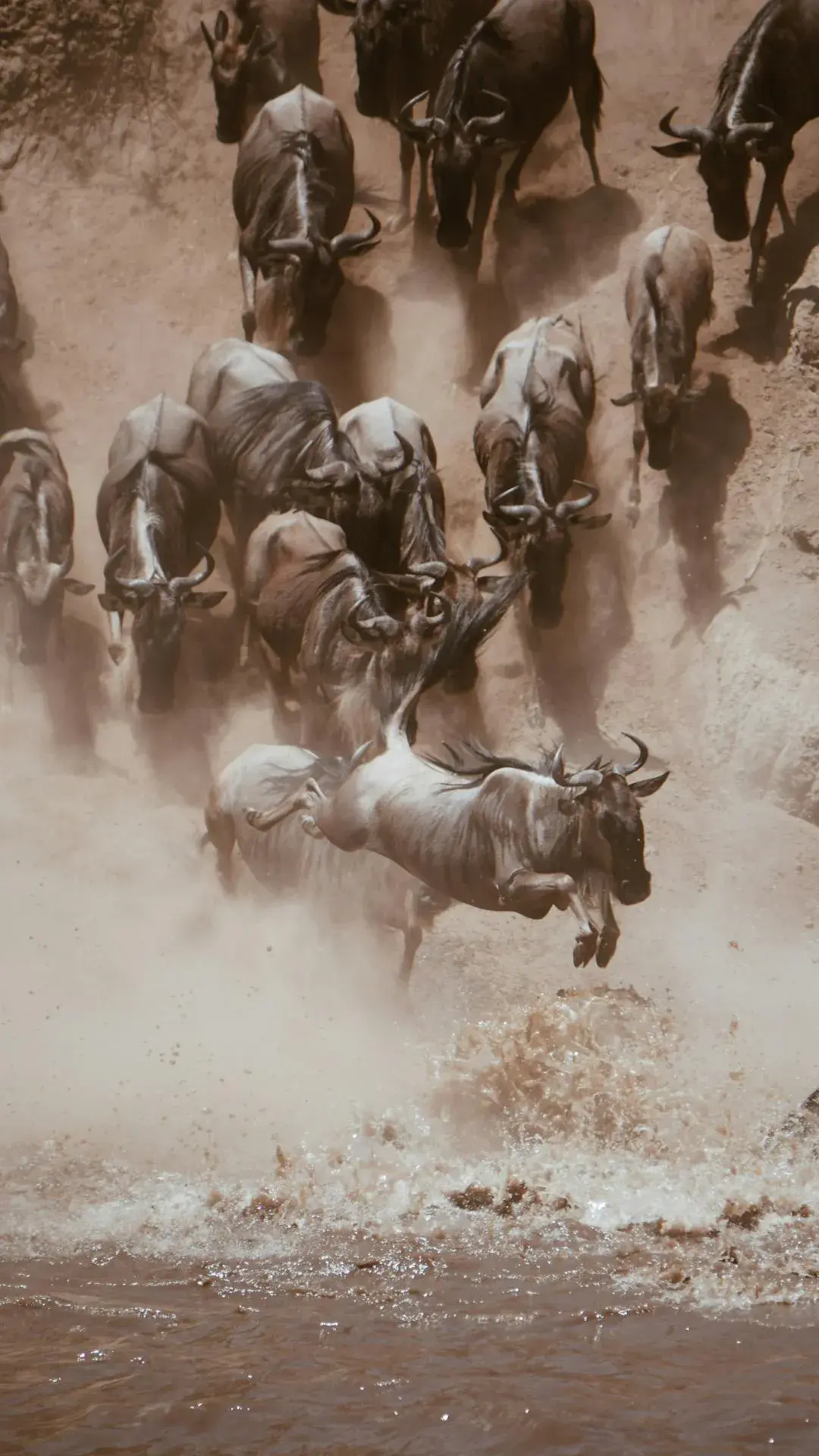
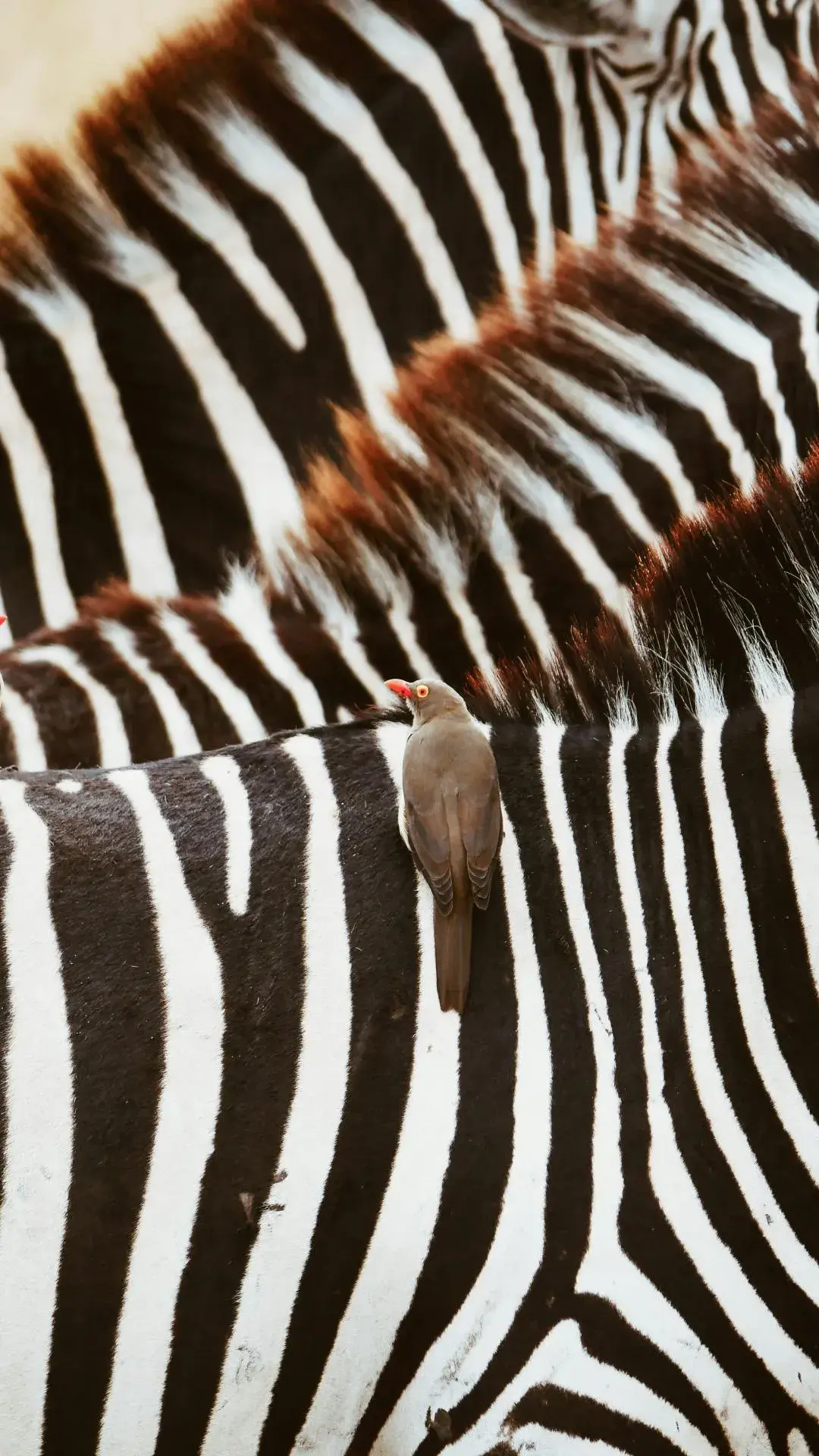
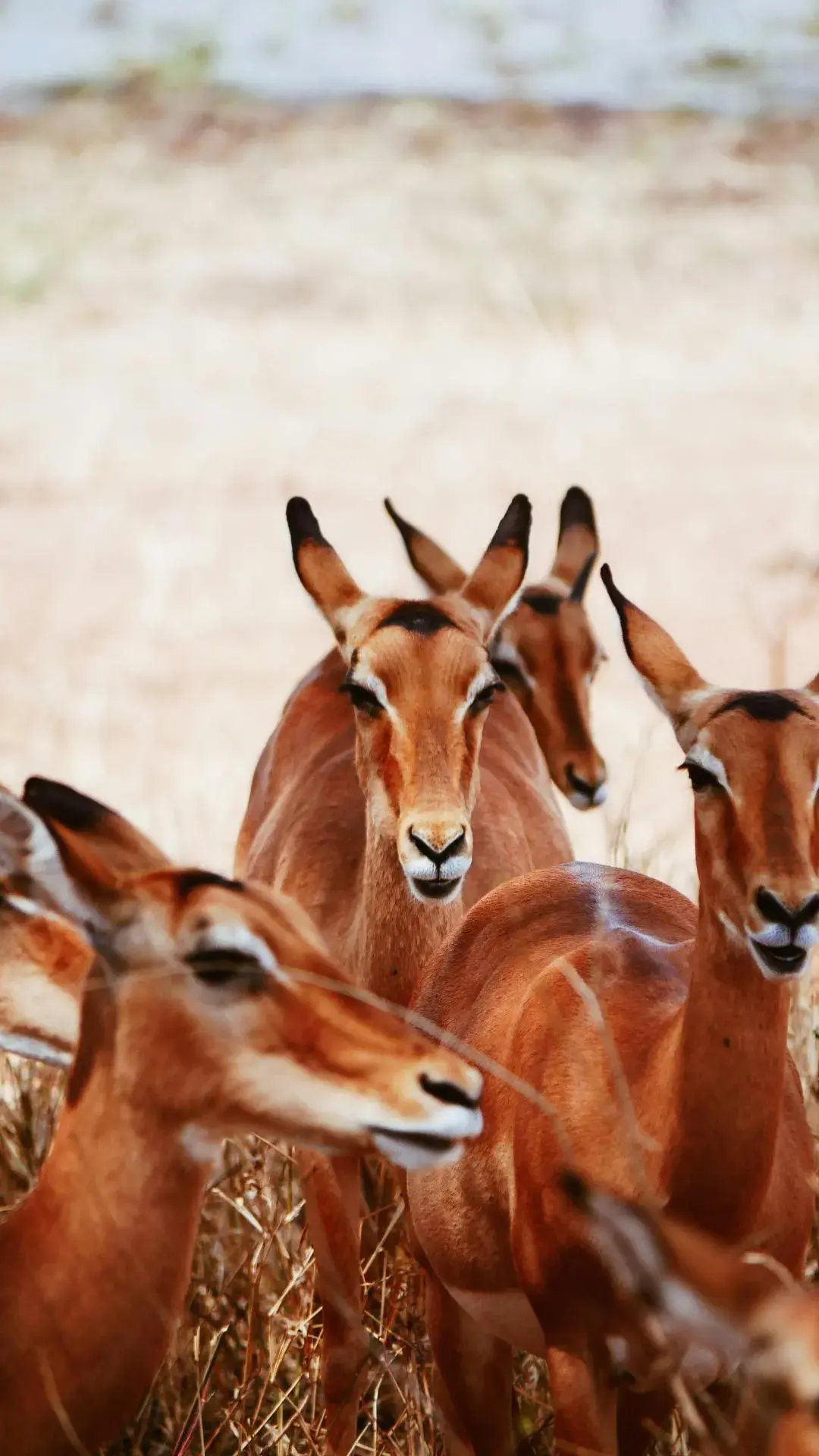
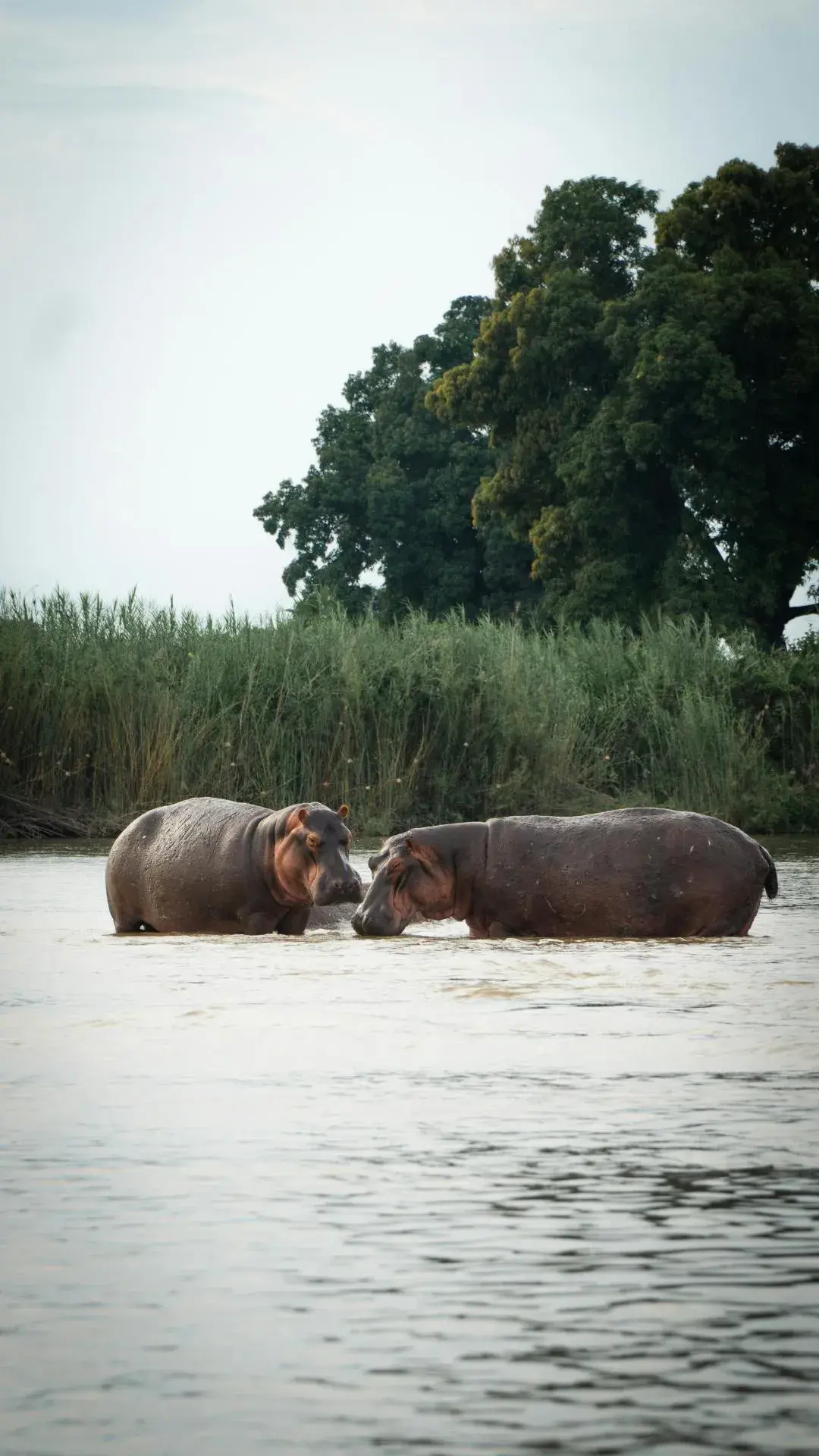
The country is best known for its vast wilderness areas and exceptional wildlife. The Serengeti National Park offers one of Africa’s most iconic safari settings, where open plains support large concentrations of animals and seasonal migration patterns. Nearby, the Ngorongoro Crater provides a unique ecosystem within a collapsed volcanic caldera, home to a dense population of wildlife in a compact area. In the north, Mount Kilimanjaro rises as Africa’s highest peak, while other regions offer lakes, forests, and more remote safari experiences.
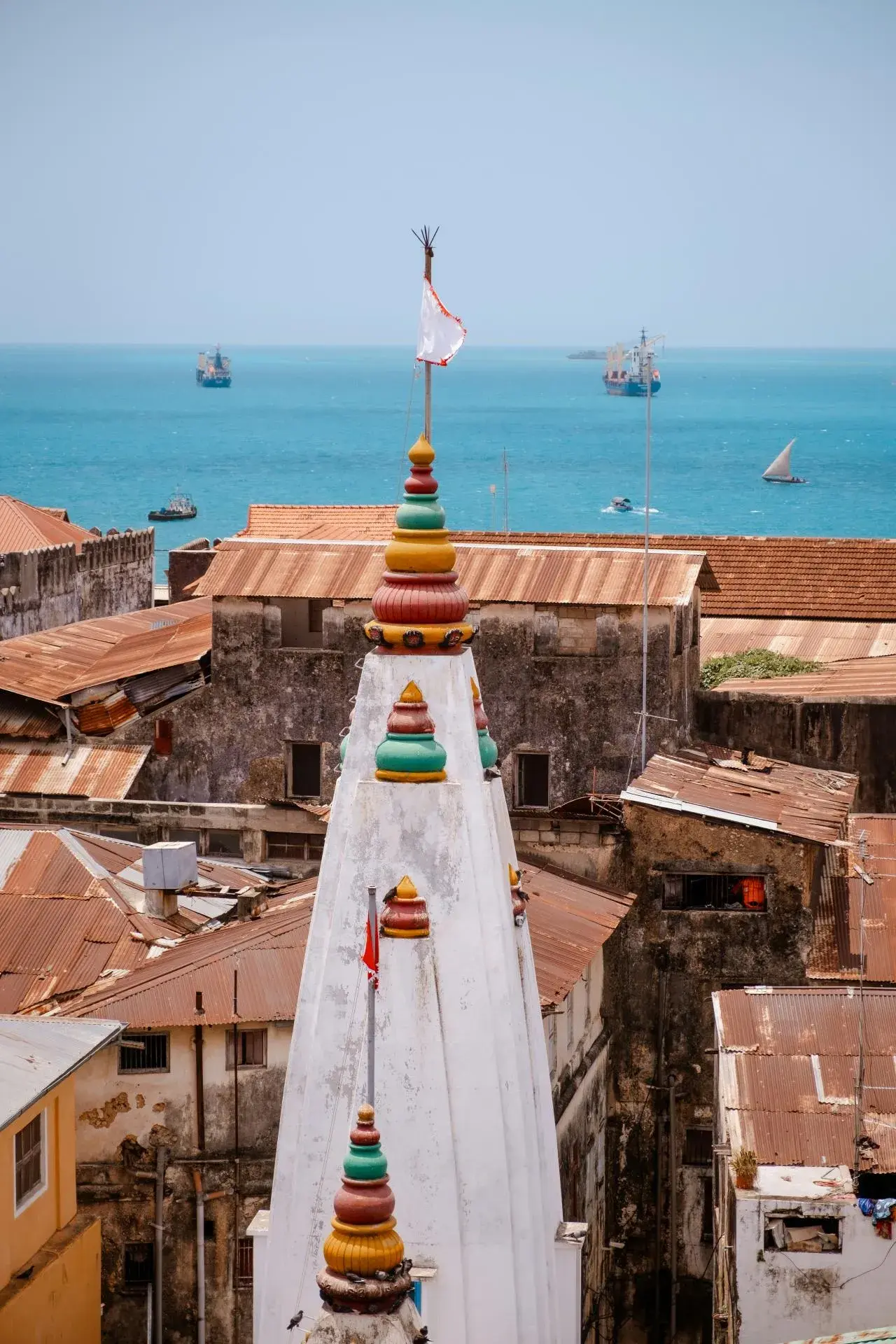
Off the coast, Zanzibar introduces a different pace, shaped by centuries of trade and cultural exchange. Its historic Stone Town reflects a blend of African, Arab, and European influences, while the island’s coastline is defined by white-sand beaches and clear, warm waters. Together, Tanzania and Zanzibar offer a journey that moves from expansive wildlife landscapes to a relaxed coastal setting, combining nature, culture, and history within one destination.
Karibu means welcome in Swahili and there is no better place to enjoy an enriching cultural and wildlife experience than Tanzania.
342,009 sq mi (including the islands), or slightly larger than twice the size of California
Burundi, Democratic Republic of the Congo, Kenya, Malawi, Mozambique, Rwanda, Uganda, Zambia
Kiswahili or Swahili (official), English (official), Arabic, many local languages
Suggested Journeys
Featured Properties
When to Travel
Tanzania
Because Tanzania lies just south of the equator, the coolest months occur during the northern hemisphere’s summer, though temperatures remain generally pleasant year-round. From June through October, temperatures range from about 10°C (50°F) in the northern highlands to around 23°C (73°F) along the coast. In the plains and lower-altitude game reserves, conditions are warm and mild, while the coast enjoys sunny days and cooling ocean breezes in the evenings.
From December through March, days are hot and clear, with temperatures ranging from the mid-20s to low-30s°C (77–90°F) across the country. Skies are typically cloudless, and conditions are excellent for game viewing, with clear visibility and strong light. Evenings are warm, with open skies ideal for stargazing. Along the Swahili Coast, the Indian Ocean reaches its warmest temperatures, making swimming comfortable at any time of day.
Tanzania experiences two rainy seasons. The long rains, known as masika, occur from mid-March through May, bringing heavier showers, often in the morning or evening, with breaks of sunshine during the day. The short rains, or mvuli, fall from November into December and sometimes early January, usually as lighter, intermittent showers followed by clear skies. Both seasons are linked to shifting wind patterns that historically guided Indian Ocean trade routes.
In short:
• June–October: Best for safari and overall travel
• December–March: Hot, clear, excellent for wildlife and beaches
• November & April–May: Rainy seasons, greener landscapes, fewer crowds
Zanzibar
Zanzibar is a year-round destination, with warm temperatures averaging 25–32°C (77–90°F), though timing depends on weather and sea conditions.
June through October (Best Overall)
Dry, sunny, and less humid. This is the most comfortable time to visit, with steady temperatures and good conditions for beach time, snorkeling, and diving.
December through February (Hot & Clear)
Another excellent period, with hot temperatures and calm seas. Ideal for swimming and water activities, though humidity is higher.
March to May (Long Rains)
The heaviest rains occur during this period, with some lodges closing. Travel is possible but less ideal due to humidity and frequent showers.
November (Short Rains)
Light, intermittent rain, usually in short bursts. The island remains lush and less crowded, with good value.
In short:
• June–October: Best overall conditions
• December–February: Hot, clear, great for beach and diving
• March–May: Least ideal due to heavy rains
• November: Shoulder season with lighter rains
Travel highlights
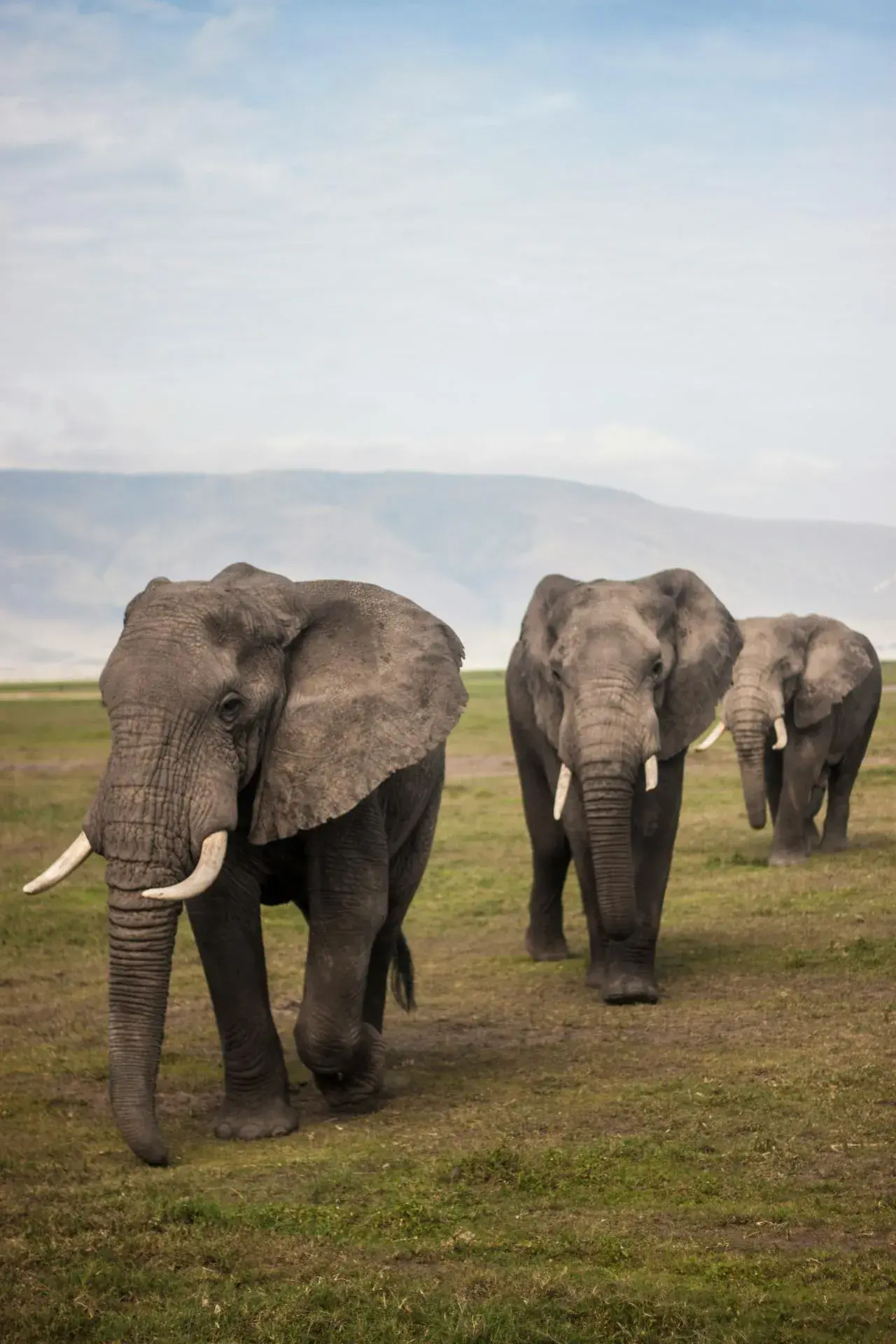
Across Tanzania, the open plains of Serengeti National Park stretch toward the horizon, where seasonal wildlife movements shape the landscape and create constant activity. Nearby, the Ngorongoro Crater offers a concentrated wildlife experience within its enclosed caldera, where diverse species coexist in a compact setting. In the north, Mount Kilimanjaro rises above the surrounding plains, its snow-capped peak visible from afar. Other regions, such as Tarangire, are known for large elephant herds and distinctive baobab trees. Along the coast, Zanzibar provides a contrast, with white-sand beaches, clear waters, and a cultural heritage shaped by centuries of trade. Together, these landscapes offer a journey that moves between wildlife, scenery, and coastal relaxation.
Things to consider
-
Lightweight, breathable clothing is ideal for Tanzania’s warm climate. On safari, neutral colors are recommended, along with comfortable closed shoes. Early mornings and evenings can be cooler, so a light jacket or fleece is useful. Along the coast and in Zanzibar, light resort wear is appropriate, though modest dress is appreciated in local villages and Stone Town.
-
Recommended vaccines include hepatitis A, typhoid, and routine immunizations. Malaria prevention is advised in most regions, so consultation with a healthcare provider is important.
No mandatory vaccinations are required unless arriving from a yellow fever area, in which case proof may be requested.
-
The currency is the Tanzanian Shilling (TZS), though US dollars are widely accepted in lodges and tourist areas. Credit cards are accepted in larger hotels, while cash is useful in smaller towns. ATMs are available in cities but limited in remote areas.
-
Tanzania is generally safe for travelers, especially on organized itineraries. Basic precautions are recommended in cities, such as securing valuables and using reputable transport. In safari areas, all activities are guided and safety is well managed.
-
Tap water is not recommended for drinking. Bottled or filtered water is provided in lodges and hotels. Food standards are high in safari camps and resorts, with fresh, well-prepared meals widely available.
Entry requirements:
US and Canadian citizens must have a passport valid for at least six months beyond entry, with at least one blank page. A visa is required and can be obtained in advance online (eVisa) or on arrival, though applying in advance is recommended. Tourist visas are typically valid for stays of up to 90 days. Travelers may be asked to show proof of onward or return travel and accommodation details.