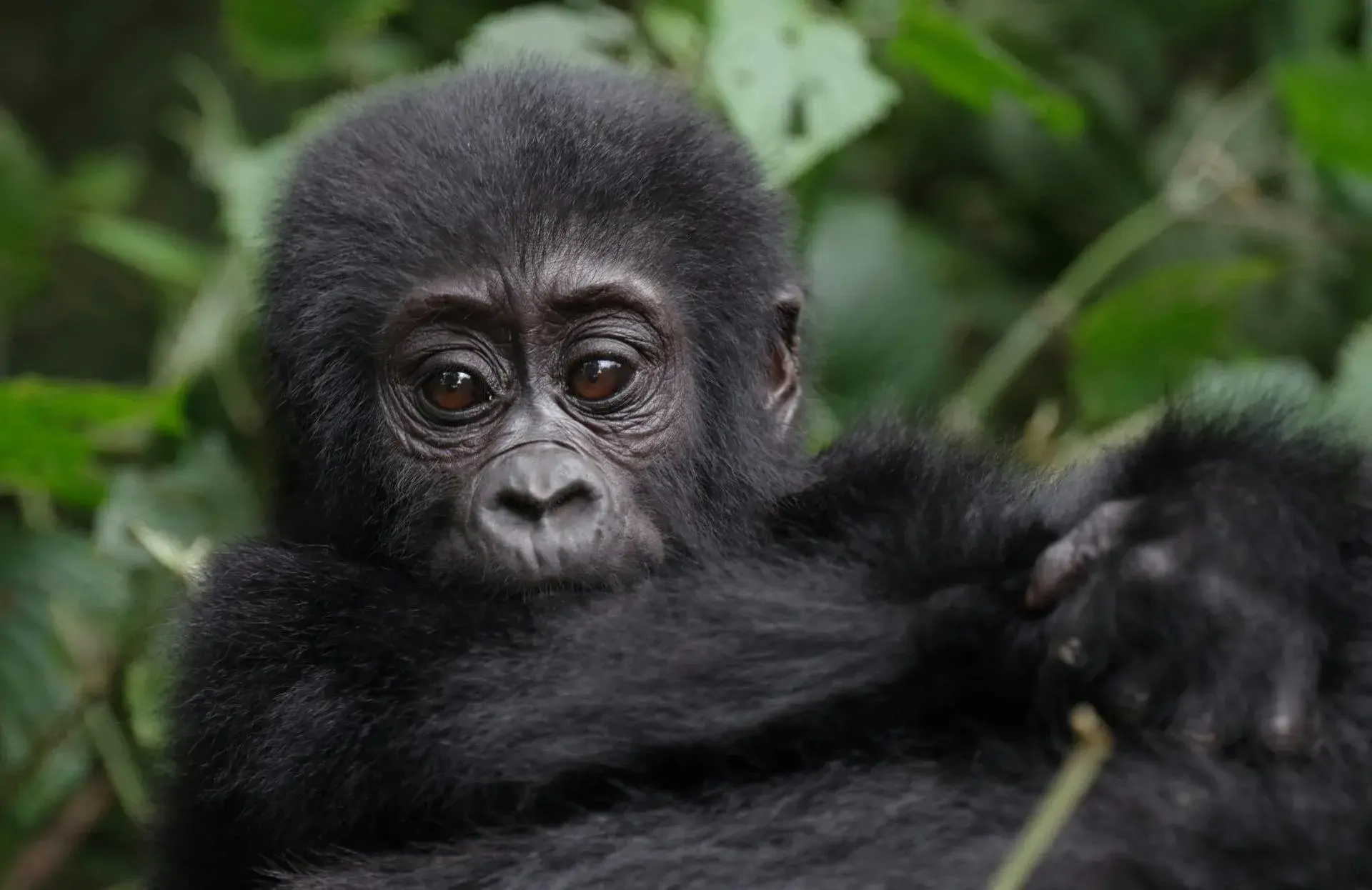
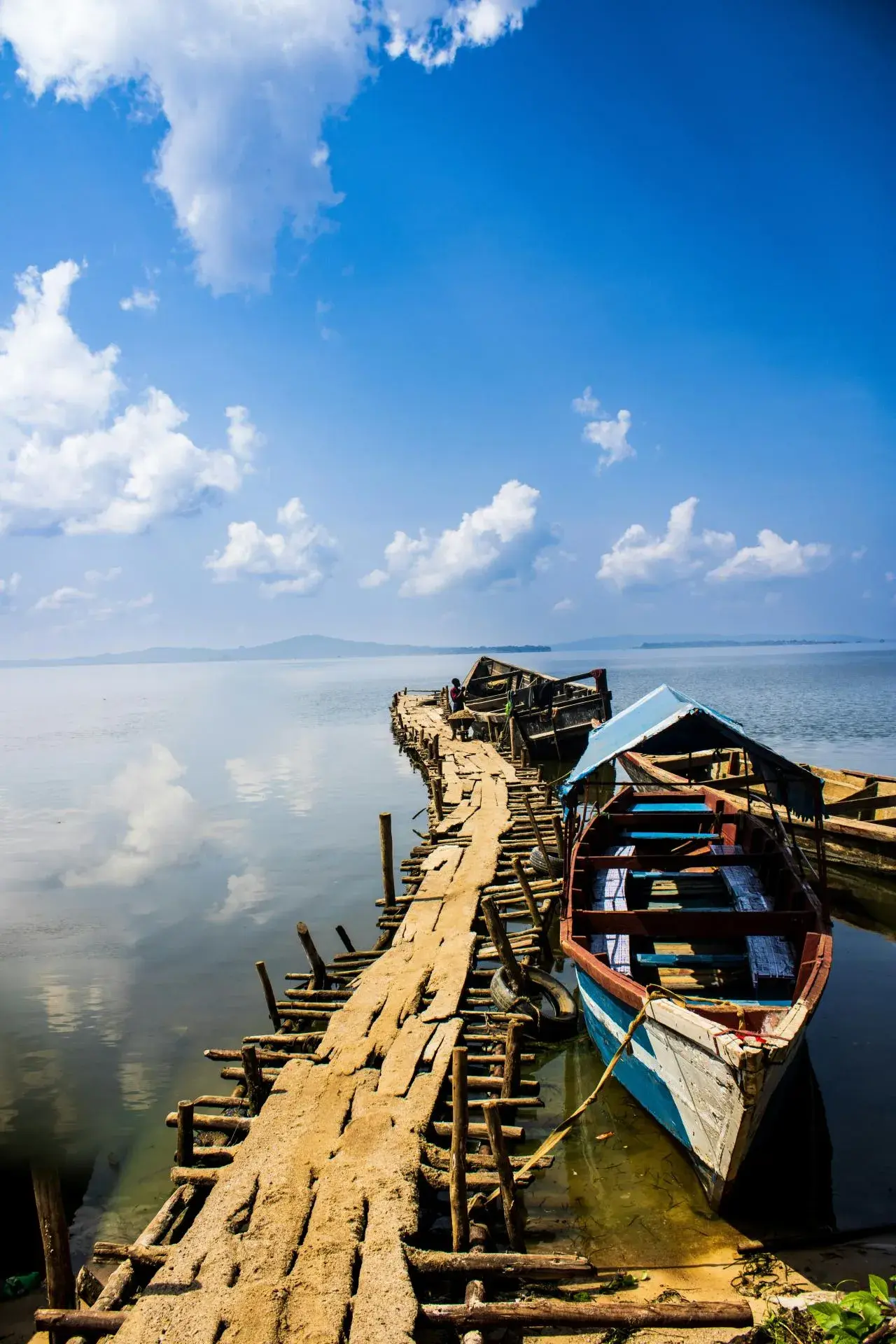
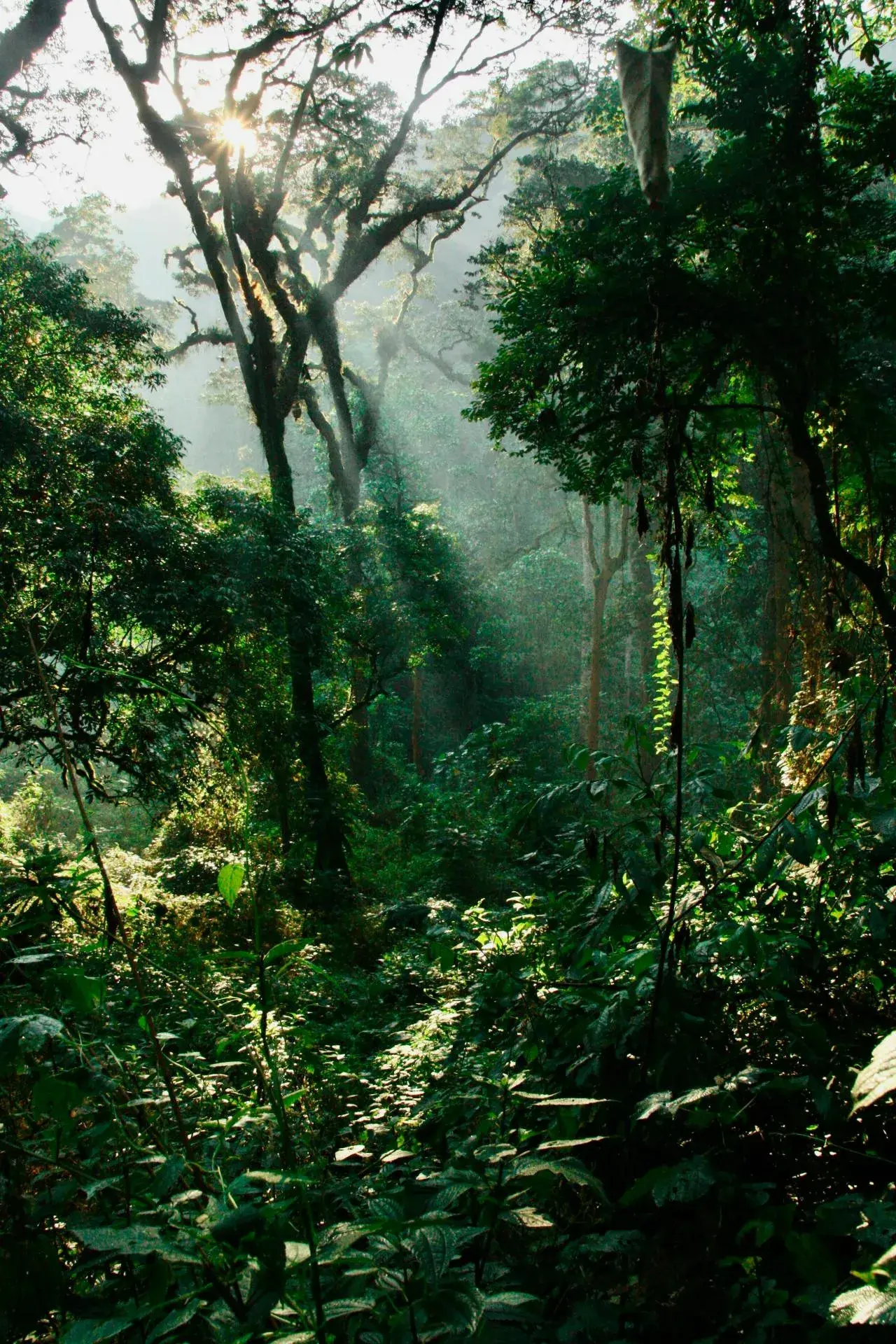
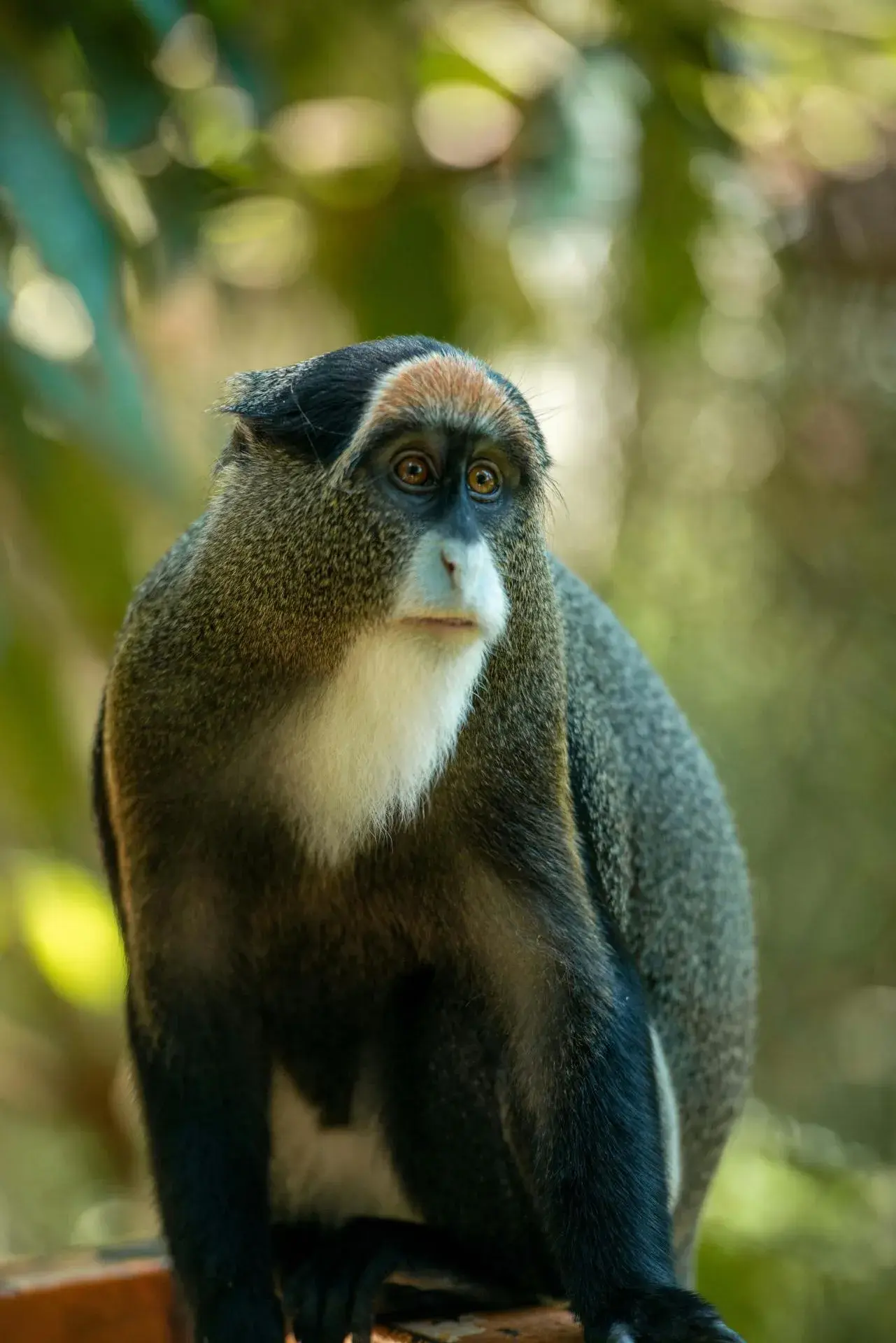
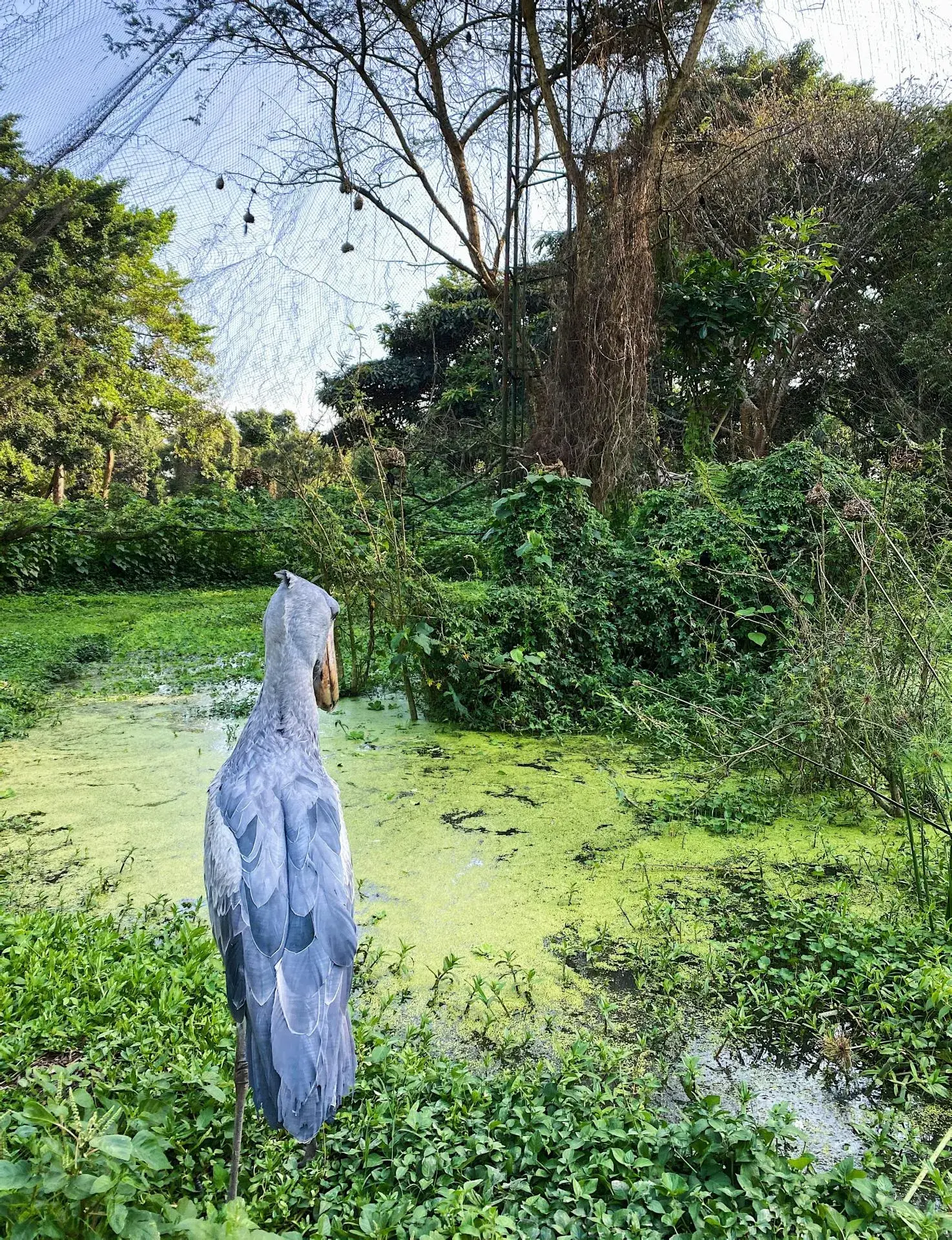
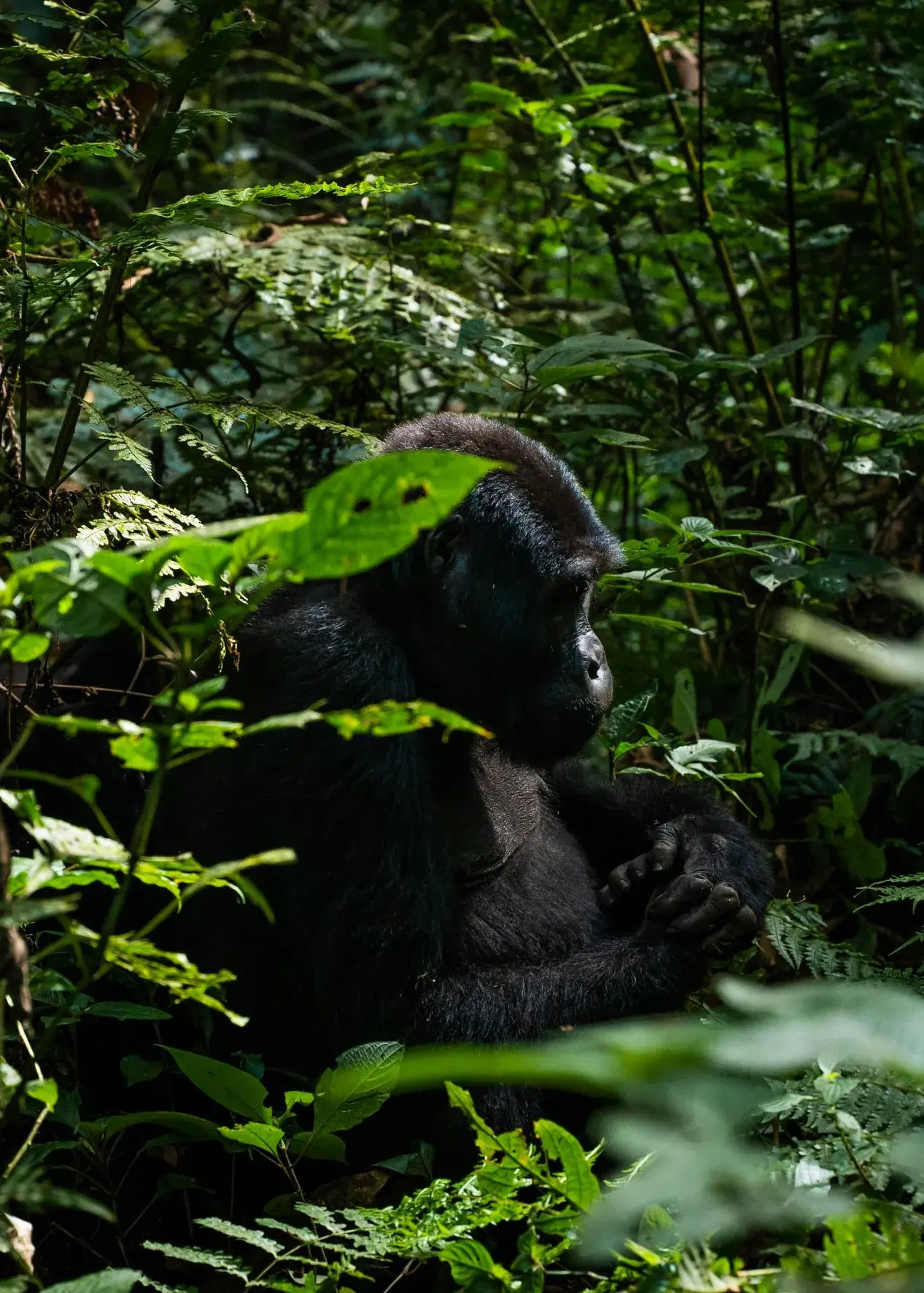
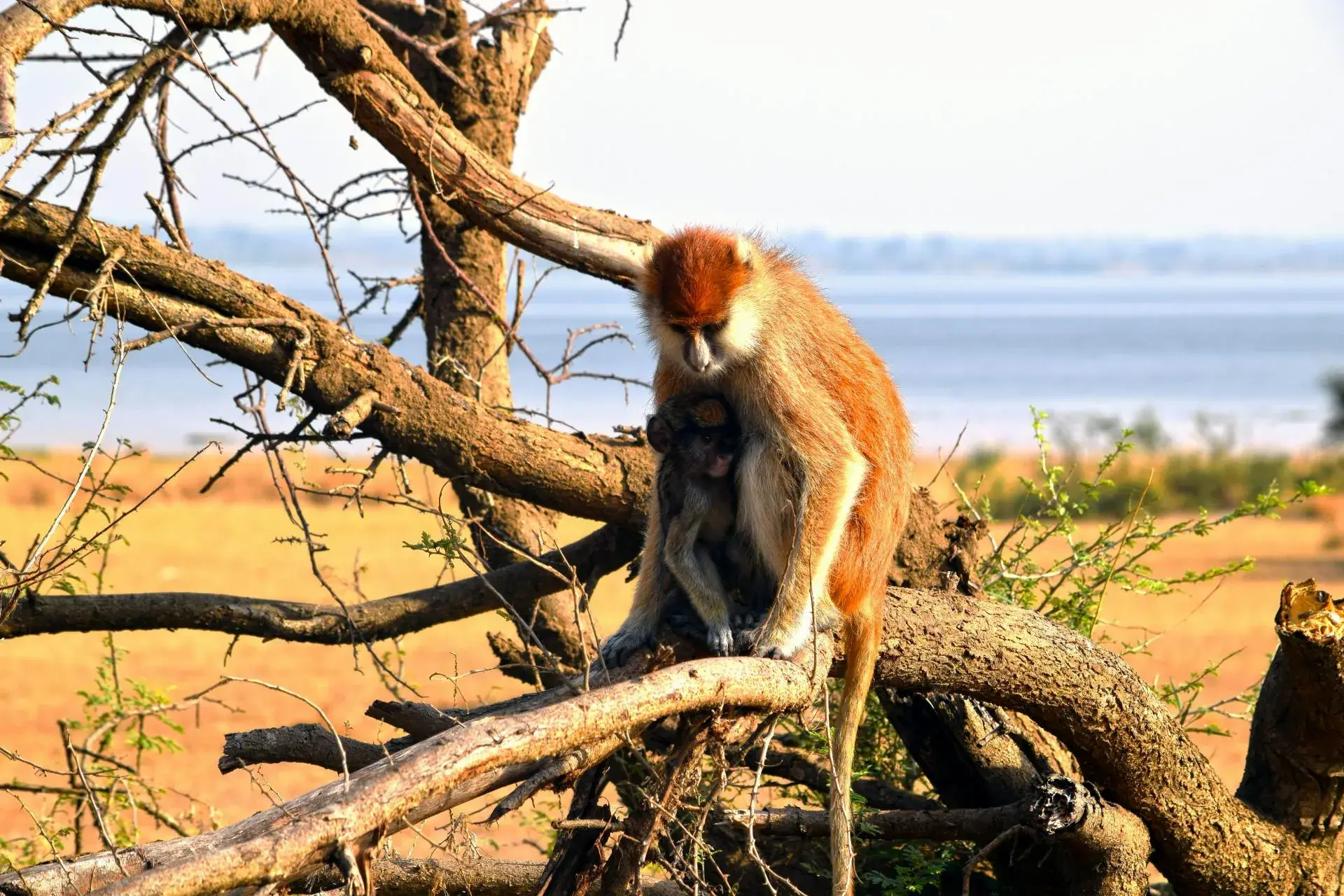
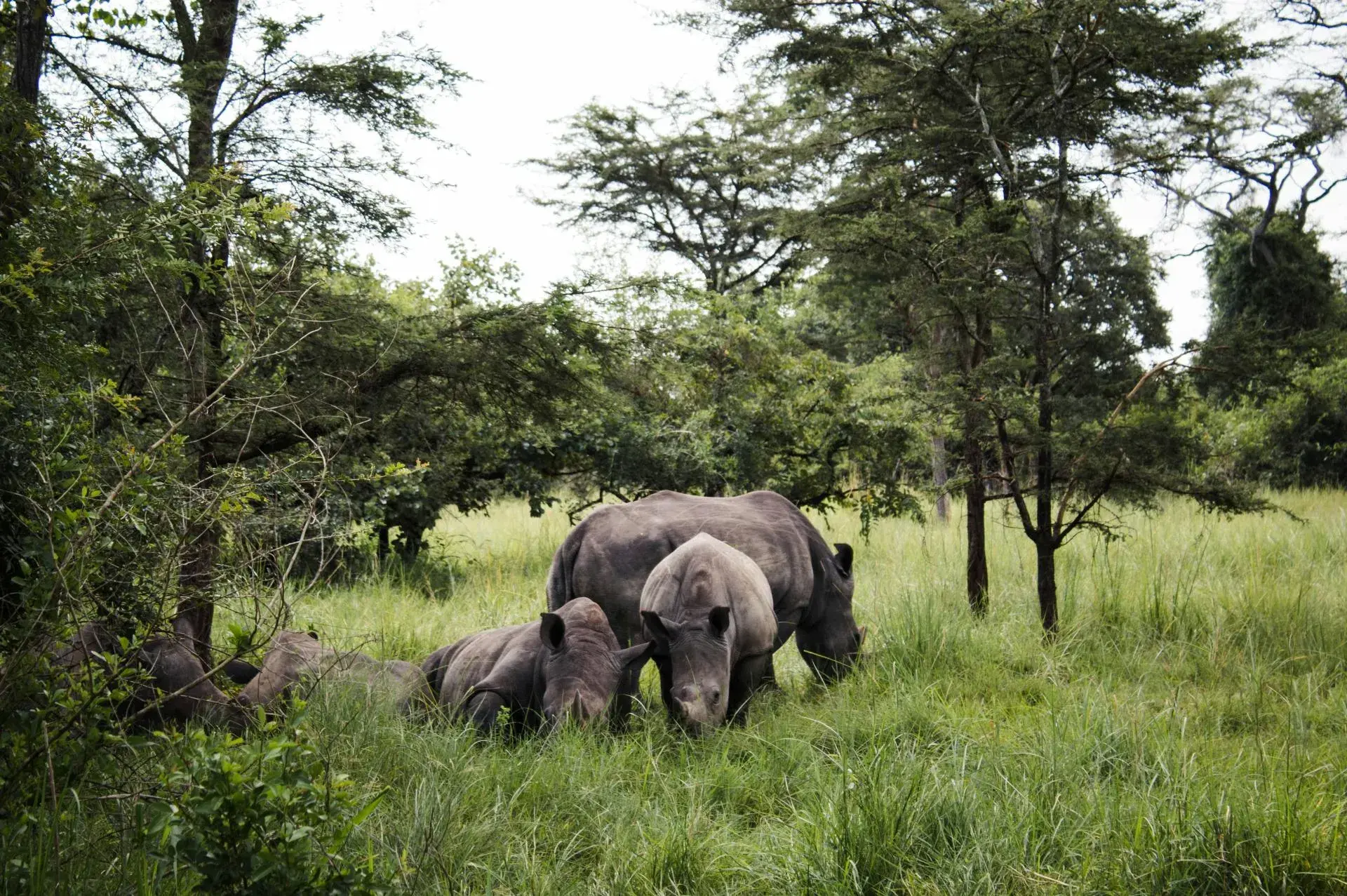
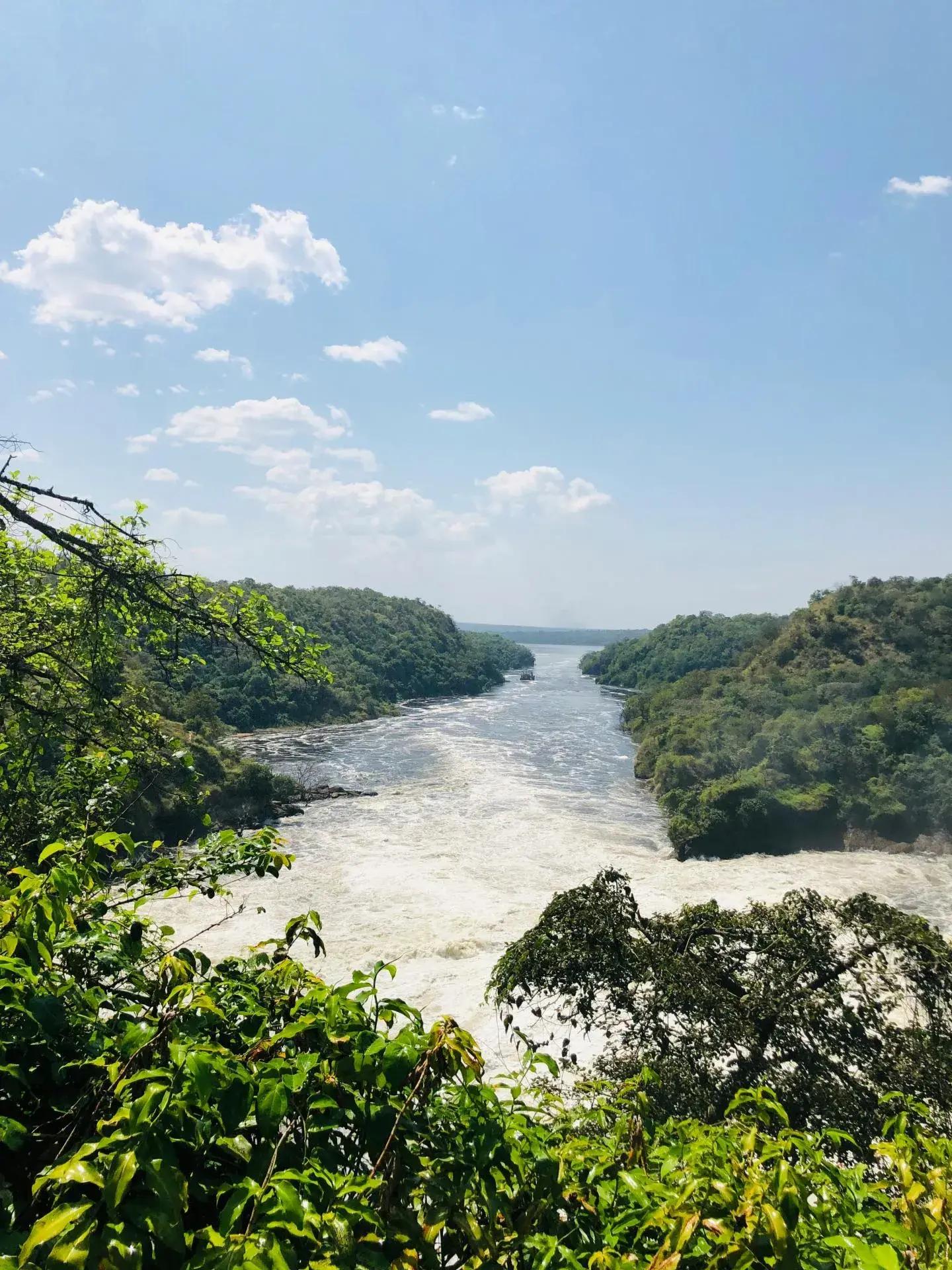
Mist drifts through the forests of Bwindi as gorillas tread beneath the canopy, the Nile surges through Uganda's green hills and lakes that unfold in every direction in a lush landscape molded by water and the wilds.
Overview
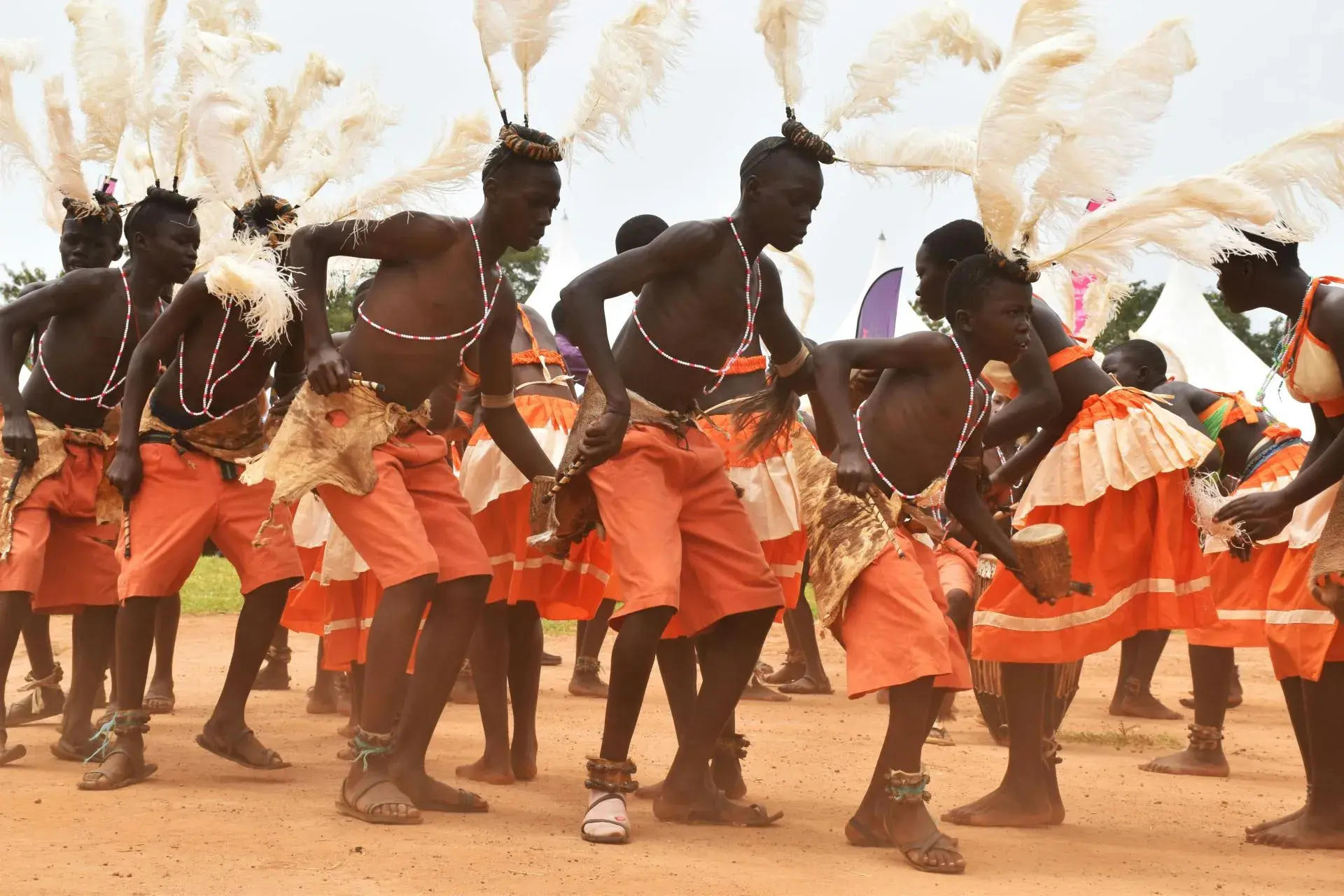
Uganda’s story is shaped by powerful pre-colonial kingdoms such as Buganda, followed by British colonial rule in the late 19th century and independence in 1962. In recent decades, the country has moved toward greater stability, with a strong cultural identity rooted in its diverse ethnic groups and traditions.
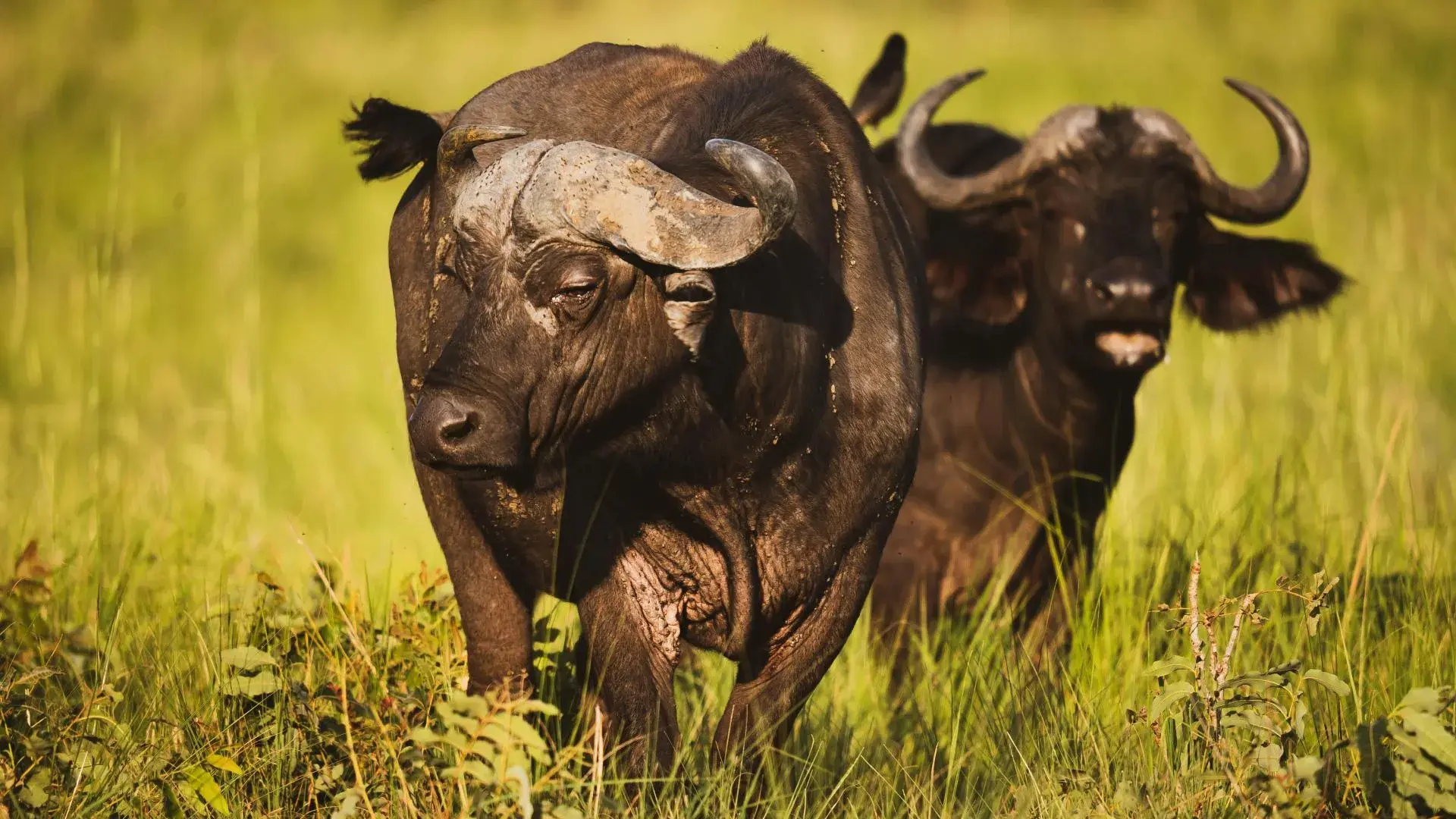
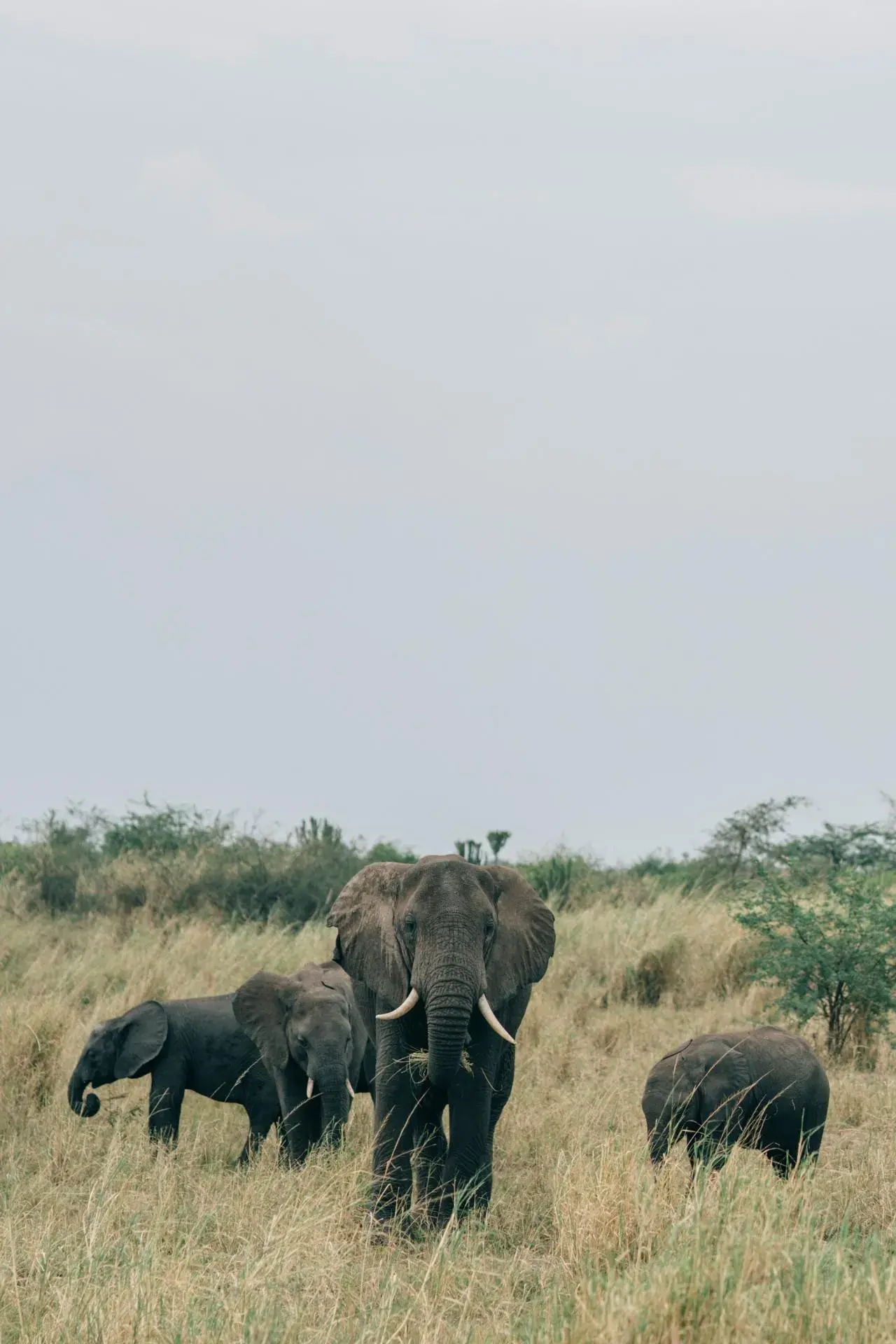
Often referred to as the “Pearl of Africa,” Uganda is defined by its rich landscapes and biodiversity. Lush forests, rolling hills, and waterways create a setting that feels both fertile and vibrant. The country is best known for its primate experiences, particularly in Bwindi Impenetrable National Park, where mountain gorillas live within dense rainforest. Murchison Falls National Park offers a different contrast, with the Nile River forcing its way through a narrow gorge before cascading into powerful falls, surrounded by savannah wildlife.
Uganda combines wildlife, landscapes, and culture in a way that feels immersive and varied, offering a more intimate and less crowded safari experience.
149.75 sq miles, or slightly smaller than Oregon
Democratic Republic of the Congo, Kenya, Rwanda, South Sudan, Tanzania
English (official), Ganda or Luganda (most widely spoken), other Niger-Congo languages, Nilo-Saharan languages, Swahili, and Arabic
Suggested Journeys
Featured Properties
When to Travel
Uganda is a year-round destination, with a mild climate due to its elevation, though rainfall patterns shape the best travel times.
June through September & December through February (Dry Seasons – Best Overall)
These are the best times to visit, with less rain, better road conditions, and easier trekking. Gorilla and chimpanzee trekking in Bwindi Impenetrable National Park is more manageable, and wildlife viewing in parks such as Murchison Falls National Park is at its best as animals gather near water sources. Temperatures are generally comfortable, around 20–28°C (68–82°F).
March to May & October to November (Rainy Seasons)
Heavier rains make trekking trails more challenging and some roads harder to navigate. However, landscapes are lush and green, crowds are fewer, and this is an excellent time for birdwatching.
In short:
• June–September & December–February: Best for trekking and wildlife
• March–May & October–November: Greener scenery, fewer crowds, more challenging conditions
Travel highlights
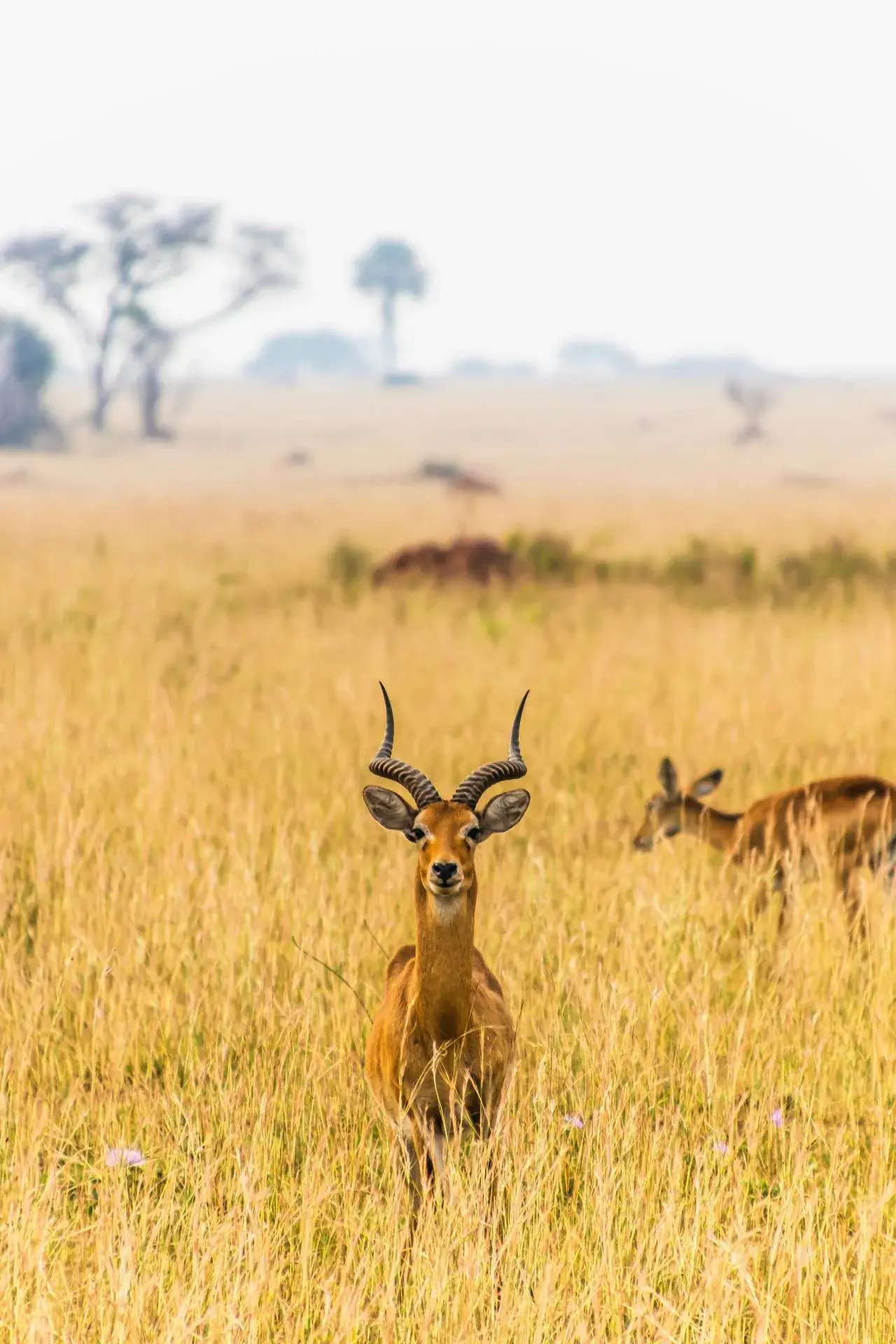
In Uganda, dense forests of Bwindi Impenetrable National Park open to quiet clearings where mountain gorillas move through thick vegetation, while in Kibale National Park the sound of chimpanzees carries through the canopy. Along the Nile in Murchison Falls National Park, the river narrows and surges through a rocky gorge, surrounded by wildlife on open savannah. In Queen Elizabeth National Park, wetlands and plains support a wide range of species, with activity centered along the Kazinga Channel. Beyond the parks, Lake Bunyonyi offers a quieter contrast, with terraced hills and still waters creating a more relaxed setting. Together, these landscapes combine primate encounters, classic safari, and scenic highlands into a varied and immersive experience.
Things to consider
-
Lightweight, breathable clothing is ideal for Uganda’s mild climate. For gorilla trekking in Bwindi Impenetrable National Park, long sleeves, long pants, and sturdy hiking boots are recommended due to dense vegetation and uneven terrain. A light rain jacket is useful year-round, and layers help with cooler mornings and evenings.
-
A yellow fever vaccination certificate is required for entry. Recommended vaccines include hepatitis A, typhoid, and routine immunizations. Malaria prevention is advised throughout the country, so consultation with a healthcare provider is important.
-
The currency is the Ugandan Shilling (UGX). Credit cards are accepted in larger hotels and lodges, while cash is essential in smaller towns and rural areas. ATMs are available in cities but limited elsewhere.
-
Uganda is generally safe for travelers, particularly on organized itineraries. Basic precautions are recommended in cities, such as securing valuables and using reputable transport. In national parks, all activities are guided and safety is well managed.
-
Tap water is not recommended for drinking. Bottled or filtered water is widely provided. Food standards in lodges and hotels are good, with fresh, well-prepared meals commonly available.
Entry requirements:
US and Canadian citizens must have a passport valid for at least six months beyond entry, with at least one blank page. A visa is required and is obtained online in advance through Uganda’s eVisa system. Tourist visas are typically valid for stays of up to 90 days.
Travelers must present a valid yellow fever vaccination certificate upon entry. Proof of onward or return travel may also be requested.