Stretching from misty northern mountains to river deltas and coastal shores, Vietnam reveals its layered history through architecture, cuisine, and an enduring colorful culture.
Overview
Vietnam was shaped by ancient dynasties and long periods of Chinese influence, followed by French colonial rule that left a lasting imprint on its architecture and culture. After declaring independence in the 20th century, the country endured decades of conflict before reunifying in 1975 and gradually rebuilding. Since the late 20th century, Vietnam has emerged as a dynamic and rapidly developing nation.
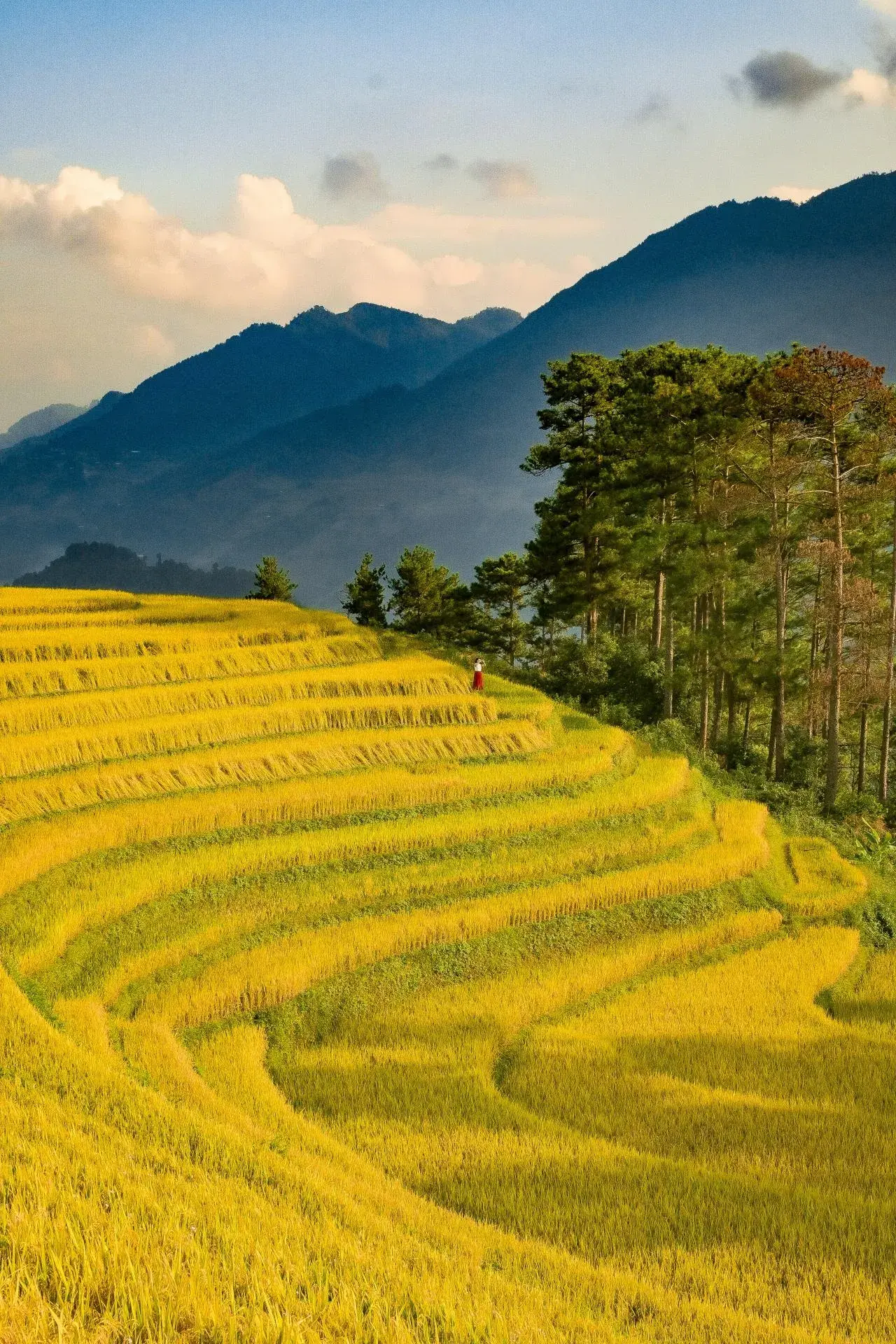
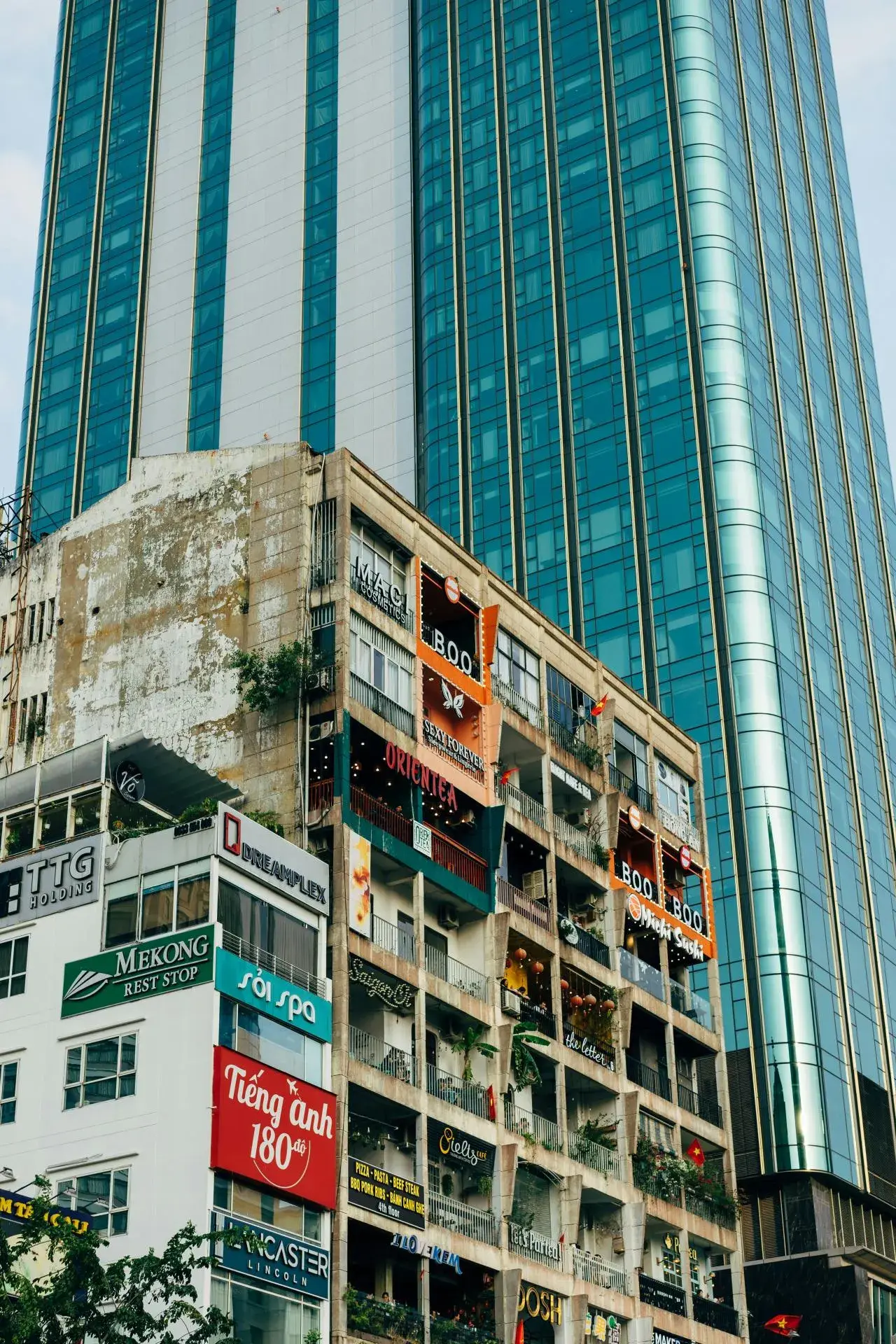
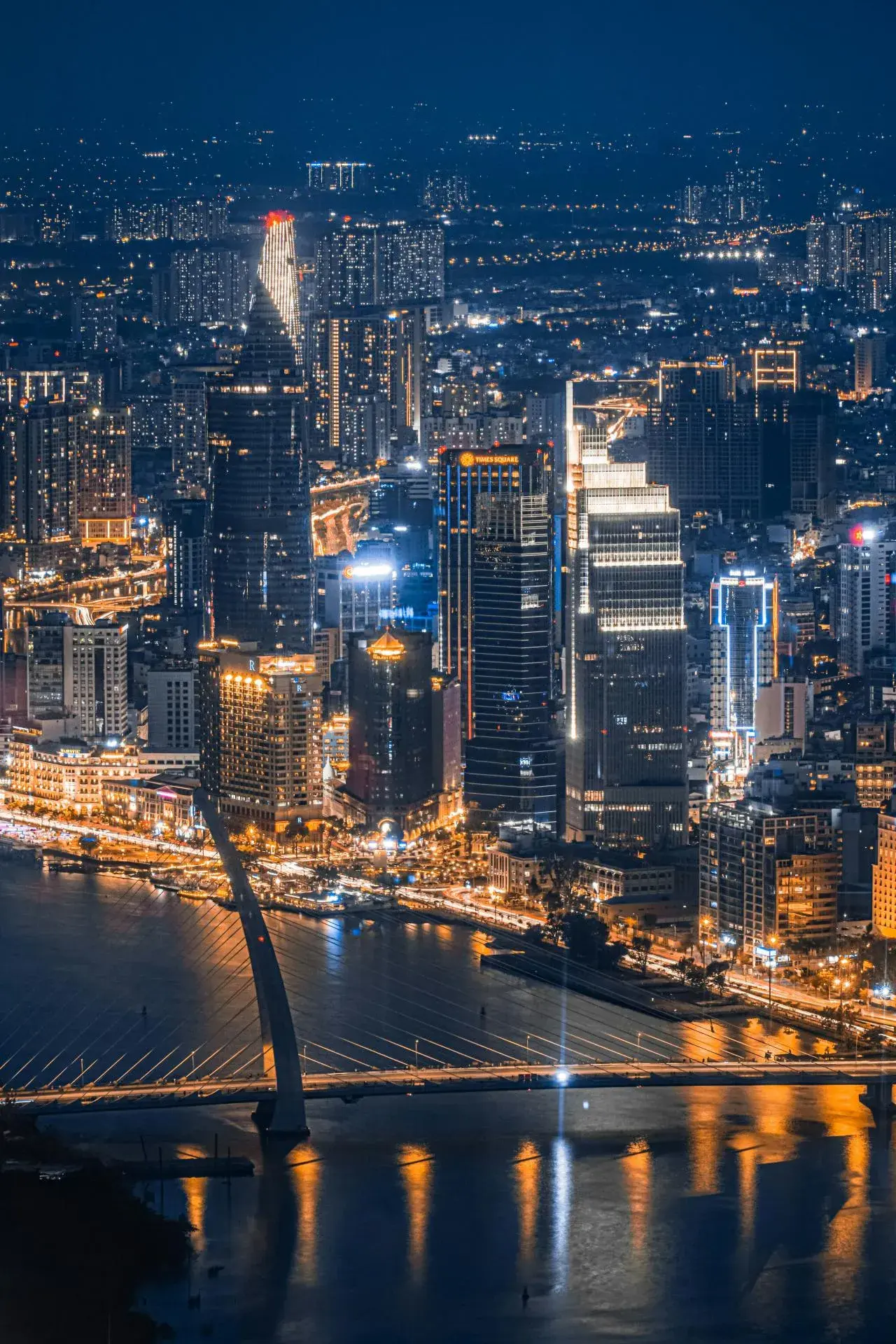
Today, it offers a compelling blend of history and landscape, from the emerald speckled limestone formations of Halong Bay and the lush rice terraces of the north to the historic cities of Hue and Hoi An and the bustling energy of Ho Chi Minh City, where tradition and resilience remain central to its identity. Wherever your journey leads, Vietnam offers experiences that are rich, authentic, and unforgettable.
310,070 sq km, slightly smaller than Germany and slightly larger than New Mexico.
Cambodia, China and Laos
Vietnamese (official), English, Chinese, and Khmer, mountain area languages
Suggested Journeys
Featured Properties
When to Travel
The North
Northern Vietnam is generally cooler than the rest of the country. Winter, from November through February, brings mild to cool weather with occasional rain. Temperatures usually range from 18–20°C (64–68°F), but can drop lower, especially in the mountains. In places such as Sapa, temperatures may occasionally fall near or below freezing. From March to May the weather becomes warmer and drier, with temperatures often rising above 30°C (86°F). The months from June to October tend to be hot, humid, and rainy. The most pleasant time to visit northern Vietnam is typically between November and April.
Central Vietnam
Central Vietnam is warm for most of the year. The region often experiences its warmest weather from July to October, while the rainy season generally occurs between November and May. Typhoons can affect the central coastline between August and October and may occasionally cause flooding. Temperatures frequently exceed 30°C (86°F) during the warmer months.
Southern Vietnam
Southern Vietnam experiences fairly consistent temperatures throughout the year. The region has two main seasons: the dry season from December to May and the rainy season from May to November. Rain showers during the wet season are usually brief and often occur in the afternoon, rarely disrupting sightseeing plans for long. During the dry season, average temperatures are around 28°C (82°F).
The Central Highlands may be slightly cooler than the surrounding lowlands. Coastal destinations such as Nha Trang enjoy warm weather most of the year, although the rainy season there typically runs from late September through December.
Festivals and holidays
Vietnamese festivals are colorful and lively, but some holidays may affect travel plans. The most important celebration is the Lunar New Year, known as Tet, which usually falls between late January and February. During this time many Vietnamese travel to visit family, and transportation and accommodations can become fully booked.
During Tet, many shops and restaurants close or operate with limited staff, and services may be reduced for several days before and after the holiday. It may also be difficult to process visa authorization letters during this period.
Major public holidays in Vietnam include:
New Year’s Day – January 1
Tet (Vietnamese Lunar New Year) – dates vary each year, usually late January or February
Hung Kings’ Commemoration Day – April
Liberation Day – April 30
International Labor Day – May 1
National Day – September 2
Travel highlights
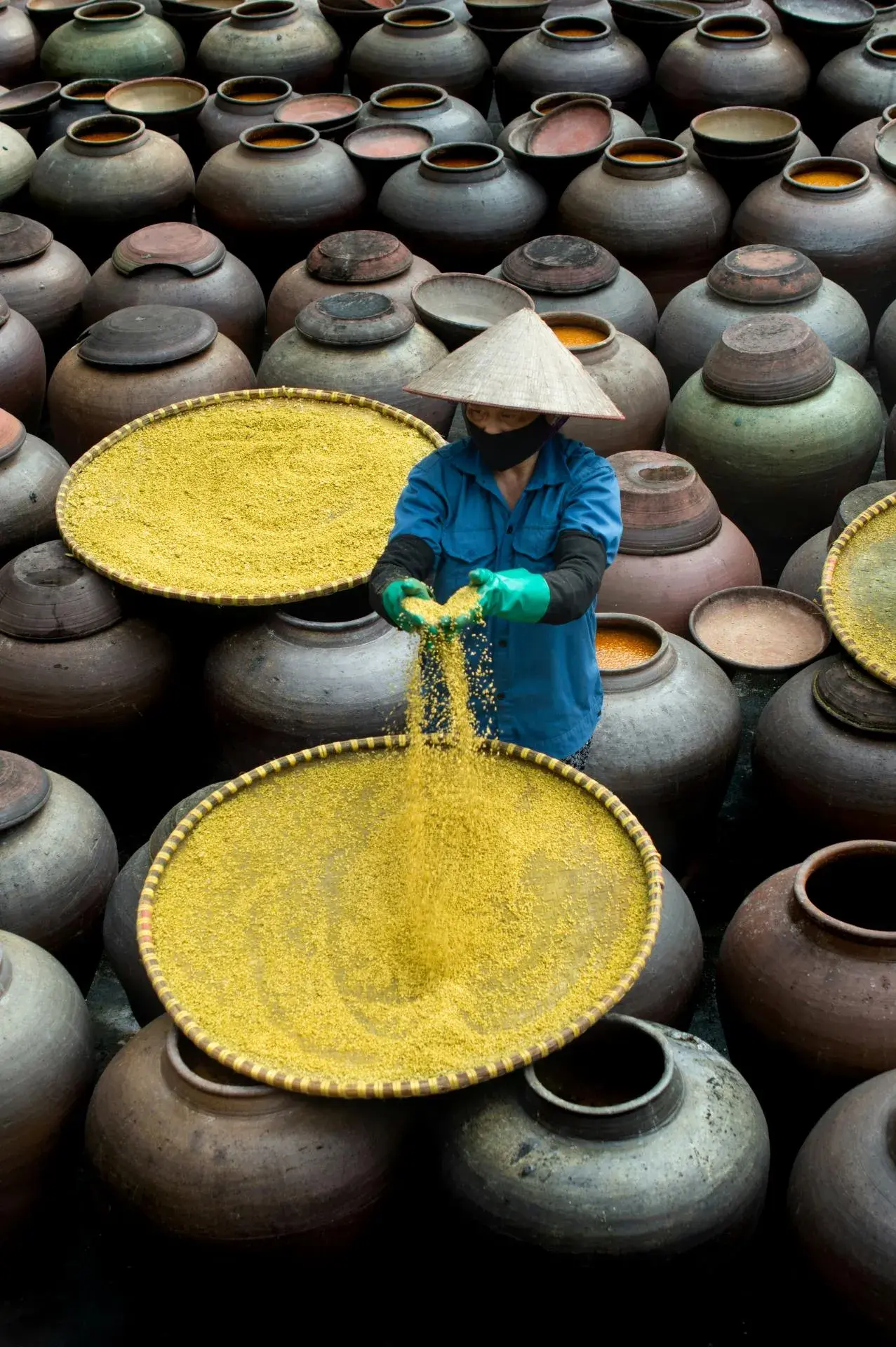
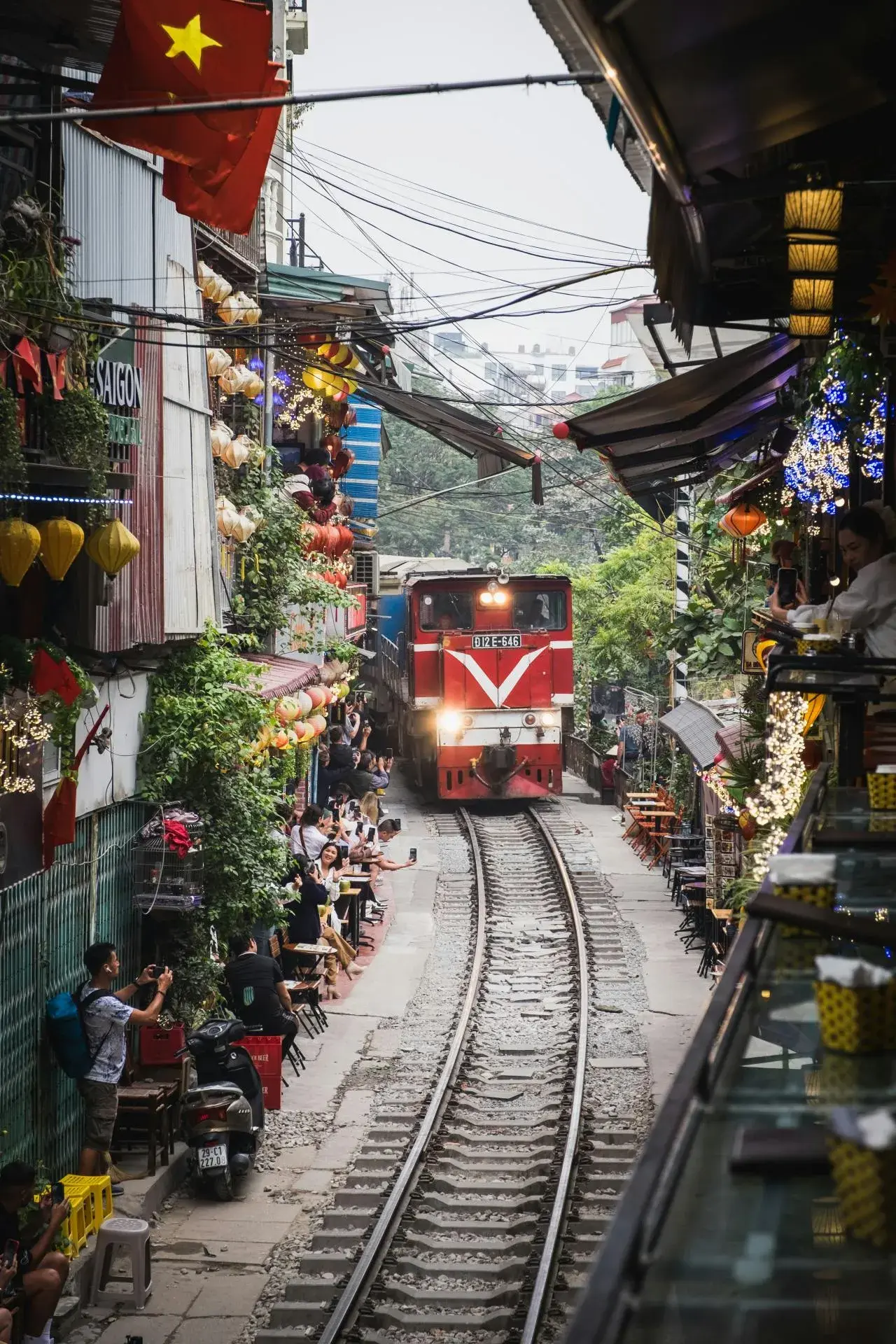
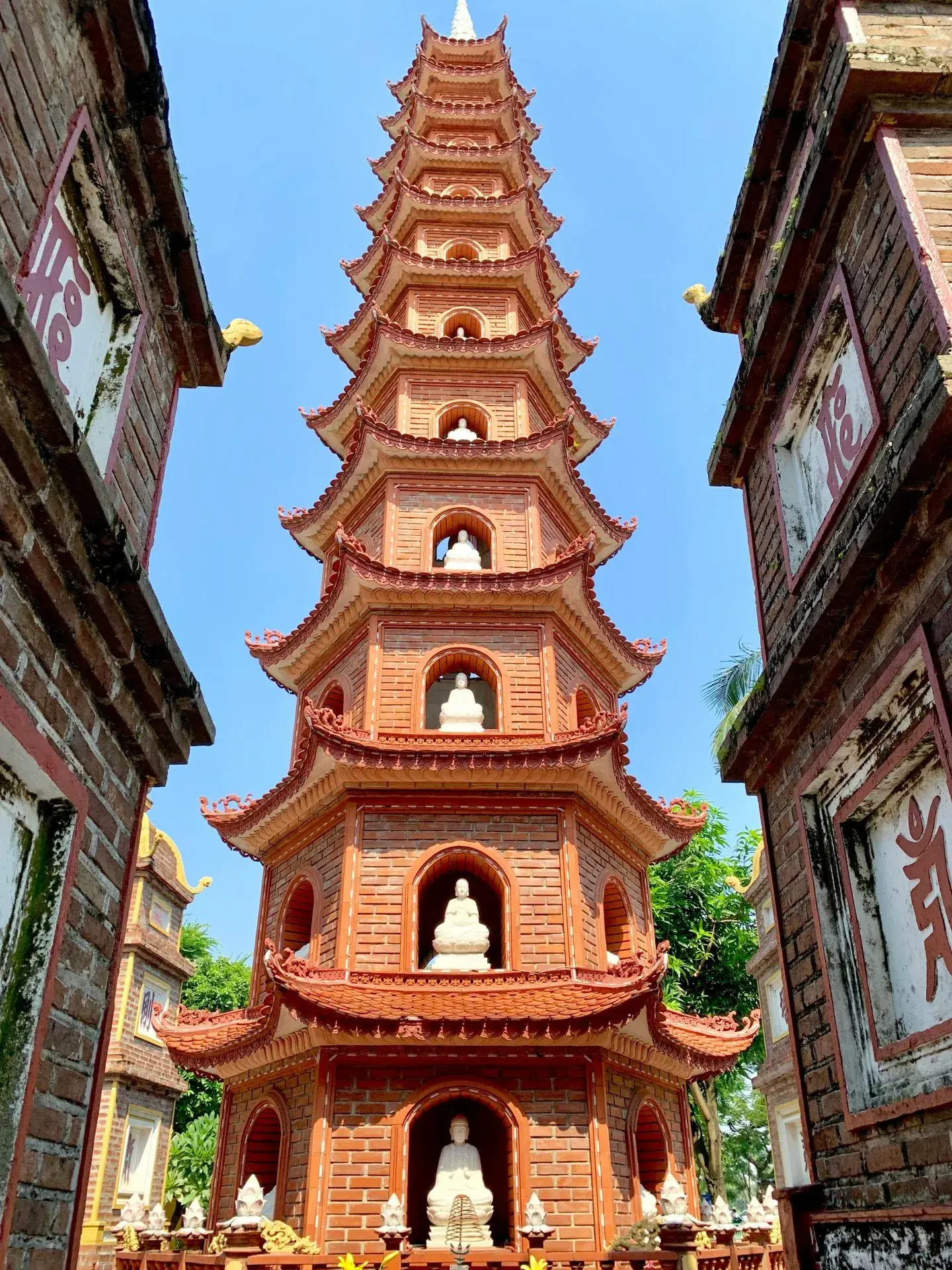
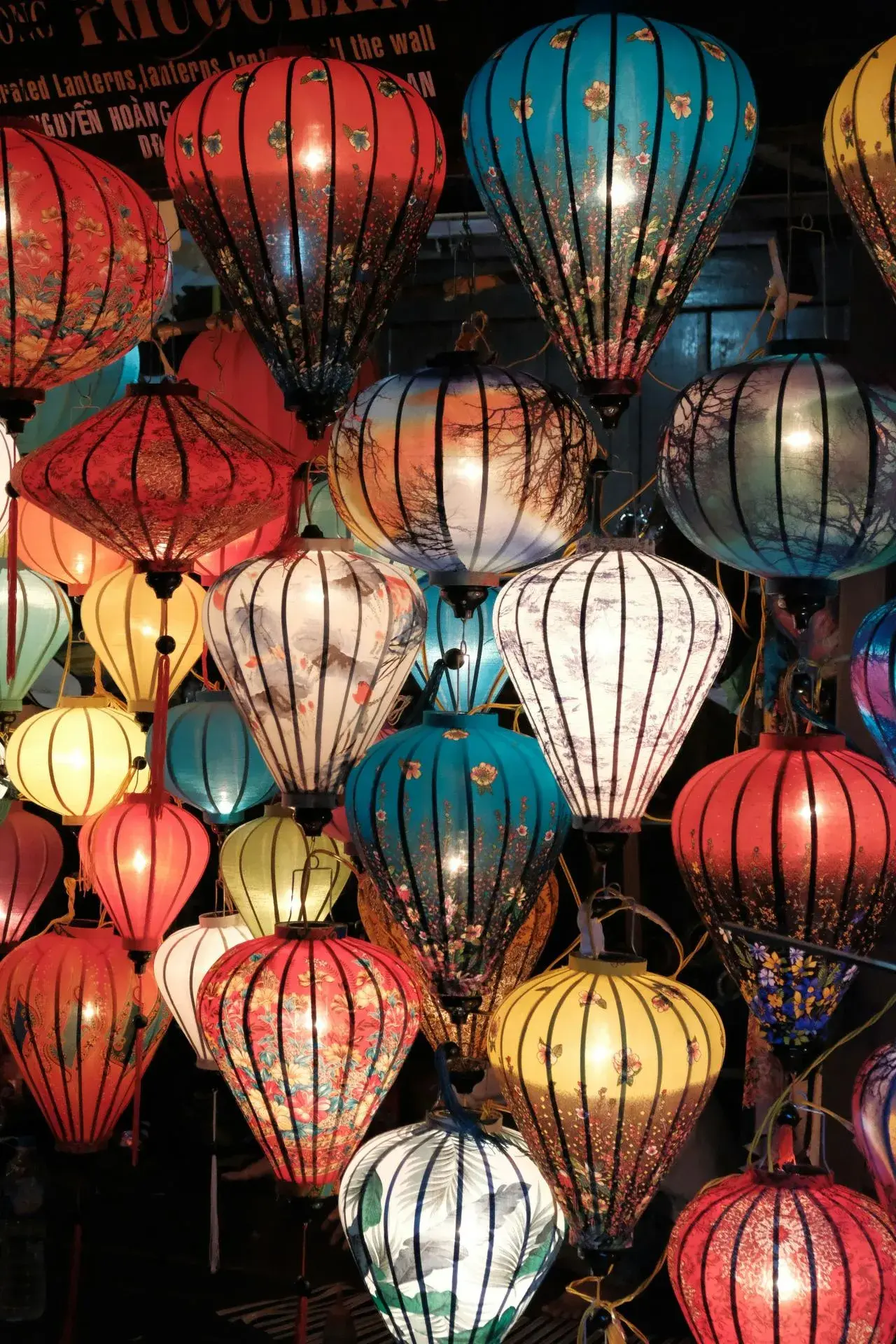
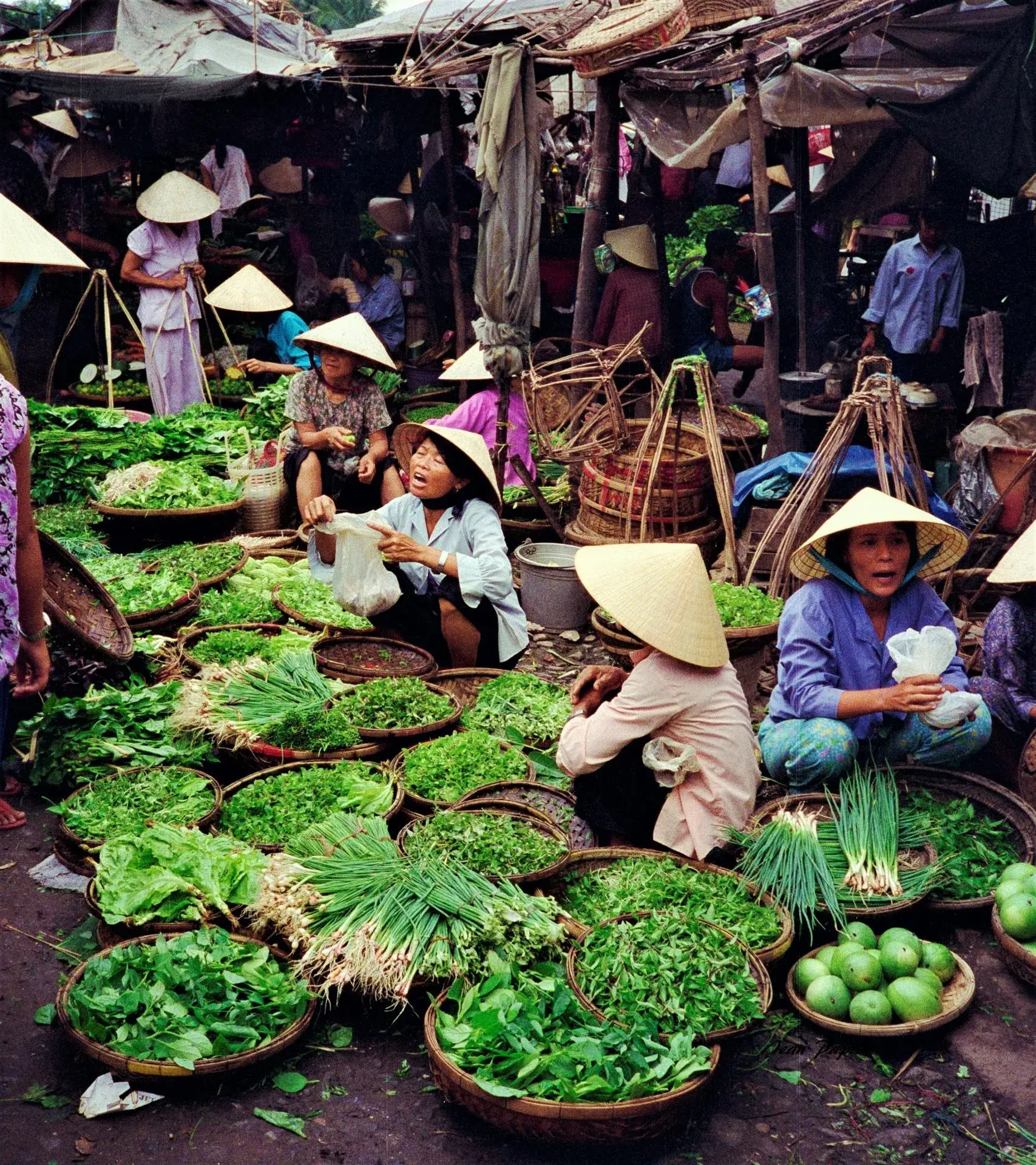
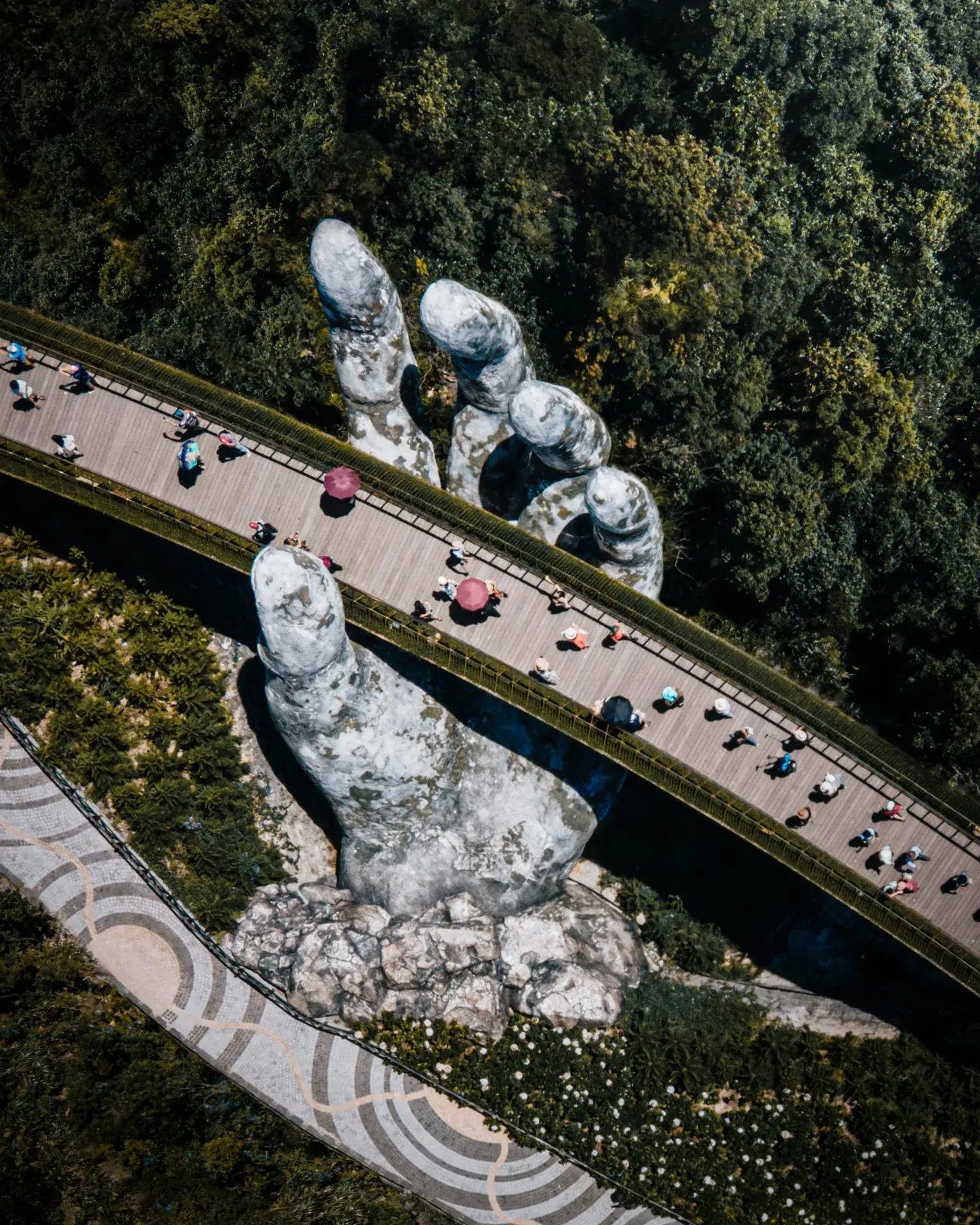
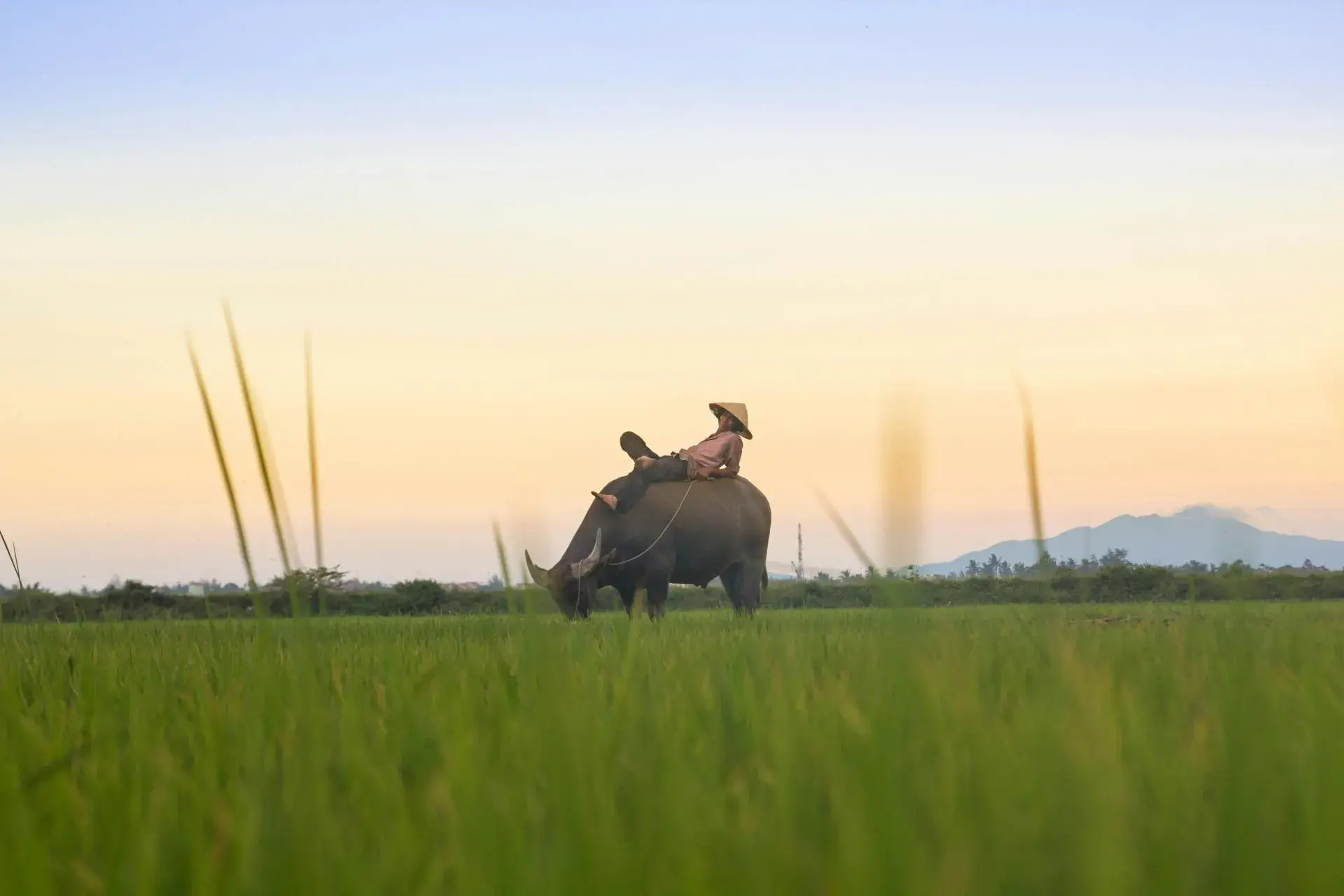
Vietnam captivates travelers with its remarkable variety of landscapes, cultures, and traditions. The country stretches from misty northern mountains and terraced rice fields to the emerald waters of Halong Bay and the lantern-lit streets of Hoi An. Historic cities such as Hanoi and Hue reveal layers of imperial and colonial history, while the vibrant energy of Ho Chi Minh City reflects modern Vietnam’s rapid growth. In the south, the Mekong Delta unfolds into a network of rivers, floating markets, and lush countryside. Throughout the country, welcoming people, distinctive cuisine, and centuries-old traditions create a rich and memorable travel experience.
Things to consider
-
Lightweight, breathable clothing is recommended when visiting Vietnam, as the climate is generally warm and humid. Cotton or linen clothing works best. When visiting temples or religious sites, modest attire covering shoulders and knees is required. Comfortable walking shoes, a hat, sunglasses, and sunscreen are advisable. In northern regions during winter months, a light jacket or sweater may be useful.
-
No vaccinations are required for entry. Routine immunizations should be up to date. Hepatitis A is commonly recommended, and Typhoid or Hepatitis B may be advised depending on travel style and duration. Consult a healthcare provider before departure.
-
The local currency is the Vietnamese Dong (VND). Credit cards are accepted in major hotels, restaurants, and shops in large cities, but cash is still widely used in markets and smaller establishments. ATMs are widely available in urban areas.
-
Vietnam is generally considered a safe destination for travelers. Use common precautions in crowded places and be attentive when crossing busy streets with heavy motorbike traffic.
-
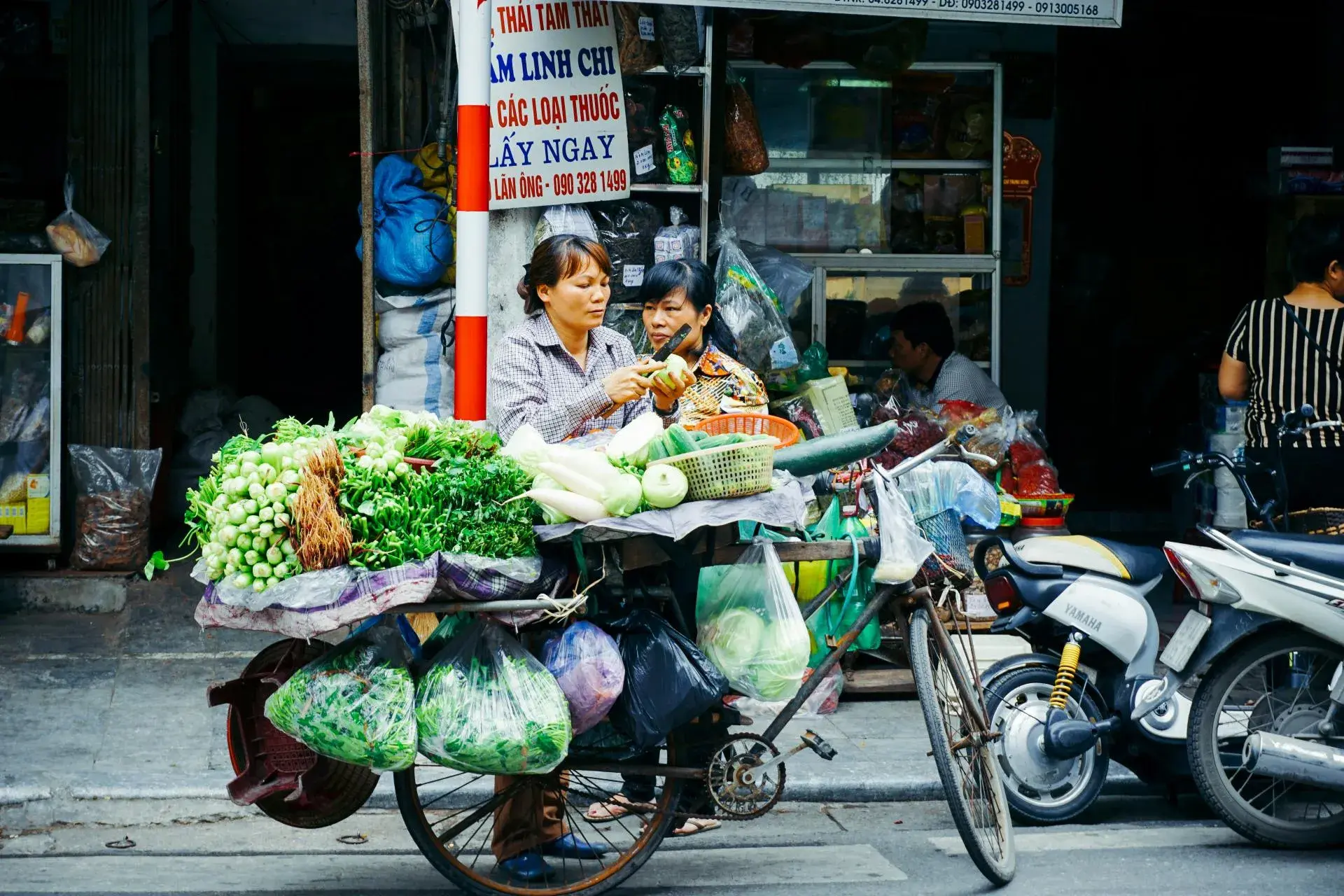
Tap water is not recommended for drinking; bottled water is widely available. Vietnamese cuisine is fresh and flavorful, and street food can be excellent when prepared in busy stalls with high turnover.
Entry requirements:
Citizens of the United States and Canada traveling to Vietnam must obtain a visa prior to arrival. Most visitors apply for an electronic visa (e-visa), which is typically valid for tourism stays of up to 90 days and may allow single or multiple entries depending on the application. Passports must be valid for at least six months beyond the date of entry and contain at least one blank page. Travelers may also be asked to show proof of onward or return travel. Requirements can change, so it is advisable to verify the latest regulations before departure.