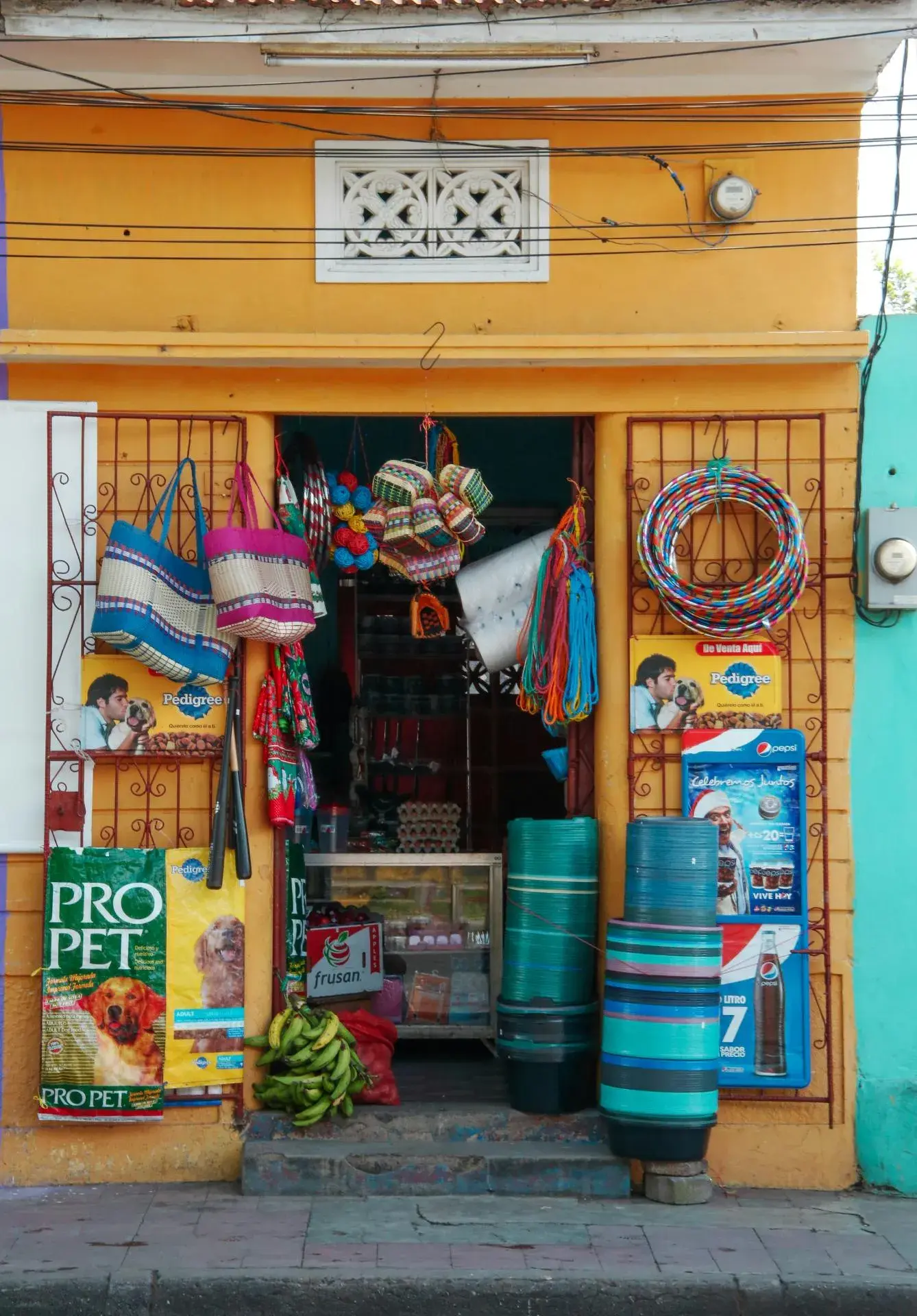
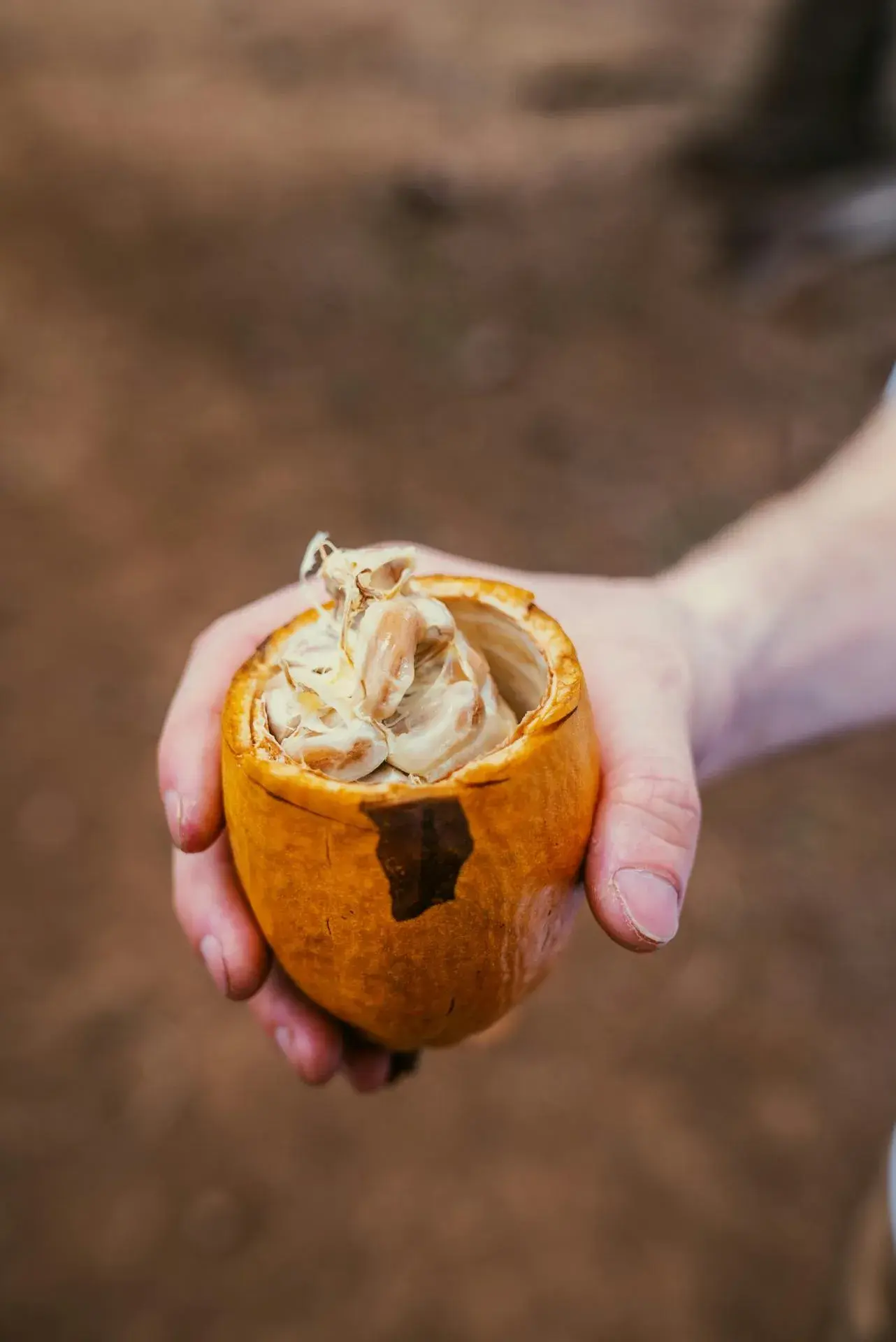
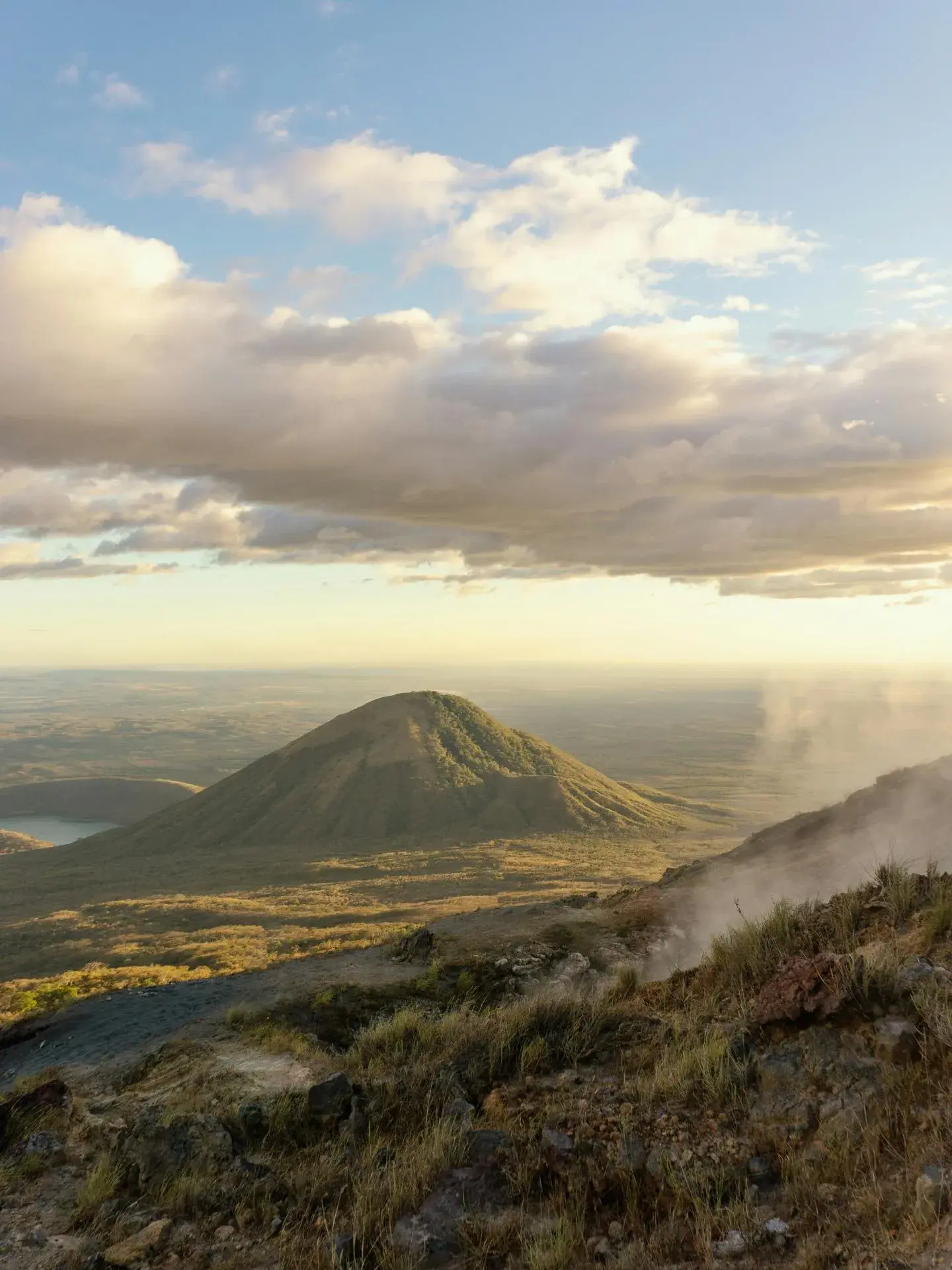
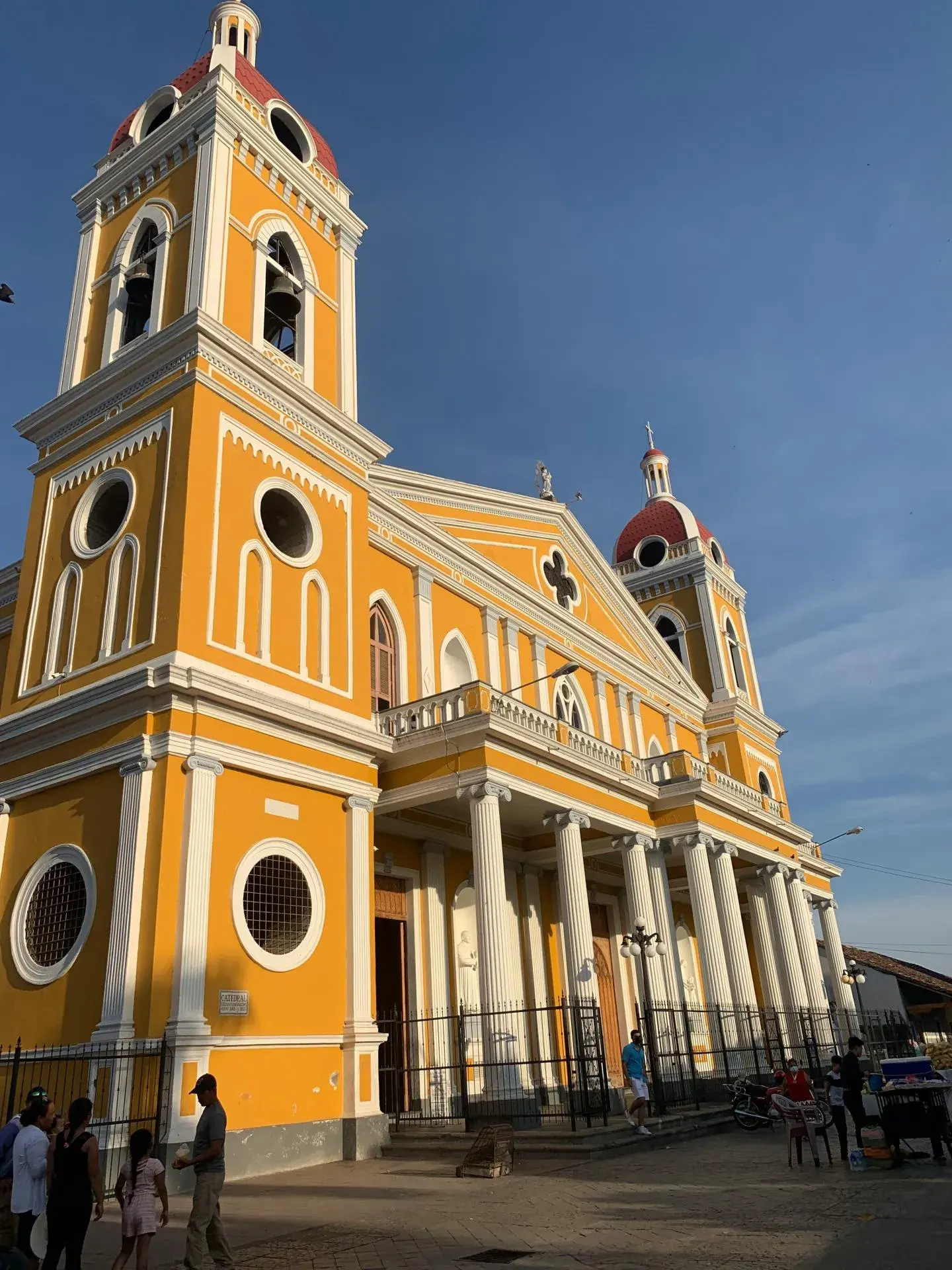
Across Nicaragua, vast lakes catch the reflection of volcanoes, colonial streets fade into sunlit plazas, and the Pacific breaks along rugged shores, creating a landscape that feels spacious, elemental, and quietly powerful.
Overview
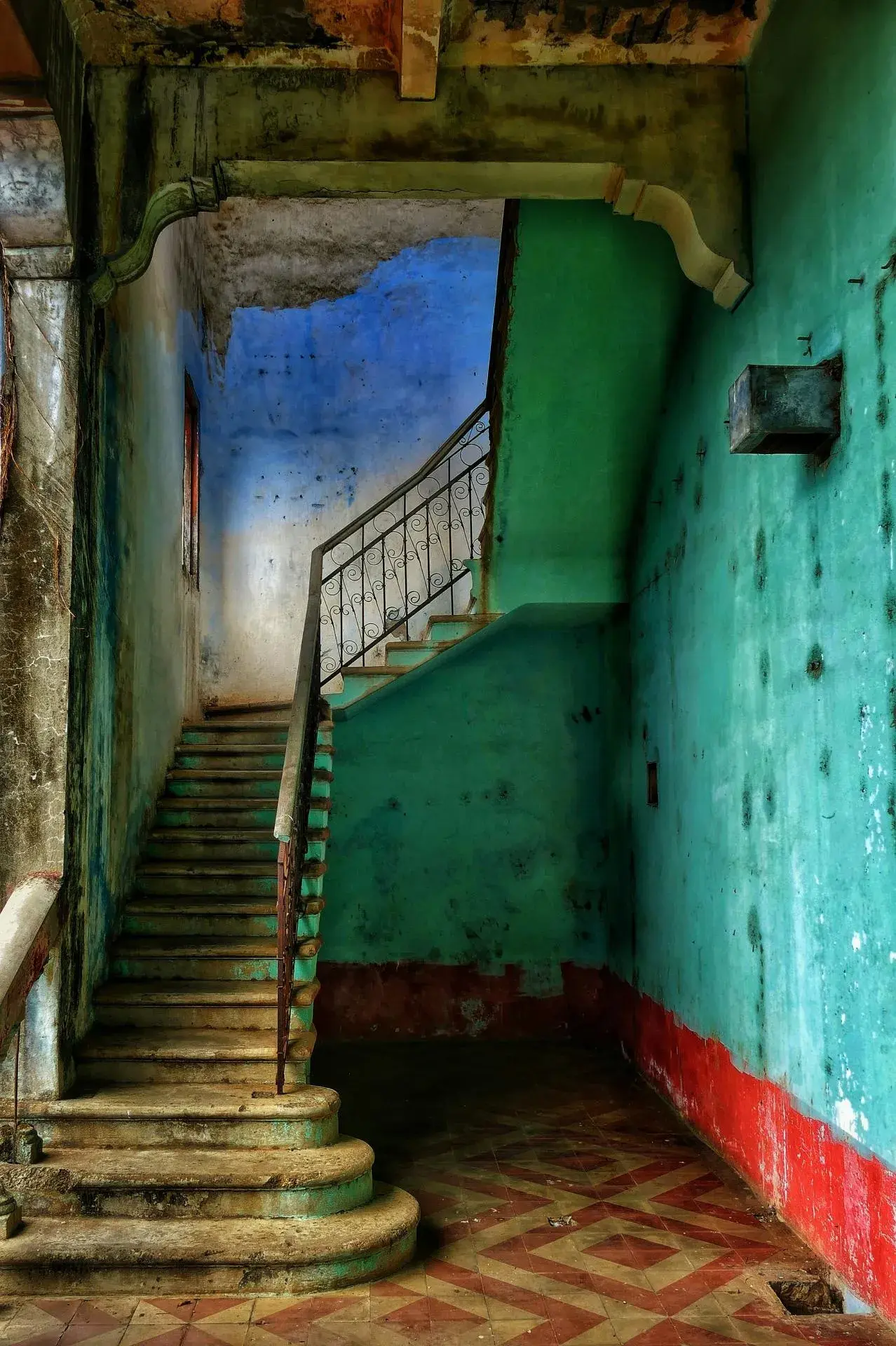
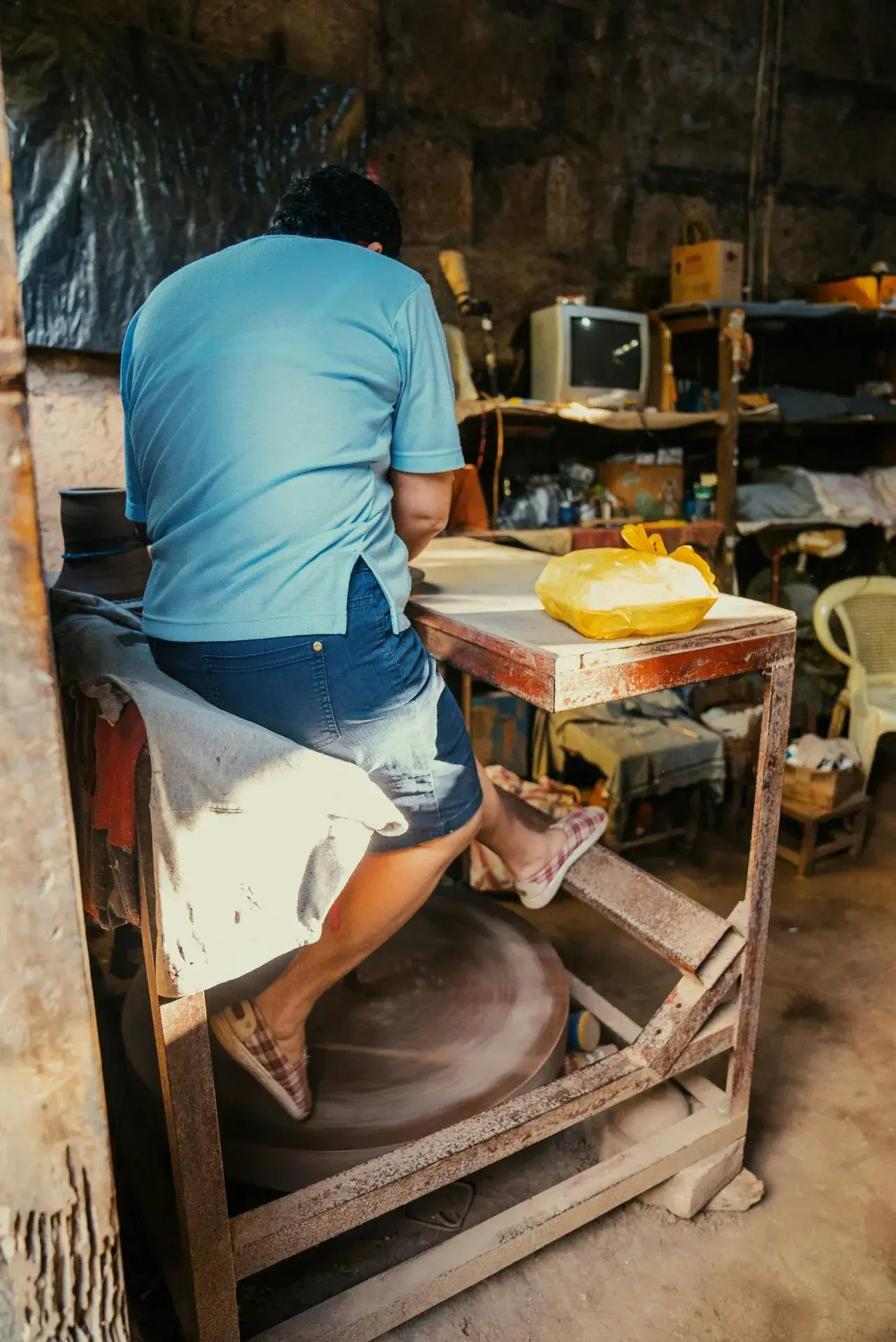
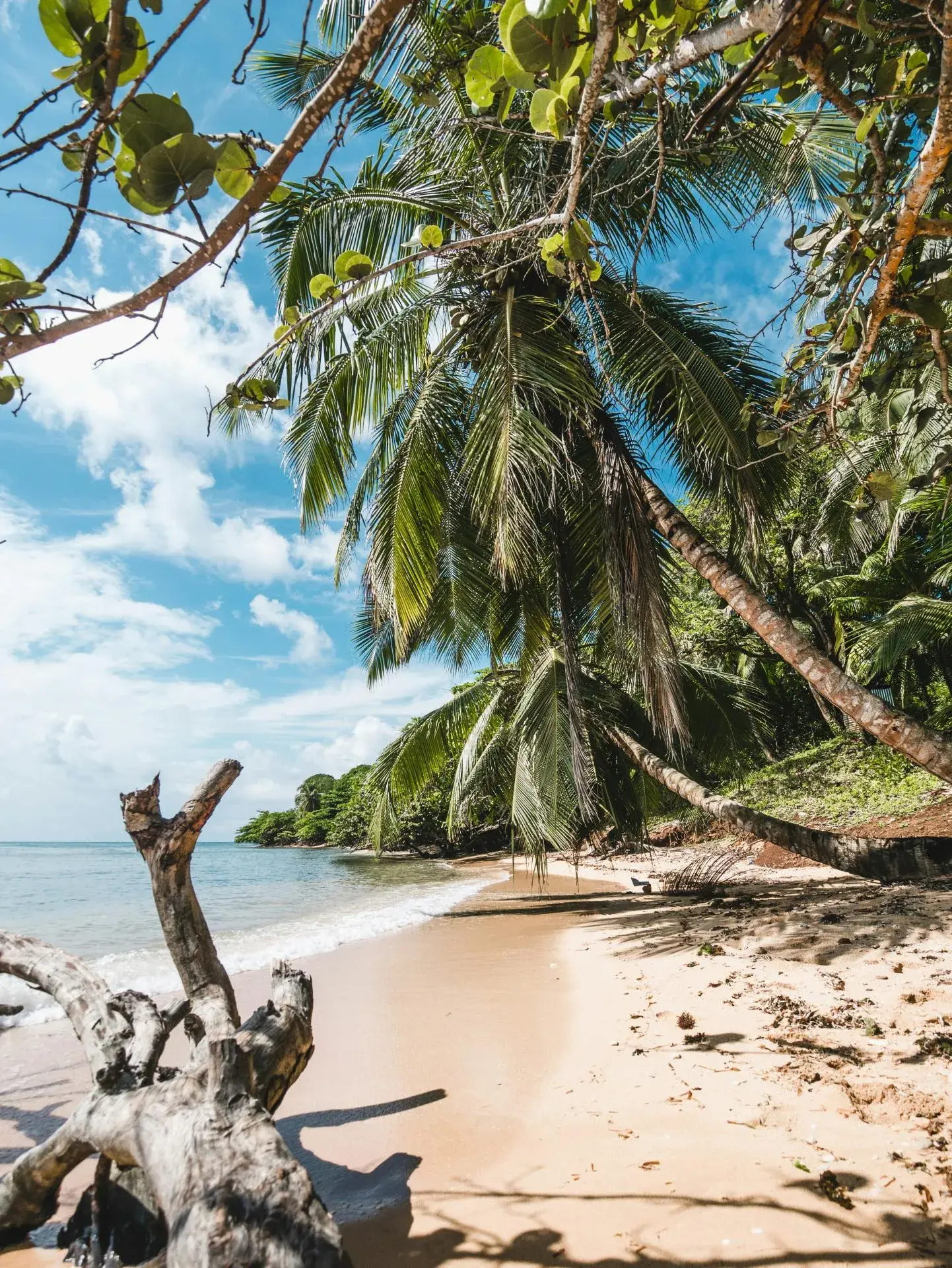
Nicaragua offers a wide range of experiences for travelers seeking both nature and culture. As Central America’s second-largest country, it features diverse landscapes, from mountains and volcanoes to quiet beaches along the Miskito Coast, first seen by Christopher Columbus over five centuries ago. Explore the colonial city of Granada, known for its colorful architecture, or wander through León, where historic buildings and murals reflect the country’s past. For those drawn to adventure, opportunities include volcano boarding, kayaking through jungle waterways, and exploring lesser-visited regions. Nicaragua also invites discovery of remote forests, wildlife, and traditional communities, offering a more authentic and less-traveled experience.
130,370 sq. km (50 sq. mi), or slightly larger than Pennsylvania
Costa Rica and Honduras
Spanish (official), English, Indigenous languages
Suggested Journeys
Featured Properties
When to Travel
Nicaragua is best visited during the dry season from November through April, when days are sunny, humidity is lower, and conditions are ideal for exploring cities, volcanoes, and beaches. This is the most reliable time for travel across the country.
The green season runs from May through October, bringing more frequent rain, usually in the afternoon. Travel is still very possible, with fewer crowds and lush landscapes, though some rural roads may be more difficult during heavier rains. The Pacific coast remains warm year-round, while inland and highland areas can feel slightly cooler.
Important Holidays and Events
Semana Santa (Holy Week) – March or April
One of the most important religious celebrations in Nicaragua, especially in cities like Granada and León. Processions, gatherings, and local travel can make accommodations and transportation more limited, but it is also a culturally rich time to visit.
Fiestas Patronales – throughout the year
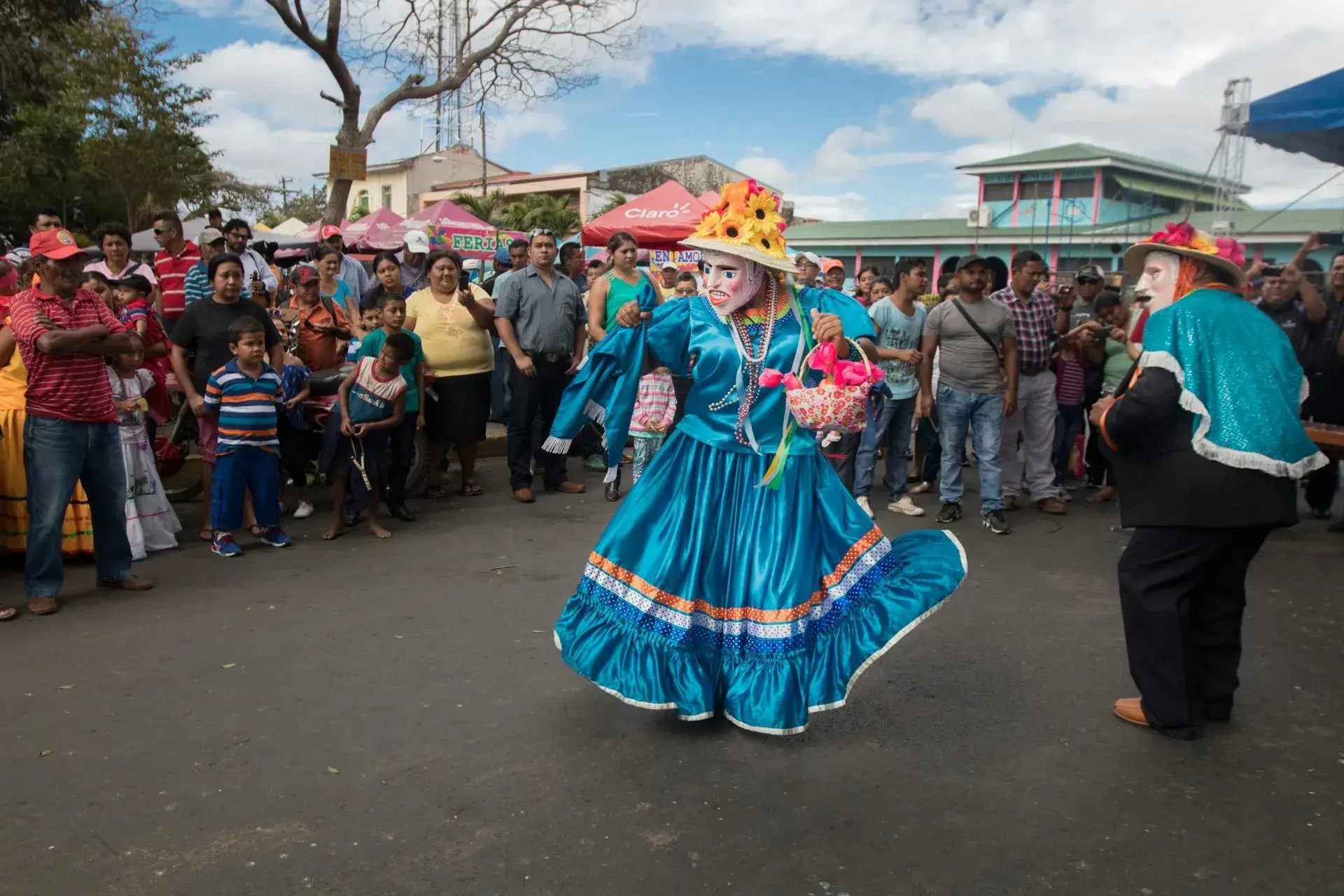
Local patron saint festivals vary by town and region. These include parades, music, food, and traditional celebrations, offering a lively and authentic cultural experience.
La Purísima – early December
A unique and deeply rooted religious celebration honoring the Virgin Mary, marked by street gatherings, music, and community festivities. It is a meaningful time to experience local traditions.
Travel during major holidays can be very rewarding culturally, but planning ahead is important, as domestic travel increases and availability may be limited.
Travel highlights
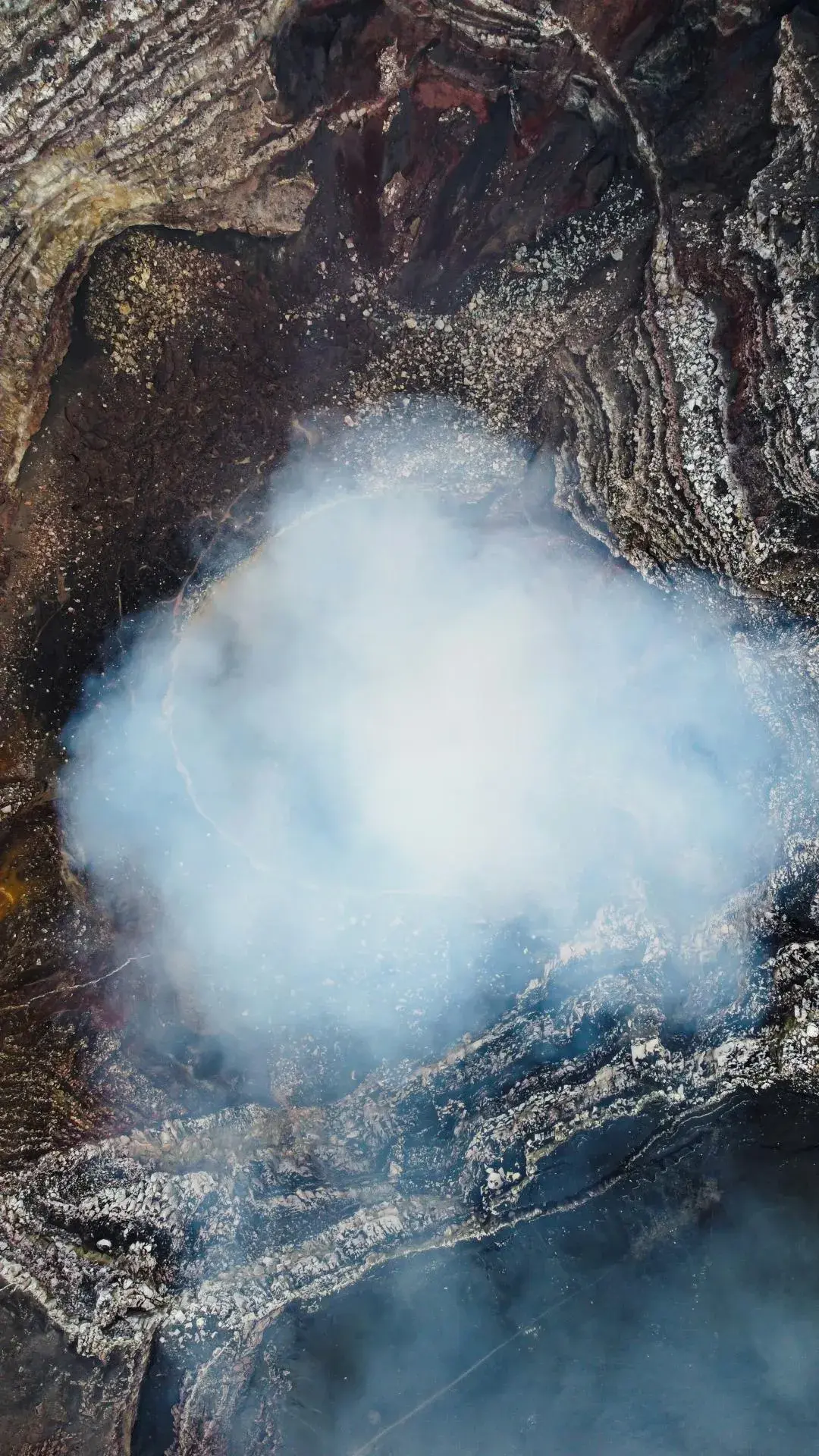
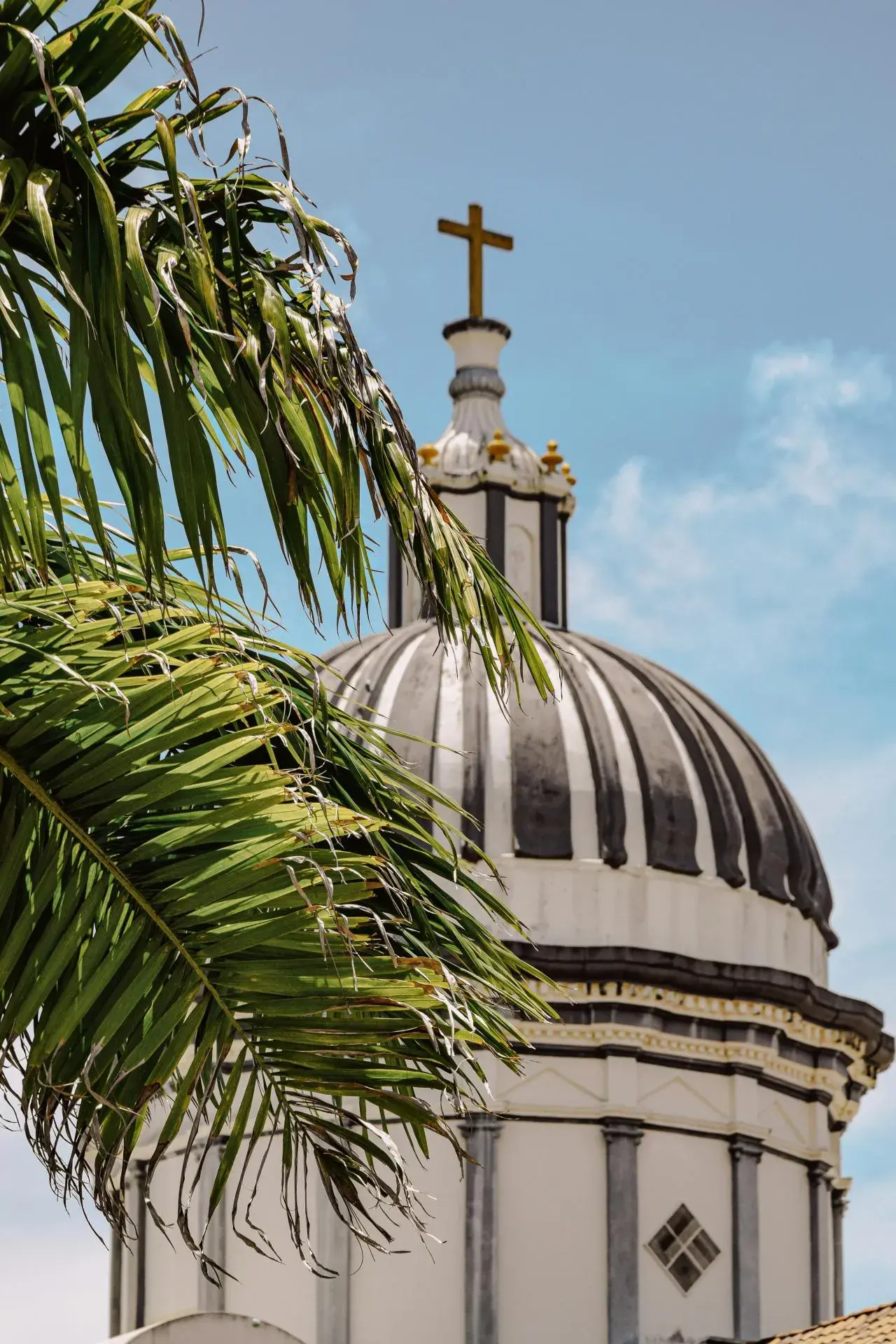
right streets in Granada open onto lake views dotted with small islands, while in León, a vast cathedral rises above murals and sunlit plazas. Across Lake Nicaragua, Ometepe’s twin volcanoes stand over quiet villages and shaded trails. At Masaya, heat shimmers above a glowing crater, a stark contrast to the surrounding green hills. Along the Pacific, San Juan del Sur curves around a sheltered bay where waves roll in and sunsets linger. Inland, forested paths lead to waterfalls and hidden clearings, each region revealing a different landscape shaped by nature and time.
Things to consider
-
Nicaragua has a warm, tropical climate, so lightweight and breathable clothing is best. In coastal areas and lowlands, temperatures are high and humidity can be strong, while higher elevations may feel slightly cooler in the evenings. Comfortable walking shoes are important, especially for uneven streets and trails. In beach areas like San Juan del Sur, casual and relaxed clothing is completely fine. However, in cities such as Granada and León, and especially in rural areas, people tend to dress more conservatively.
-
No mandatory vaccinations are required unless arriving from a yellow fever area. Travelers are generally advised to be up to date on routine vaccinations such as tetanus and hepatitis A. Typhoid is commonly recommended, and additional vaccines may be suggested depending on travel style. It is best to consult a healthcare provider before departure.
-
The currency is the Nicaraguan Córdoba (NIO), though US dollars are widely accepted in many places. Credit cards are accepted in hotels and larger restaurants, but cash is essential for smaller towns and local markets. ATMs are available in major cities, though less common in remote areas.
-
Nicaragua is generally considered safe for travelers, particularly in main tourist areas such as Granada, León, and San Juan del Sur. Basic precautions are recommended, including avoiding displaying valuables and using reputable transportation. As with any destination, it is best to follow local guidance and remain aware of surroundings.
-
Tap water is not recommended for drinking. Bottled or filtered water is widely available and should be used for drinking and brushing teeth. Nicaraguan cuisine is simple and fresh, often featuring rice, beans, meats, and tropical fruits. Food in established restaurants is generally safe, and local dishes offer a good introduction to the country’s flavors.
Entry requirements:
US and Canadian citizens must have a passport valid for at least six months beyond entry. No visa is required for tourist stays of up to 90 days. Travelers are typically required to purchase a tourist card upon arrival. Proof of onward or return travel may be requested. Requirements can change, so it is advisable to verify details prior to departure.