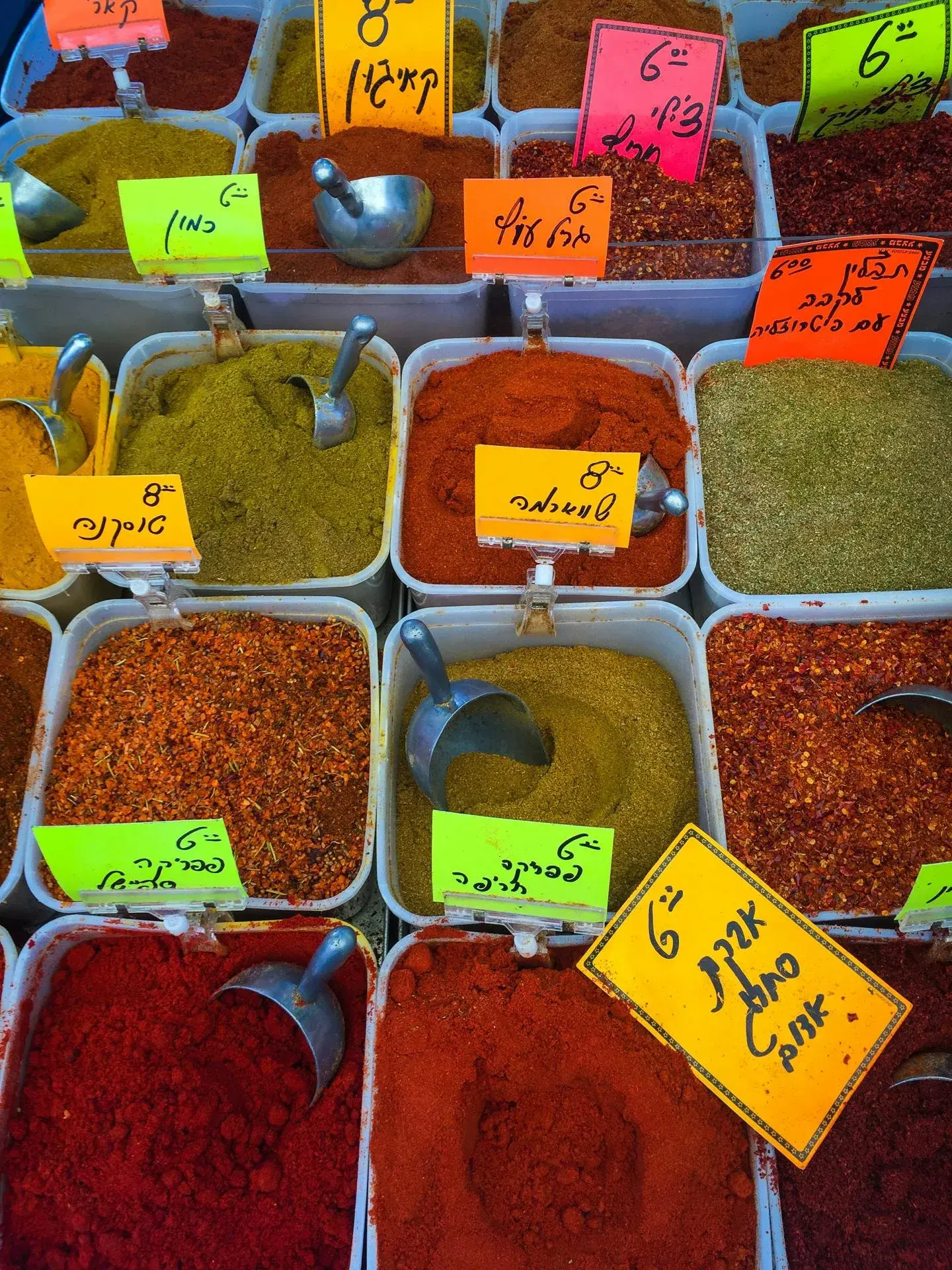
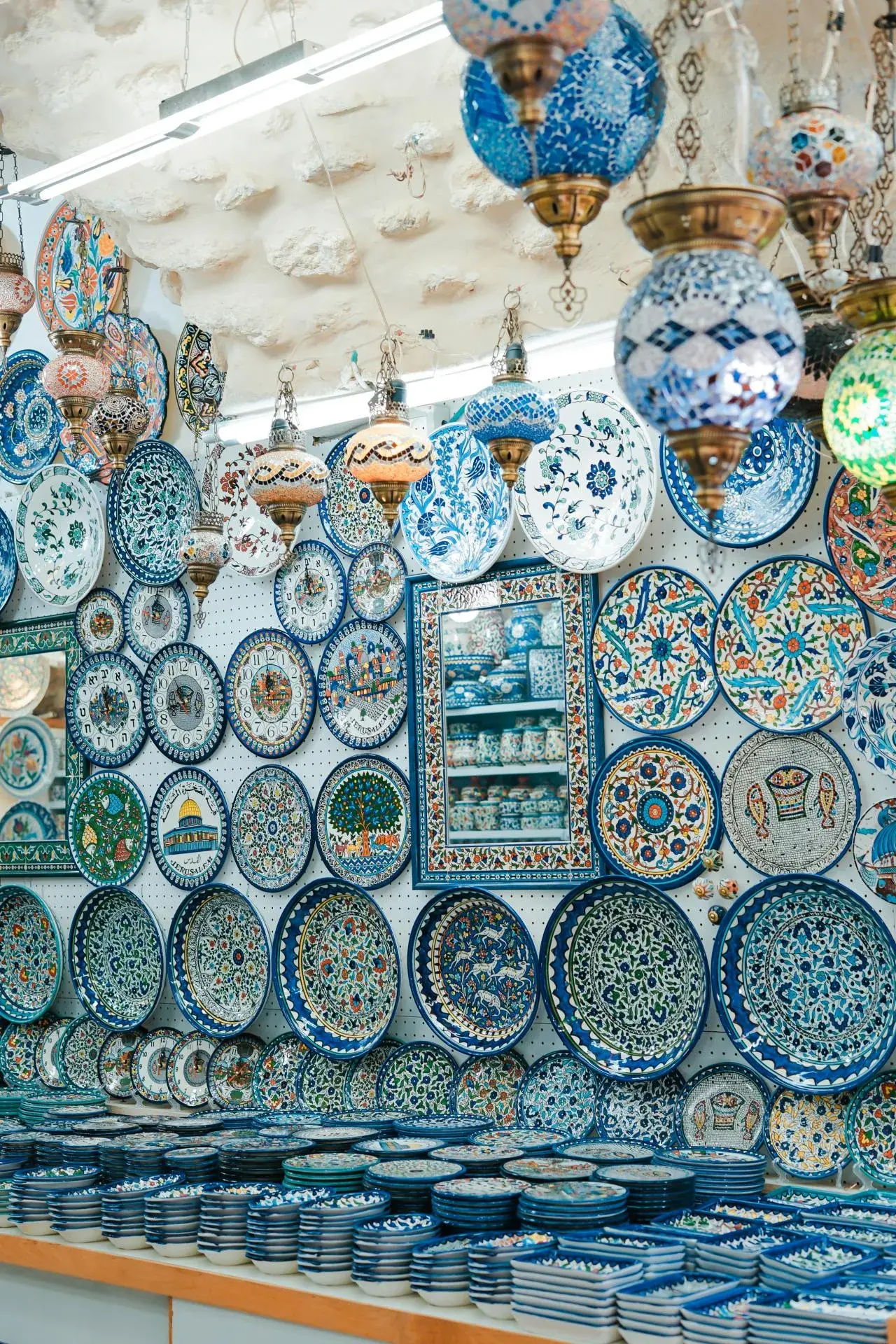
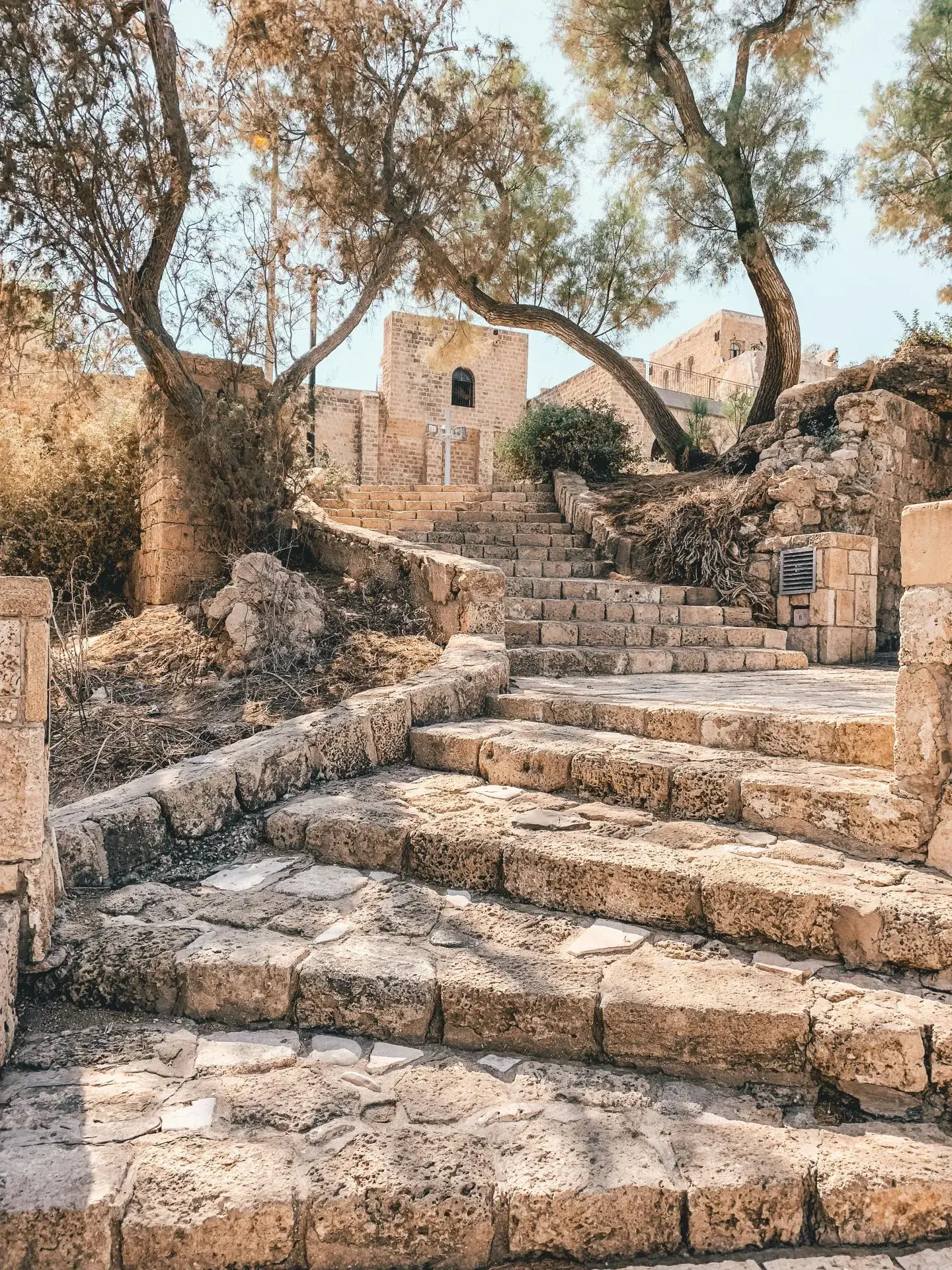
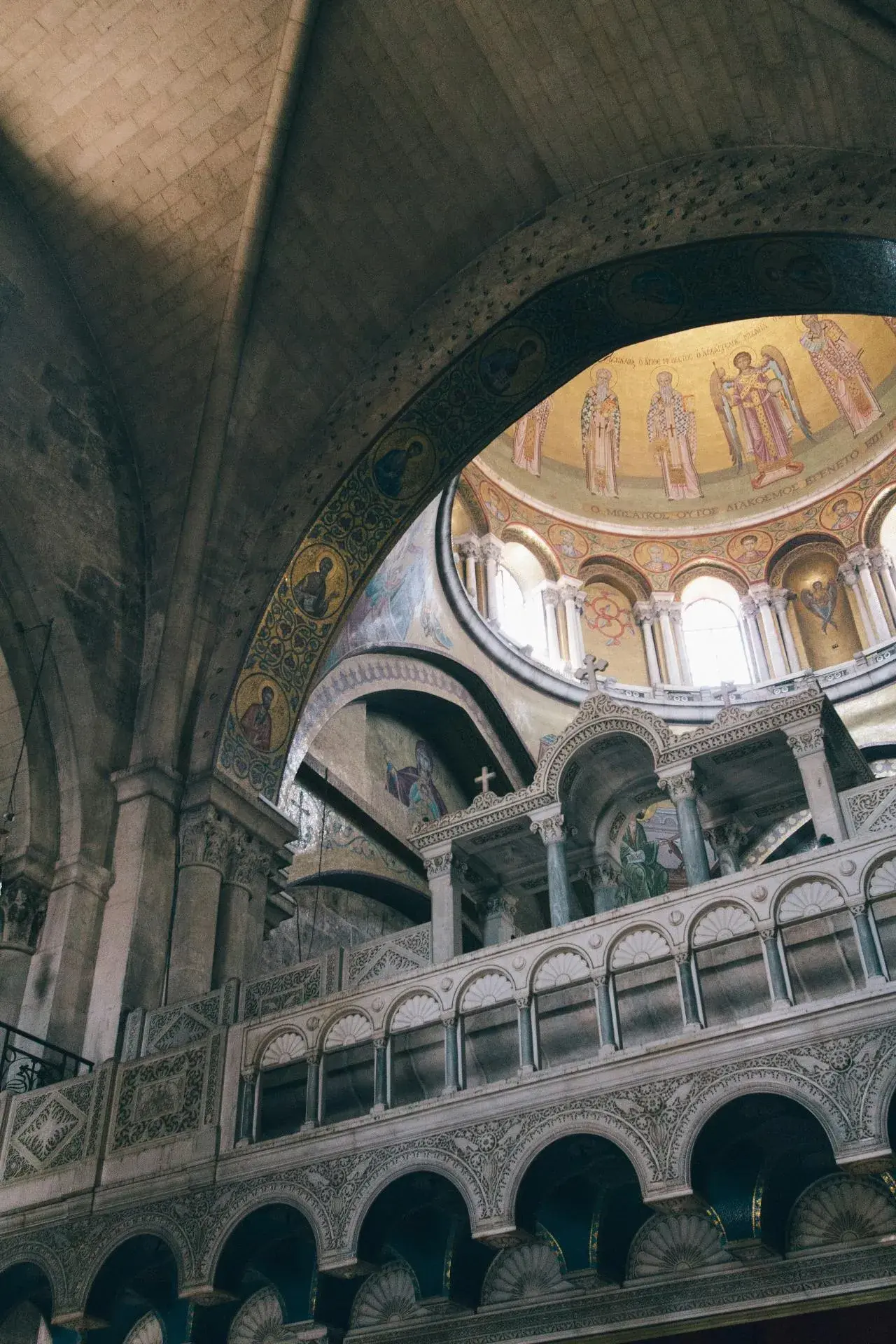
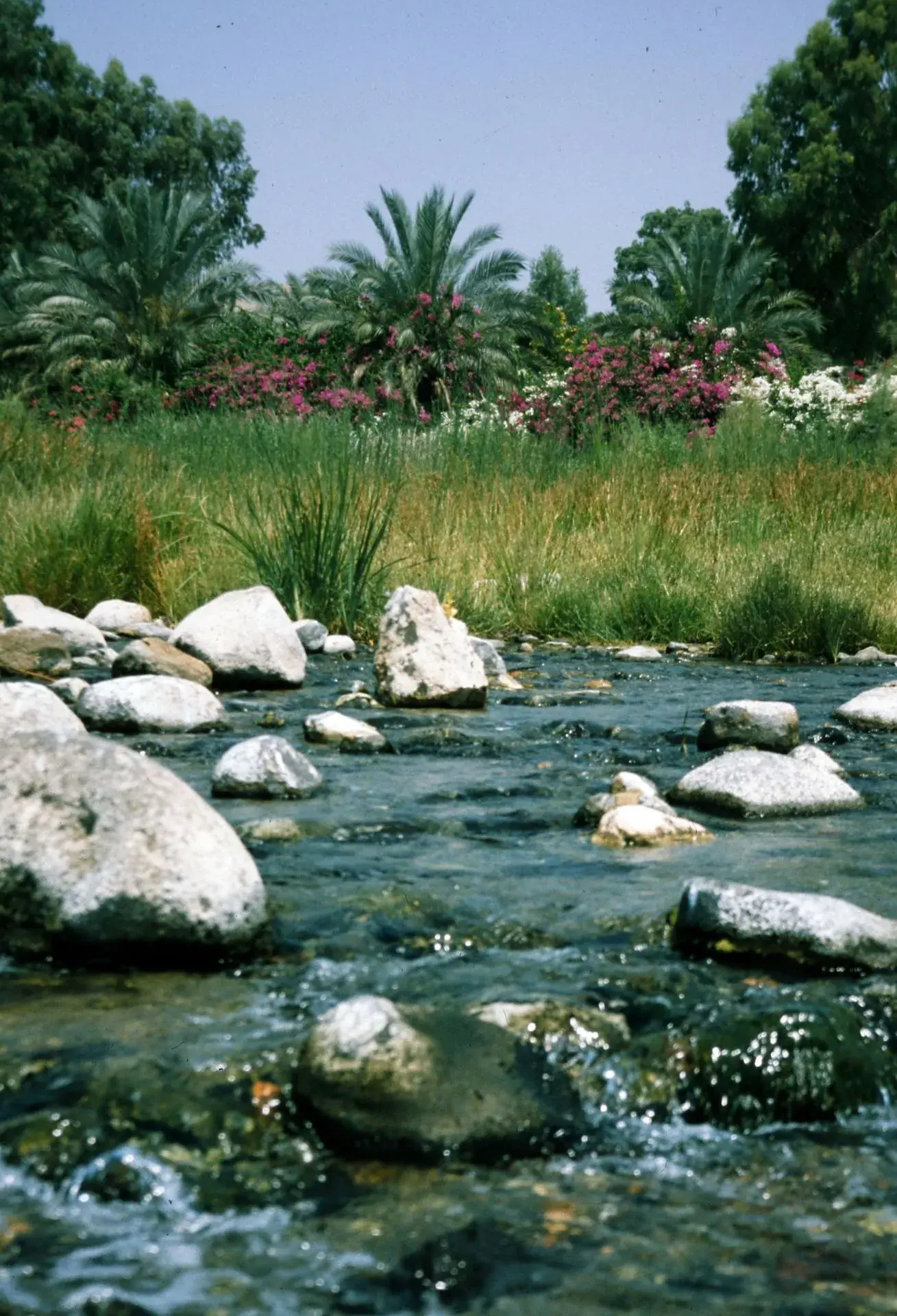
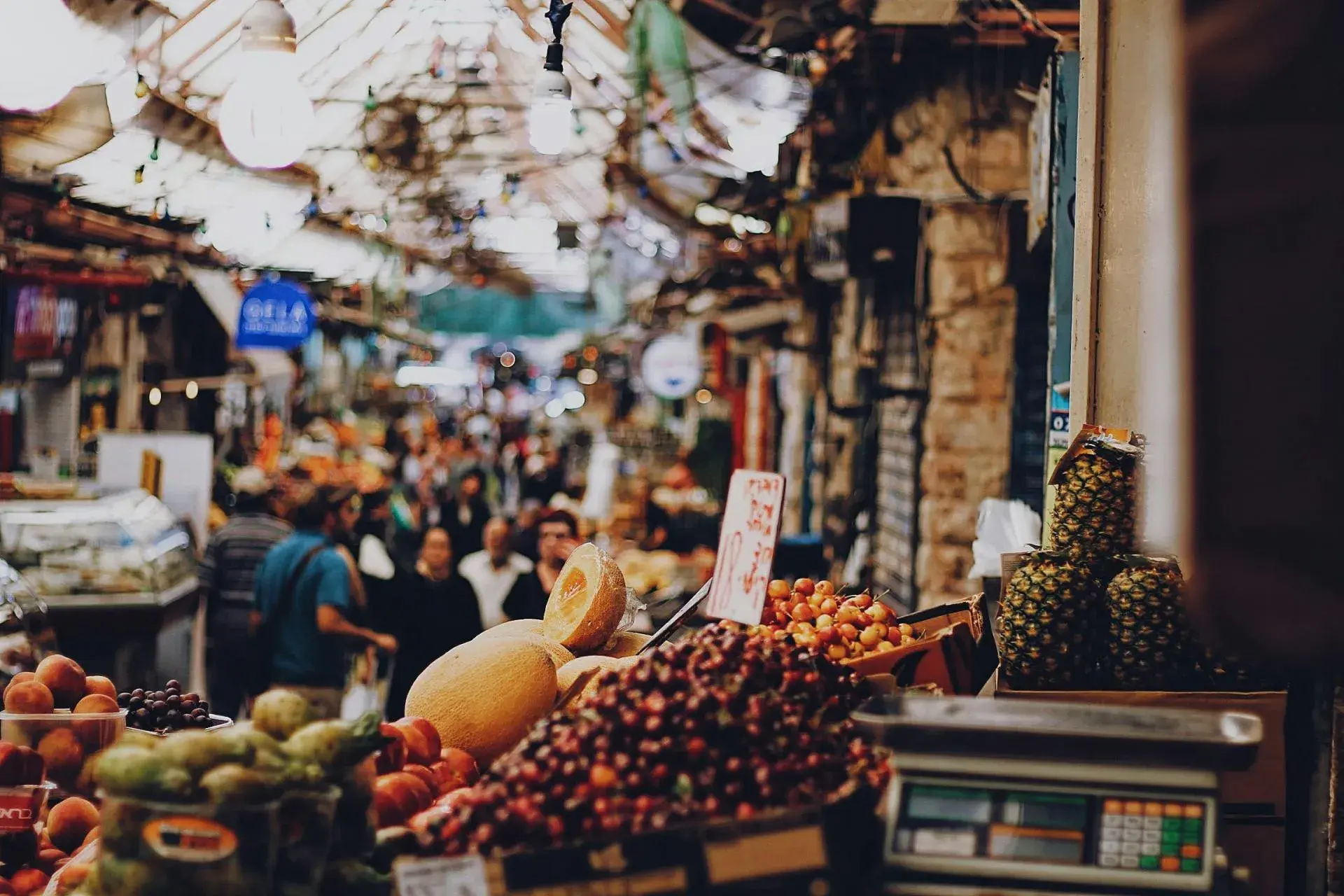
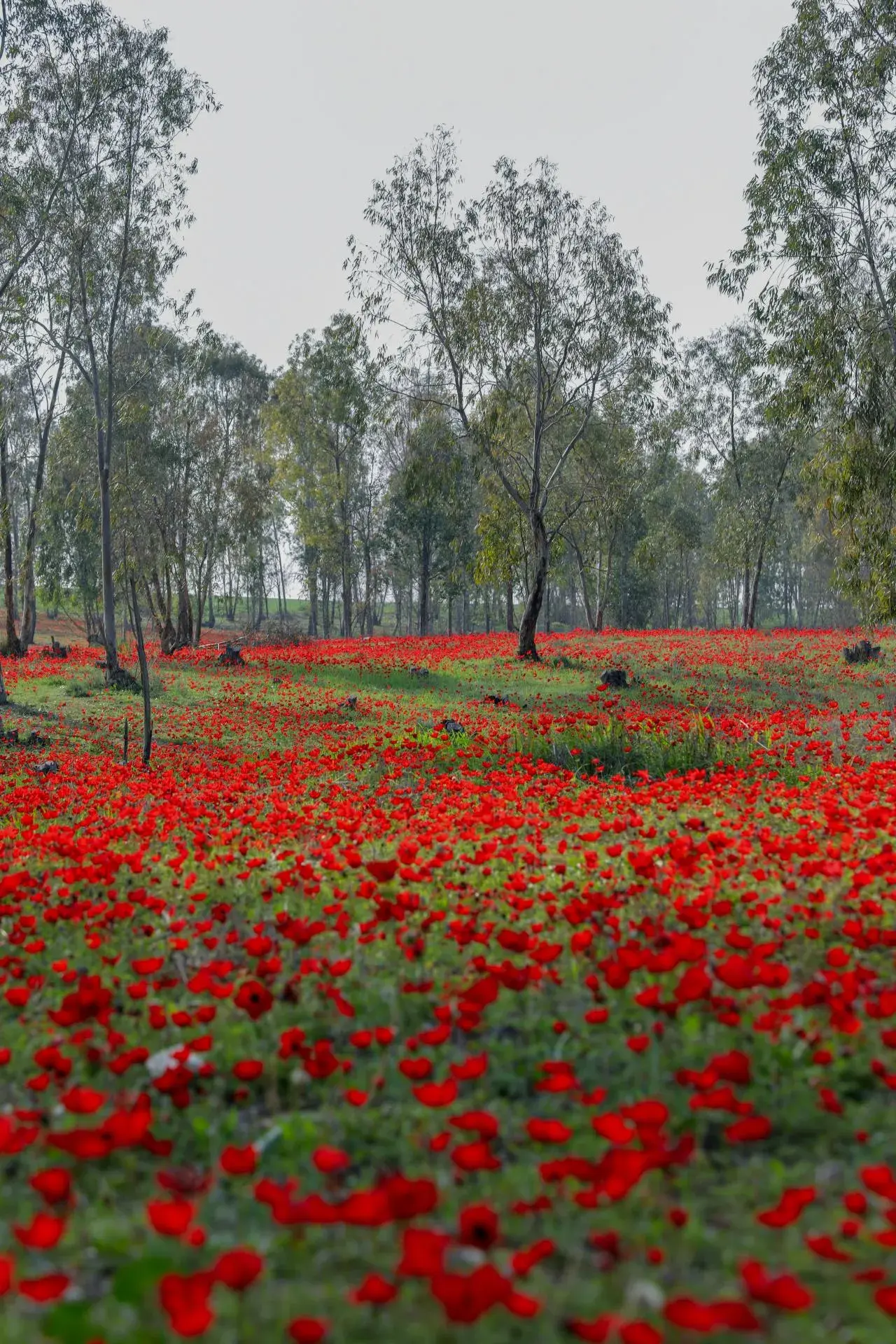
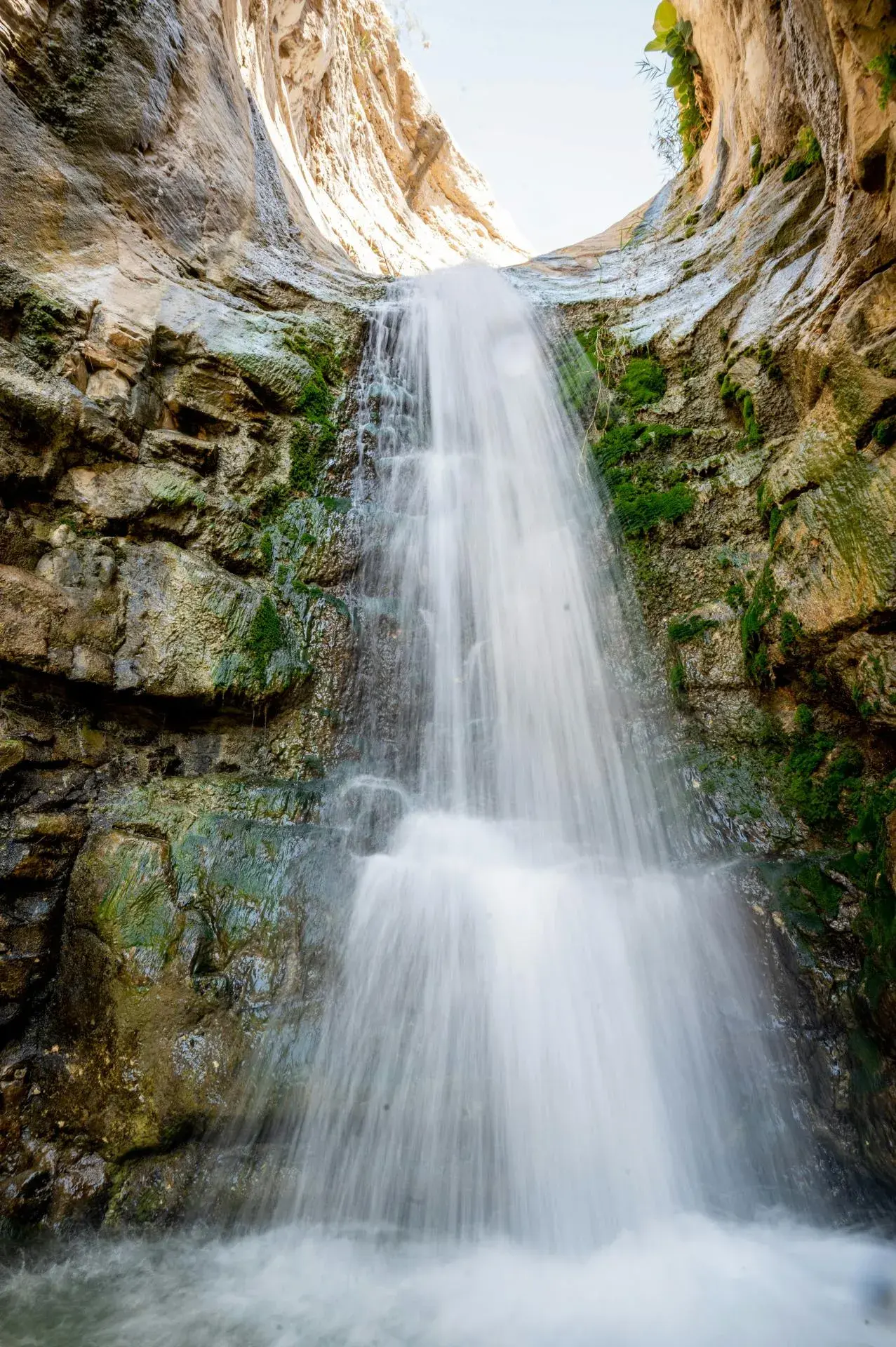
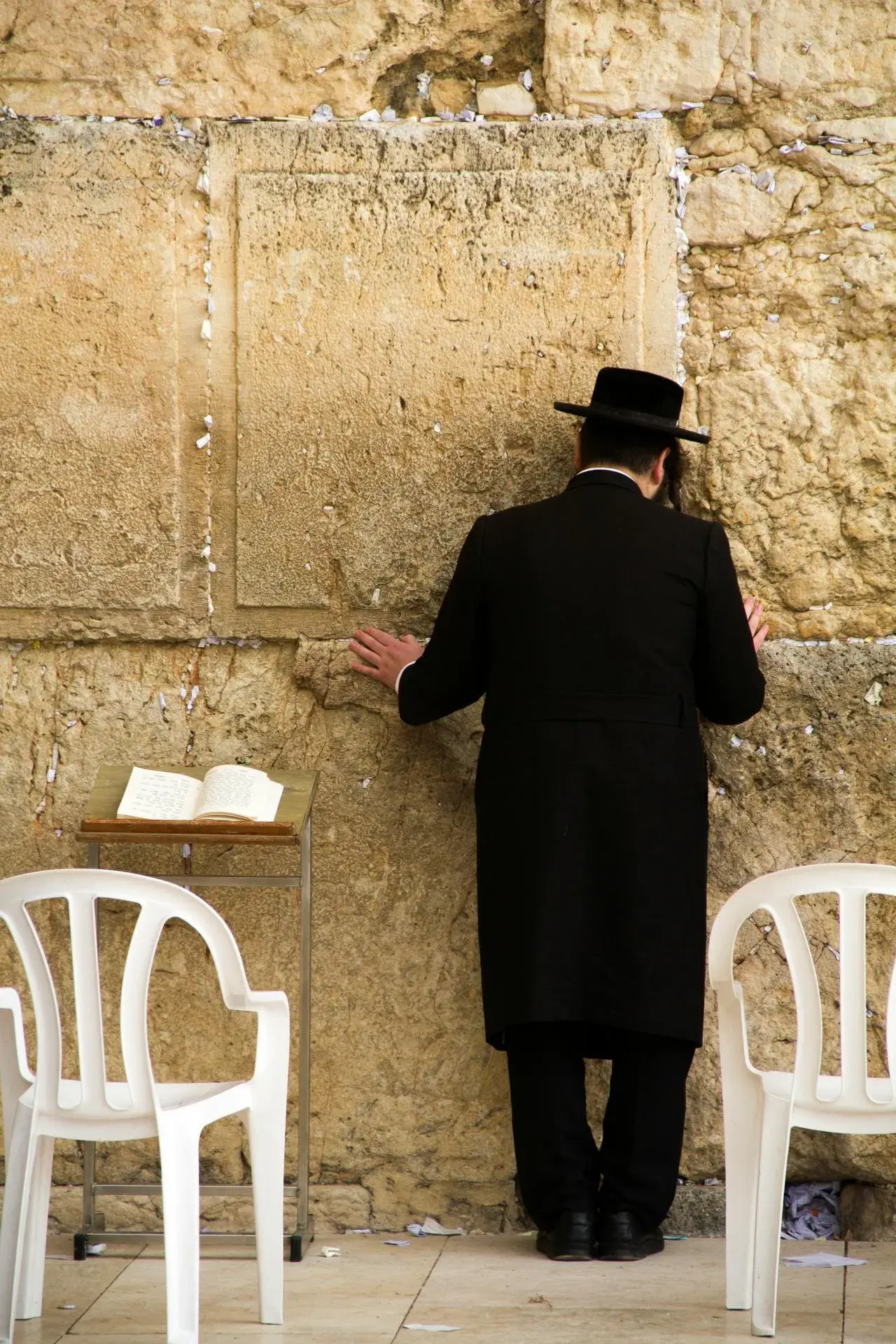
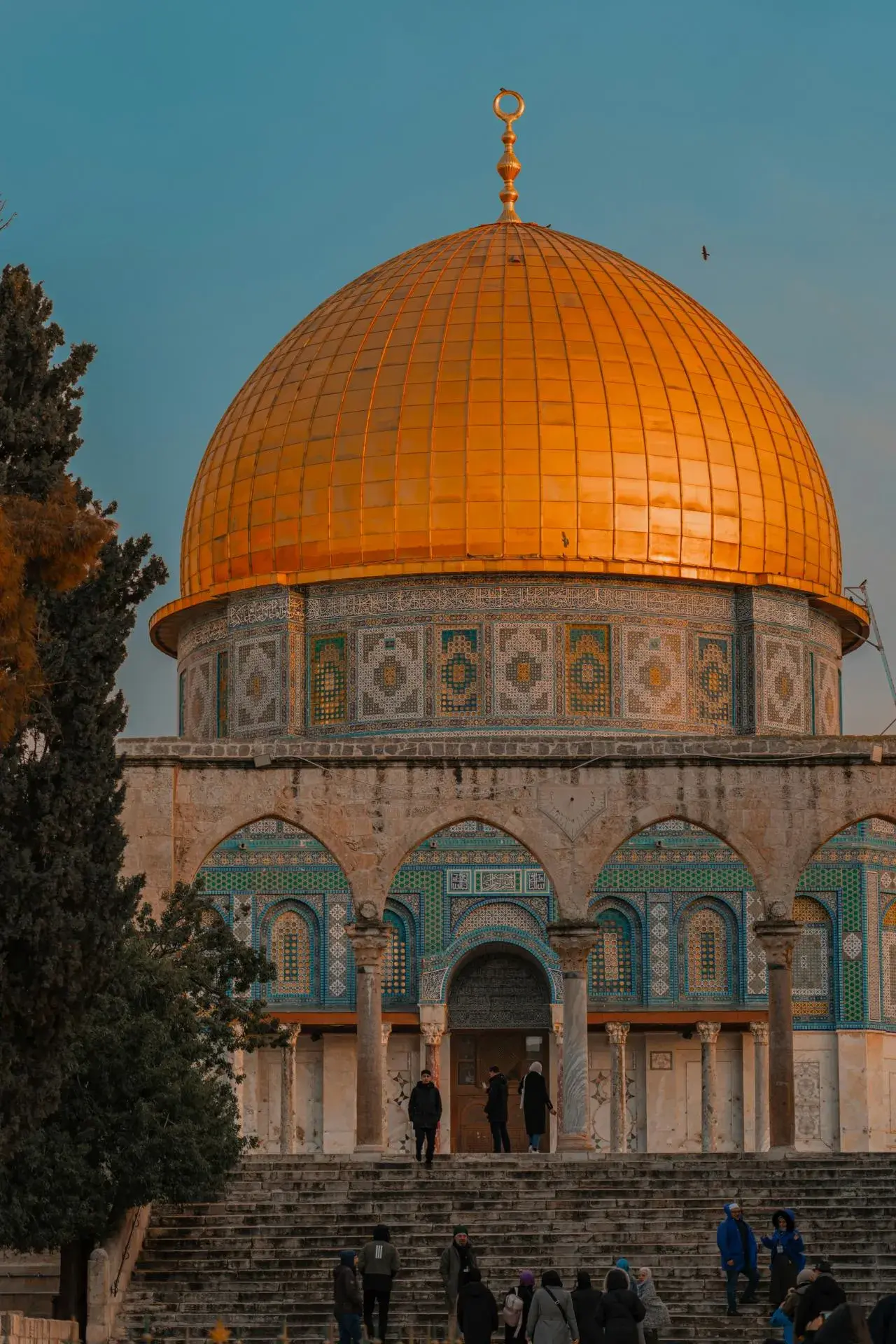
With the moniker, The Holy Land, Israel already has an air of respectability and is a country that is steeped in history. A land that has a wondrous mix of biblical charm and modern feel; Israel isn't only a destination for those who are religiously devout, the Middle Eastern nation draws in travel-seekers and vacationers due to its exotic temperatures and destinations. Israel is such a varied nation because of the combining of so many different backgrounds under the Israeli identity that makes the country a destination that rises above most.
Overview
Israel’s history spans thousands of years, shaped by ancient kingdoms, religious traditions, and successive empires, making a few of it's locations some of the most historically and culturally significant places in the world. Sacred to Judaism, Christianity, and Islam, its heritage is deeply layered and visible throughout the country. In modern times, Israel was established in 1948 and has developed into a dynamic and diverse society.
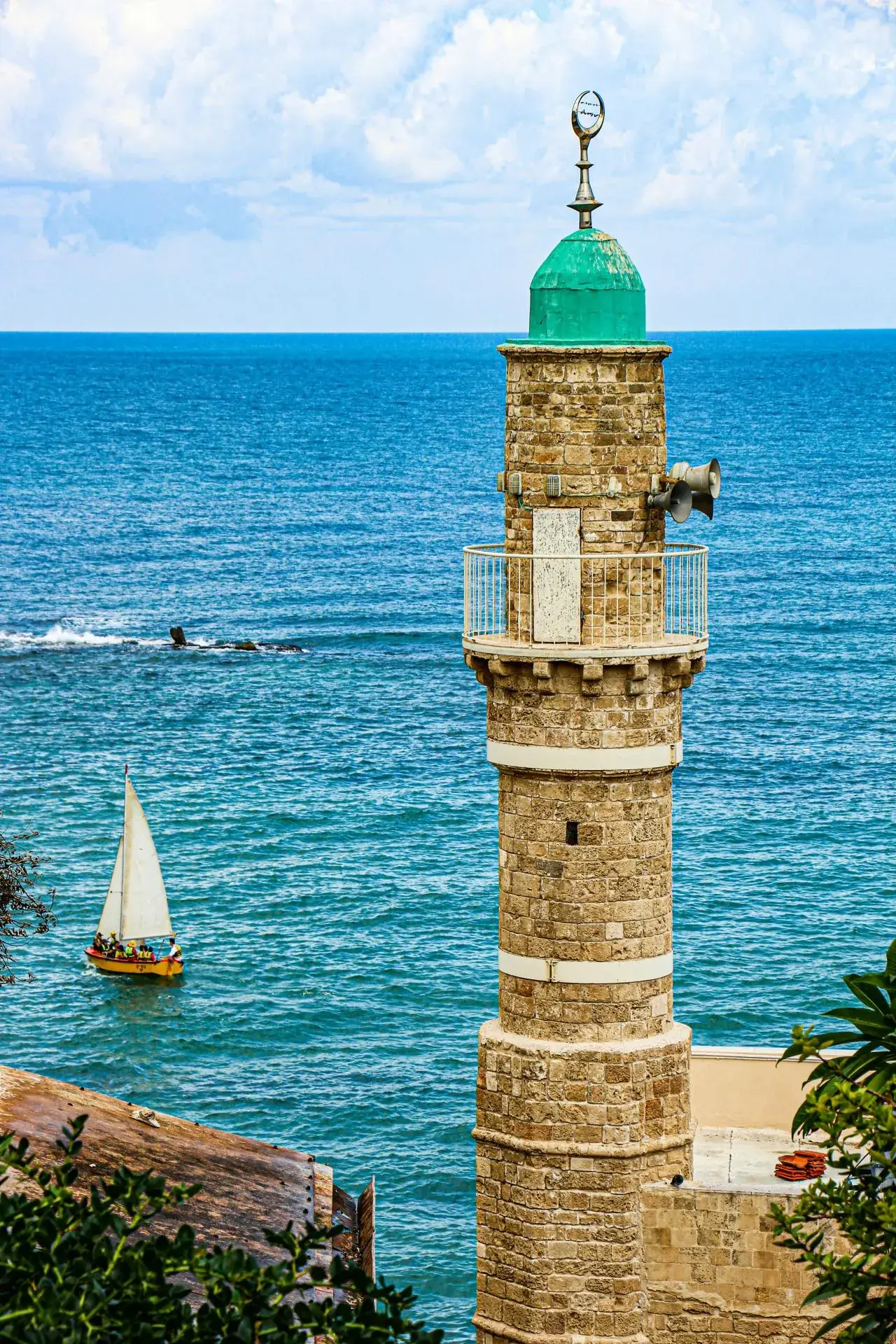
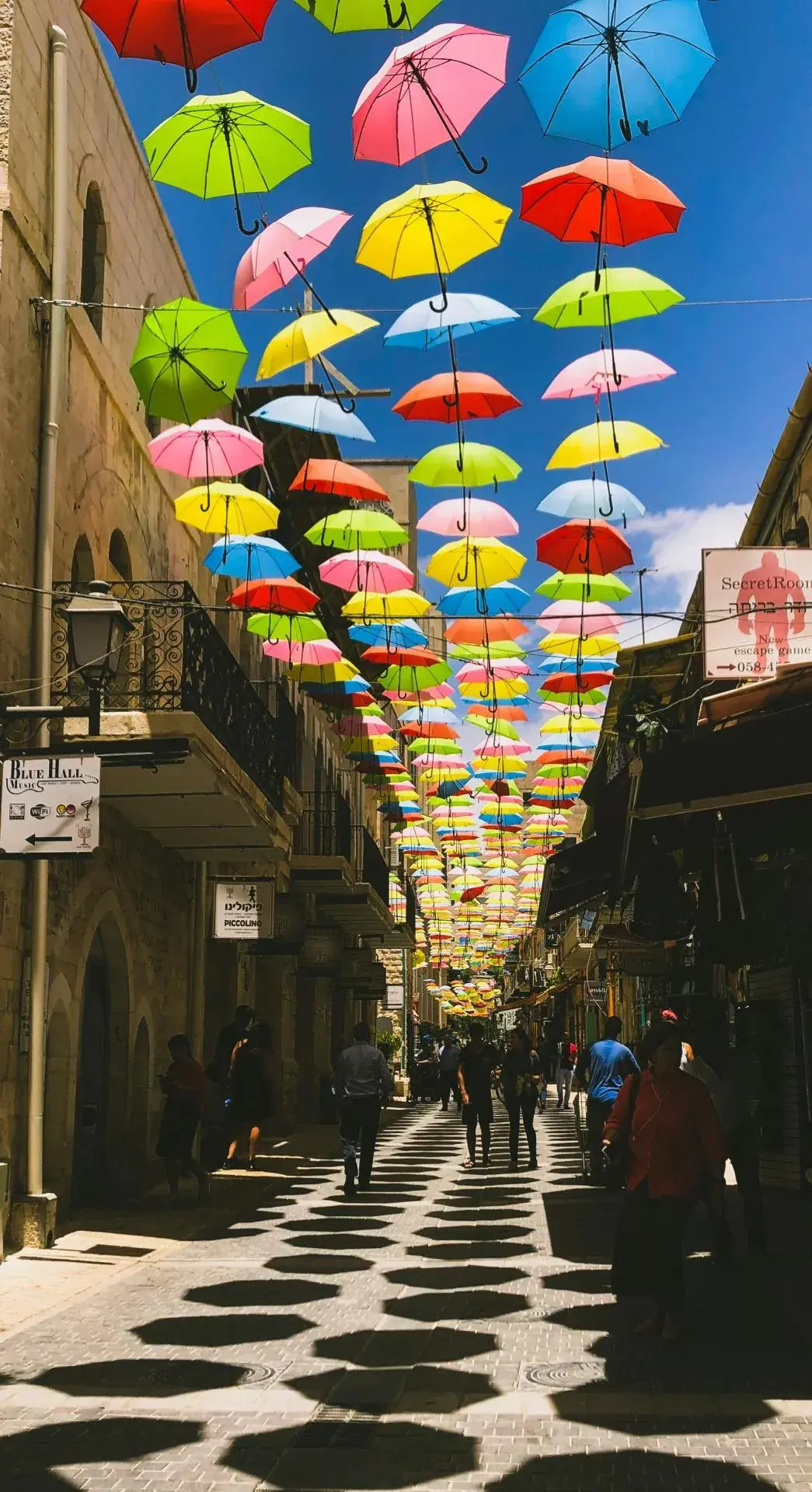
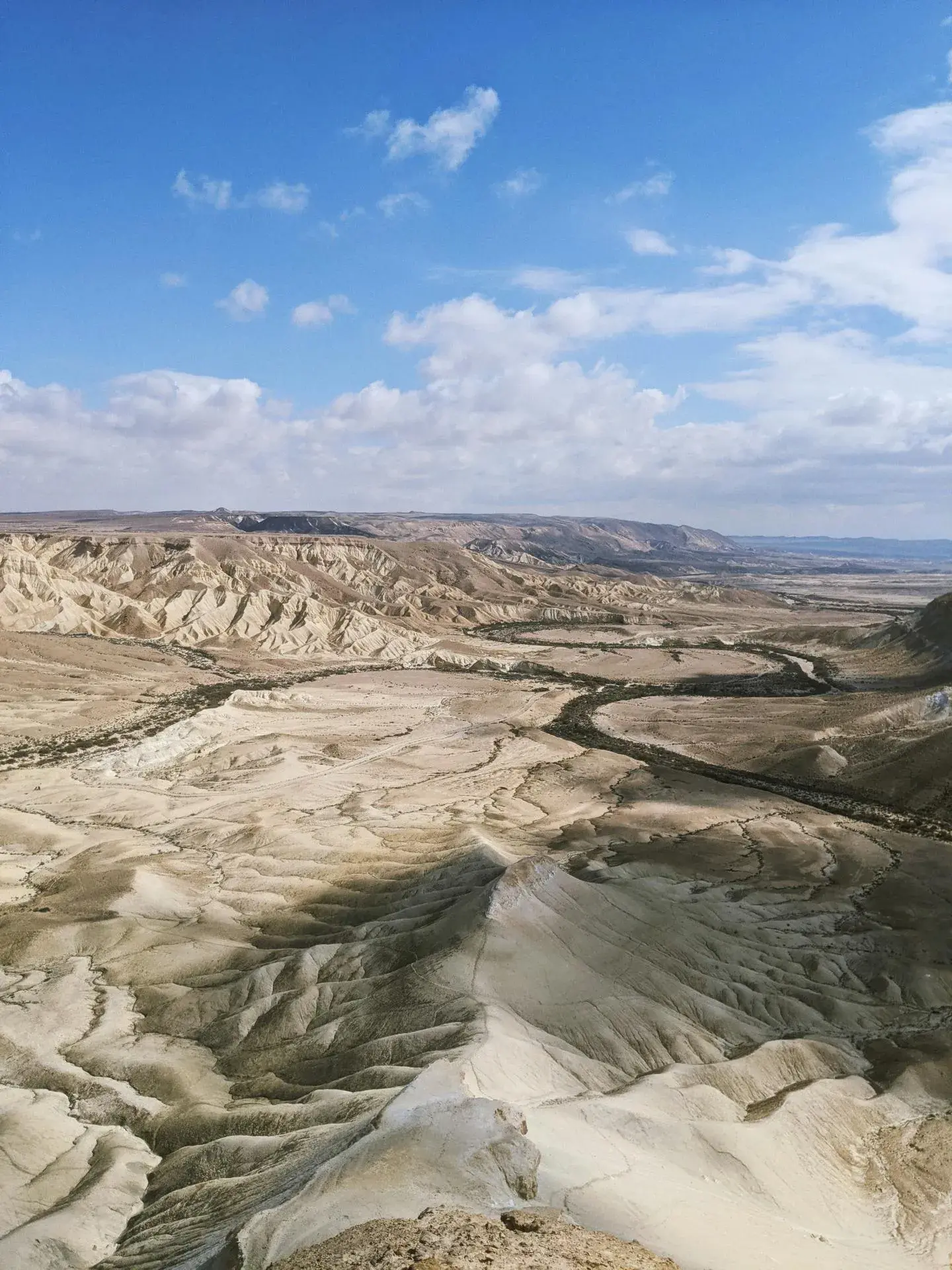
The country offers a wide range of landscapes within a relatively small area. In Jerusalem, ancient stone streets and religious sites reflect centuries of history and faith. Tel Aviv provides a contrast, with a modern coastline and vibrant culture and energy. To the south, the desert landscapes of Negev Desert offer open space and dramatic scenery, while the Dead Sea marks the lowest point on earth.
8,019 sq. mi, it is slightly larger than New Jersey
Egypt, Gaza, Jordan, Lebanon, Syria, West Bank
Hebrew (official), Arabic (sub-official), English
Suggested Journeys
Featured Properties
When to Travel
Israel can be visited year-round, though the most comfortable periods are spring (March–May) and autumn (September–November). During these months, temperatures are mild and ideal for exploring places like Jerusalem, the Negev Desert, and the coast. Expect temperatures around 20–28°C (68–82°F).
Summer (June–August) is hot, especially inland and around the Dead Sea, where temperatures often exceed 35°C (95°F). Coastal areas such as Tel Aviv are more manageable due to sea breezes.
Winter (December–February) is cooler, with temperatures around 10–18°C (50–64°F). It can be a good time for fewer crowds, though rain is more likely, particularly in the north.
Holidays & Events
Jewish High Holidays (September–October) – including Rosh Hashanah and Yom Kippur. Travel can be impacted as businesses close, public transport is limited (especially on Yom Kippur), and hotels may be fully booked.
Passover (March–April) – a major holiday period when many Israelis travel domestically. Sites can be busier, though the atmosphere is festive.
Sukkot (September–October) – another peak travel time locally, with increased crowds at major attractions.
Ramadan (dates vary) – observed by Muslim communities; travel is generally unaffected, though hours may vary in some areas.
Christmas (December) – especially in places like Bethlehem, adding cultural depth and seasonal atmosphere.
In general, holidays can enrich the cultural experience but may affect logistics, so planning ahead is recommended.
Travel highlights
Israel offers a compact yet diverse range of experiences, where ancient history and modern life exist side by side. In Jerusalem, sacred sites and historic streets reflect thousands of years of religious and cultural significance, while Tel Aviv brings a contemporary contrast with its coastline, architecture, and vibrant atmosphere. The landscapes extend from the desert scenery of the Negev Desert to the unique setting of the Dead Sea. Along the coast, places like Caesarea blend archaeology with modern life, creating a destination shaped by history, culture, and varied landscapes.
Things to consider
-
Lightweight, breathable clothing is suitable for most of the year, especially in warmer areas such as the Dead Sea and Negev Desert. In cities like Tel Aviv, casual attire is common, while in Jerusalem and religious sites, modest dress (covering shoulders and knees) is recommended. A light jacket is useful for cooler evenings and winter months.
-
Routine vaccinations should be up to date, and hepatitis A is commonly recommended. It is advisable to consult a healthcare provider before travel.
No mandatory vaccinations are required.
-
The currency is the Israeli New Shekel (ILS). Credit cards are widely accepted throughout the country, and ATMs are easily accessible in cities and towns. Cash is useful for smaller purchases and markets.
-
Israel is generally safe for travelers in established tourist areas. Security presence is visible, particularly in cities and at major sites. Travelers should follow local guidance and remain aware of current events. Using reputable transportation and avoiding restricted areas is recommended.
-
Tap water is safe to drink throughout Israel. Food standards are high, with a wide range of fresh and well-prepared options, reflecting a mix of Middle Eastern and Mediterranean heritage.
Entry requirements:
US and Canadian citizens must have a passport valid for at least six months beyond entry. No visa is required for tourist stays of up to 90 days. Upon arrival, travelers receive an entry permit (instead of a passport stamp), which should be kept for the duration of the stay. Proof of onward or return travel may be requested, as well as details of accommodation.