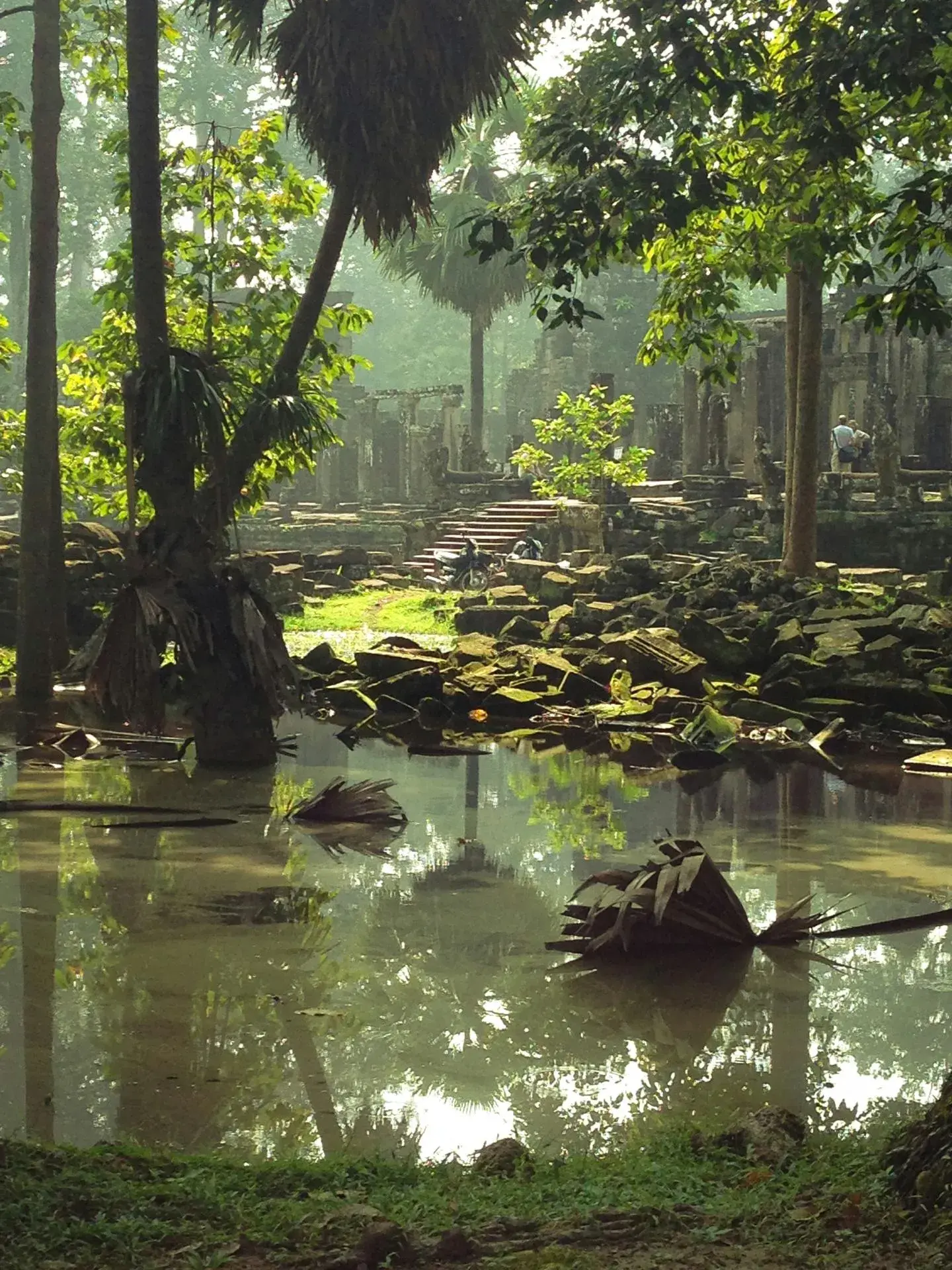
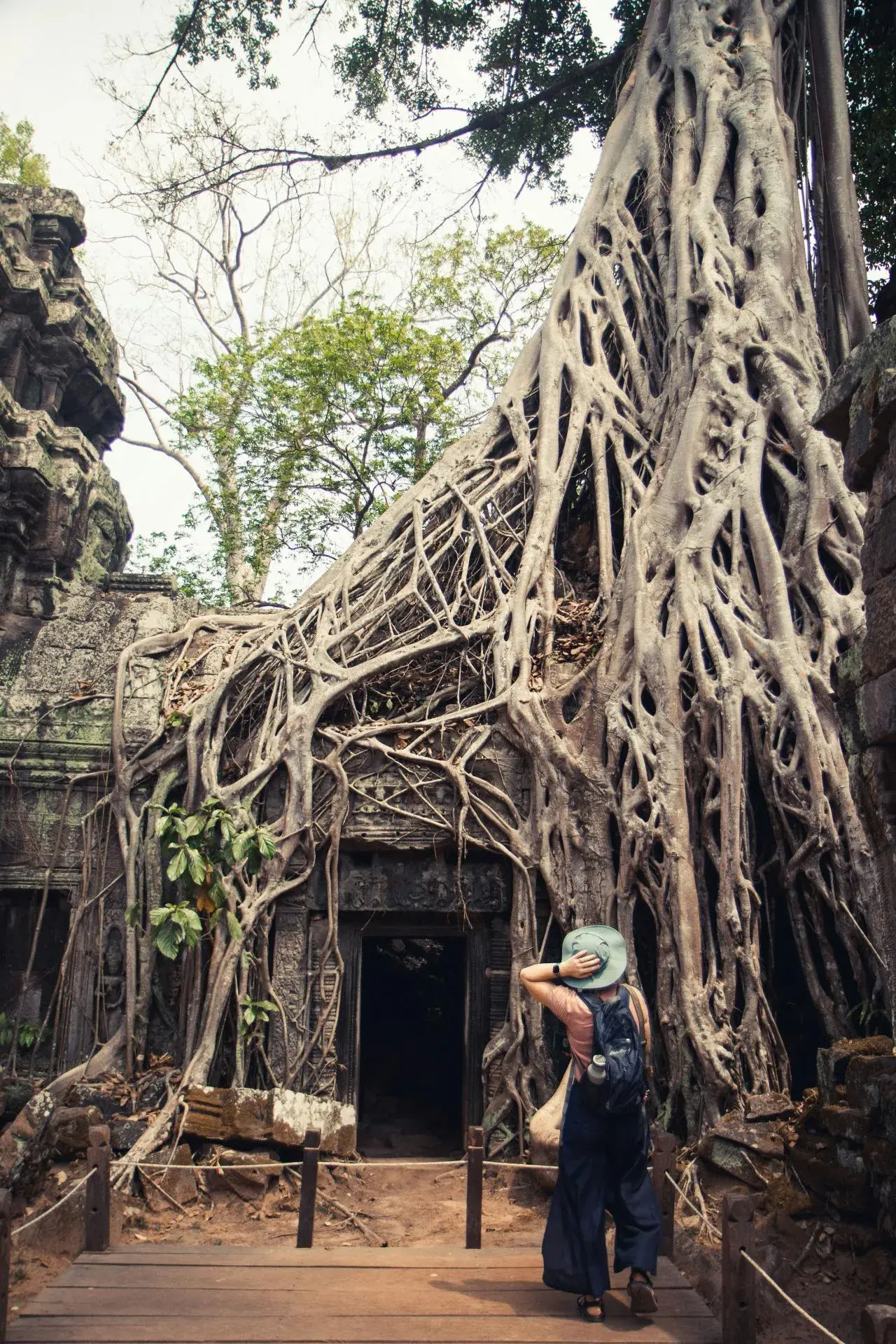
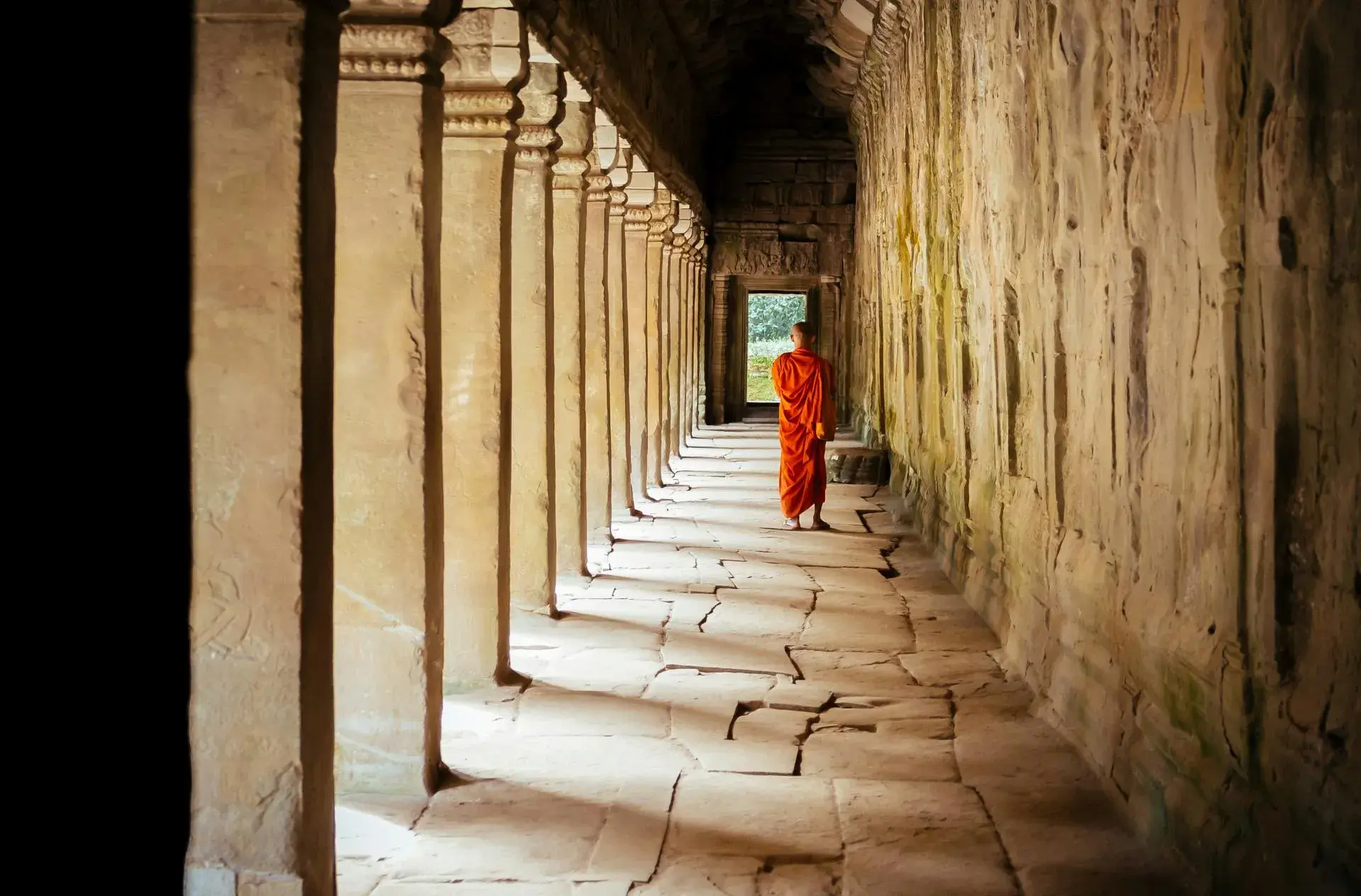
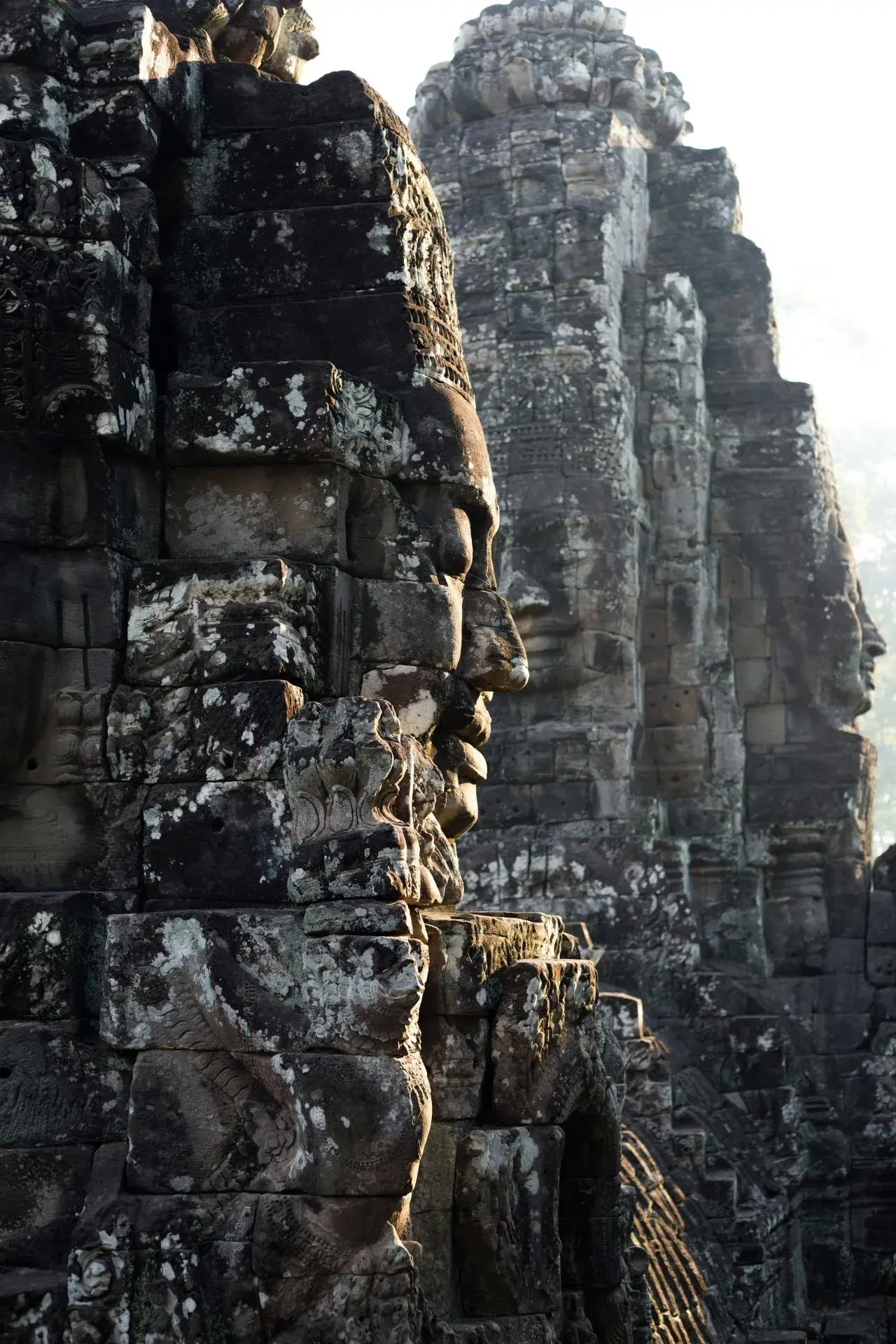
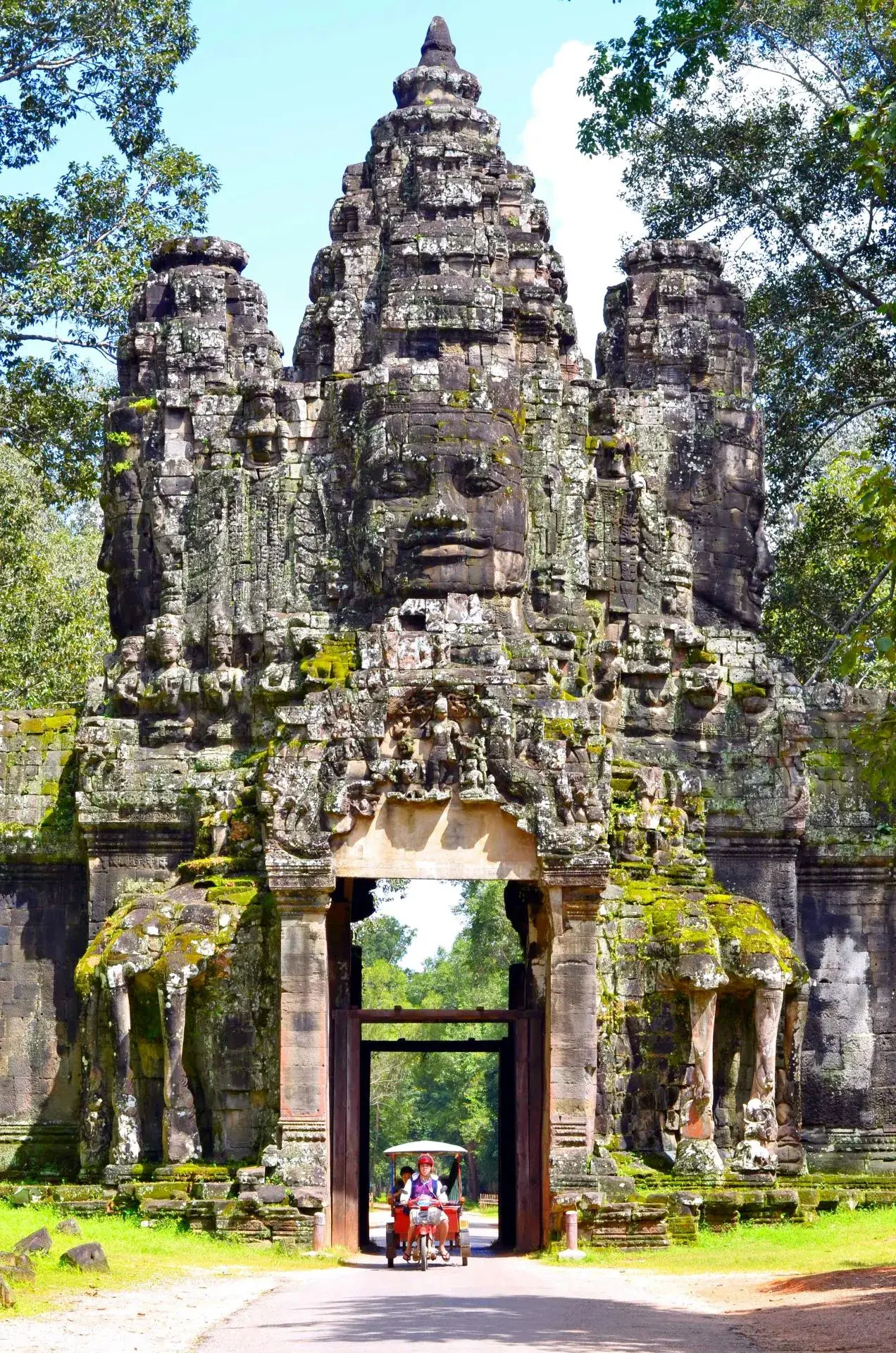
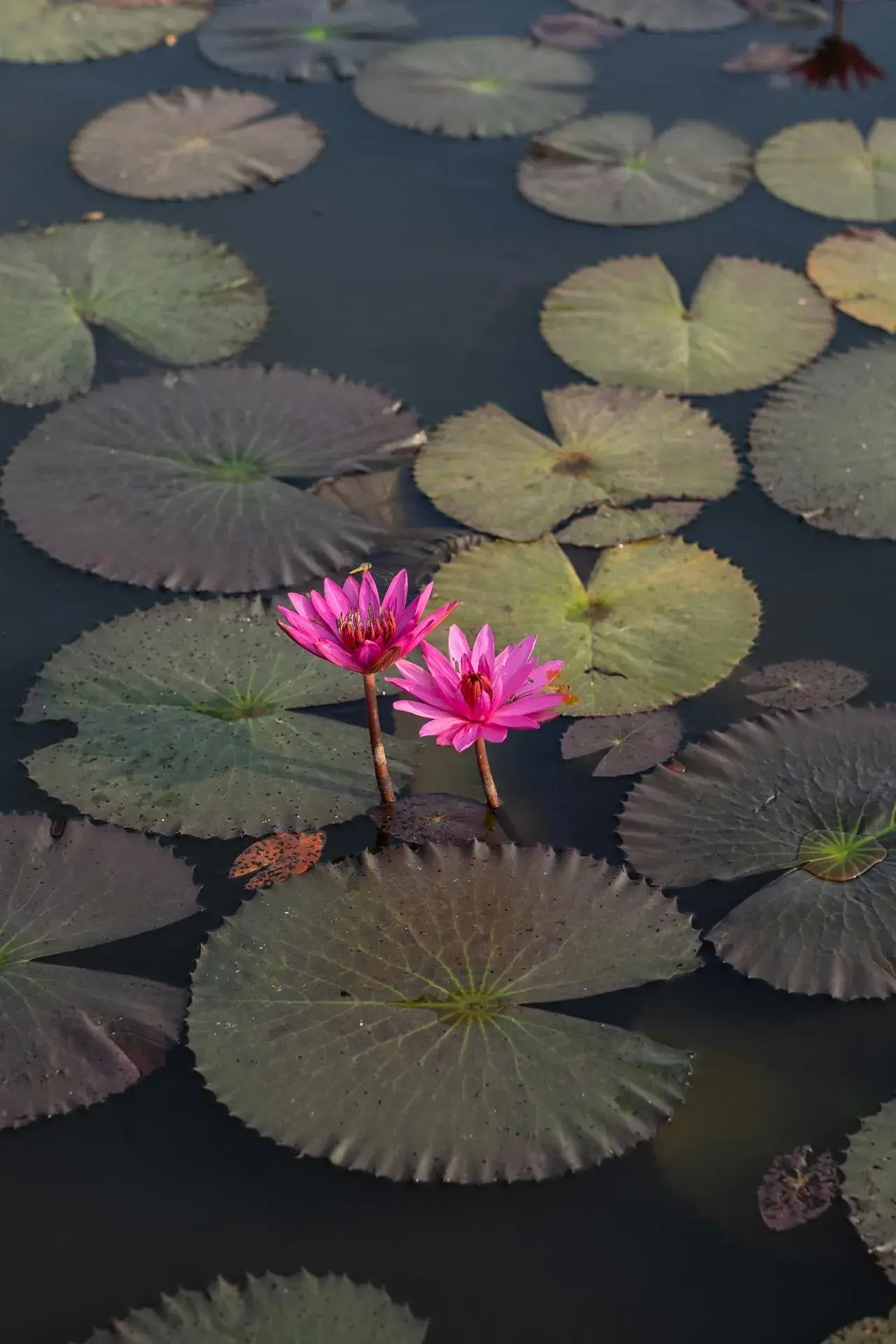
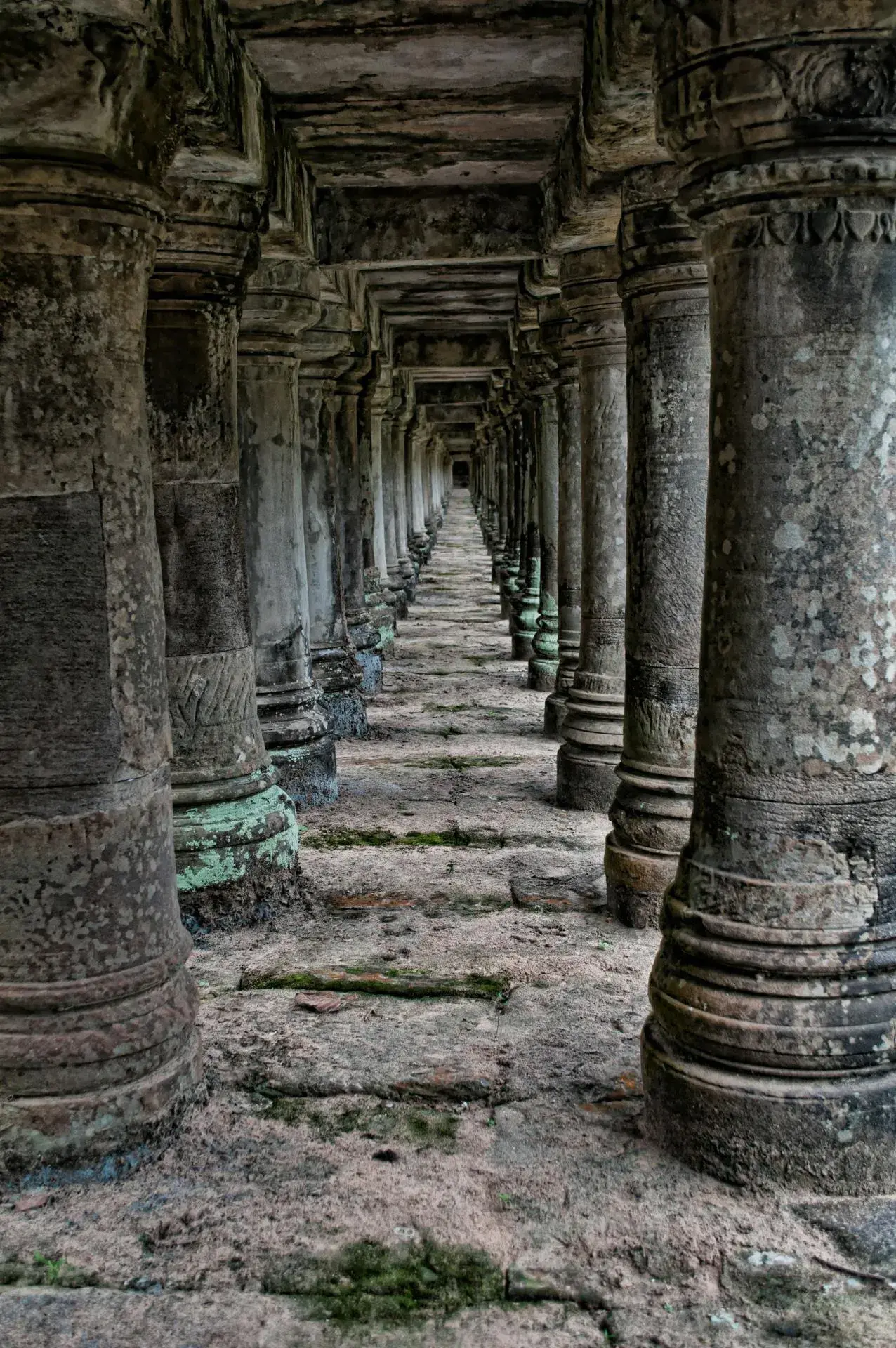
Cambodia’s identity is etched into its landscape, where ancient temples rise from the jungle, fertile plains stretch along the Mekong, and deeply rooted Khmer heritage blends in liquidly with modern life.
Overview
Cambodia was once the heart of the Khmer Empire, which flourished between the 9th and 15th centuries and created monumental sites such as Angkor. After centuries of decline and foreign influence, including French colonial rule, the country endured profound hardship during the Khmer Rouge era in the 1970s. Since gaining stability in the late 20th century, Cambodia has gradually rebuilt.
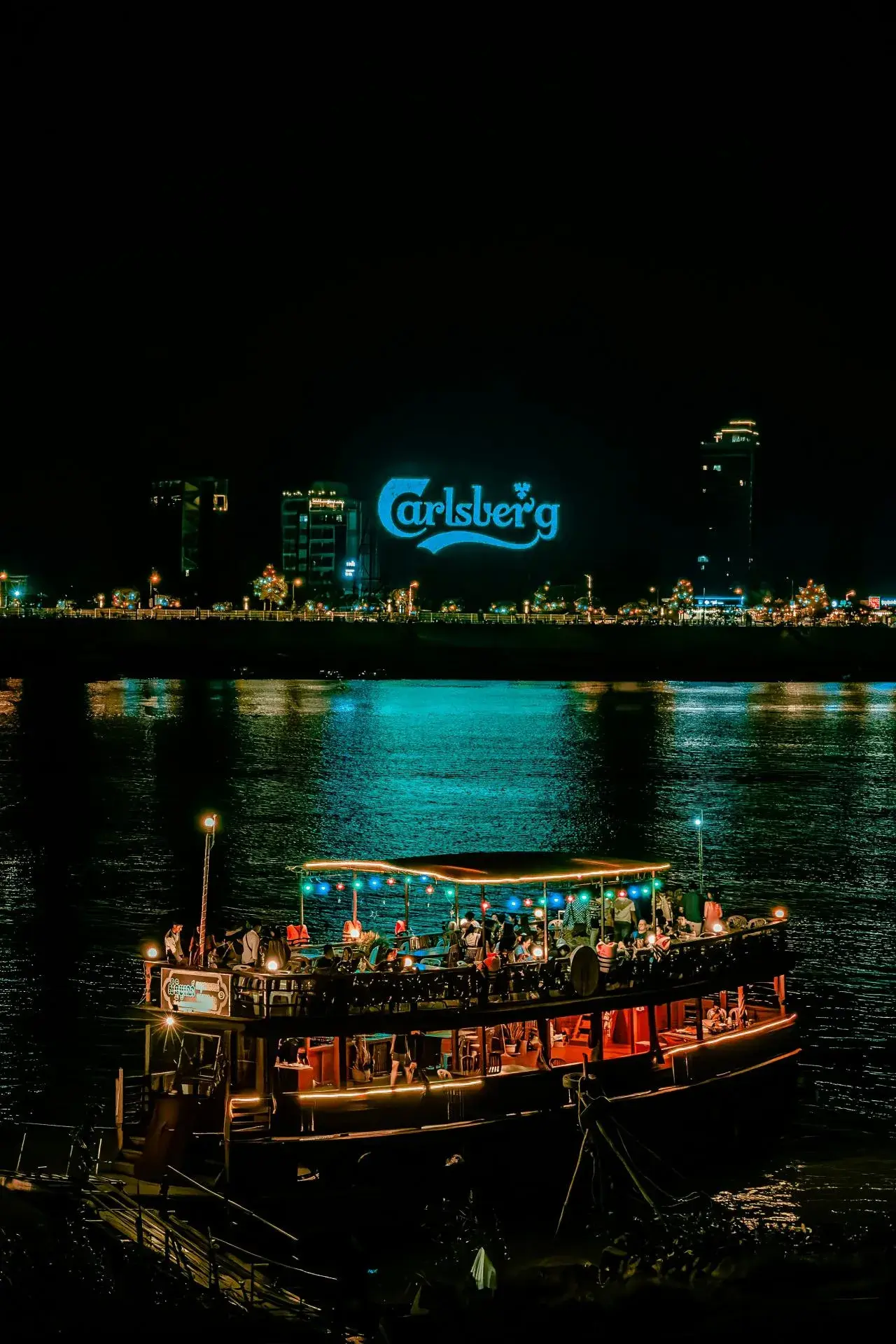
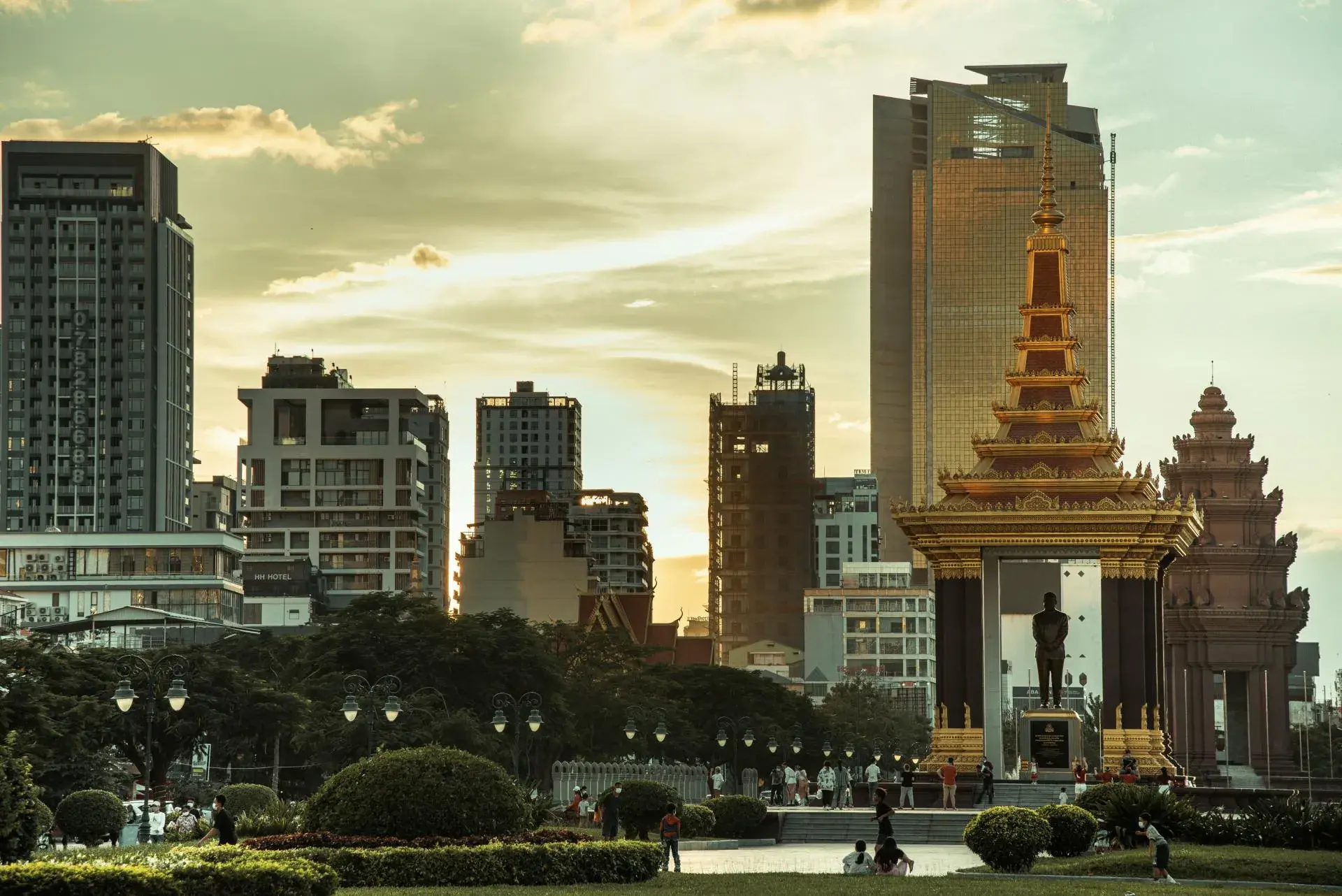
Today, as a country that stands firmly, Cambodia offers a mesmerizing blend of ancient and modern attractions. captivates with vibrant cities like Phnom Penh, where traditional markets, royal palaces, and a dynamic nightlife scene thrive. The serene landscapes of the countryside, with its rice paddies and small villages, contrast with the wild beauty of the Cardamom Mountains, inviting exploration and adventure. Cambodia's rich culture and welcoming people make every visit a profound and enriching experience.
181,035 sq km, slightly smaller than the state of Washington
Thailand, Laos, and Vietnam
Khmer (official), French and English
Suggested Journeys
Featured Properties
When to Travel
Optimal Travel Season (November to March)
The peak travel season in Cambodia, from November through March, offers the most favorable weather conditions for tourists. During these months, the climate is predominantly cool and dry, with daytime temperatures averaging between 20°C to 30°C (68°F to 86°F). Rainfall is scarce, providing uninterrupted opportunities for exploring Cambodia's rich tapestry of temples, markets, and rural landscapes. This period also coincides with several cultural festivals, offering visitors a chance to experience Cambodia's vibrant traditions and communal celebrations.
The Green Season (April to October)
The green season in Cambodia, stretching from April to October, is marked by higher humidity and regular rainfall, particularly in the form of brief but heavy showers during the afternoon or evening. This season transforms the landscape into a lush and verdant tapestry, ideal for photography and experiencing the natural beauty of the countryside at its peak. Despite the rain, travel during this time can be highly rewarding with fewer tourists, lower prices, and more personal encounters with local culture. Notably, the increased water levels in rivers and lakes, such as the Tonle Sap, enhance the accessibility of floating villages and flooded forests, providing unique adventures for intrepid travelers.
Iconic Cambodian Festivals and Events
These events provide not only a window into Cambodia's cultural heart but also an unforgettable addition to any travel itinerary, showcasing the nation's history, religious devotion, and communal spirit.
1. Water Festival (Bon Om Touk)
Held in November, this is arguably Cambodia's most significant festival, featuring boat races on the Tonle Sap River, vibrant processions, and fireworks. It's a spectacular display of national pride and festive spirit, particularly in the capital, Phnom Penh.
2. Khmer New Year
Celebrated in mid-April, this major holiday marks the end of the harvesting season. The entire country partakes in three days of festivities that include traditional games, special foods, dances, and visits to temples for blessings.
3. Pchum Ben
Known as "Ancestors' Day," this festival in late September or early October is deeply spiritual. It involves Cambodians paying respects to deceased relatives of up to seven generations. The celebrations include offerings at temples and rituals that are poignant and deeply rooted in Cambodian spirituality.
4. Angkor Wat International Half Marathon
This December event is not only a test of endurance but also a unique way to experience the scenic views around the iconic Angkor Wat. It attracts thousands of runners from around the globe, making it a truly international affair.
5. Royal Ploughing Ceremony
Taking place in May, this ancient ceremony heralds the start of the planting season. Performed at the Royal Palace, it combines royal tradition and agricultural practices to predict the success of the coming harvest, offering a unique insight into Cambodia's cultural heritage.
Travel highlights
Cambodia offers a compelling mix of history, culture, and natural beauty. In Phnom Penh, grand palaces and riverside life reflect both royal heritage and recent history, while Siem Reap serves as the gateway to the temples of Angkor, where ancient Khmer architecture rises from the jungle. Beyond the main cities, the Cardamom Mountains reveal dense forests, wildlife, and remote communities, offering a quieter side of the country. Along the Mekong and Tonlé Sap, daily life unfolds on the water, with floating villages and traditional fishing practices. Cambodia’s warmth, resilience, and deep cultural roots create a rewarding and memorable journey.
Things to consider
-
Cambodia has a tropical climate, so light and breathable clothing is recommended. Lightweight shirts, trousers, shorts, and comfortable walking shoes are ideal for sightseeing. When visiting temples such as Angkor Wat, modest dress is required, meaning shoulders and knees should be covered. A hat, sunglasses, and sunscreen are useful for protection from the strong sun.
-
No specific vaccinations are required for entry unless arriving from a country where yellow fever is present. Travelers are generally advised to be up to date on routine vaccinations such as tetanus, hepatitis A, and typhoid. It is best to consult a travel clinic several weeks before departure for the most current recommendations.
-
The local currency is the Cambodian Riel, although US dollars are widely accepted throughout the country and are commonly used for most transactions. Credit cards are accepted in major hotels, restaurants, and shops in cities such as Phnom Penh and Siem Reap. ATMs are widely available and usually dispense US dollars.
-
Cambodia is generally considered safe for travelers, especially in major tourist destinations. As with travel anywhere, basic precautions should be taken, including keeping valuables secure and being aware of surroundings in crowded areas. Visitors should also follow local guidance when traveling in rural areas.
-
Tap water in Cambodia is not considered safe for drinking. Bottled water is widely available and recommended for drinking and brushing teeth. Cambodian cuisine is fresh and flavorful, often featuring rice, noodles, herbs, fish, and vegetables. Food served in reputable restaurants and hotels is generally safe, though travelers should exercise caution when eating from street vendors if unsure about hygiene.
Entry requirements:
US and Canadian citizens must have a passport valid for at least six months beyond the date of entry and at least one blank page. A tourist visa is required and can be obtained online before travel or upon arrival at international airports and major land border crossings. Tourist visas are typically valid for stays of up to 30 days and may be extended once while in the country.