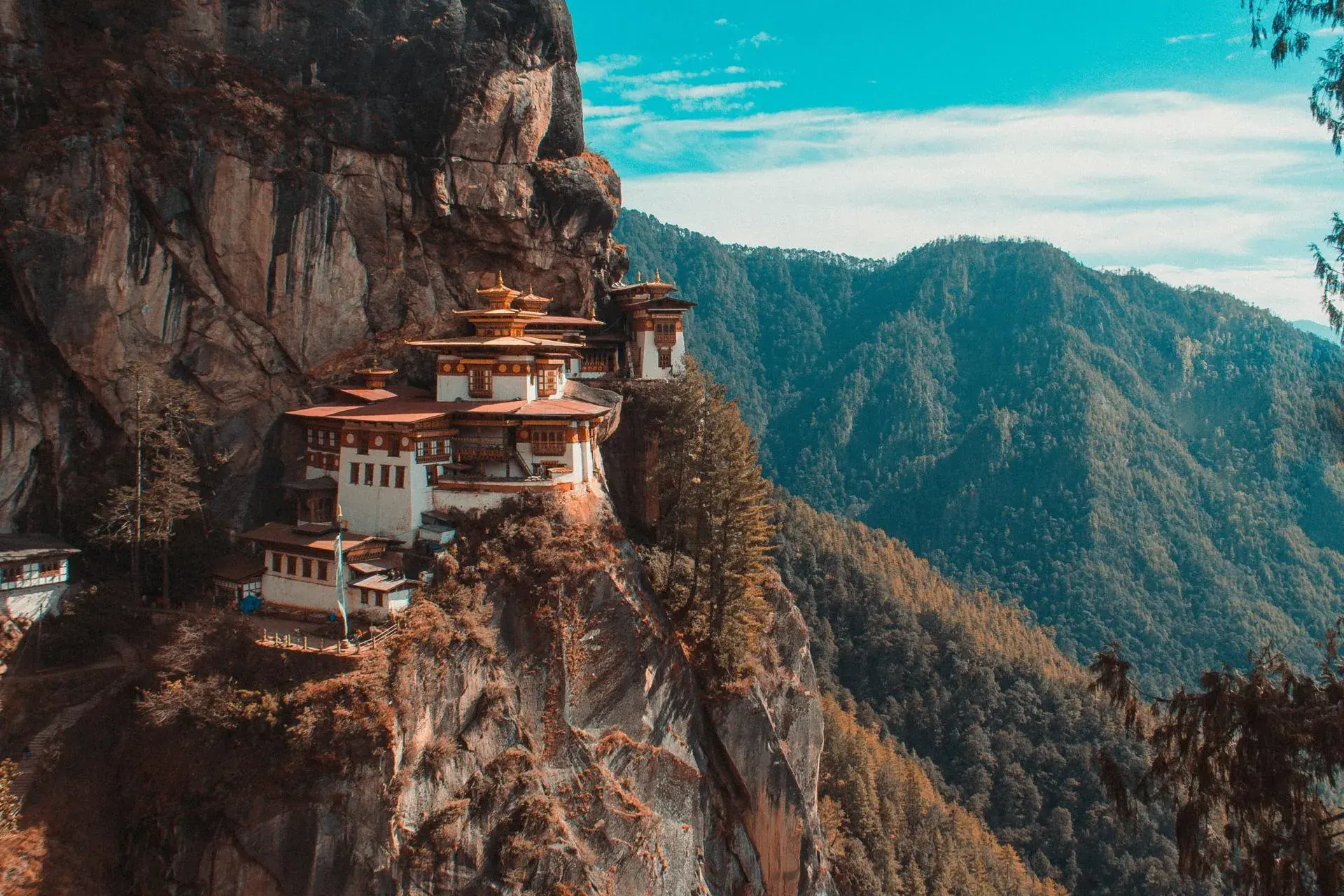
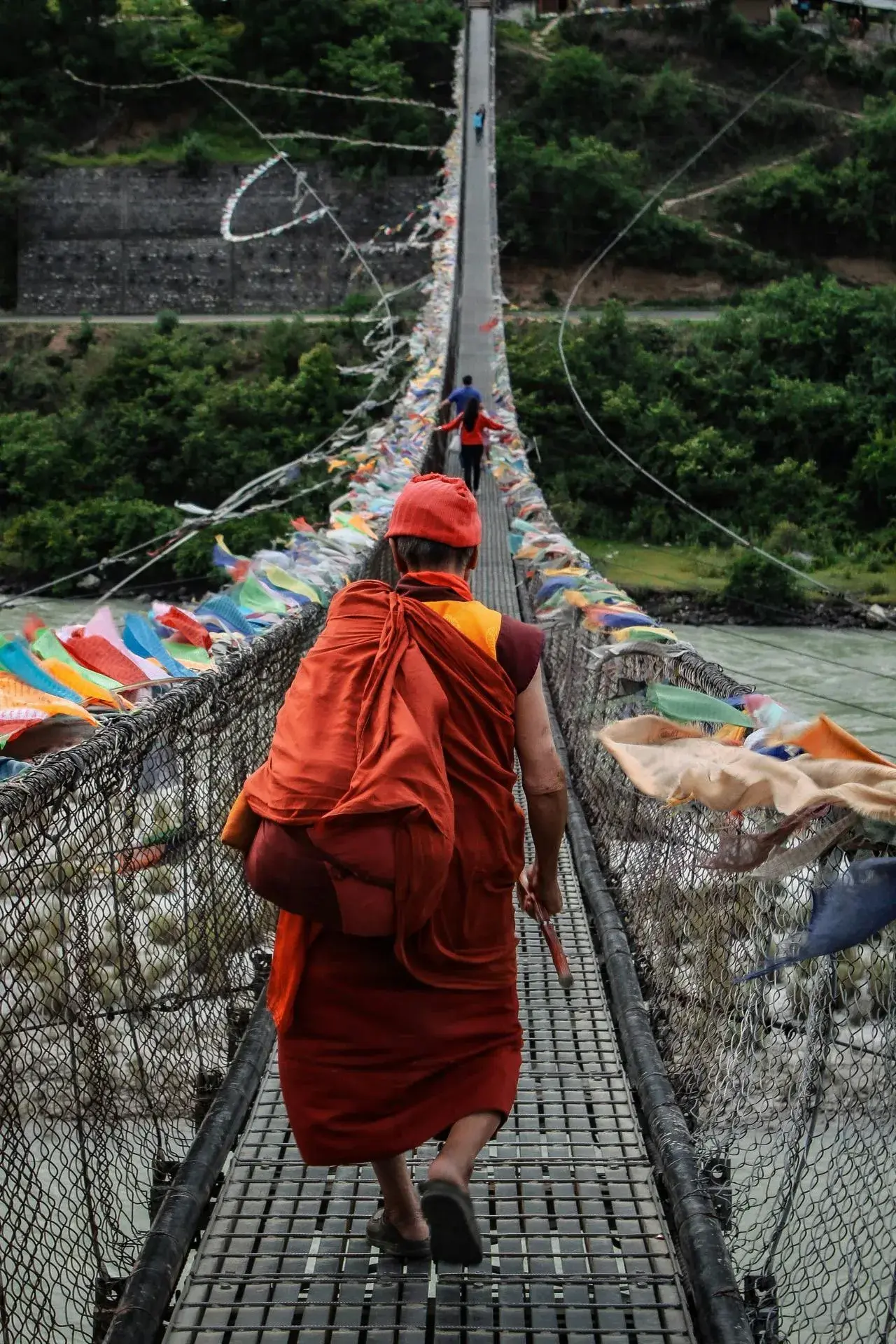
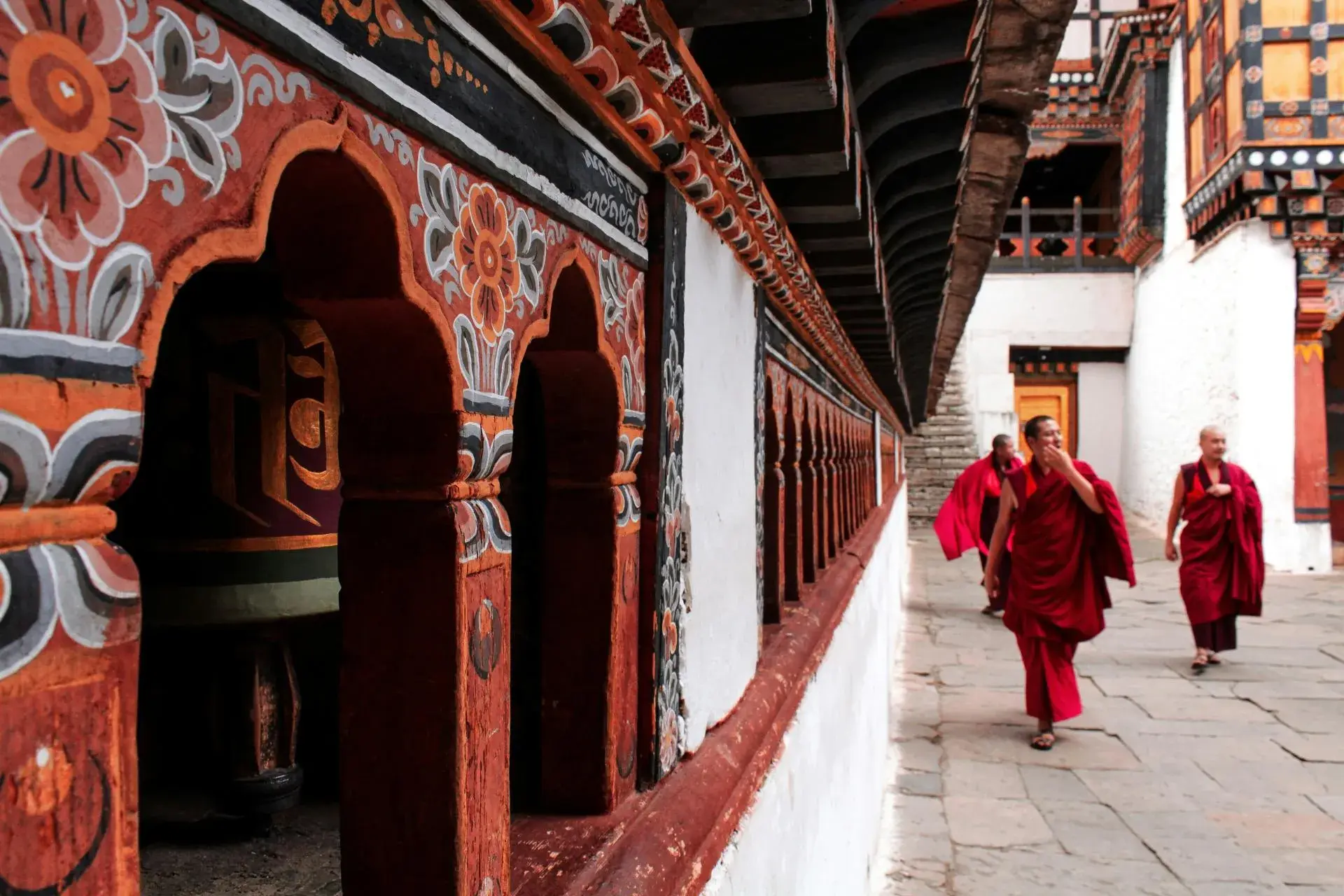
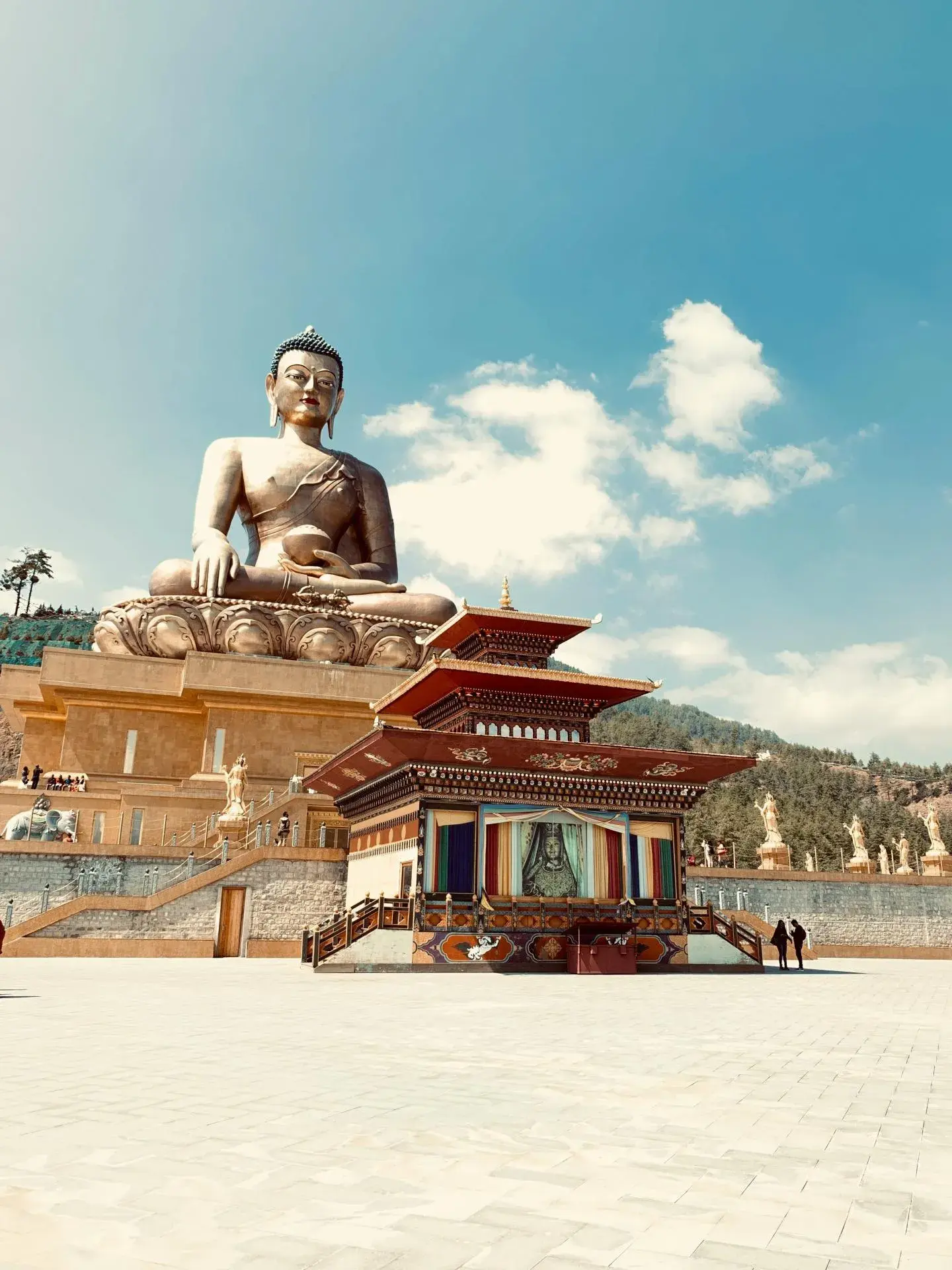
High in the Himalayas, Bhutan unfolds through forested valleys and rugged mountain landscapes where cliffside monasteries keep deeply rooted Buddhist practices thriving.
Overview
Bhutan was unified in the 17th century under the leadership of Zhabdrung Ngawang Namgyal, establishing a nation deeply rooted in Tibetan Buddhism that continues to shape its identity today. In 1907, it became a hereditary monarchy under the Wangchuck dynasty, and in 2008, Bhutan transitioned peacefully into a constitutional monarchy while preserving its traditions. Isolated for much of its history, the country has carefully managed modernization.
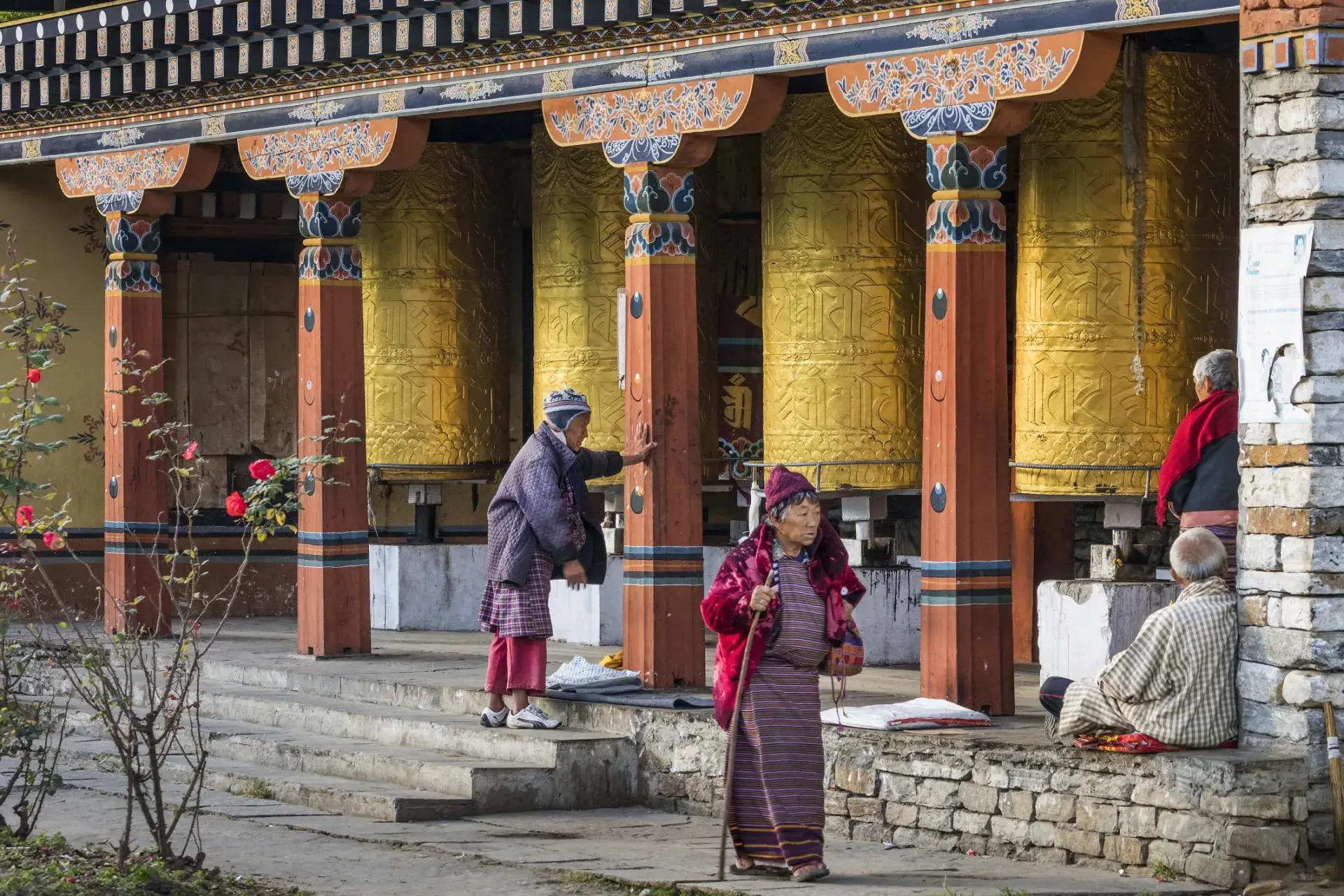
Today, Bhutan offers a rare blend of spiritual heritage and natural beauty. It boasts stunning Himalayan peaks and forested valleys, breathtaking cliffside monasteries and traditional villages, where culture is preserved and daily life remains closely connected to centuries-old traditions.
38,394 sq km (14,824 sq mi), or roughly the size of Switzerland or slightly smaller than the state of Indiana.
Tibet and India.
Dzongkha (official), Sharchopkha, Nepali, and other regional languages including Bumthangkha, Khengkha, and Kurtöp.
Suggested Journeys
Featured Properties
When to Travel
Bhutan’s mountainous geography creates a wide range of climates within a relatively small country. Nestled in the eastern Himalayas between India and Tibet, the kingdom rises from subtropical lowlands in the south to snowcapped Himalayan peaks in the north. Because of these dramatic elevation changes, weather conditions vary greatly from valley to valley. In general, the most noticeable seasonal change travelers experience is rainfall, with the monsoon bringing heavier precipitation during the summer months while spring and autumn offer clearer skies and pleasant temperatures.
Best Time Overall
Bhutan can be visited throughout the year, but the best months to travel are March to May (spring) and September to November (autumn), when skies are generally clear, temperatures are pleasant, and mountain views are at their best. Spring brings blooming rhododendrons and vibrant valleys, while autumn offers crisp air and excellent visibility of the Himalayas. These periods also coincide with many of Bhutan’s most colorful religious festivals.
The Western Valleys – Paro, Thimphu, Punakha
Most travelers begin their journey in Bhutan’s western valleys. Paro and Thimphu sit at elevations of about 2,200–2,350 m (7,200–7,700 ft) and enjoy mild days with cooler evenings. Punakha lies lower at about 1,200 m (3,940 ft) and is noticeably warmer. The best times to visit are March to May (spring) and September to November (autumn). Winter months December to February are generally dry and clear but cooler, while June to August (summer) brings the monsoon rains.
Central Bhutan – Phobjikha Valley, Bumthang
Central Bhutan is slightly cooler due to higher elevations ranging from 2,600–3,000 m (8,500–9,840 ft). The region experiences pleasant daytime temperatures during March to May (spring) and September to November (autumn), while nights can be cold in December to February (winter). Phobjikha Valley becomes particularly special between late October and February, when rare black-necked cranes migrate from the Tibetan Plateau. June to August (summer) brings lush green landscapes but also the heaviest rainfall.
The Eastern Himalayas and High Mountain Regions
Northern Bhutan rises dramatically toward the high Himalayas, where peaks exceed 7,000 m (22,965 ft). These remote regions remain cooler year-round and are best visited during March to May (spring) and September to November (autumn) when skies are clearer and trekking conditions are favorable. June to August (summer) brings monsoon rains, while December to February (winter) can bring snow at higher elevations.
Important Festivals in Bhutan:
Paro Tshechu – Paro (March or April)
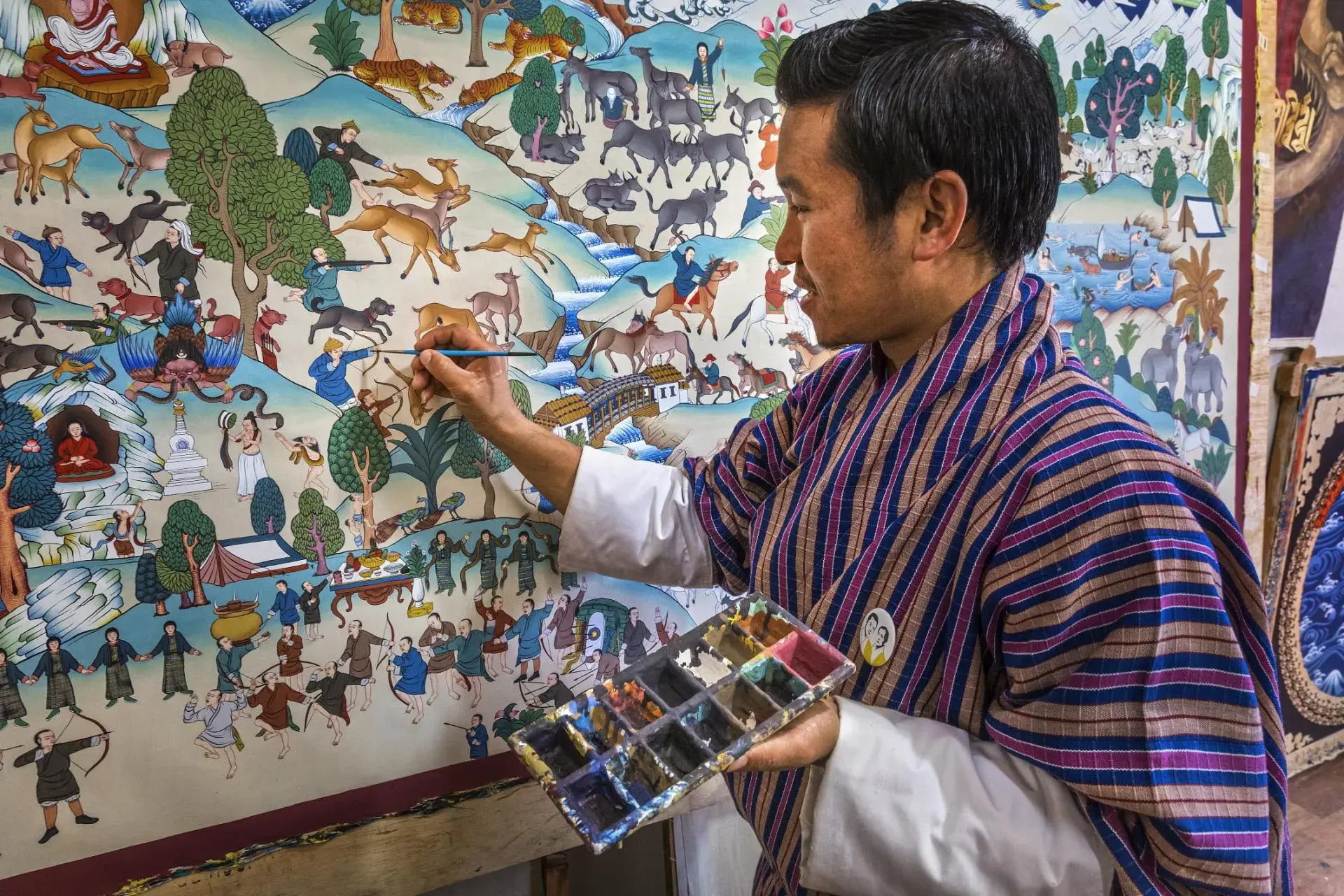
One of Bhutan’s most famous festivals, Paro Tshechu celebrates the teachings of Guru Rinpoche with elaborate masked dances, vibrant costumes, and sacred rituals performed in the courtyard of Paro Dzong. The festival culminates with the unfurling of a giant sacred thangka.
Thimphu Tshechu – Thimphu (September or October)
Held at the impressive Tashichho Dzong, this festival attracts locals and visitors alike. Monks and dancers perform traditional cham dances accompanied by music and colorful costumes, offering an extraordinary insight into Bhutanese spirituality and culture.
Jambay Lhakhang Festival – Bumthang (October or November)
One of Bhutan’s most unique festivals, held at one of the country’s oldest temples. Ritual dances, sacred ceremonies, and the famous fire blessing ceremony make this celebration a deeply spiritual and memorable cultural experience.
Black-necked Crane Festival – Phobjikha Valley (November 11)
Held at Gangtey Monastery in the beautiful Phobjikha Valley, this special festival celebrates the annual arrival of the rare black-necked cranes that migrate from the Tibetan Plateau to winter in Bhutan. Local schoolchildren and villagers perform traditional dances inspired by the cranes, while the festival also promotes conservation of these endangered birds and their fragile habitat.
Travel highlights
Bhutan has three main geographic regions: the Southern Foothills, the Central Valleys, and the High Himalayas. Though small in size, the kingdom offers remarkable diversity, from subtropical forests and fertile valleys to snowcapped peaks and remote mountain passes. Ancient monasteries cling to cliffs, traditional villages dot the countryside, and colorful festivals celebrate centuries-old traditions. Bhutan’s rich culture, dramatic landscapes, and deep spiritual heritage create a destination filled with discovery, where travelers can explore valleys, temples, and pristine nature for weeks without exhausting its many wonders.
Things to consider
-
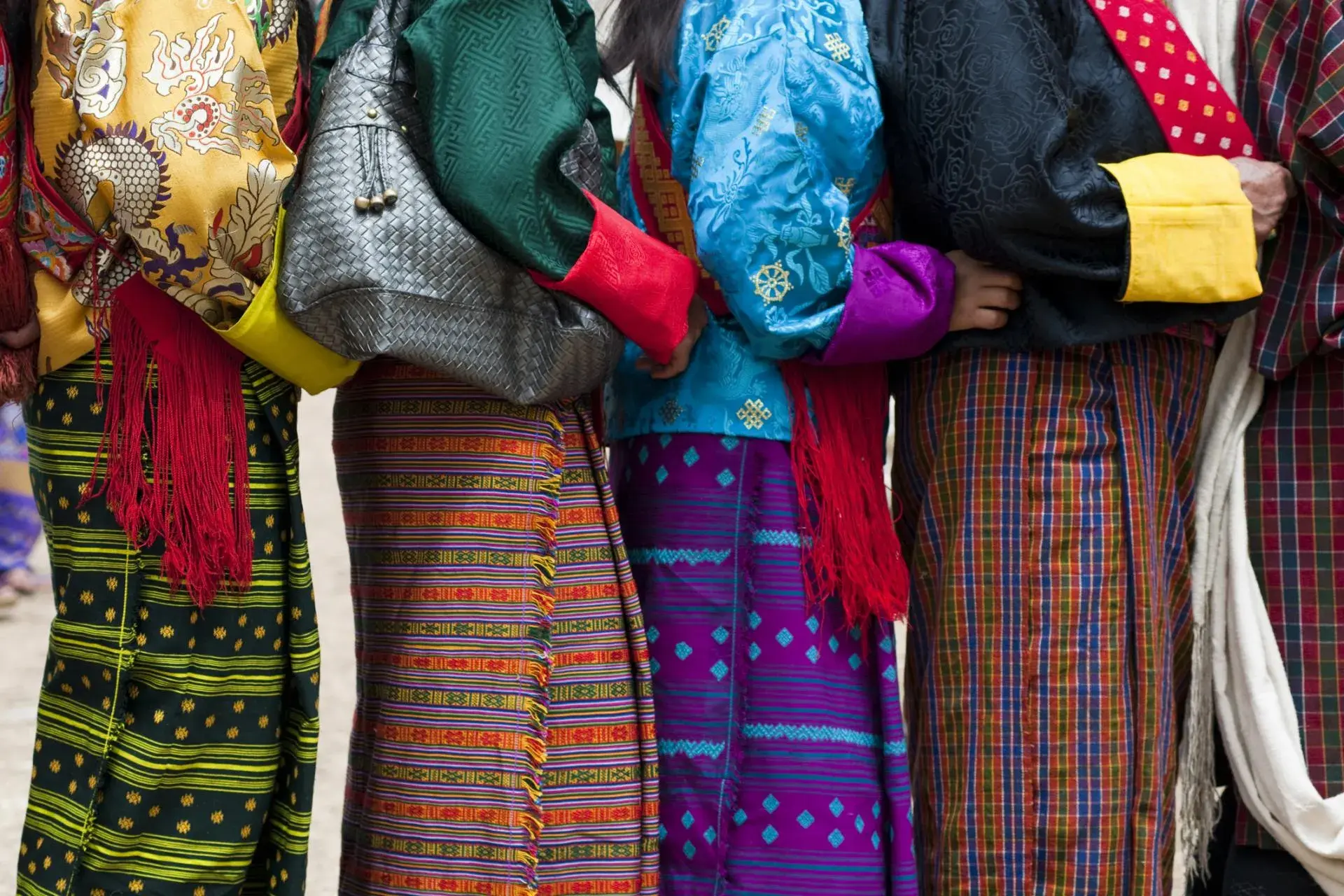
Bhutan’s climate varies by altitude, so layering is recommended. Lightweight clothing works well during the day, while a warm jacket or fleece is useful for cooler mornings and evenings, especially in higher valleys. Comfortable walking shoes are essential. When visiting monasteries and dzongs, modest dress is required, meaning shoulders and knees should be covered.
-
No vaccinations are required for entry unless arriving from a yellow fever area. Travelers are generally advised to be up to date on routine vaccinations such as tetanus, hepatitis A, and typhoid. It is best to consult a travel clinic prior to departure for current recommendations.
-
The currency is the Bhutanese Ngultrum (BTN), which is equal in value to the Indian Rupee. Credit cards are accepted in larger hotels and some shops, but cash is widely used. ATMs are available in Paro and Thimphu, though access may be limited in more remote areas.
-
Bhutan is considered very safe for travelers, with low crime rates and a welcoming population. Basic precautions are recommended, particularly when walking in remote areas or trekking in the mountains.
-
Tap water is not recommended for drinking. Bottled or filtered water is widely available. Bhutanese cuisine is simple and flavorful, often based on rice, vegetables, and chili, with dishes such as ema datshi being a local staple.
Entry requirements:
Citizens of the United States and Canada must obtain a visa in advance to visit Bhutan. Travel is arranged through a licensed Bhutanese tour operator, which secures the visa approval before arrival. Passports must be valid for at least six months beyond the travel dates. Visitors must also pay a daily Sustainable Development Fee and travel on a pre-arranged itinerary with accommodations, transportation, and guiding services included.