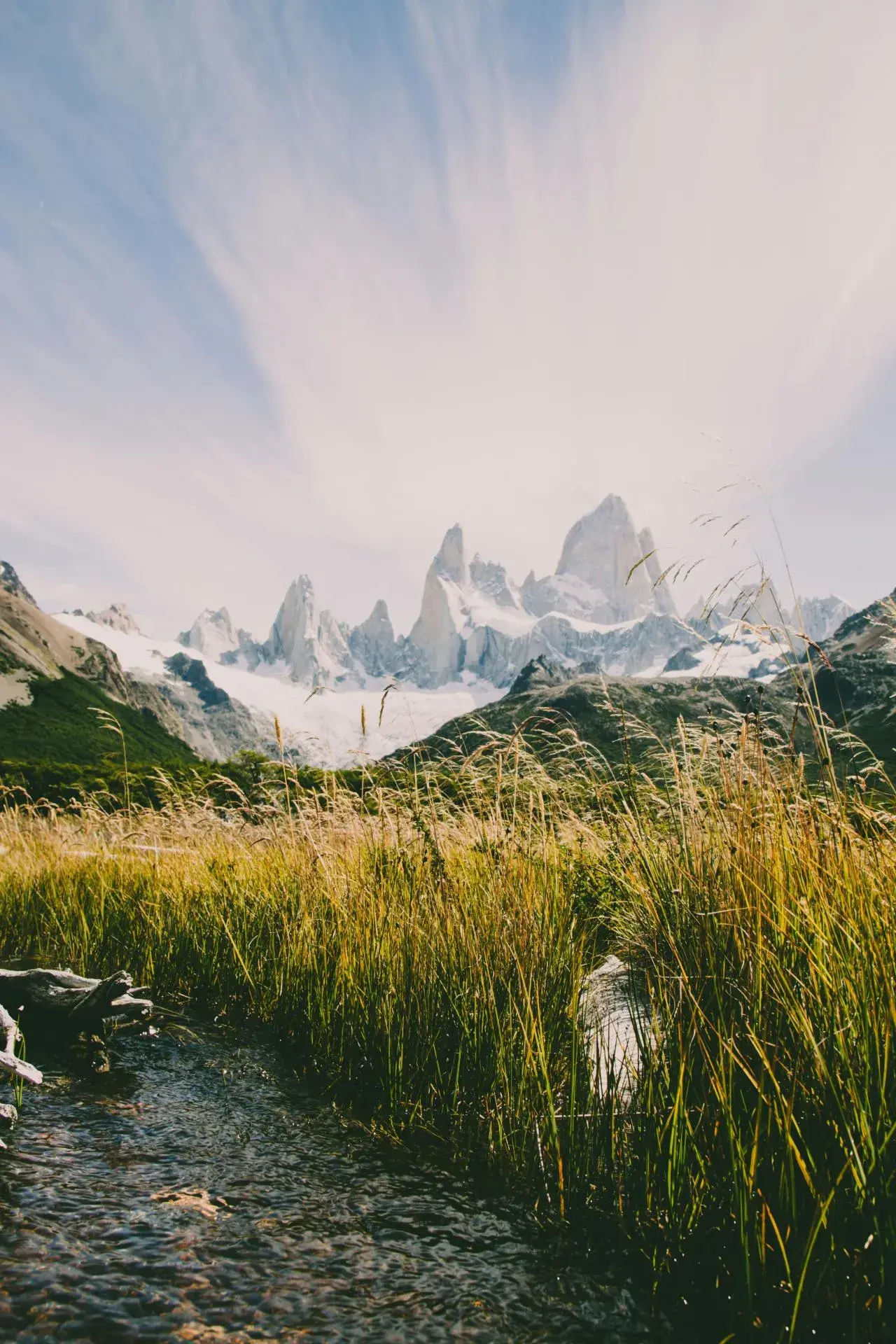
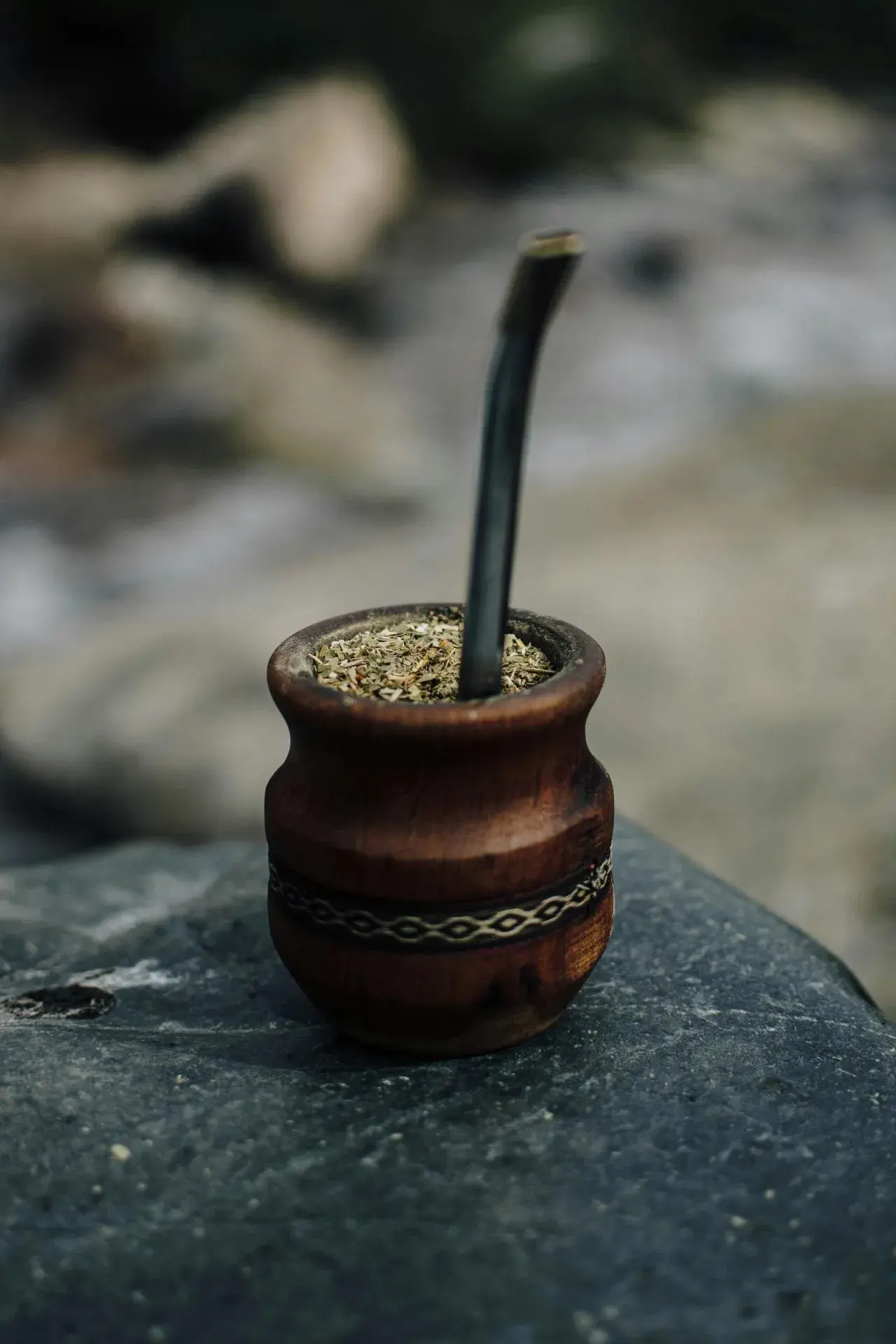
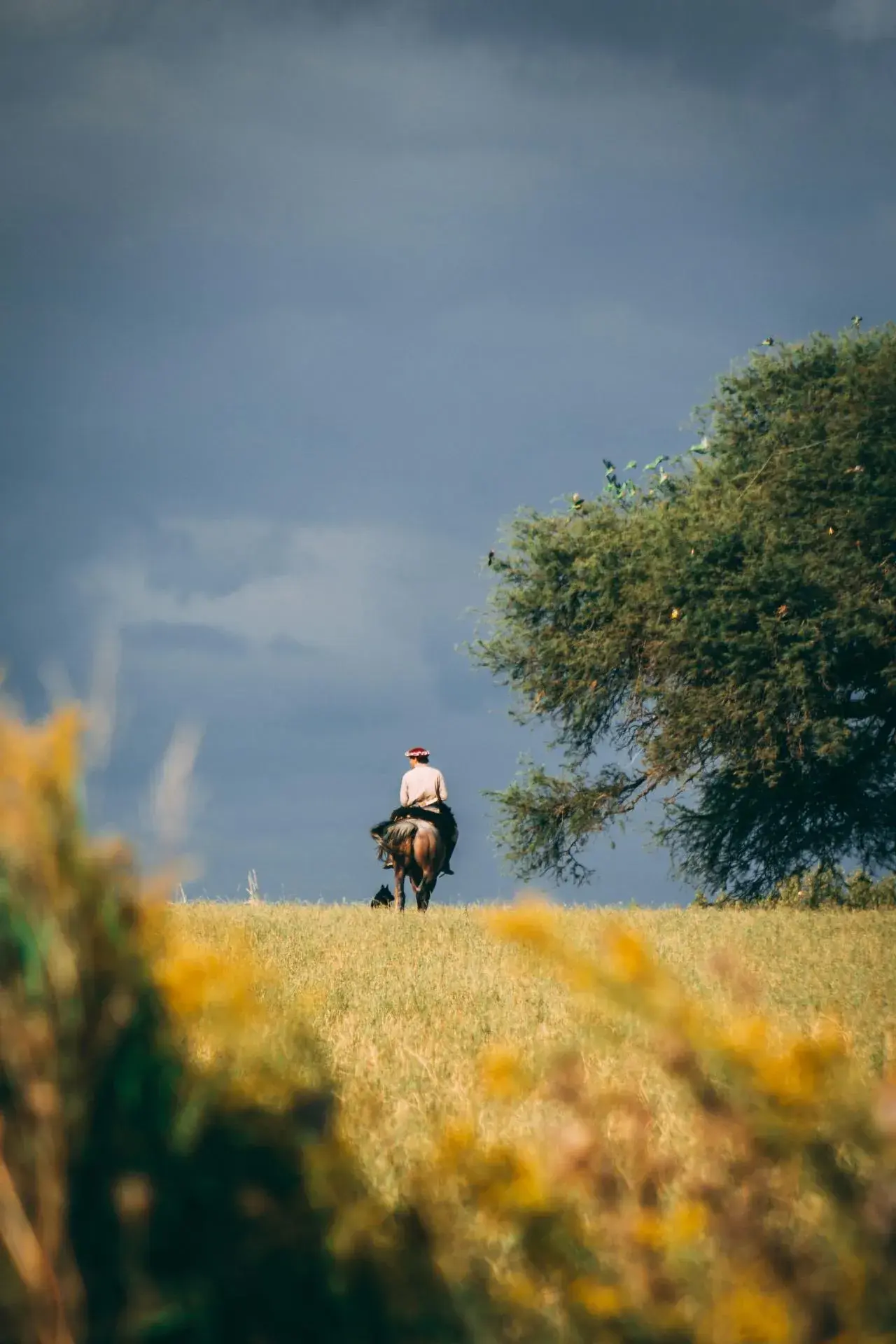
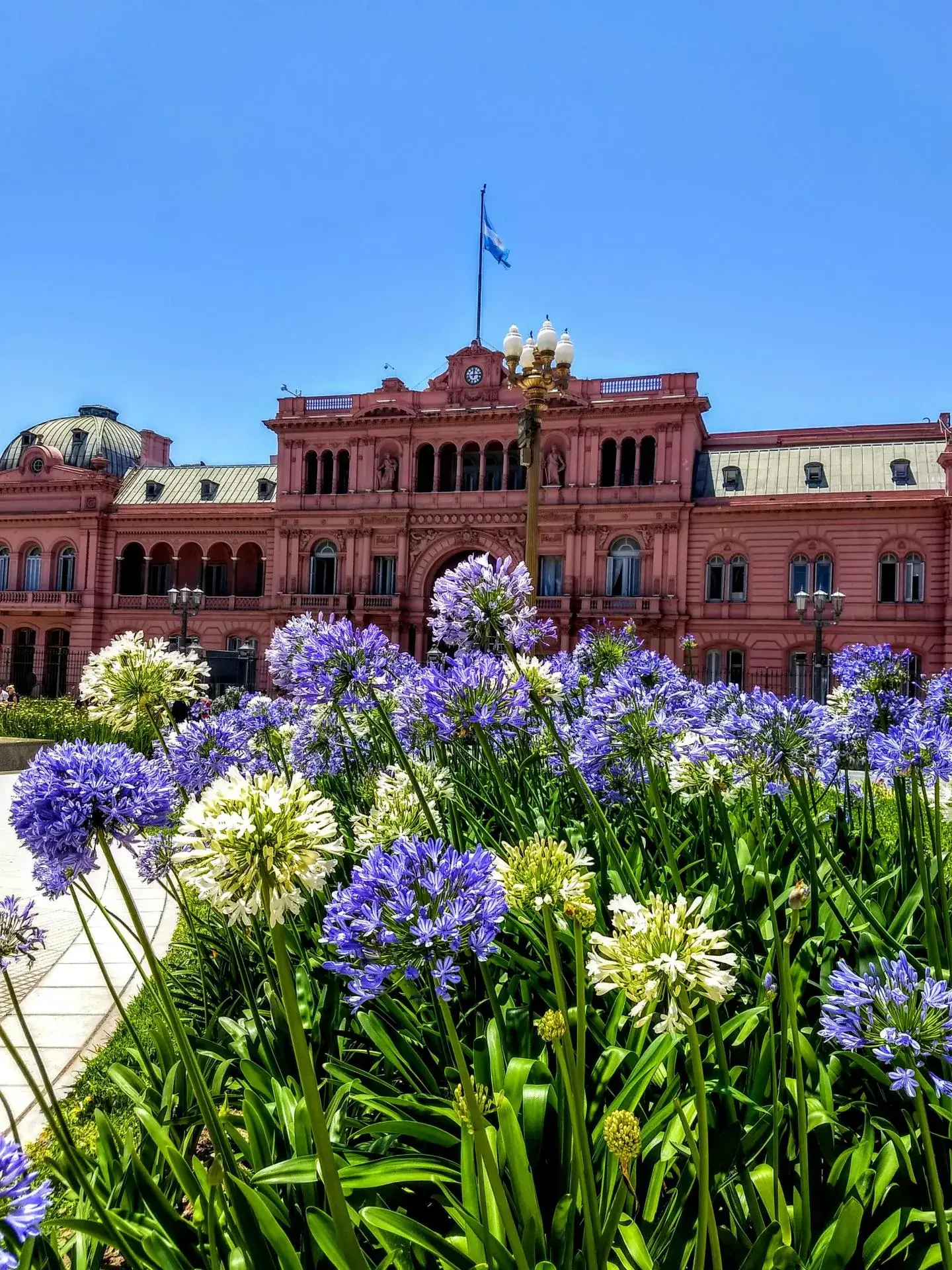
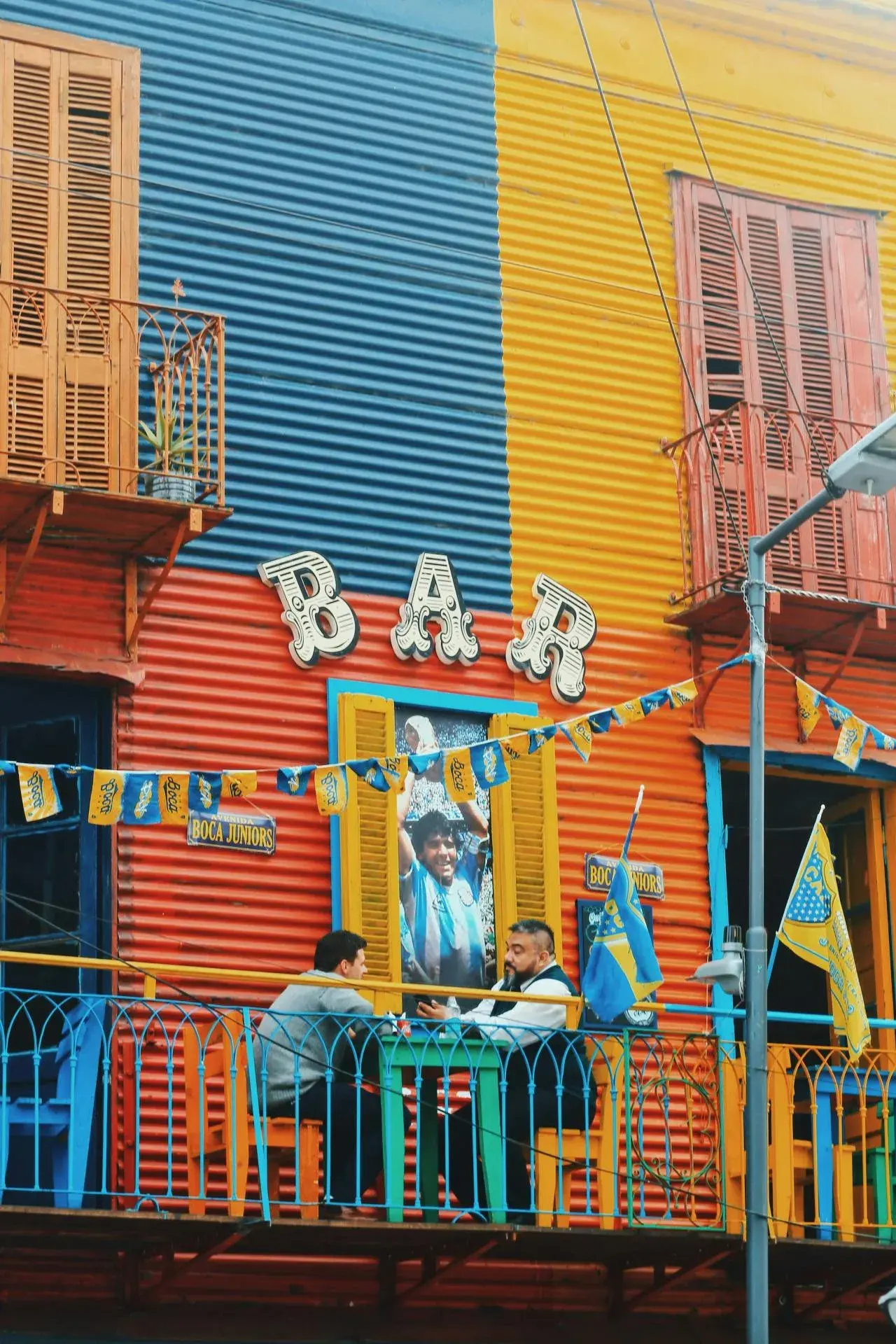
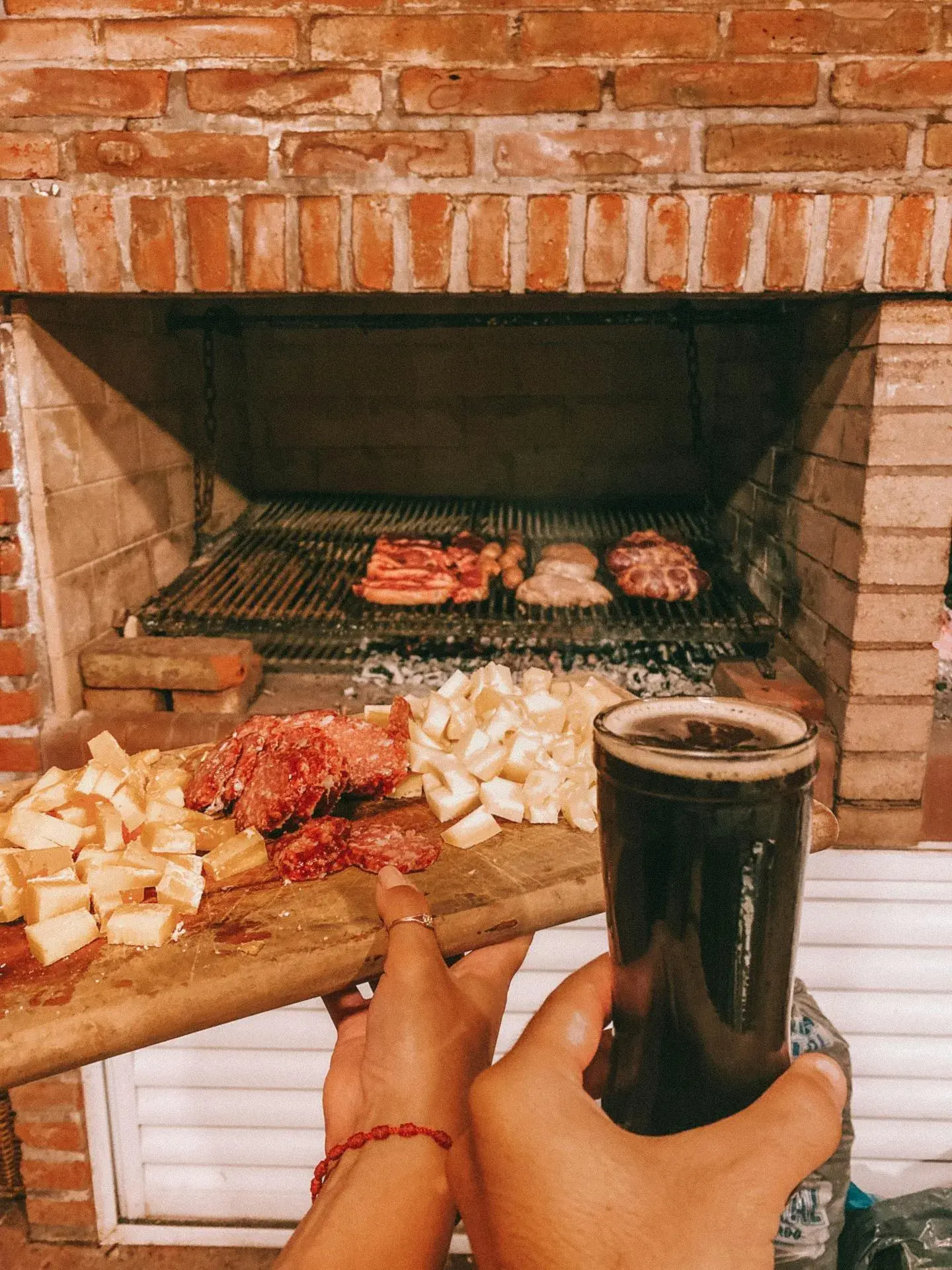
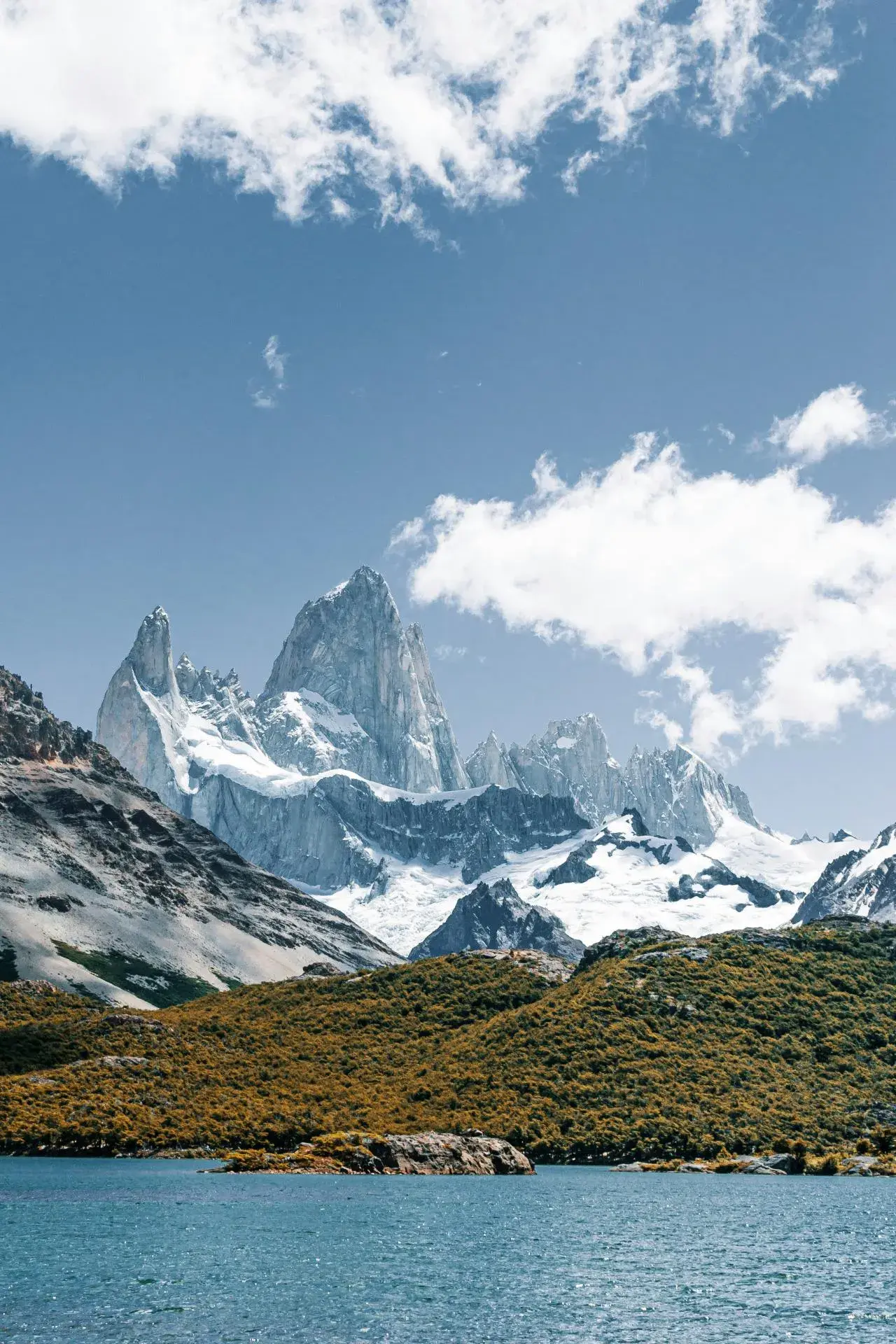
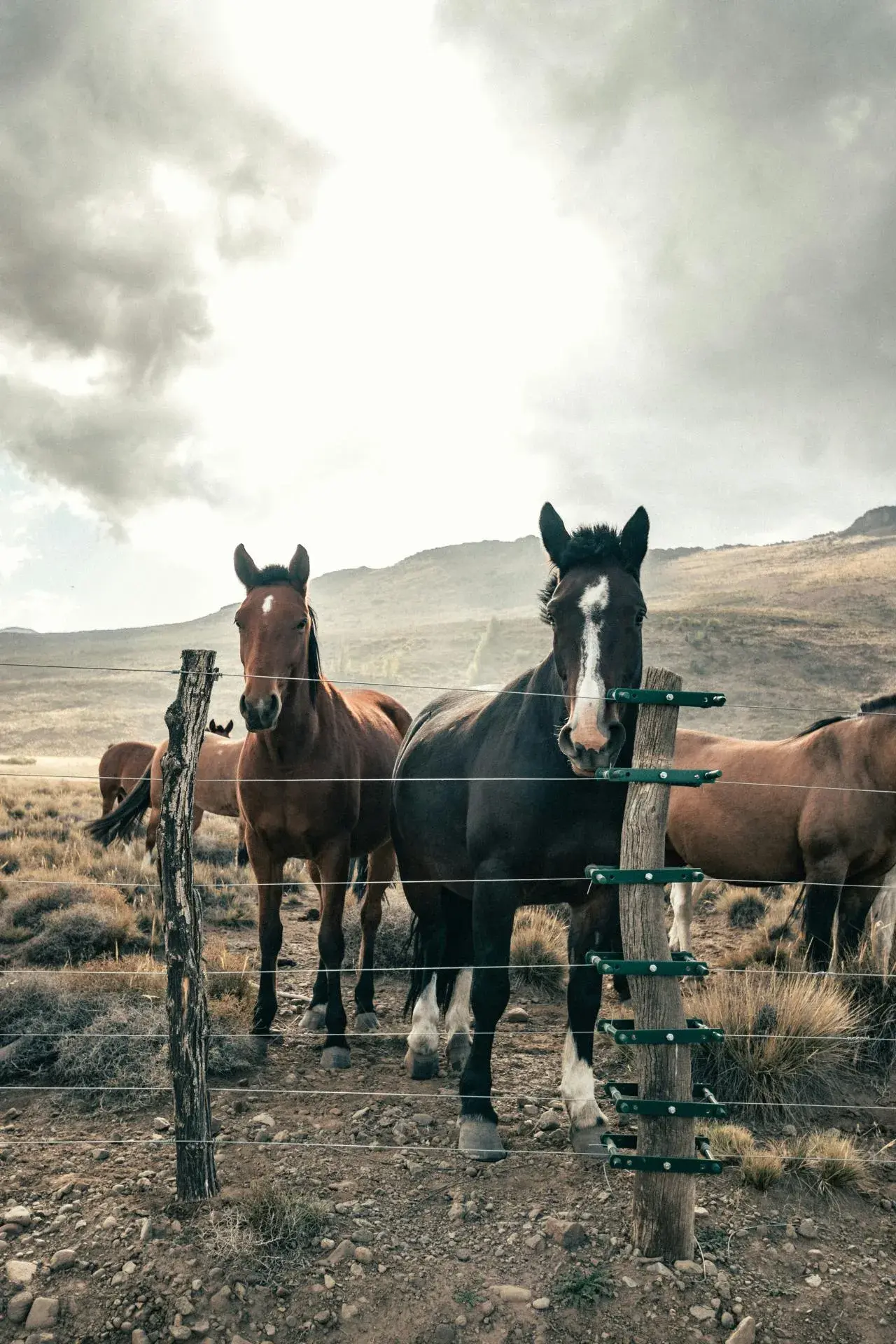
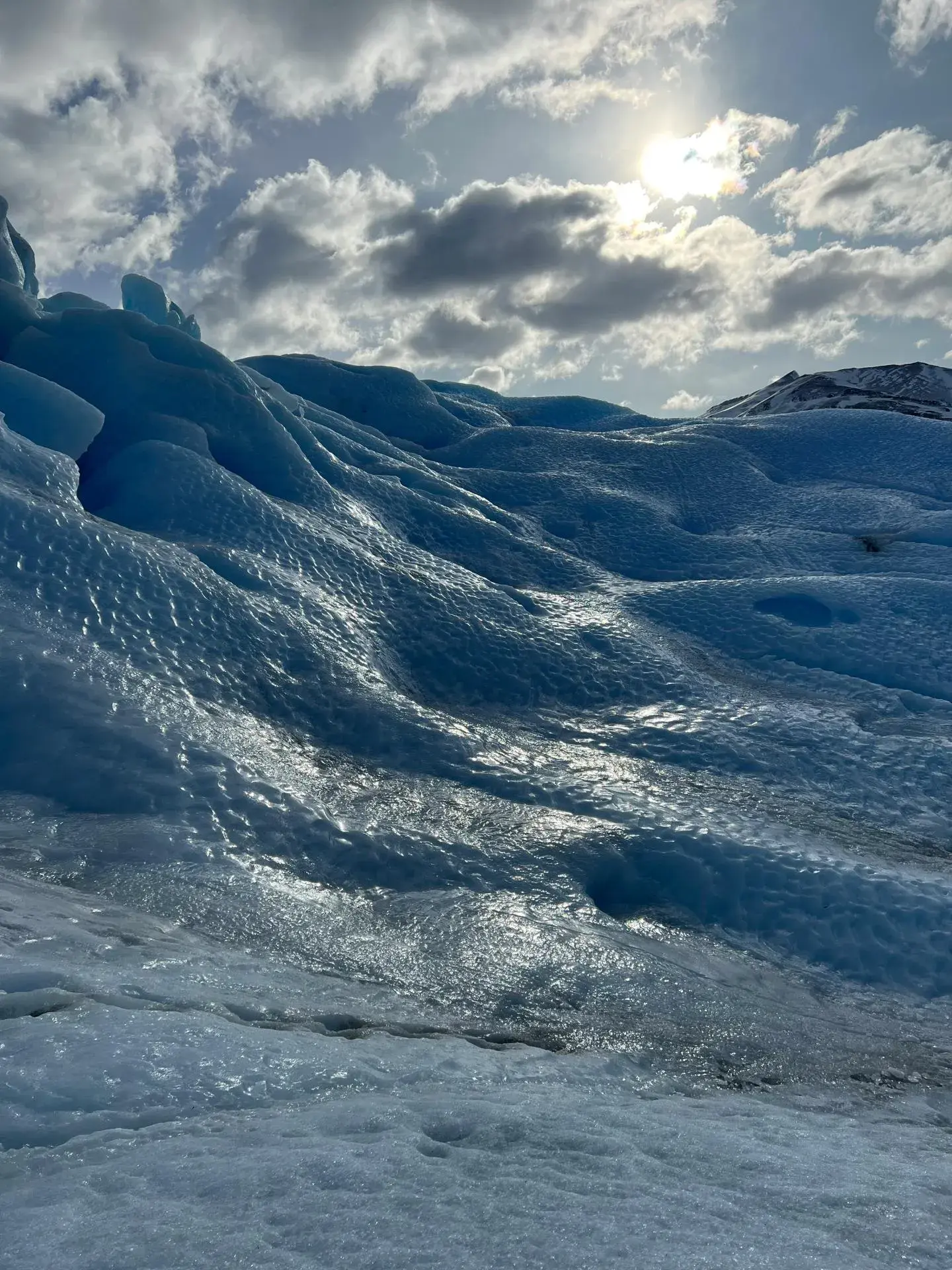
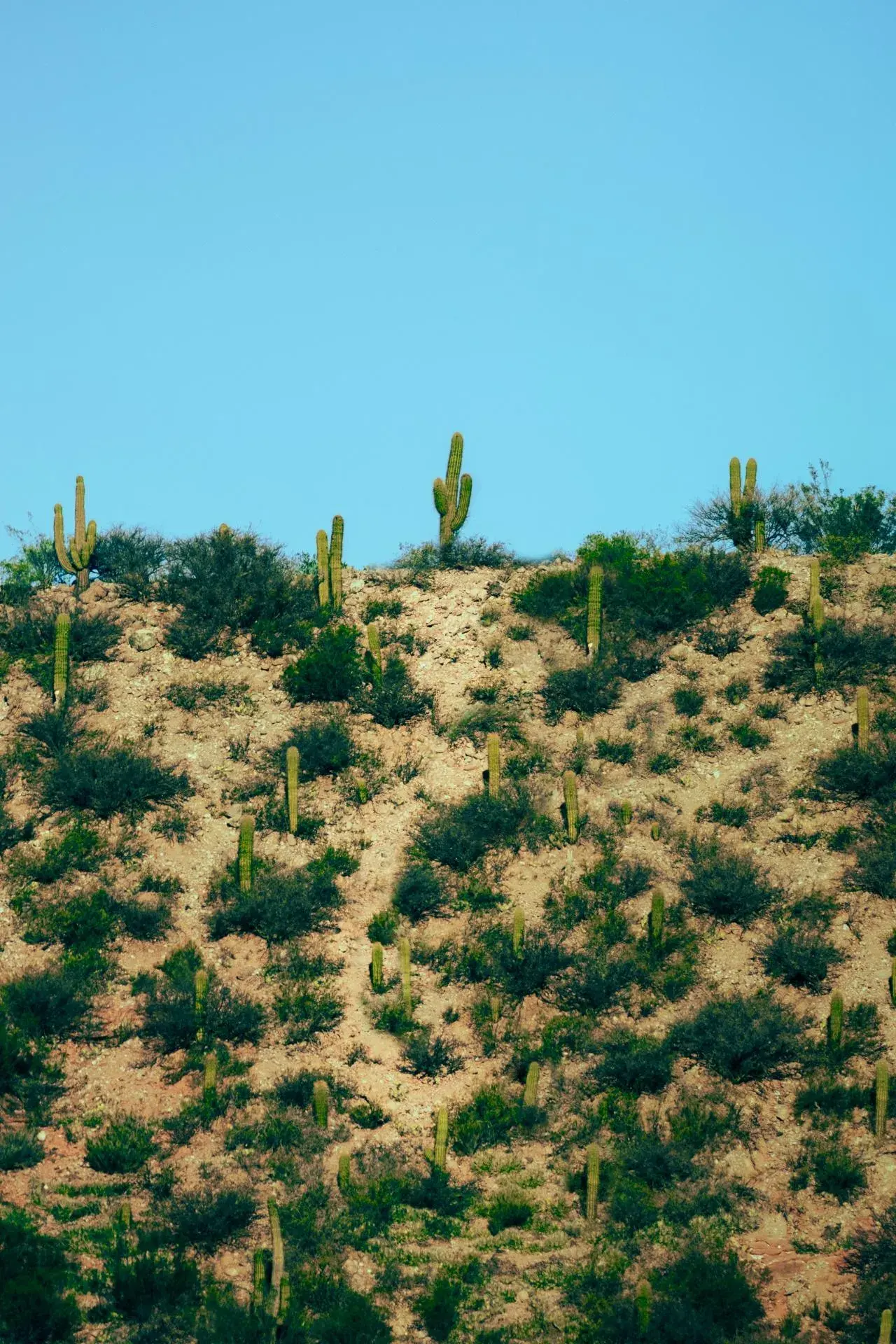
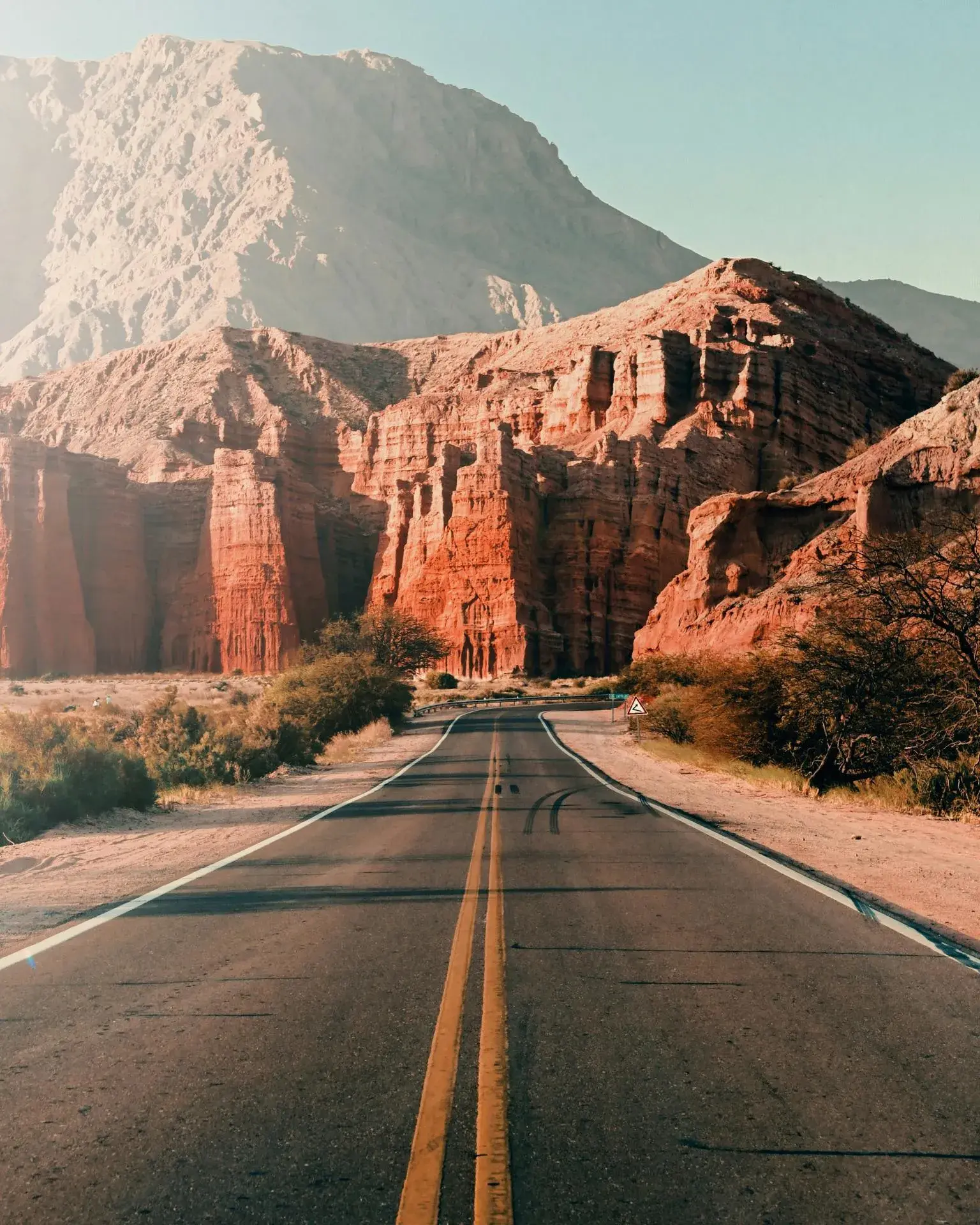
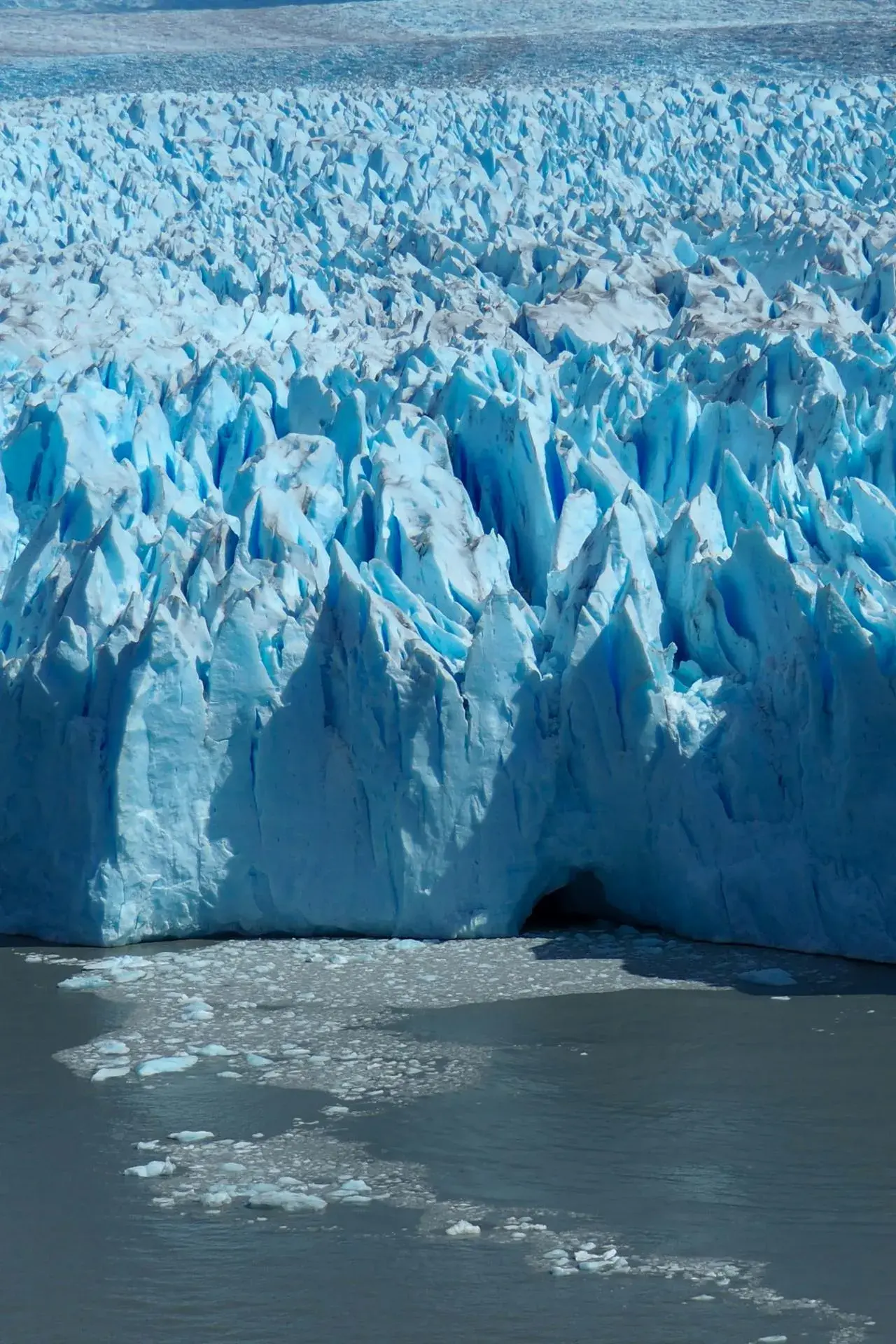
From the windswept plains of Patagonia to the peaks of the Andes and the vineyards of Mendoza, Argentina's landscapes sweep boldy along mountain ranges and open fields, while Buenos Aires carries a distinct European elegance shaped by tango, culture, and history.
Overview
Argentina was shaped by indigenous cultures before Spanish colonization in the 16th century introduced European language, architecture, and traditions. After gaining independence in 1816, the country experienced waves of immigration, particularly from Europe, which helped define its cultural identity. Over time, Argentina developed a distinct character influenced by both its heritage and its vast geography.
Today, it offers a remarkable range of landscapes, from the Andes mountains and Patagonian glaciers to fertile wine regions and vibrant cities like Buenos Aires, where culture, cuisine, and tradition reflect a rich and evolving history. From chic designer hotels to rustic estancias, every stay comes with Argentina’s signature warmth.
Argentina covers about 1.07 million square miles (roughly four times the size of Texas), making it the second-largest country in South America and the eighth-largest in the world.
Bolivia, Brazil, Chile, Paraguay &, Uruguay
Spanish is the main language, with some Italian influences. Indigenous languages include Quechua, Guaraní, and Mapudungun are spoken regionally.
Suggested Journeys
Featured Properties
When to Travel
Argentina has a temperate climate similar to that of the United States and Europe. The western border is marked by the towering Andes, the center is made up of vast plains, and to the south, Patagonia is almost in Antarctica.
When planning a trip to Argentina, it is important to determine which regions of the countries will be visited during your trip. The seasons in Argentina are reversed so August is a great time for skiing, and Christmas is perfect for outdoor grilling.
Buenos Aires is generally temperate, but May through August can be chilly and wet, and November through March may be pretty warm, with the occasional storm during the heat of the afternoon.
Northern Argentina, which is primarily a desert, may be visited throughout the year. During the southern summer, the region may receive more showers, but temperatures are relatively pleasant and warm throughout the year. When traveling to Northern Argentina, keep in mind that the temperatures drop significantly at night, so some warm clothing is recommended in the evenings.
Bariloche & the Lake District:
The city of Bariloche was founded next to the frigid Lake of Nahuel Huapi. Similar to the US’ Great Lakes Regions, the climate in the Lake Districts tends to vary significantly between seasons. While the summer boasts long days (with up to 16 hours of daylight) and offers warm and sunny days ideal for exploring the beautiful country-side. On the other hand, winter comprises shorter and cold days with abundant snowfall, making the region one of the best places in the world for July & August skiing. The fall and spring are transition seasons with a mix of sunny and rainy days.
El Calafate & Southern Patagonia
Summer is pleasant and tends to be dry. Days are long (up to 17 hours of daylight) providing a great opportunity to see more in a shorter amount of time. However it is also windy, so a windbreaker is a recommended packing item, as well as multi-layer clothes. Winters usually stay just below freezing but the winds pick up and make the touring & sightseeing very difficult.
Ushuaia & Tierra del Fuego
Located in the extreme south of the continent, Ushuaia, also known as the southern-most city in the world, the city has a surprisingly mild climate than one would expect. The surrounding ocean and the guarding mountains, maintain tolerable temperatures even in the peak of winter. (July-August)
The summer (December through February) offers 18 hours of daylight and comfortable temperatures, reaching 57 F (14C) during the day; making it a perfect season for hiking and trekking.
Travel highlights
Argentina offers an extraordinary range of landscapes and experiences. In the far north, immense waterfalls thunder through lush subtropical forest. The central west is defined by vineyard-lined valleys at the foot of the Andes, known for fine wines and relaxed countryside living. The northwest reveals colonial heritage, dramatic desert scenery, and vividly colored mountains shaped by altitude and light. Farther south, vast open spaces unfold into glaciers, turquoise lakes, and rugged peaks, creating some of the most striking scenery in South America. At the southern edge of the continent, windswept terrain, forests, and channels mark the gateway to the sub-Antarctic, offering a powerful sense of remoteness and scale.
Things to consider
-
Argentina’s climate varies widely by region, so layering is key. Cities favor neat, understated dress, with smart-casual clothing preferred over athletic wear. In the north and wine regions, light fabrics work well during the day, with a jacket for cooler evenings. In Patagonia and the south, windproof and waterproof layers are essential, as temperatures can range from 5–15 C (41–59 F), even in summer. Comfortable walking shoes are recommended throughout.
-
Routine vaccinations should be up to date, including tetanus, measles, mumps, and influenza. Hepatitis A is commonly recommended, and Hepatitis B may be advised for longer stays. Yellow Fever vaccination is only suggested if traveling to certain border areas in the far north. A travel clinic consultation 6–8 weeks before departure is encouraged.
-
The local currency is the Argentine Peso. Cash is widely used, and having small bills is useful. ATMs are available in cities and tourist areas, though withdrawal limits may apply. Credit cards are accepted at hotels, higher-end restaurants, and shops, but smaller businesses often prefer cash. Carrying a mix of payment methods offers flexibility.
-
Argentina is generally safe for travelers, especially in main tourist regions. Basic precautions are advised: keep valuables discreet, avoid poorly lit areas at night, and use registered taxis or hotel-arranged transfers. Pickpocketing can occur in crowded areas, so bags worn close to the body are recommended. Road travel should be planned with reliable operators.
-
Tap water is generally safe in major cities but may be treated differently in rural areas. Bottled or filtered water is recommended for sensitive travelers. Choose restaurants with good hygiene standards, eat well-cooked food, and peel fruits yourself. Raw vegetables and unpasteurized dairy should be avoided outside high-end establishments.
Entry requirements:
U.S. and Canadian citizens may enter Argentina without a visa for tourism or business stays of up to 90 days. A valid passport is required at the time of entry, though some airlines may ask for at least six months of validity.
All foreign visitors to Argentina are required to show proof of valid travel health insurance covering the entire duration of their stay.