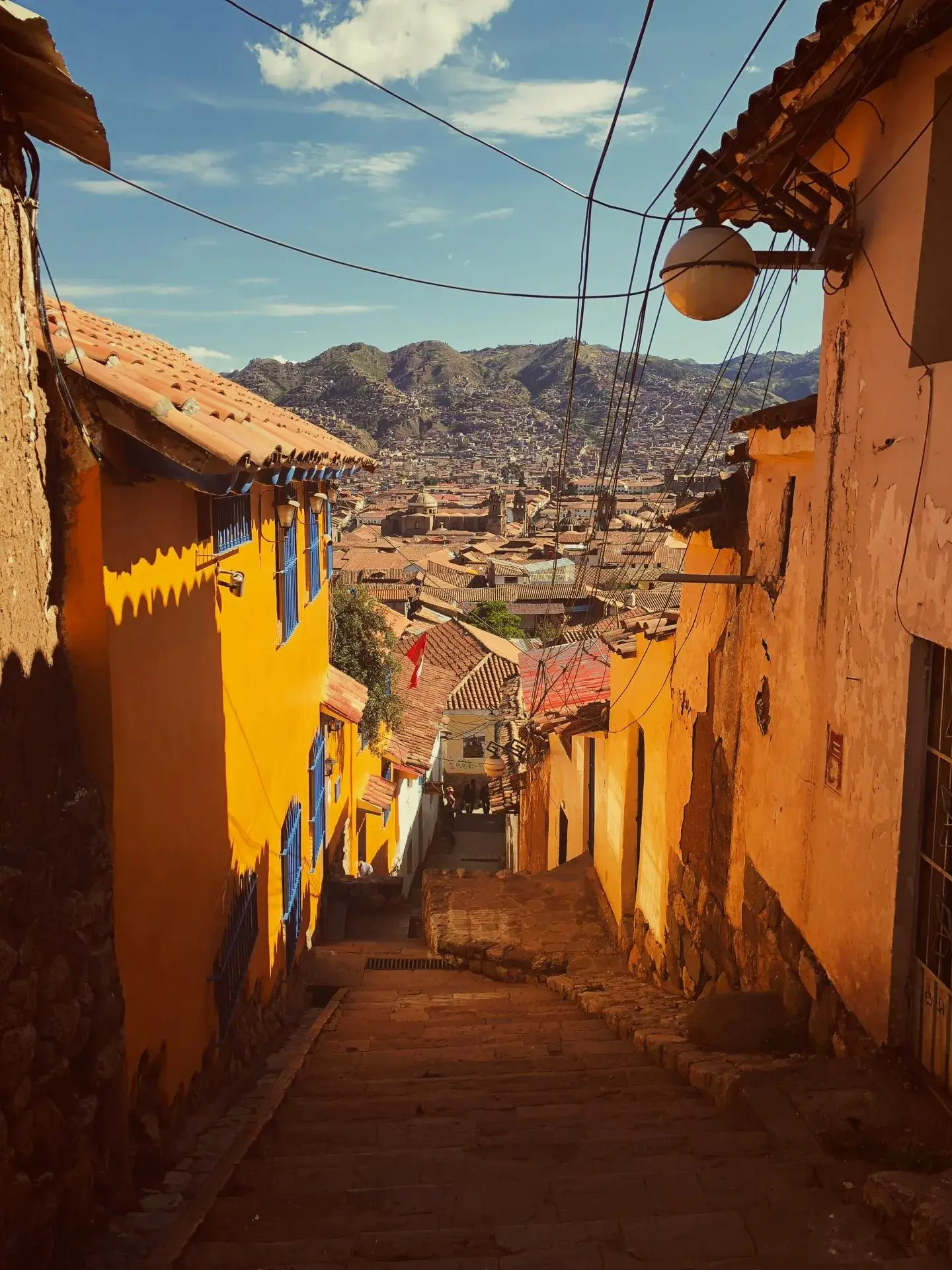
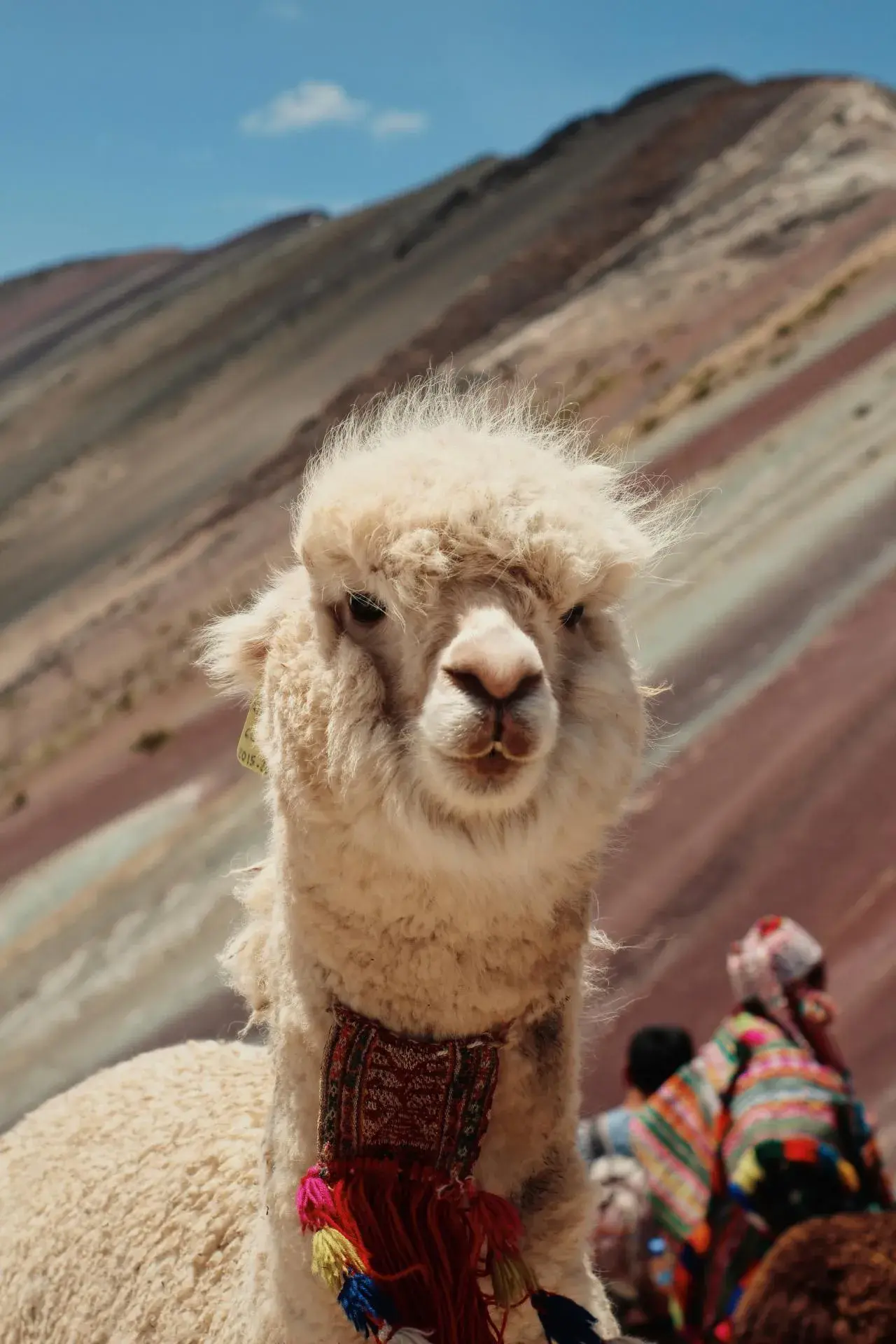
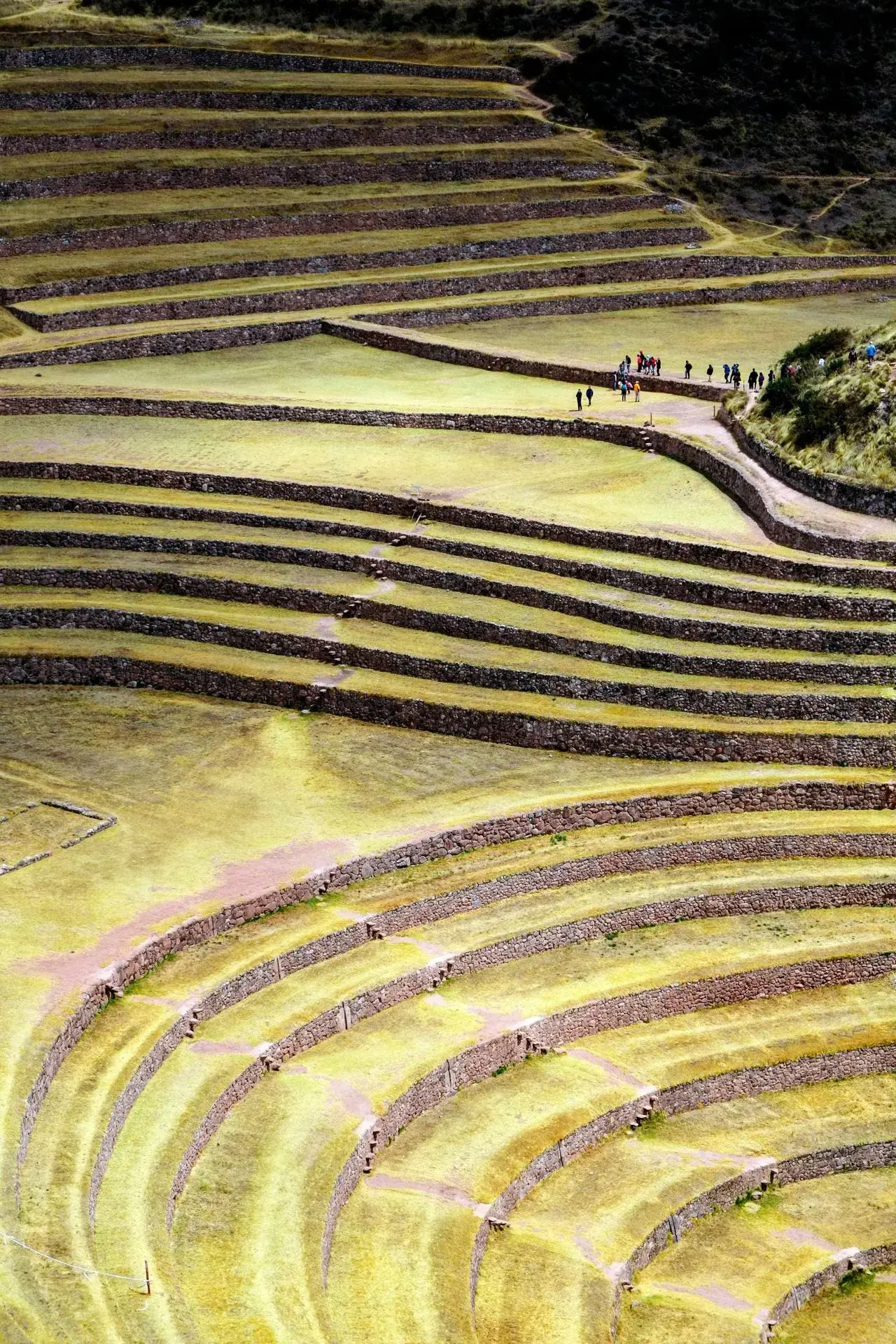
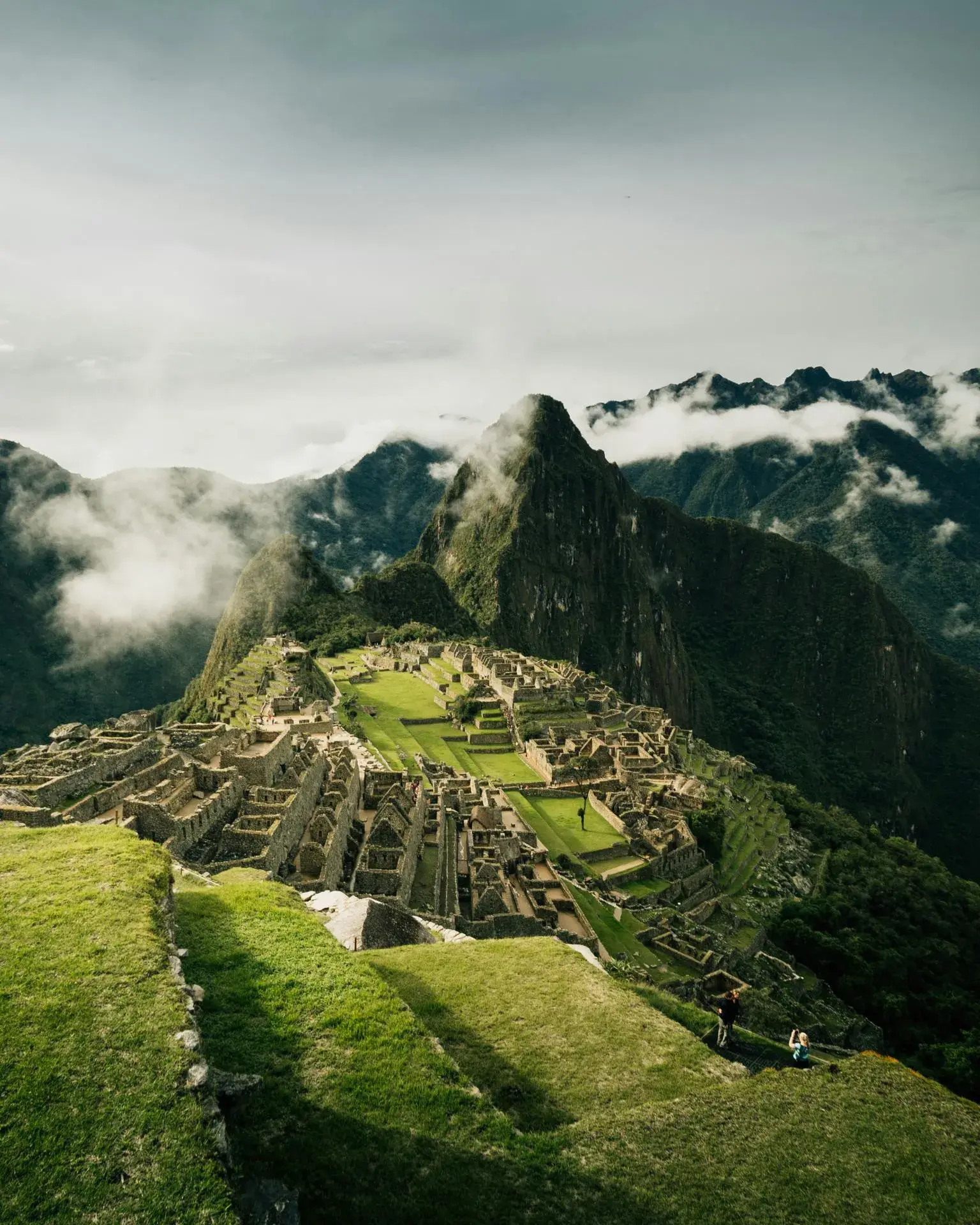
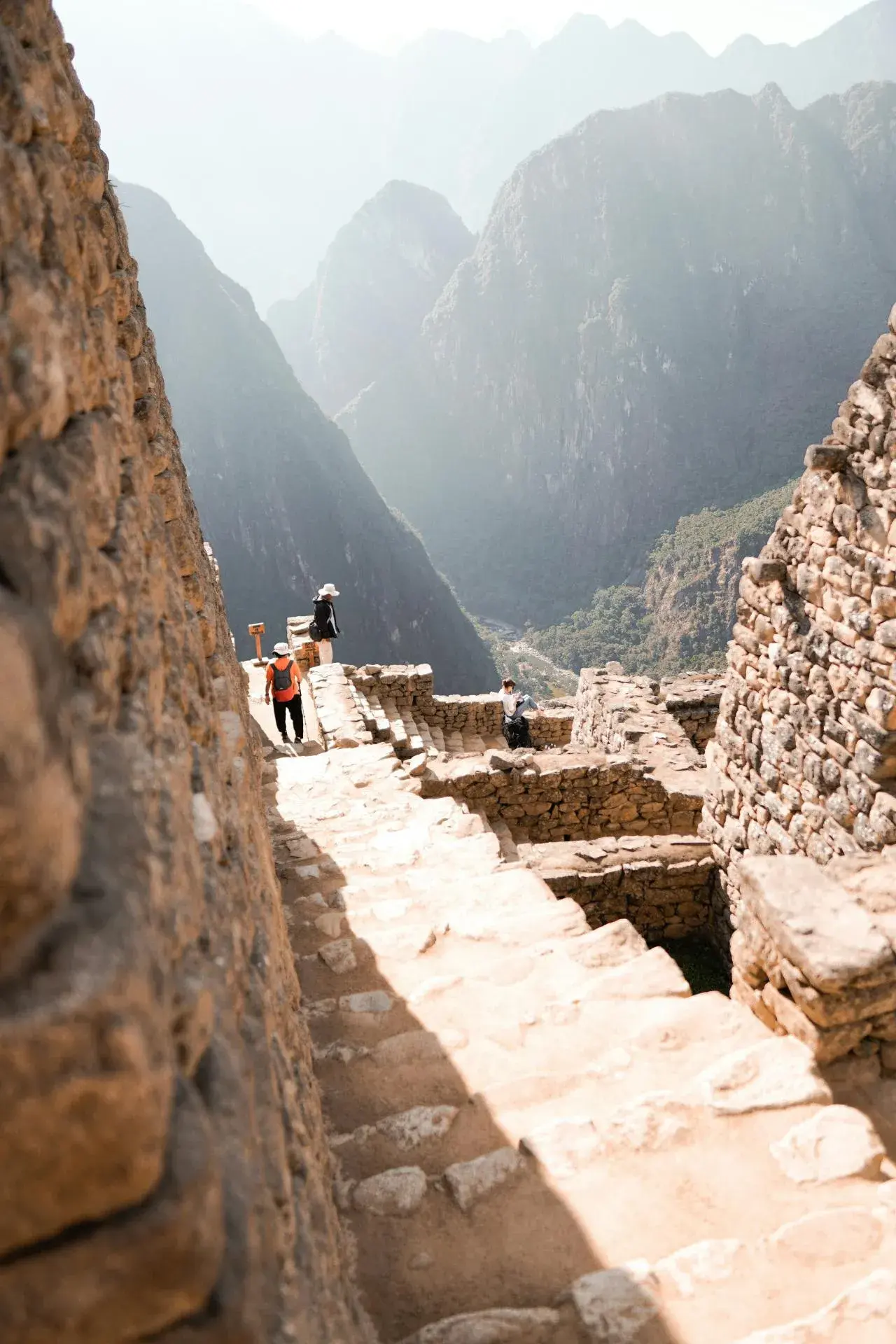
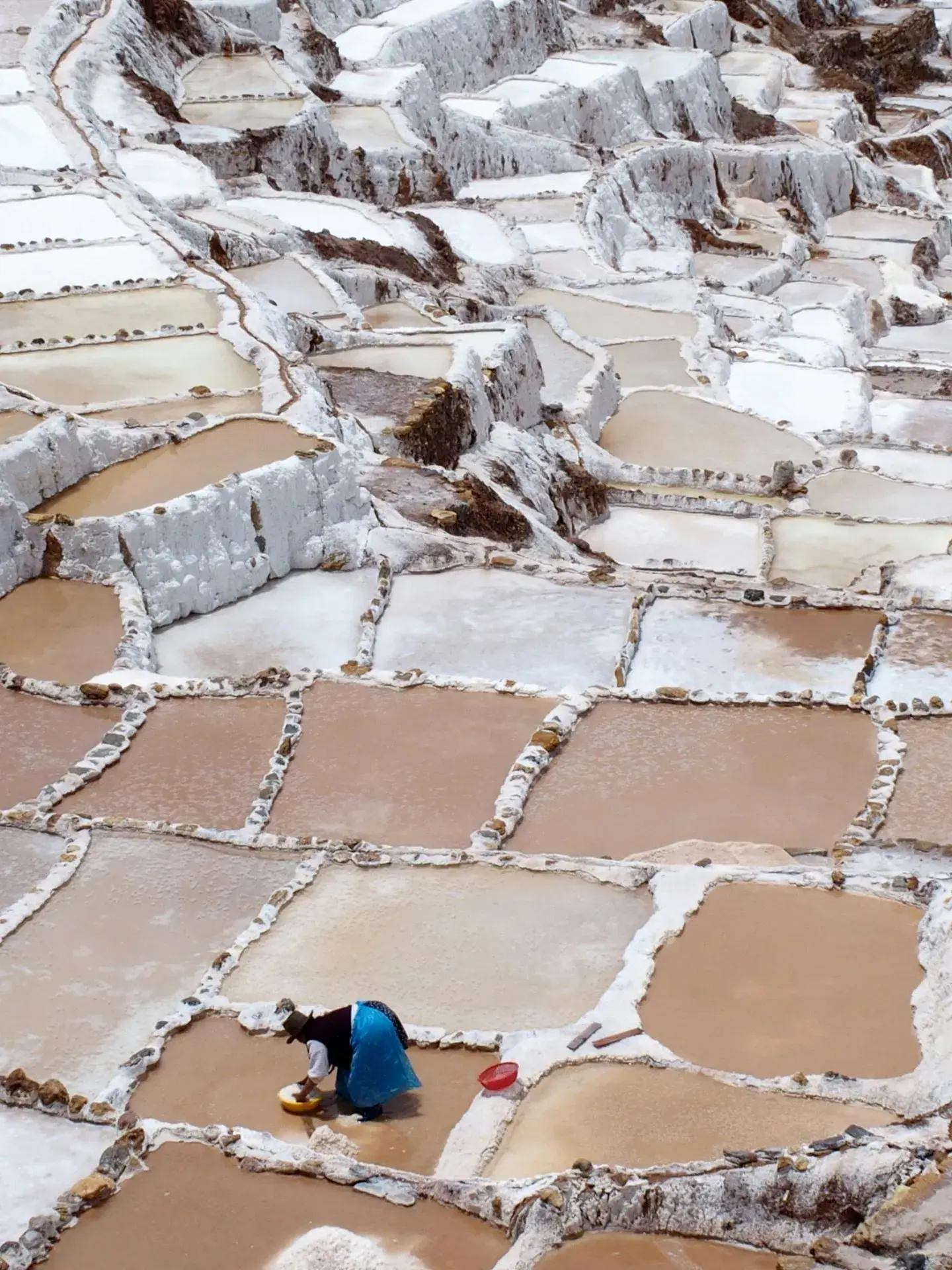
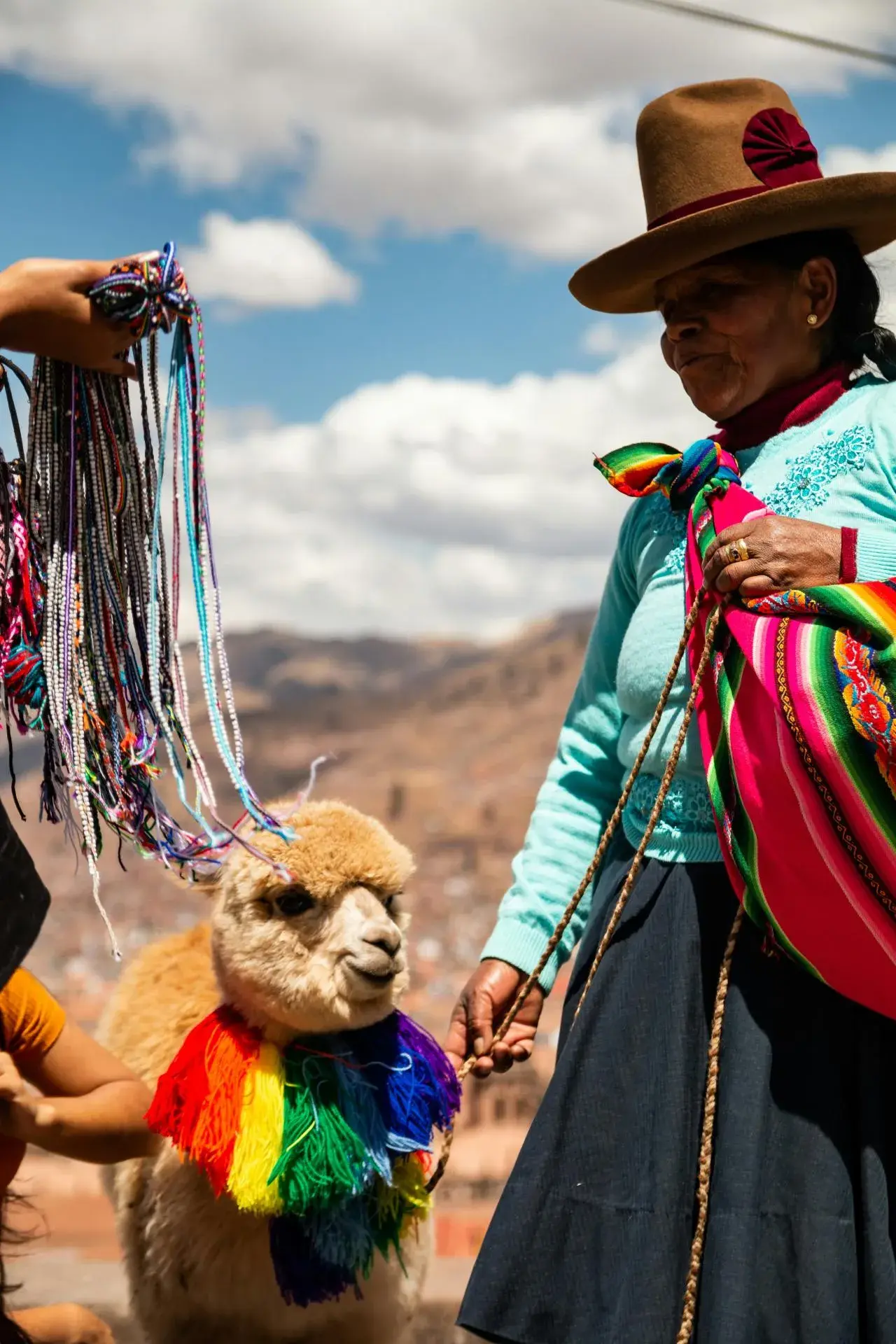
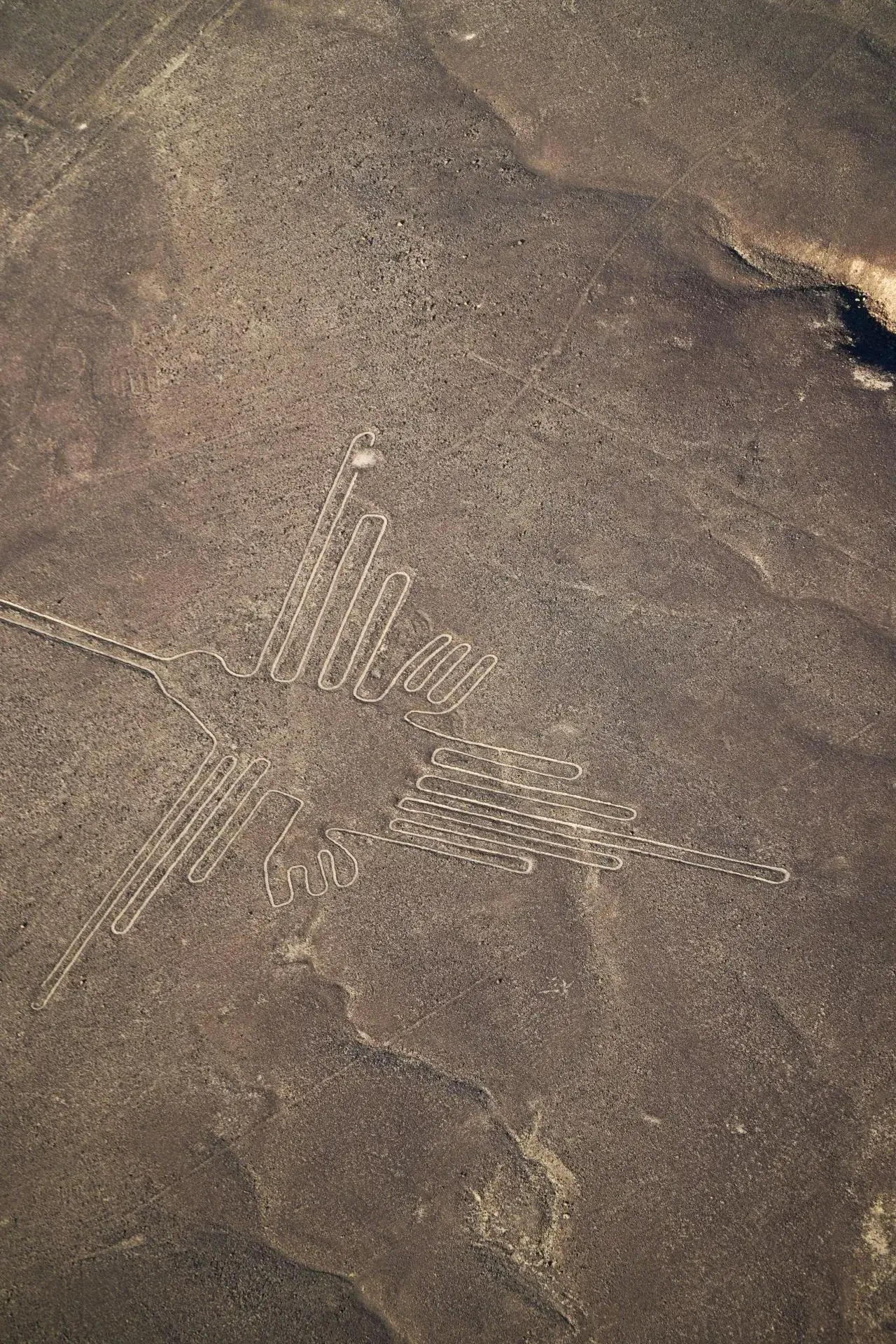
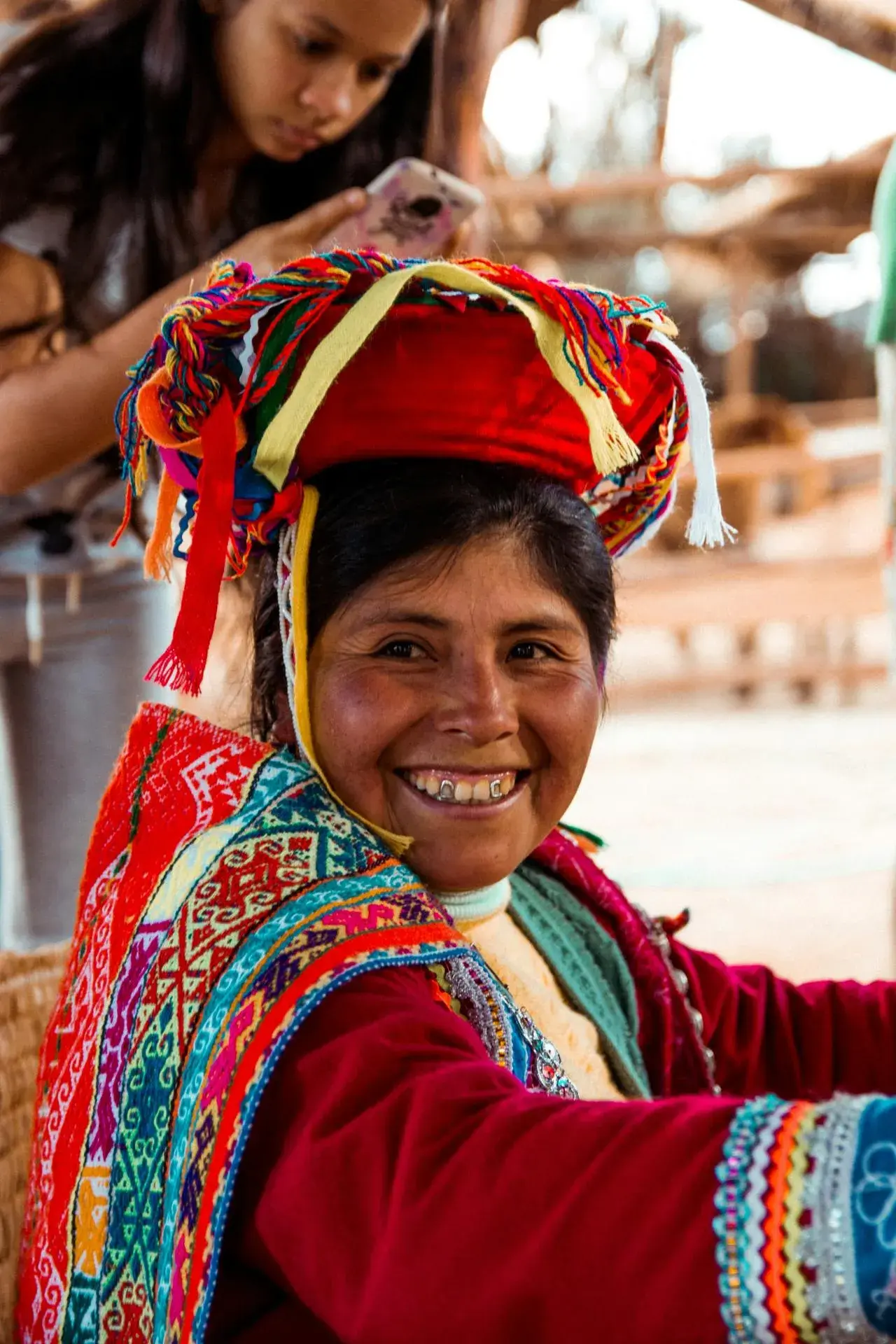
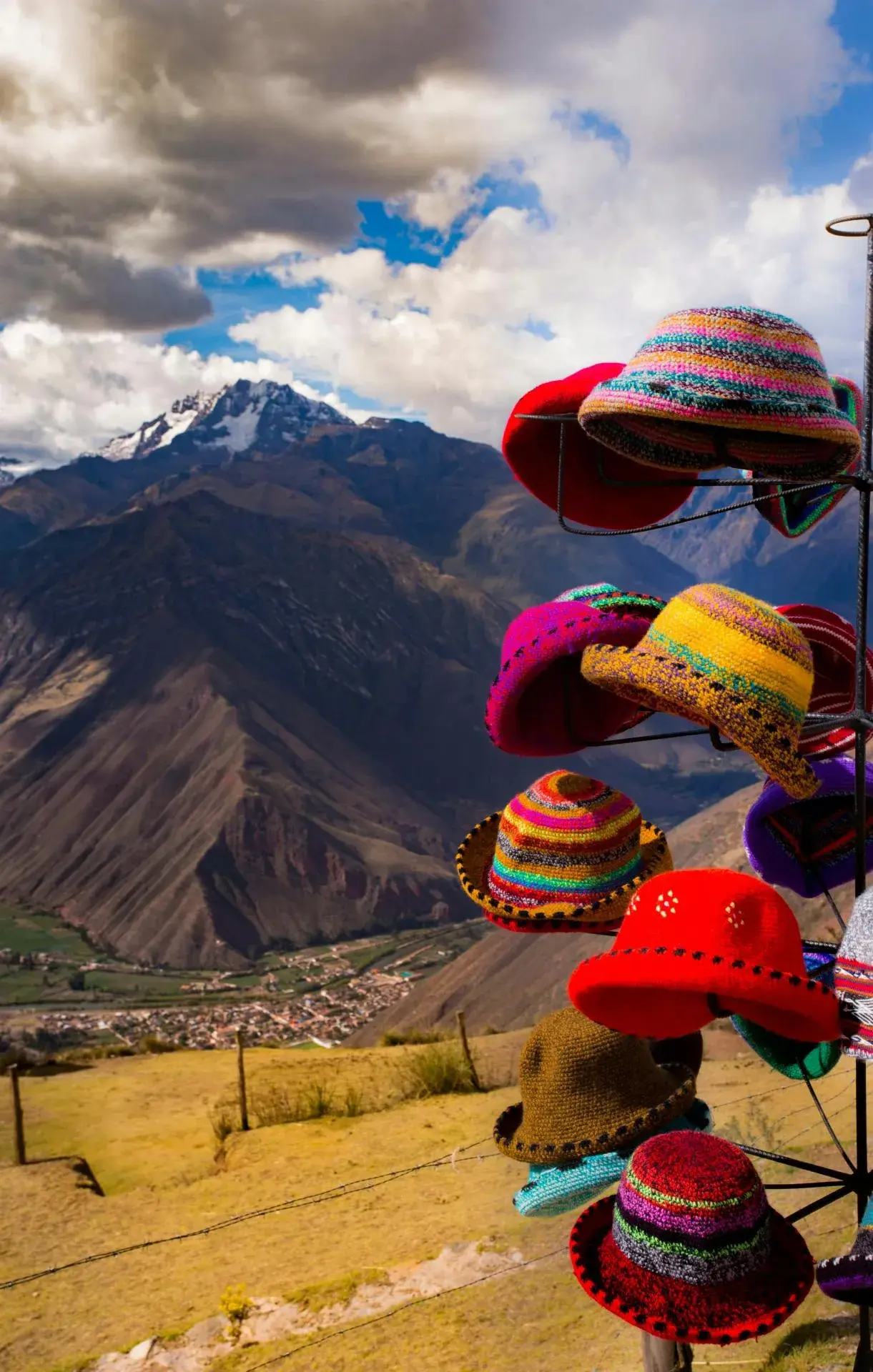
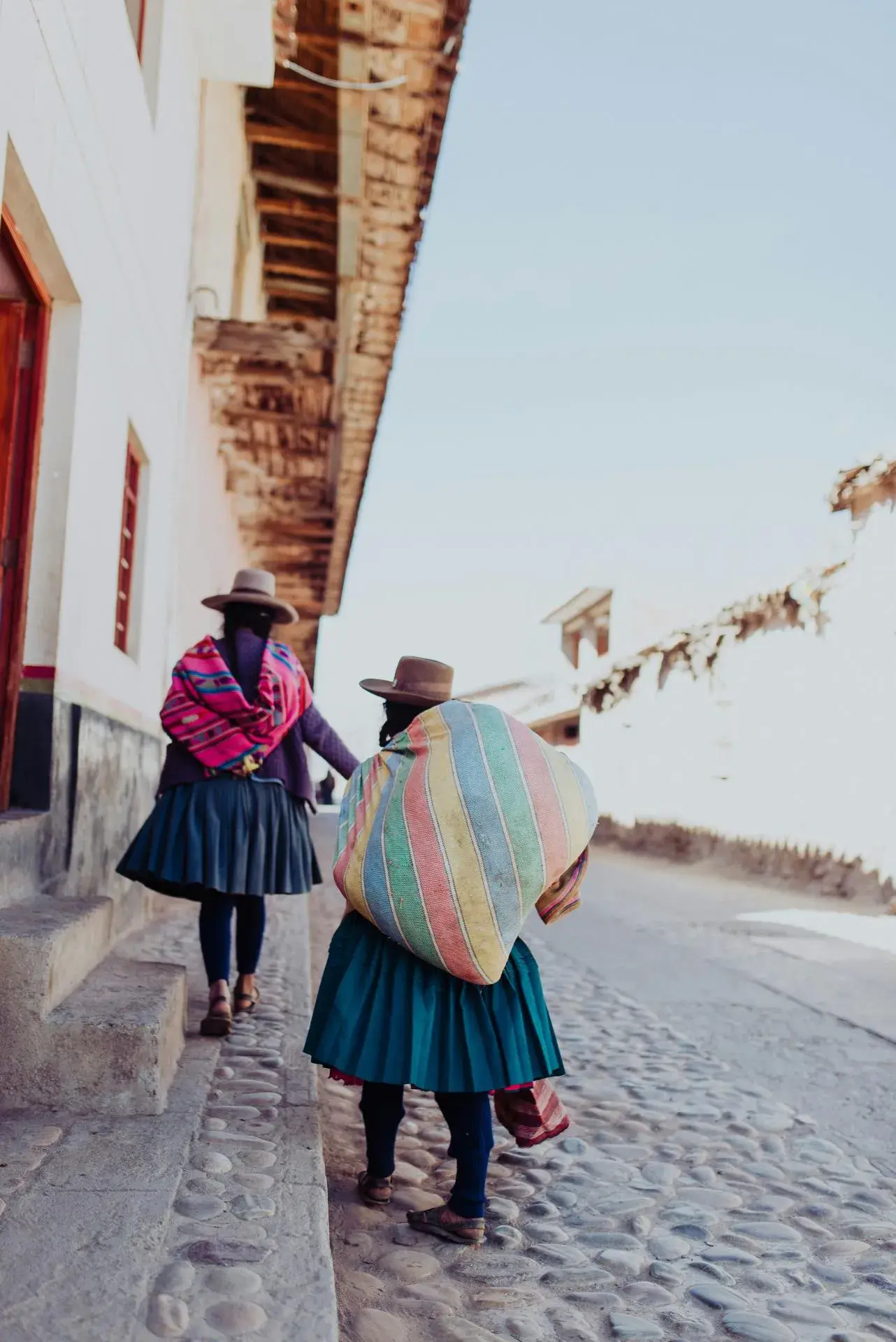
Incan stone paths climb through the Andes, the Amazon teems with life, and painted desert landscapes meet the sea to create a vivid handwoven tapestry of vast history and culture that is Peru.
Overview
Peru is home to one of the world’s greatest ancient civilizations, the Inca, whose empire reached its height in the 15th century before falling to the Spanish invaders in 1533. The colonial era that followed left a lasting influence on the country’s architecture, culture, and language. Peru gained independence in 1821, and after periods of political change, it has emerged as a stable and welcoming destination.
Today, Peru offers an extraordinary blend of history and landscape, from the ruins of Machu Picchu and the Sacred Valley to the Amazon rainforest and coastal deserts, where ancient colorful traditions and myriad of vibrant cultures continue to shape everyday life. It is also one of the few countries in the world where its cuisine is an art form comprising both autochthonous specialties and international dishes.
The country is 1,279,996 sq km (494 209 sq mi), Peru is slightly smaller than Alaska or as large as Spain, France, Portugal and most of Ireland combined.
Bolivia, Brazil, Chile, Colombia & Ecuador
Spanish 84.1% (official), Quechua 13% (official), Aymara 1.7%, and other native languages.
Suggested Journeys
Featured Properties
When to Travel
Peru’s vast size and diverse geography make it a true year-round destination. Located on the western edge of South America, the country stretches from the arid Pacific coast to the towering Andes and deep into the Amazon rainforest. With 28 of the world’s 32 climate zones represented, the main difference travelers will notice between regions and seasons is rainfall.
Best Time Overall
Peru is a year-round destination, but the best months to travel are April and May, as well as October and November, when the weather is mild, skies are clear, and the landscapes are especially vibrant. These months fall between the rainy and peak tourist seasons, offering fewer crowds, greener valleys, and excellent conditions for exploring both the Andes and the Amazon.
The Pacific Coast – Lima, Paracas, Chiclayo, Trujillo
The central coast has mild weather with average highs of 25–26°C (77–79°F) and lows of 14–19°C (57–66°F). Annual rainfall is extremely low, around 10–20 mm, though fog and drizzle (never rain), are common in winter from June to September. The northern coast, (Chiclayo, Trujillo) is hotter, with highs up to 34°C (93°F) in summer and around 27°C (81°F) in winter, with lows between 16°C (61°F) and 25°C (77°F). Rainfall here can reach 200 mm annually, with showers more common in November and December.
The Highlands – Cusco, Sacred Valley, Machu Picchu, Arequipa, Lake Titicaca
At elevations ranging from 2,500 to 3,800 meters (8,200 to 12,500 feet), daytime temperatures average 15–18°C (59–64°F), while nighttime can drop to 0–5°C (32–41°F). Rainfall averages between 700 and 800 mm annually, with most rain falling between November and March. From April to October, the region is largely dry and sunny, offering some of the best conditions for exploring.
The Jungle & Rainforest – Iquitos, Puerto Maldonado
The low jungle is hot and humid year-round, with average highs around 31°C (88°F) and lows near 15°C (59°F). Rainfall exceeds 1,000 mm annually, with heavier rains between November and April. Traveling in the Amazon is possible throughout the year, as the main difference is the water level of the rivers. In the low-water season, more exploration is done on foot through the rainforest, while in the high-water season most excursions are by boat, offering a completely different perspective. Each season provides a unique way to experience the Amazon.
Important Festivals in Peru:
Virgin of Candelaria – Puno (February 1–18, with main day on February 2)
One of South America’s largest festivals blends Catholic traditions with Andean culture. The celebration features thousands of dancers and musicians, elaborate parades, and competitions, transforming the city into a vibrant stage of devotion and festivity.
Semana Santa – Ayacucho (March or April, dates vary with Easter)
Holy Week in Ayacucho is among the most renowned religious celebrations in Peru. The city hosts striking processions, music, street fairs, and ceremonies that combine Catholic devotion with local Andean traditions, attracting thousands of visitors every year.
Inti Raymi – Cusco (June 24)
The Festival of the Sun celebrates the Incan New Year and the winter solstice. A colorful re-enactment of ancient ceremonies takes place at Qorikancha and Sacsayhuaman, with processions, dancing, music, and elaborate costumes honoring the Incan heritage.
Travel highlights
Peru has three major regions: the Coastal Desert, High Andes, and Amazonia. Peru is one of the most diverse destinations in the world, offering landscapes that range from desert coasts and towering mountains to lush rainforests. Its history, culture, and natural beauty provide endless opportunities for discovery, and you could easily travel here for two months without running out of things to see and do.
Things to consider
-
In Peru, clean, simple clothing is appreciated everywhere. Avoid beachwear or overly revealing outfits in cities, towns, markets, and religious sites. Neutral colors blend in better than flashy prints, and comfortable closed shoes are preferred for walking on uneven streets.
In the Andes and highlands, including Cusco and the Sacred Valley, layers are essential. Days can be mild at 15–20 C (60–68 F) while mornings and evenings drop to 5–8 C (41–46 F). Lightweight long sleeves, a fleece or sweater, and a wind or rain jacket work well. Locals dress conservatively, so fitted but not tight clothing is the most respectful choice.
Along the coast, including Lima, the climate is mild but often overcast. Light trousers, skirts below the knee, shirts, and a light jacket are suitable, especially in the evenings at 12–16 C (54–61 F). In the Amazon, breathable long sleeves, long pants, and closed shoes are practical and respectful, while offering protection from insects and humidity at 25–32 C (77–90 F).
-
Routine vaccinations should be up to date, including tetanus, diphtheria, measles, mumps, rubella, and influenza. Hepatitis A is strongly recommended for all travelers, as it can be transmitted through food and water. Hepatitis B is advised for longer stays, repeated travel, or closer contact with local communities.
For travel to the Amazon basin and certain jungle areas below 2,300 m (7,550 ft), Yellow Fever vaccination is recommended, and in some cases required if entering Peru from another Yellow Fever risk country. Typhoid is commonly advised, especially for travelers eating outside high-end restaurants.
-
Peru’s official currency is the Peruvian Sol (PEN). Cash is still widely used, especially in small towns, markets, and rural areas, so carrying small denominations is helpful. US dollars are sometimes accepted, but change is usually given in soles and exchange rates may be unfavorable.
ATMs are easy to find in cities and tourist centers, and most accept international debit cards. Banks are reliable, but daily withdrawal limits may apply, so plan accordingly. Notify your bank before travel to avoid card blocks.
Credit cards, especially Visa and Mastercard, are widely accepted at hotels, higher-end restaurants, and shops in major cities. Smaller businesses often charge a small fee for card payments or accept cash only. Having a mix of cards and cash ensures flexibility throughout the country.
-
Peru is generally safe for travelers, especially when using reputable guides and prearranged services. In cities, be mindful of your surroundings, keep valuables discreet, and use registered taxis or hotel-arranged transfers, particularly at night. Pickpocketing can occur in crowded areas, so bags worn close to the body are recommended.
In the Amazon, follow local guidance, avoid unapproved swimming areas, and use insect protection.
-
In Peru, it is best to avoid drinking tap water. Use bottled or filtered water for drinking and brushing teeth, and avoid ice unless you are confident it is made from purified water. Bottled water is widely available throughout the country.
For food, choose restaurants with good hygiene standards and high turnover, especially in cities and tourist areas. Well-cooked food served hot is safest, and fruits and vegetables should be peeled or washed with purified water. Items like lettuce, tomatoes, cucumbers, and fresh herbs are higher risk when eaten raw. In rural areas and markets, be very cautious with raw foods and unpasteurized dairy.
Entry requirements:
US and Canadian citizens need a passport valid for at least six months with one blank page. No visa is required for tourist stays of up to 90 days. Overstaying the permitted time results in daily fines. A yellow fever vaccination is not required unless arriving from a country where the disease is present.