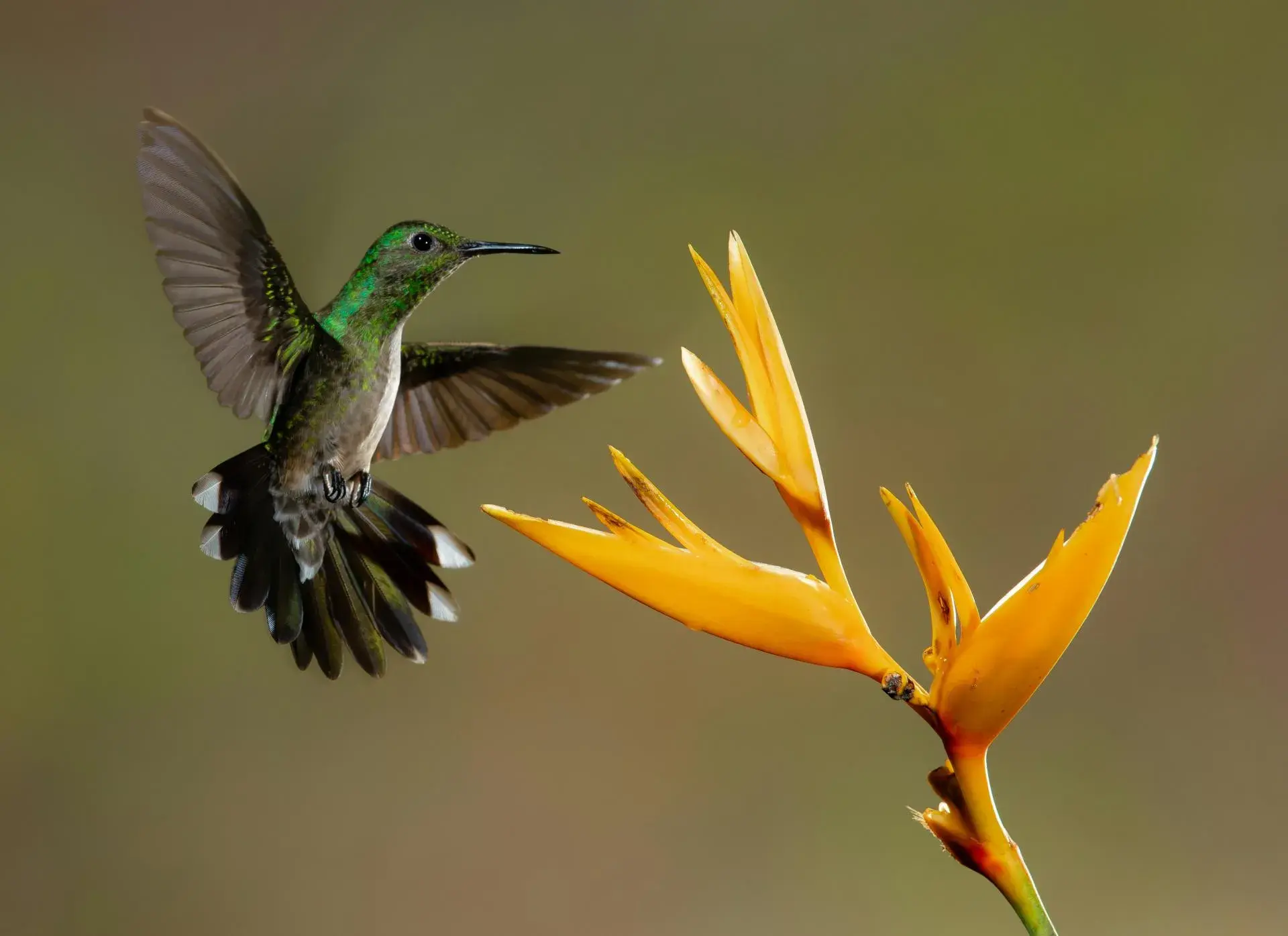
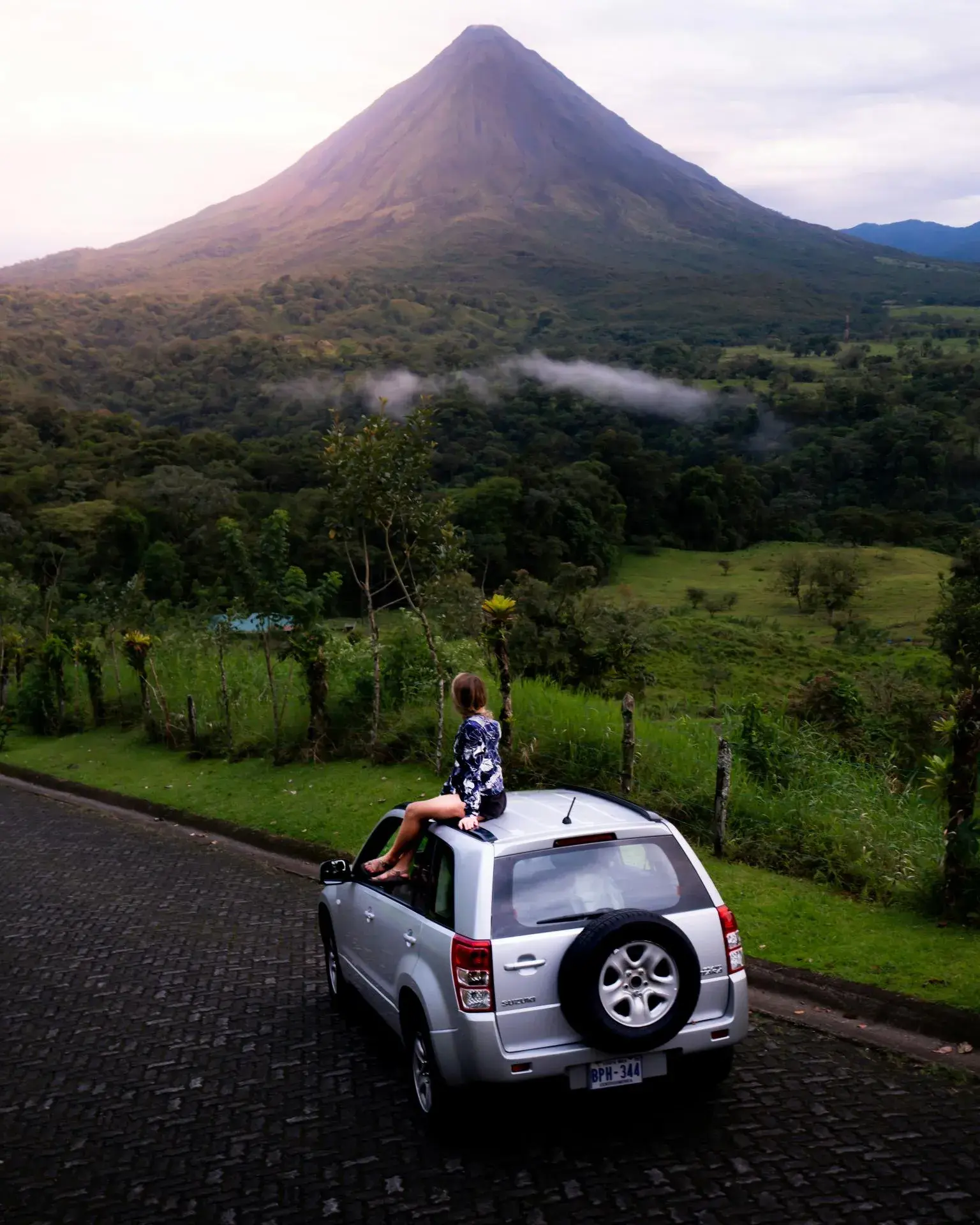
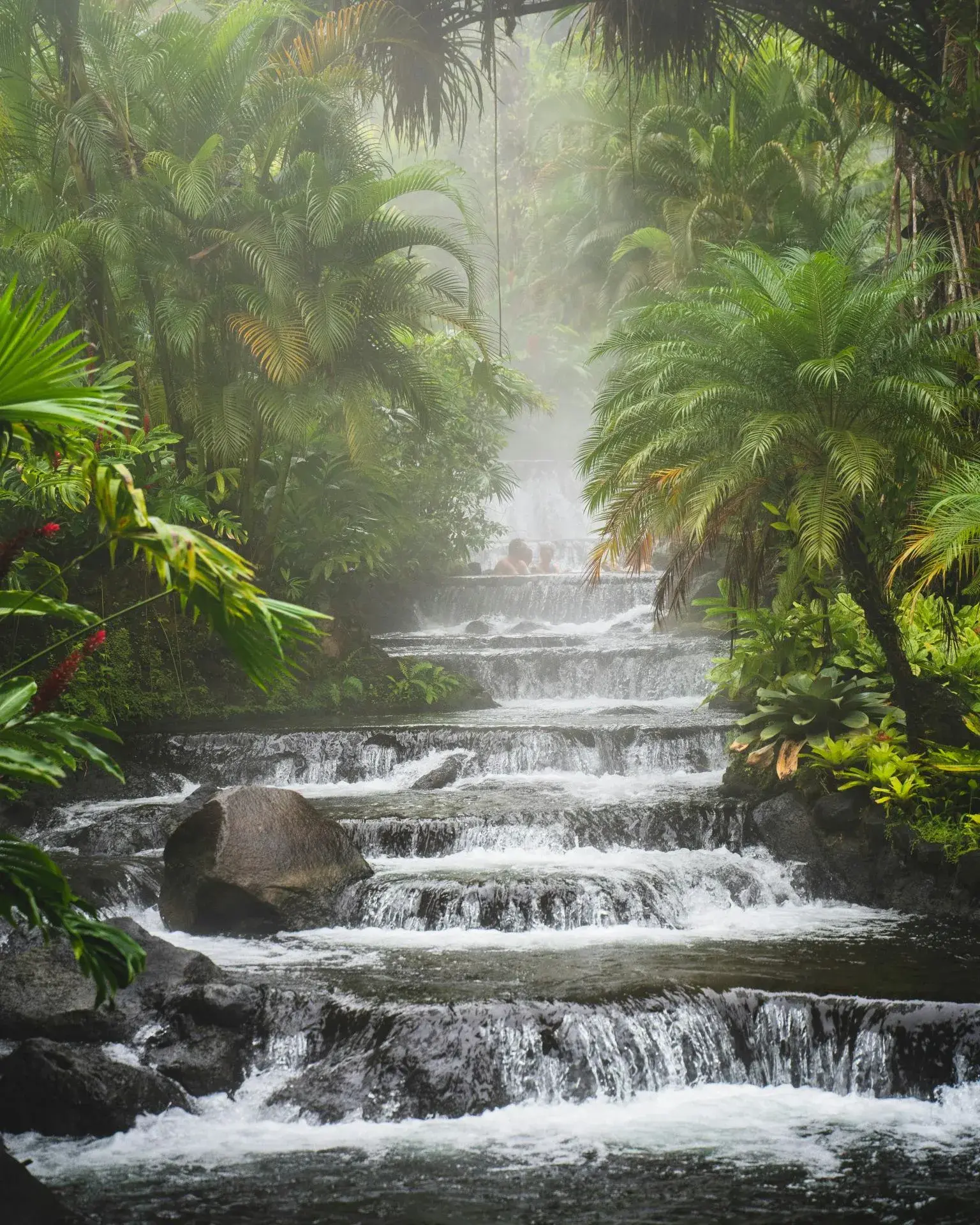
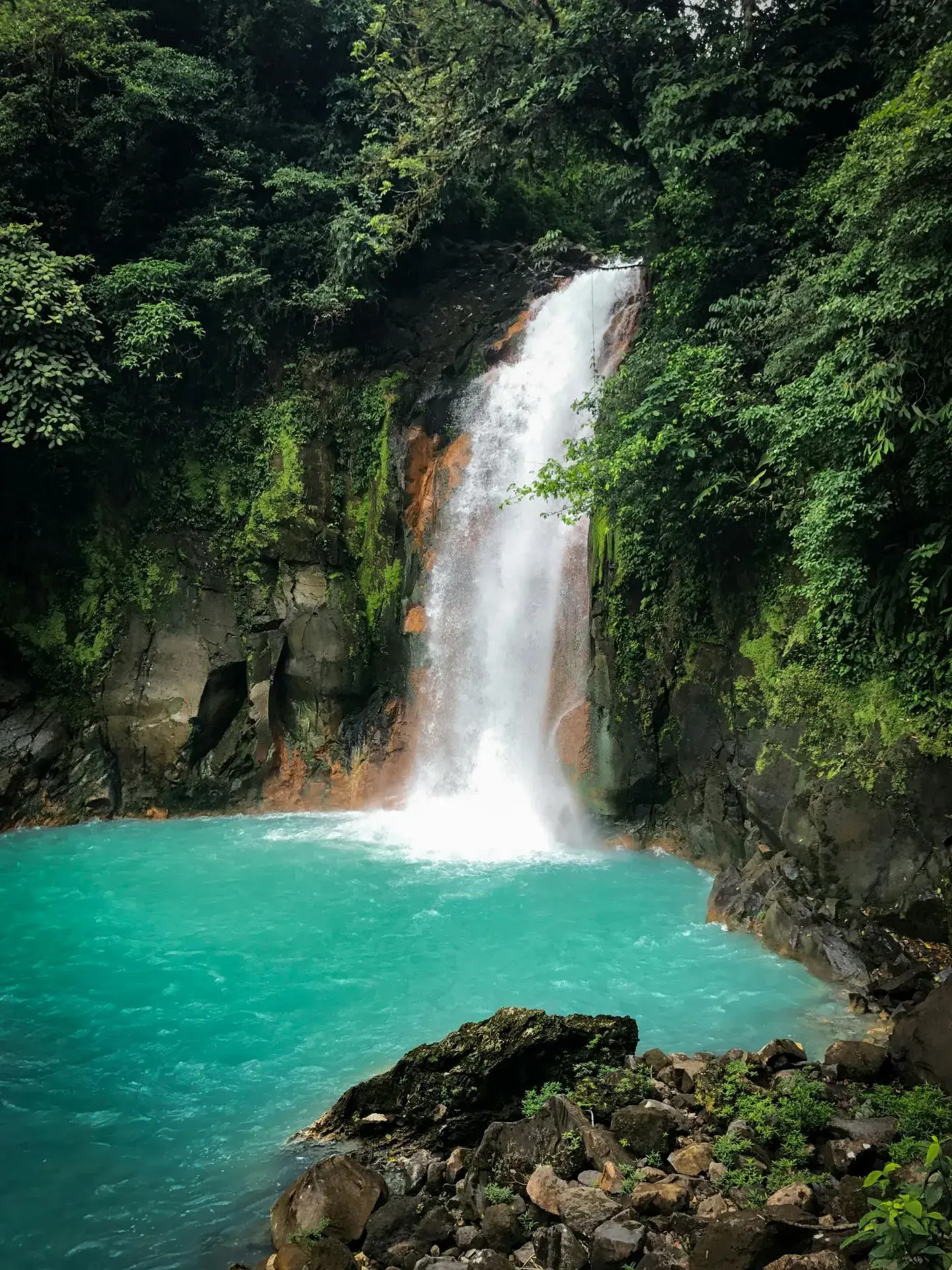
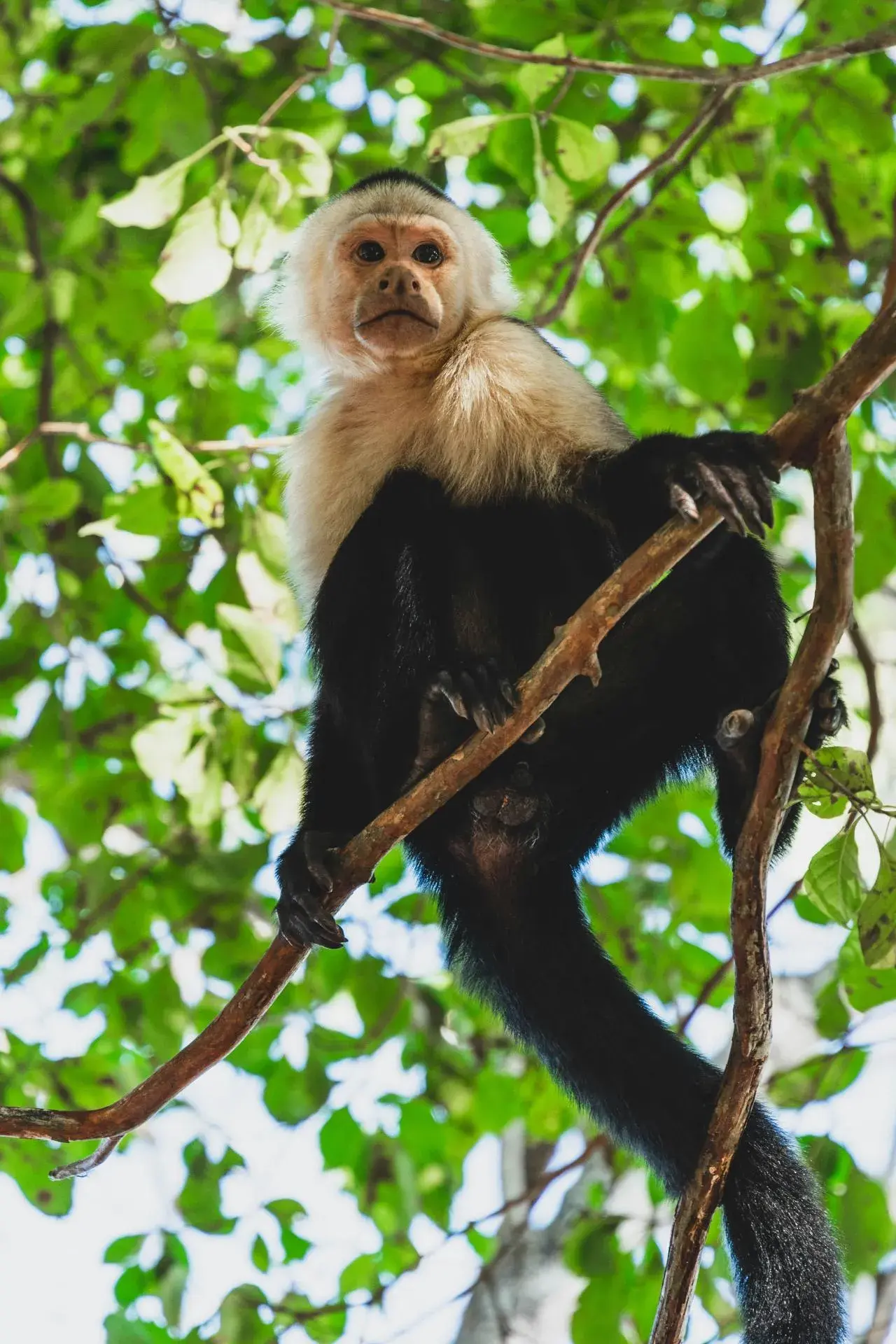
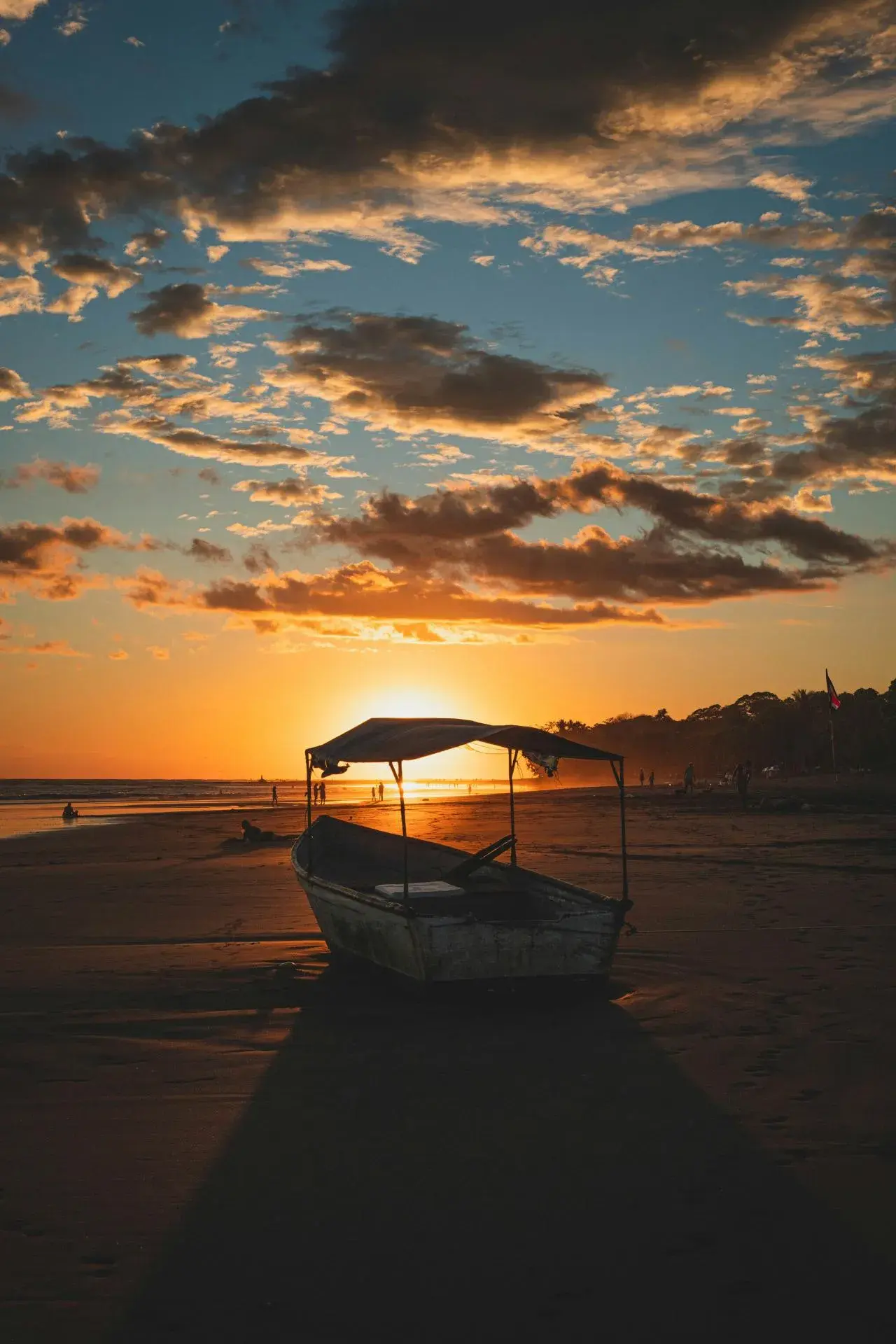
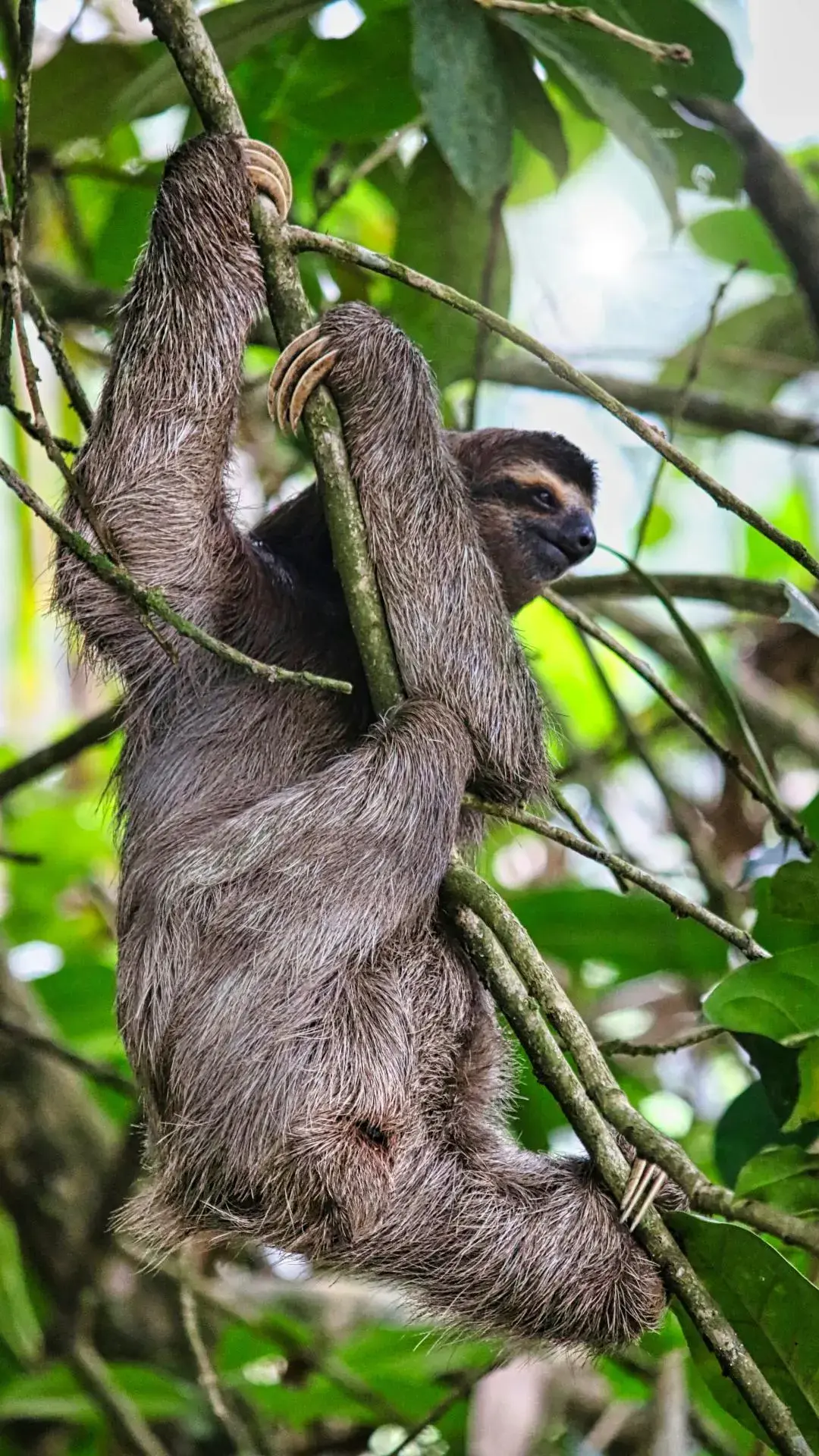
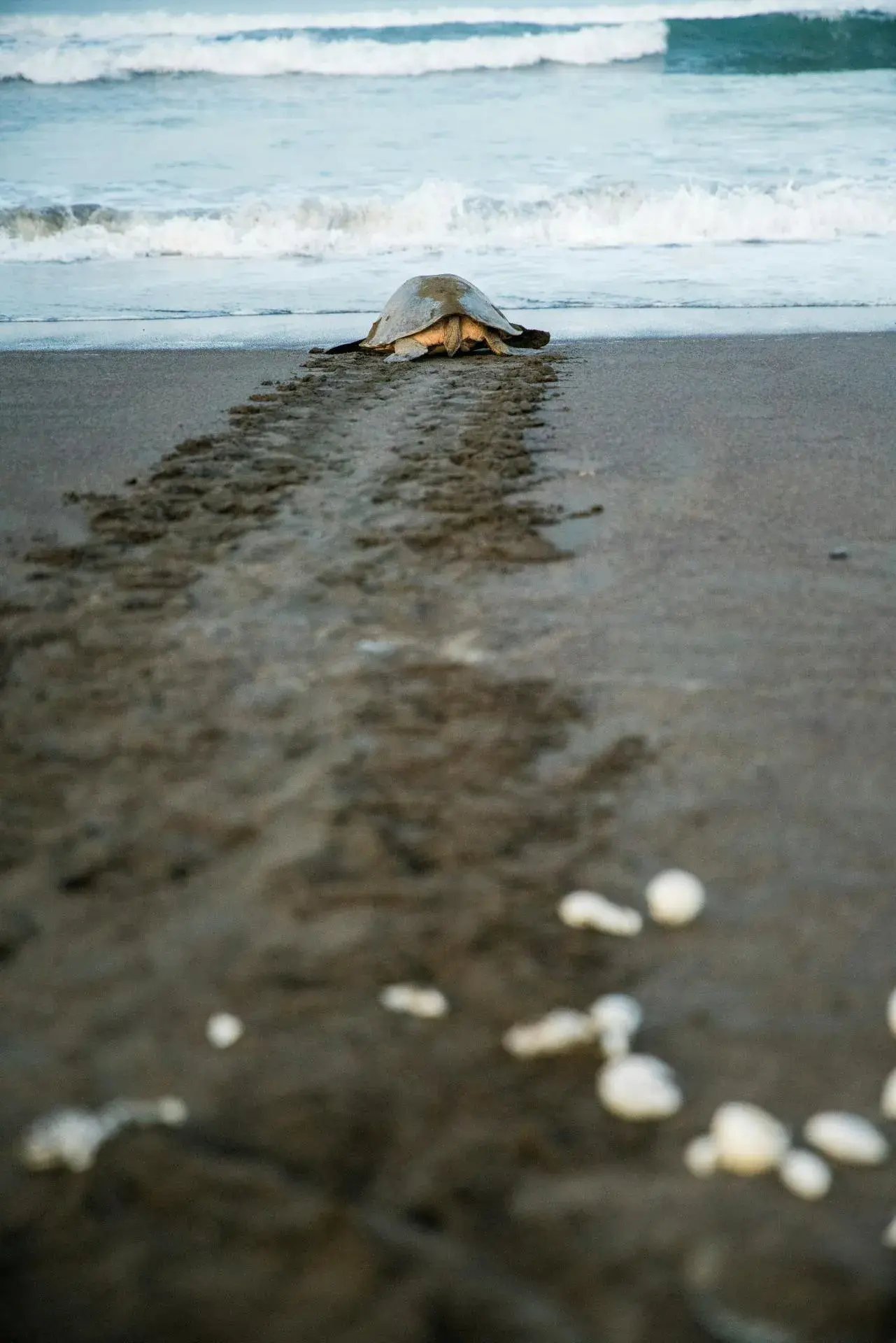
Across Costa Rica, dense rainforests give way to misty highlands and impressive volcanoes, rivers wind through the jungle and shores open into sunlit beaches to form a world thriving with life.
Overview
Costa Rica’s roots trace back to indigenous communities that lived across its forests and coastlines long before Spanish arrival in the 16th century introduced new language, customs, and governance. Without the large colonial structures seen elsewhere in the region, the country developed a more balanced social framework. After independence in 1821, Costa Rica gradually built a stable democracy and placed increasing value on education and environmental protection. Today, it stands out for its dedication to conservation, with landscapes ranging from volcanic highlands and cloud forests to tropical beaches, and is well known for the enormity of its biodiversity, holding over 500 species and accounting for 4% of the entire number of biodiversity on the planet. The Costa Rican phrase “Pura Vida” or "Pure Life" is a perfect description of life in Costa Rica.
19,714 sq. miles , or slightly smaller than West Virginia.
Nicaragua, Panama
Spanish (official), English
Suggested Journeys
Featured Properties
When to Travel
Costa Rica is a year-round destination, with the main difference between seasons being rainfall rather than temperature. The dry season runs from December through April and is generally considered the best time to visit, with sunny days, lower humidity, and ideal conditions for beaches, wildlife viewing, and outdoor activities.
The green season, from May through November, brings more frequent rain, typically in the afternoon. Mornings are often clear, and the landscapes are at their most lush and vibrant. This time of year also offers fewer crowds and lower rates in many areas.
Regional differences are important. The Pacific coast is driest from December to April, while the Caribbean coast follows a different pattern, often experiencing better weather in September and October. Temperatures remain warm year-round, averaging 24–32°C (75–90°F) in most regions, with cooler conditions in the highlands. yearly.
Micro-climates:
Costa Rica's varying climate zones may depend upon geographic factors such as elevation, and they range from volcanoes, cloud forests, tropical forests, jungle, and splendid beaches. Although the temperatures are mostly uniform throughout the year, in places like mount Chirripo, the highest mountain in the country, temperatures can reach 40 F.
Travel highlights
Warm mist rises through the forest as narrow trails wind past towering trees and hanging vines, alive with birdsong and the quiet movement of wildlife hidden in the canopy. Rivers cut through dense jungle before spilling into waterfalls, while nearby, the earth breathes through volcanic landscapes and mineral-rich hot springs. Along the coasts, waves roll onto stretches of sand where the rainforest meets the sea, and the air carries the scent of salt and greenery. In the highlands, cloud forests drift in and out of view, revealing a landscape that feels both wild and deeply alive.
Things to consider
-
Costa Rica’s tropical climate calls for lightweight, breathable clothing such as cotton or linen. In lowland and coastal areas, it is warm and humid year-round, while higher elevations like Monteverde or the Central Valley can be cooler, especially in the evenings, so a light jacket is useful. Comfortable walking shoes are essential for trails and uneven terrain. A rain jacket is recommended, even in the dry season, as brief showers can occur.
-
No mandatory vaccinations are required unless arriving from a yellow fever area. Travelers are generally advised to be up to date on routine vaccinations such as tetanus and hepatitis A. Depending on travel plans, typhoid may also be recommended. It is best to consult a healthcare provider prior to travel.
-
The currency is the Costa Rican Colón (CRC), though US dollars are widely accepted, especially in tourist areas. Credit cards are commonly used in hotels, restaurants, and shops. ATMs are widely available in cities and towns. It is advisable to carry some cash for smaller establishments and rural areas.
-
Costa Rica is considered one of the safest countries in Central America. Basic precautions are recommended, such as keeping valuables secure and avoiding isolated areas at night. Using registered transportation and following local advice helps ensure a smooth experience.
-
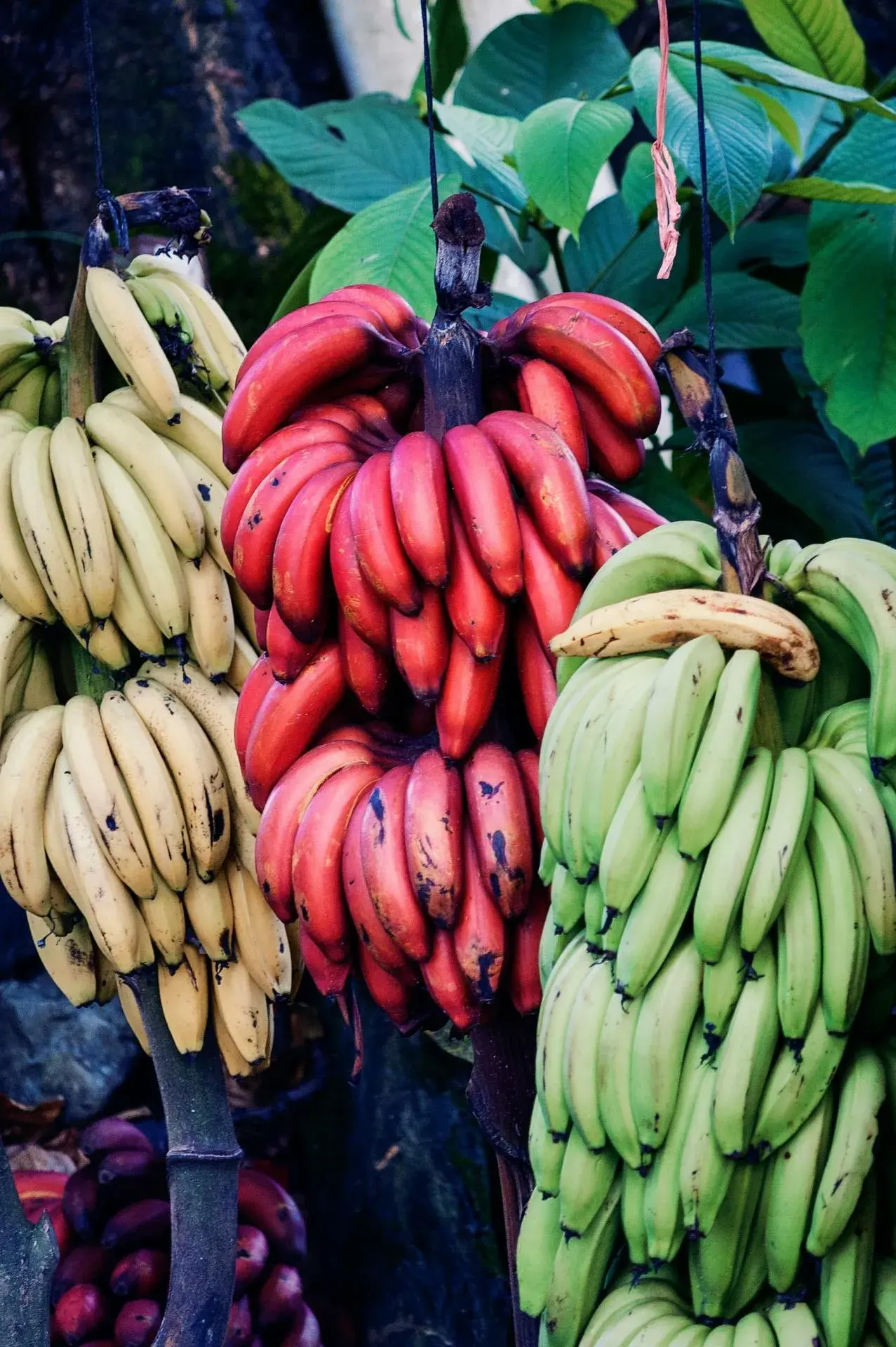
Tap water is generally safe to drink in most parts of Costa Rica, particularly in cities and established tourist areas. Bottled water is available if preferred. The cuisine is fresh and simple, often based on rice, beans, vegetables, and seafood. Food in reputable restaurants is generally safe, and fresh tropical fruits are widely available.
Entry requirements:
US and Canadian citizens must have a passport valid for at least the duration of their stay. No visa is required for tourist visits of up to 90 days. Travelers may be asked to show proof of onward or return travel. In some cases, proof of sufficient funds may be requested. Requirements can change, so it is advisable to verify details prior to departure.