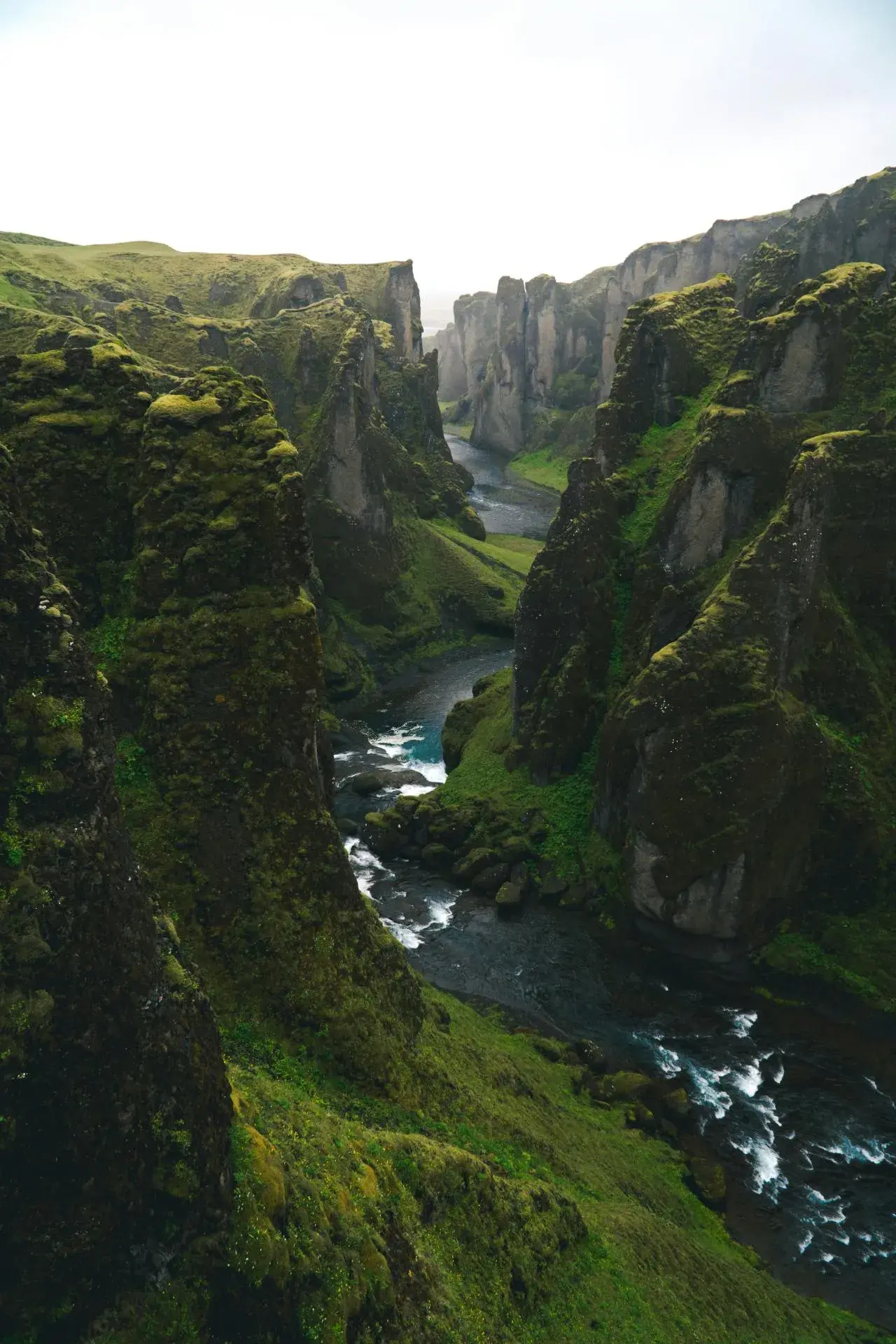
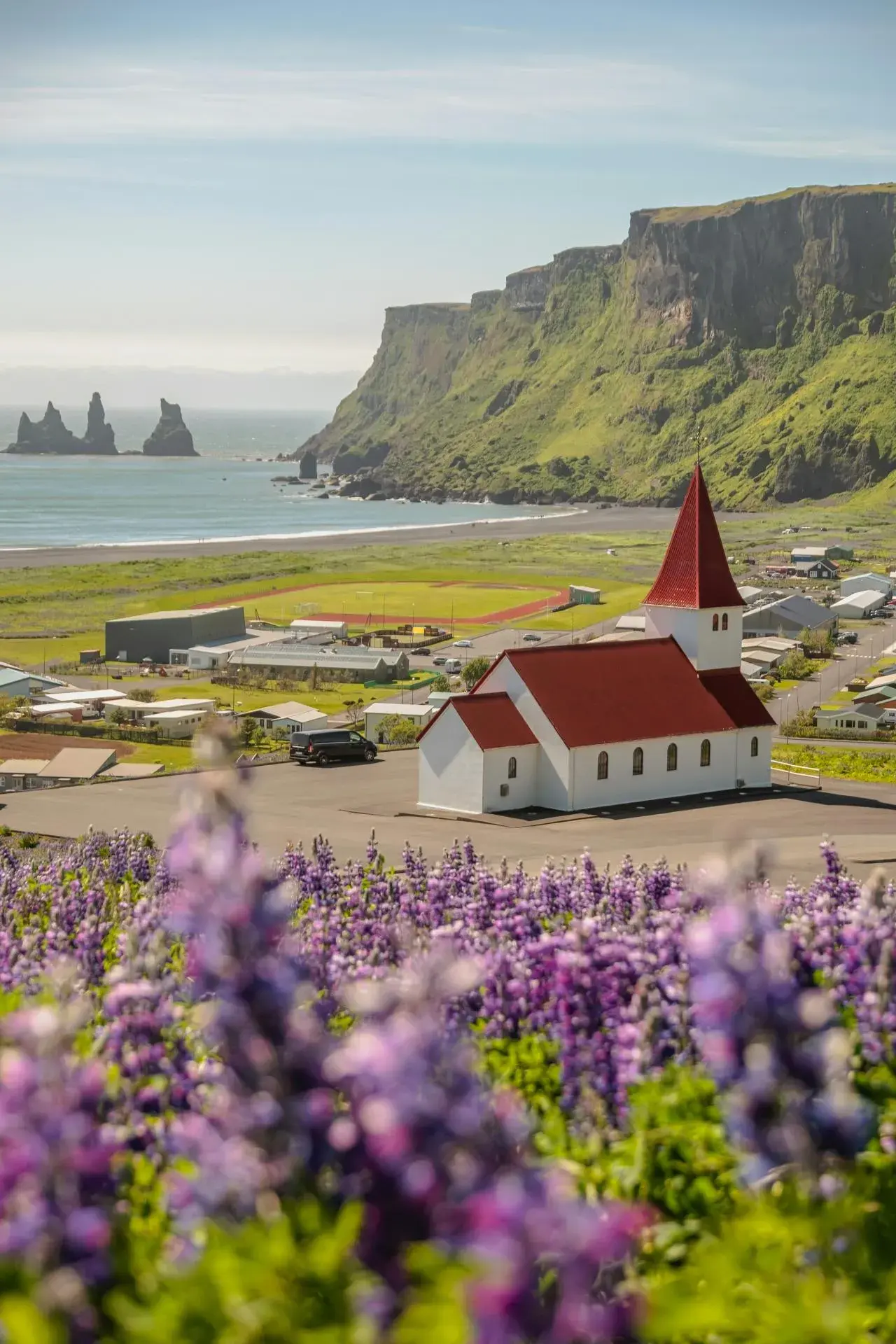
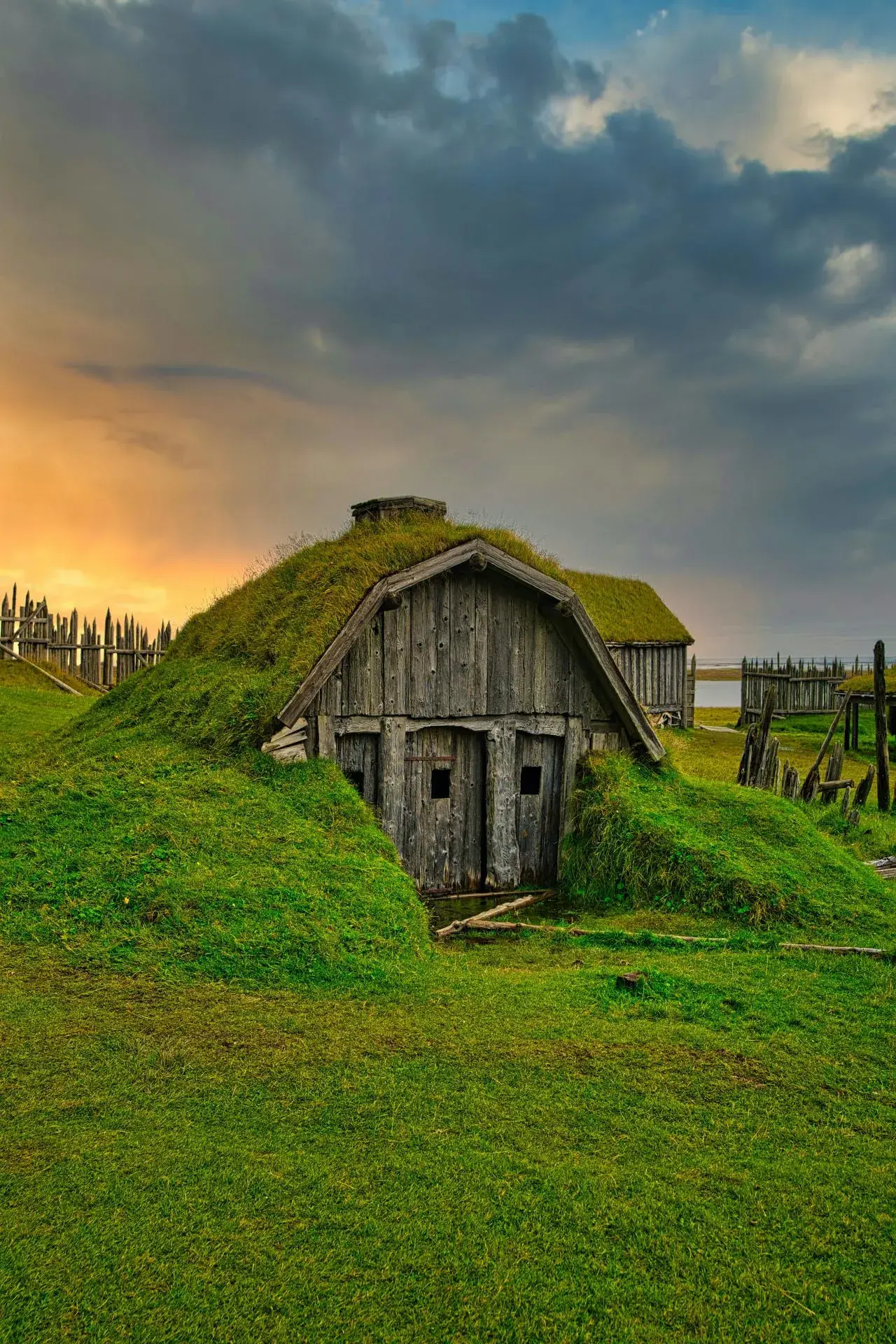
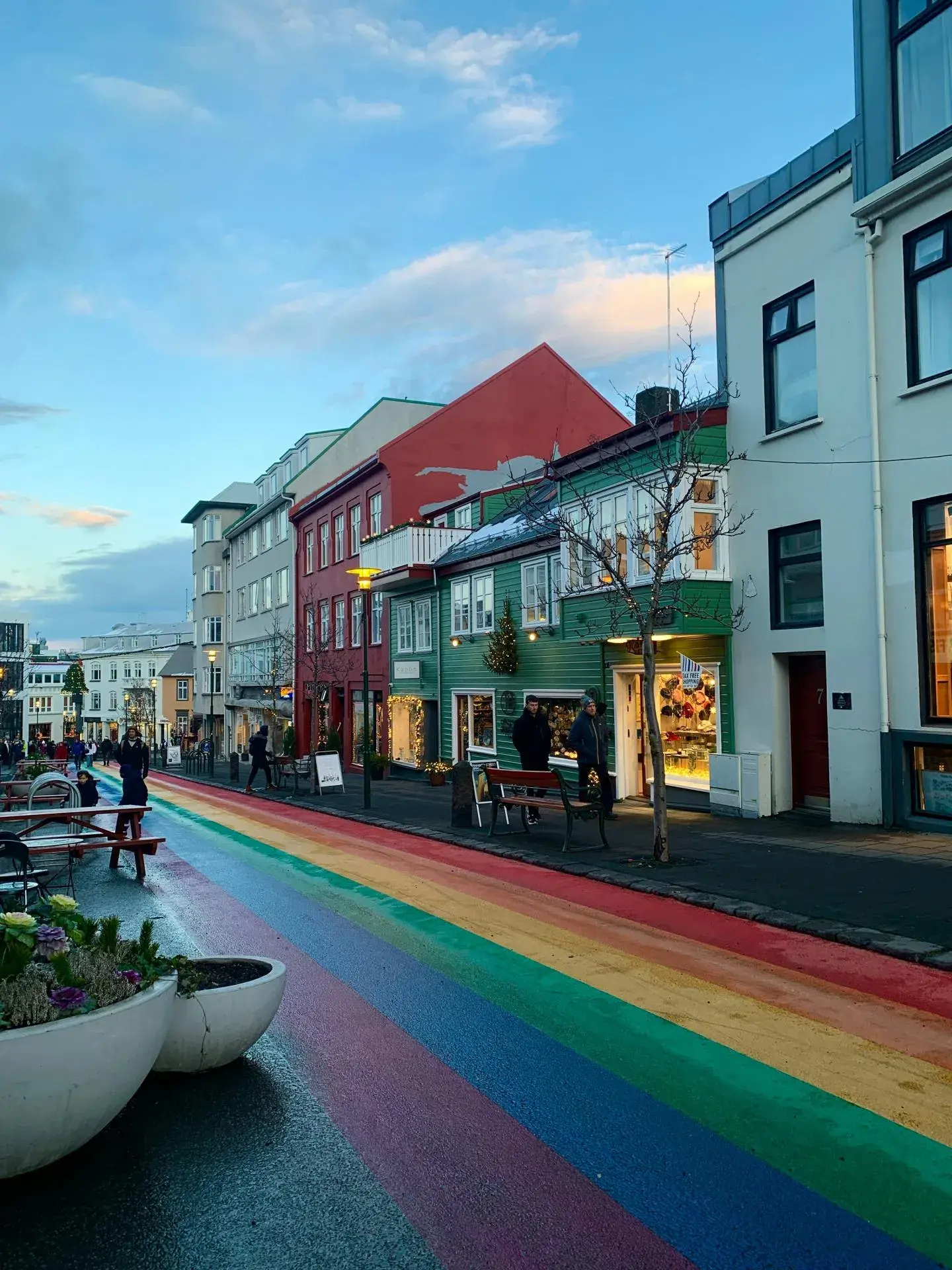
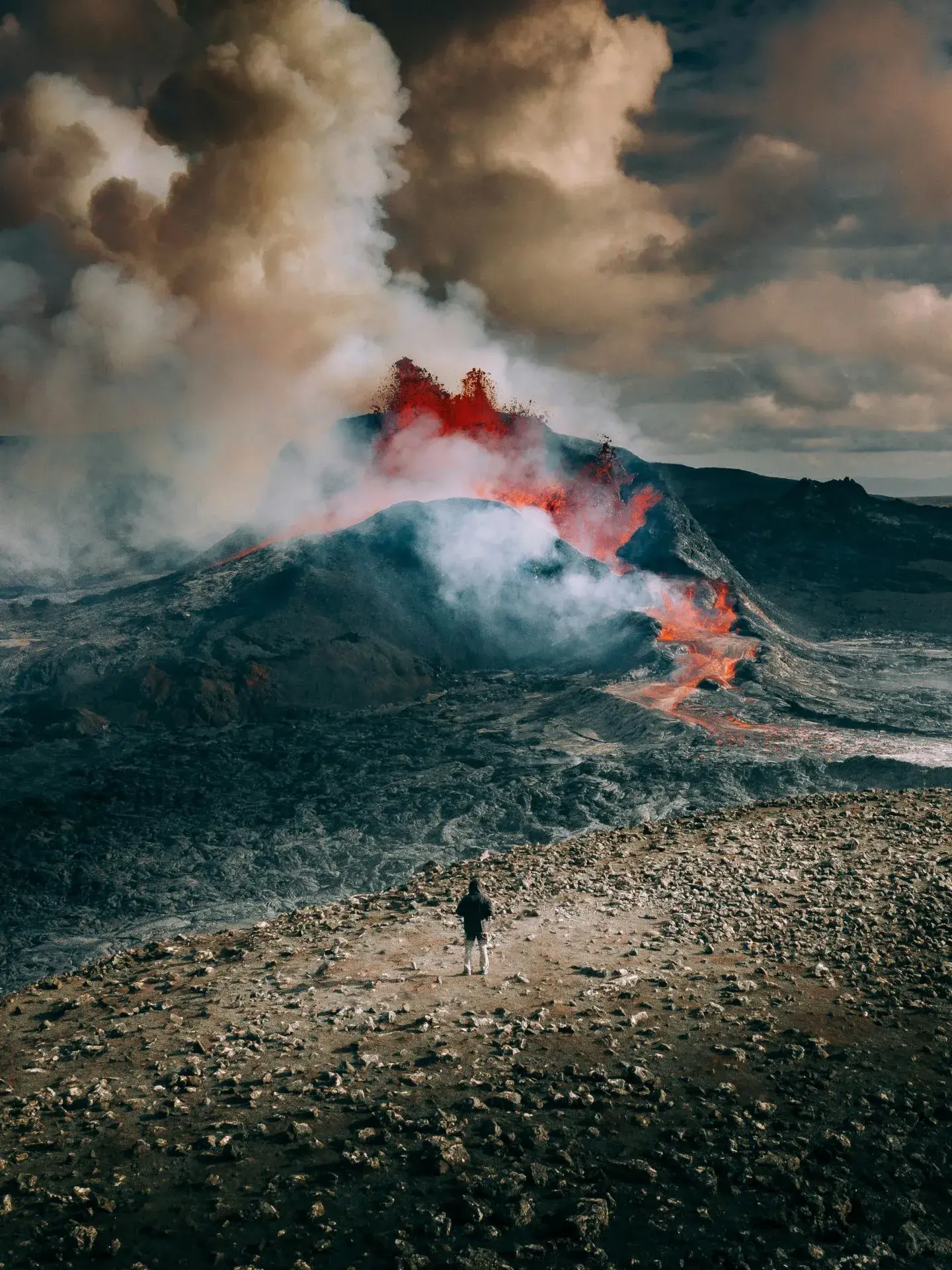
A land where fire and ice shape a stark and almost alien landscape with glaciers, volcanoes, and endless awe-inspiring horizons, Iceland embodies a sense of raw, untamed beauty.
Overview
Iceland was settled by Norse explorers in the 9th century, developing a distinct culture rooted in Viking heritage and isolation in the North Atlantic. For centuries, it remained under Norwegian and later Danish rule, gaining full independence in 1944. Despite its remote location, Iceland has built a modern, innovative society while preserving strong traditions, language, and connection to nature.
Today, it stands as a land of striking contrasts, where glaciers, volcanoes, geysers, and waterfalls shape the landscape. From rugged coastlines to vast lava fields and geothermal springs, Iceland offers a dramatic and ever-changing natural environment that makes it incredibly special. There is no other place on earth like Iceland.
It is slightly smaller than Pennsylvania; about the same size as Kentucky
None.
Icelandic, English, Nordic languages, German widely spoken.
Suggested Journeys
Featured Properties
When to Travel
Iceland can be visited year-round, with timing depending on the experiences you seek.
Summer
June through August, is ideal for hiking, road trips, whale watching, horseback riding, and exploring the Highlands, which are generally accessible only in these months. Long daylight hours, including the midnight sun, allow extended outdoor exploration. Average July temperatures are around 11°C (52°F), with the north and east often the warmest regions in summer.
Winter
November through March, is best for northern lights viewing, ice cave visits, and winter photography. Snow is not constant in Reykjavík and settles intermittently, though it remains longer in the north. Average January temperatures in Reykjavík are about 0°C (32°F), milder than many expect due to the Gulf Stream.
Iceland does not have a true rainy season, but precipitation peaks from October to February, especially in the south and west. The north, east, and interior are colder in winter yet receive less rain and snow overall.
Things to do:
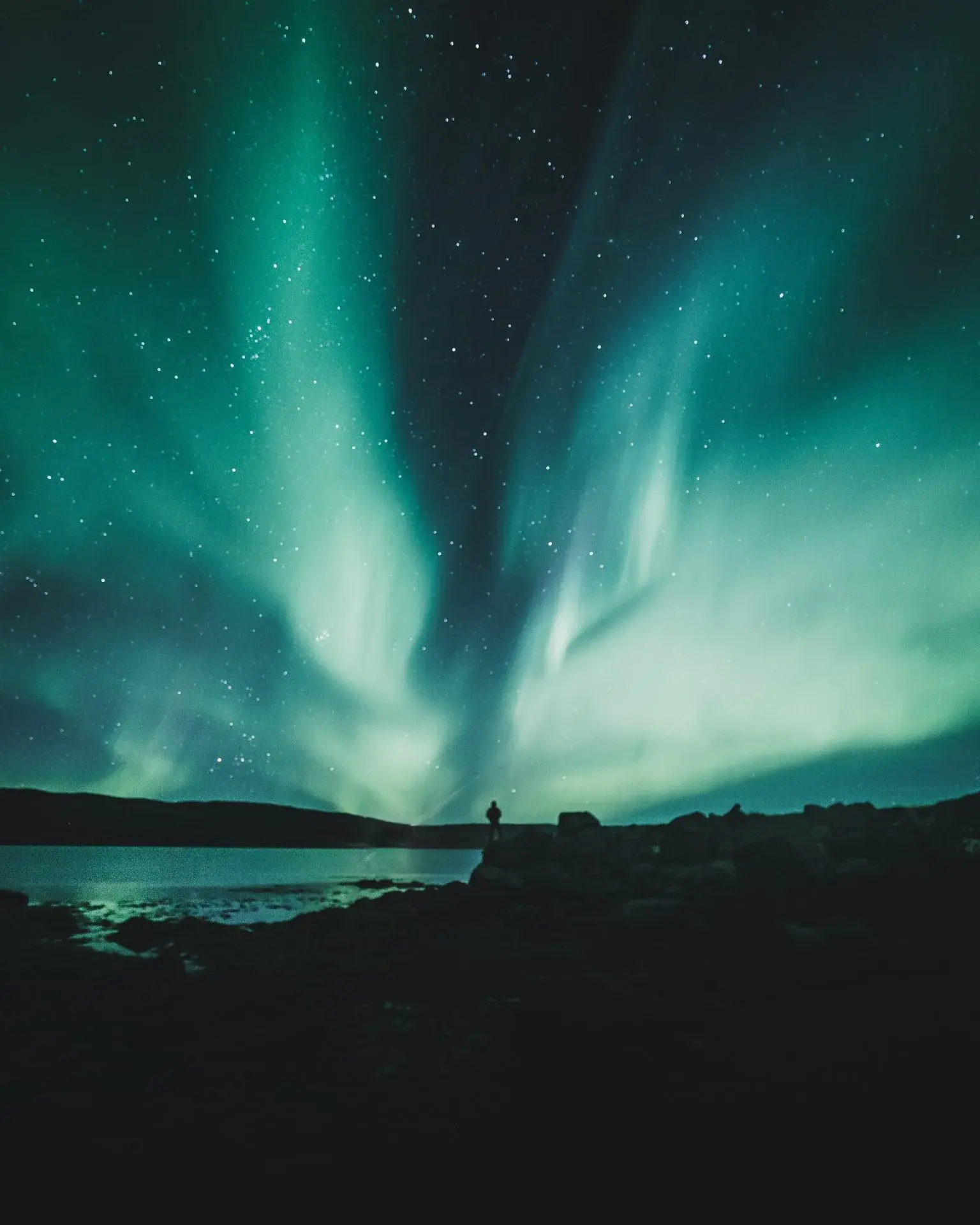
Northern Lights
The Aurora Borealis, or Northern Lights, occur when solar particles interact with Earth’s magnetic field, creating luminous green and occasionally pink or violet ribbons across the sky. The best time to see them in Iceland is from September to mid-April, when nights are longest and darkest.
4x4 Vehicle Tours (Super Jeep)
Super Jeeps, equipped with oversized 49 in tires, are designed to access Iceland’s most remote terrain. These vehicles navigate lava fields, glaciers, deserts, and the Highlands, reaching areas inaccessible to standard cars.
Helicopter Tours, Heli Skiing and Snowboarding
Aerial tours reveal Iceland’s glaciers, craters, waterfalls, and geothermal landscapes from above. Helicopters provide access to remote peaks for skiing or snowboarding, with optional mountaintop lunches in dramatic settings.
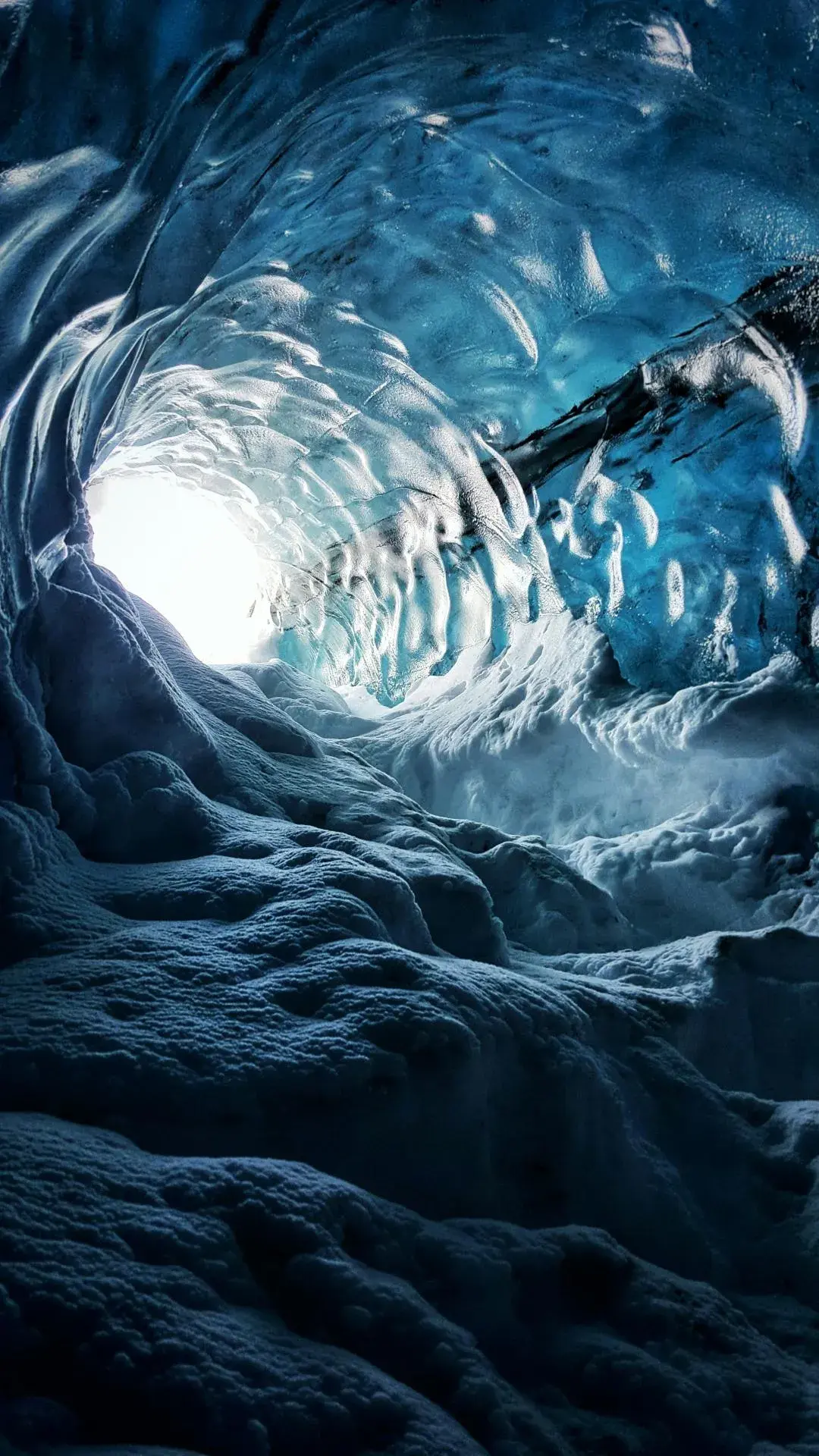
Ice Climbing, Ice Caving and HIking on Glaciers
Glacier experiences take place year-round on Sólheimajökull, Svínafellsjökull, Snæfellsjökull, and Vatnajökull. Guided hikes, ice climbing, and seasonal ice cave explorations offer close contact with these vast ice formations.
Caving
Formed by volcanic activity along the Mid-Atlantic Ridge, Iceland’s lava tubes can be explored safely with guides. The Þríhnúkagígur volcano allows visitors to descend about 120 m, or 400 ft, into a dormant magma chamber.
Geothermal Pools and Swimming
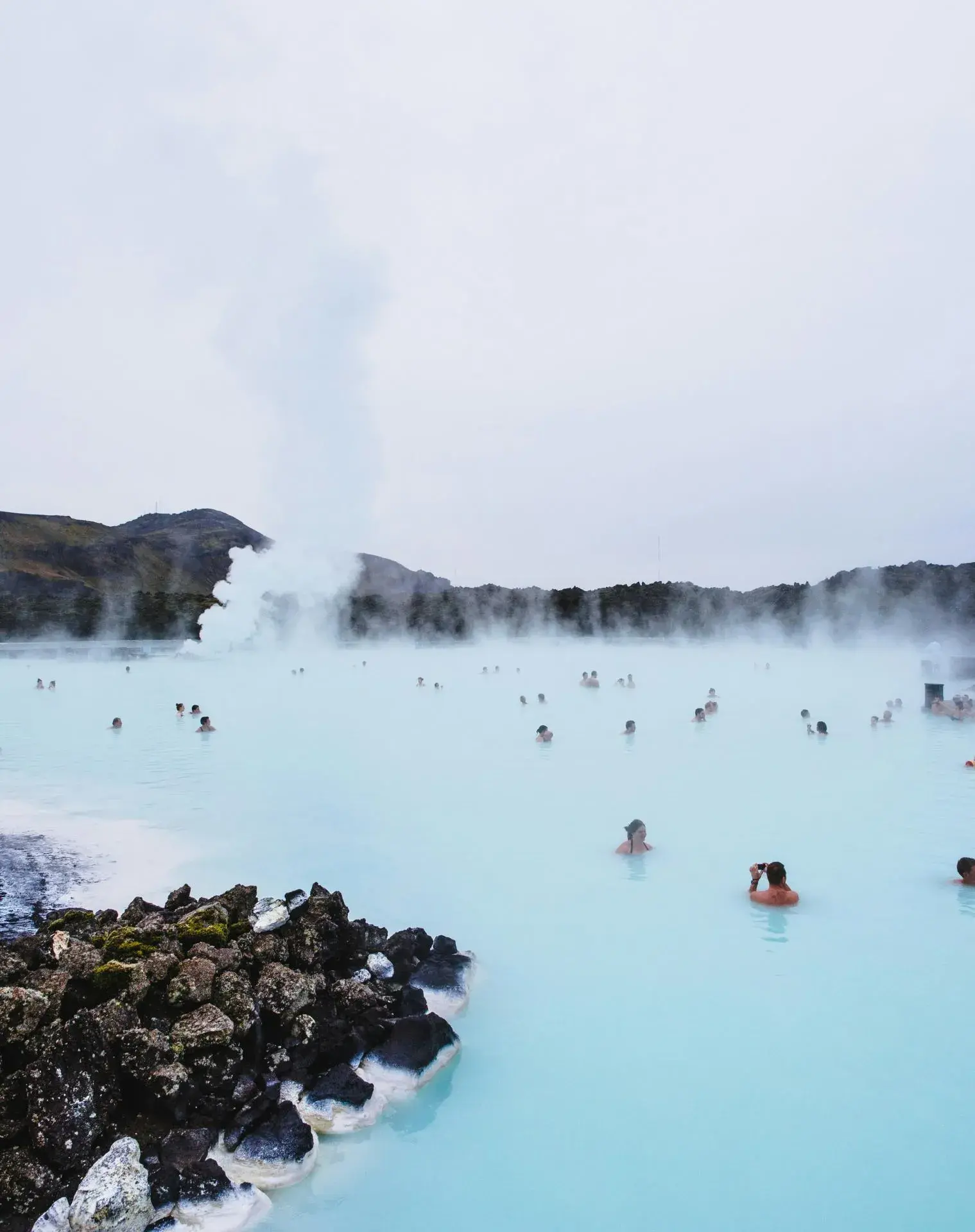
Geothermal energy shapes daily life. The Blue Lagoon on the Reykjanes Peninsula is the most famous example, while public geothermal pools and even Reykjavík’s heated beach reflect the country’s bathing culture.
Horseback Riding
The Icelandic horse, brought by Norse settlers over 1,100 years ago, is a distinct and resilient breed. Riding tours offer a peaceful way to explore open landscapes and rural scenery.
Whale Watching
Cold coastal waters attract diverse marine life. Summer months provide excellent opportunities to observe whales feeding offshore.
Shopping and Museums
Reykjavík’s Laugavegur and Skólavörðustígur feature Nordic design, local crafts, and outdoor wear. The traditional lopapeysa wool sweater is a signature item. Museums across the country highlight Viking history, art, literature, and Iceland’s unique natural heritage.
Travel highlights
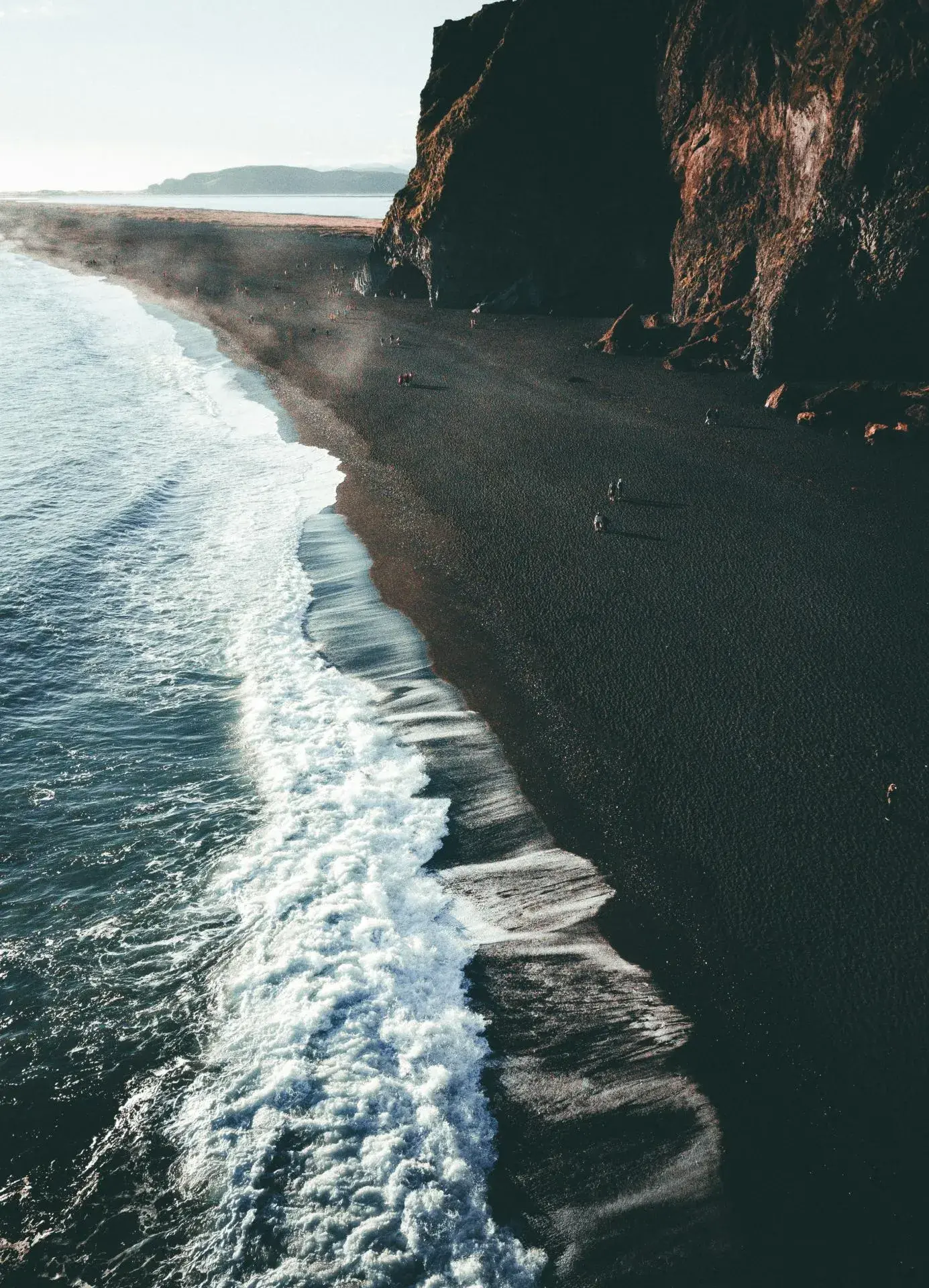
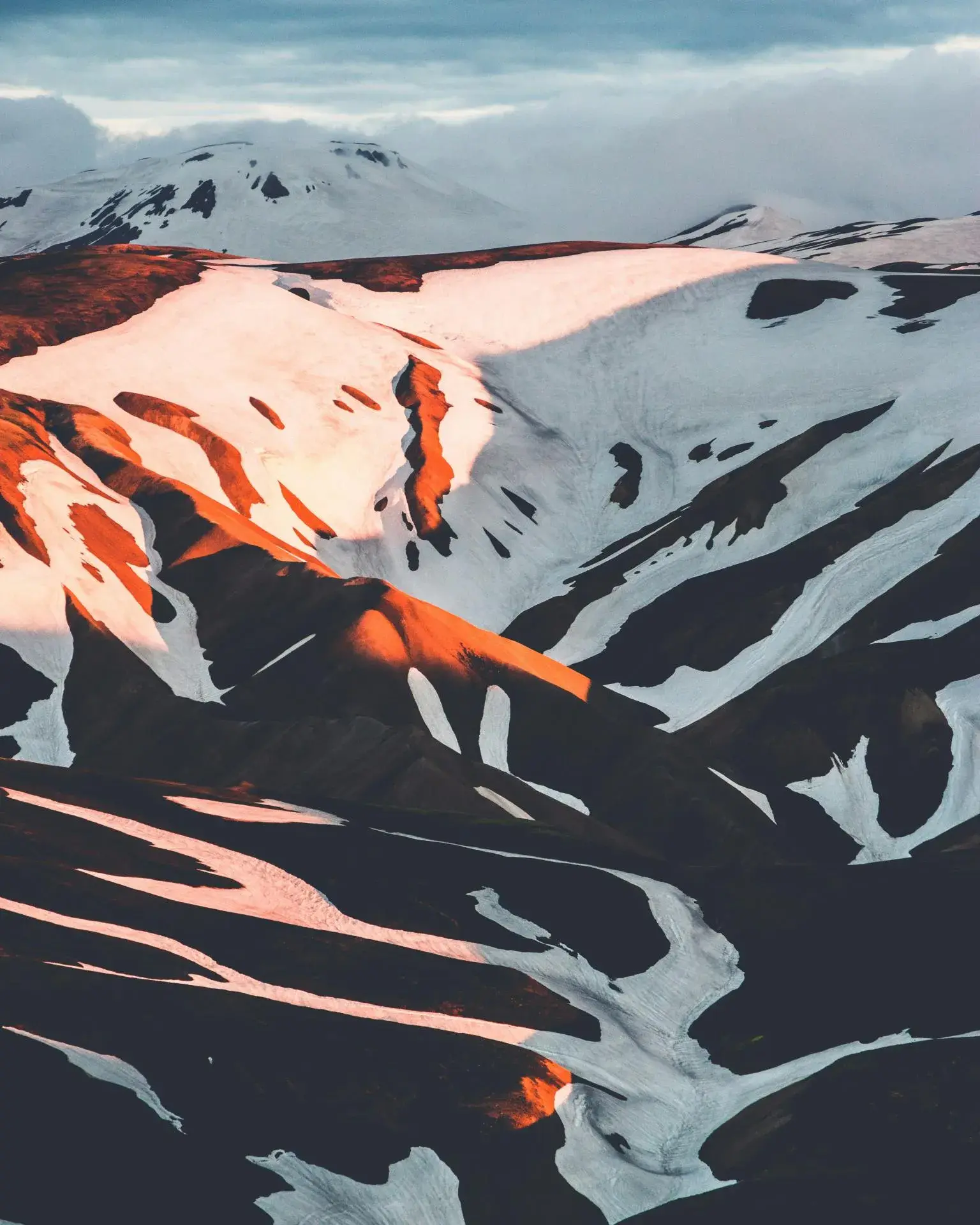
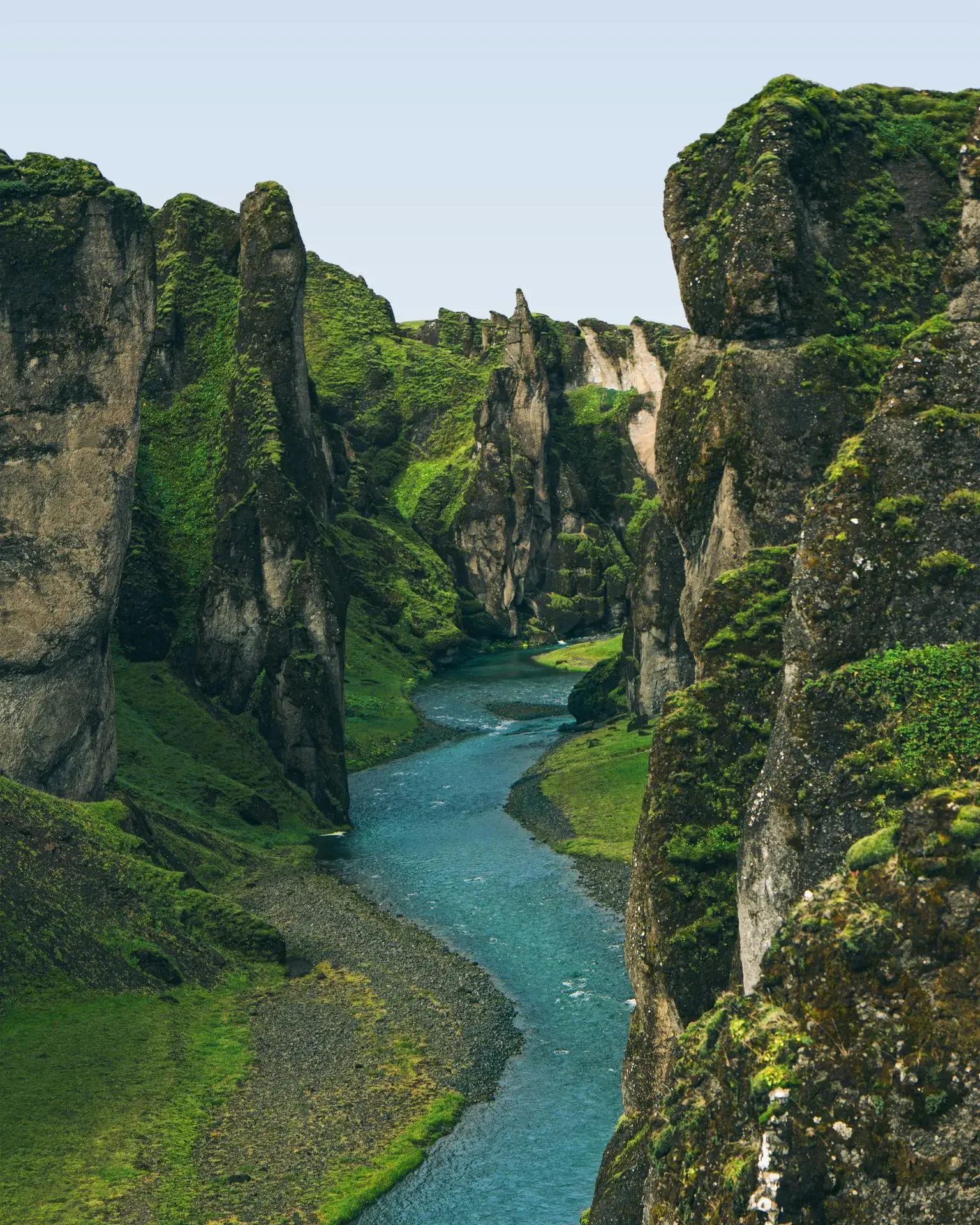
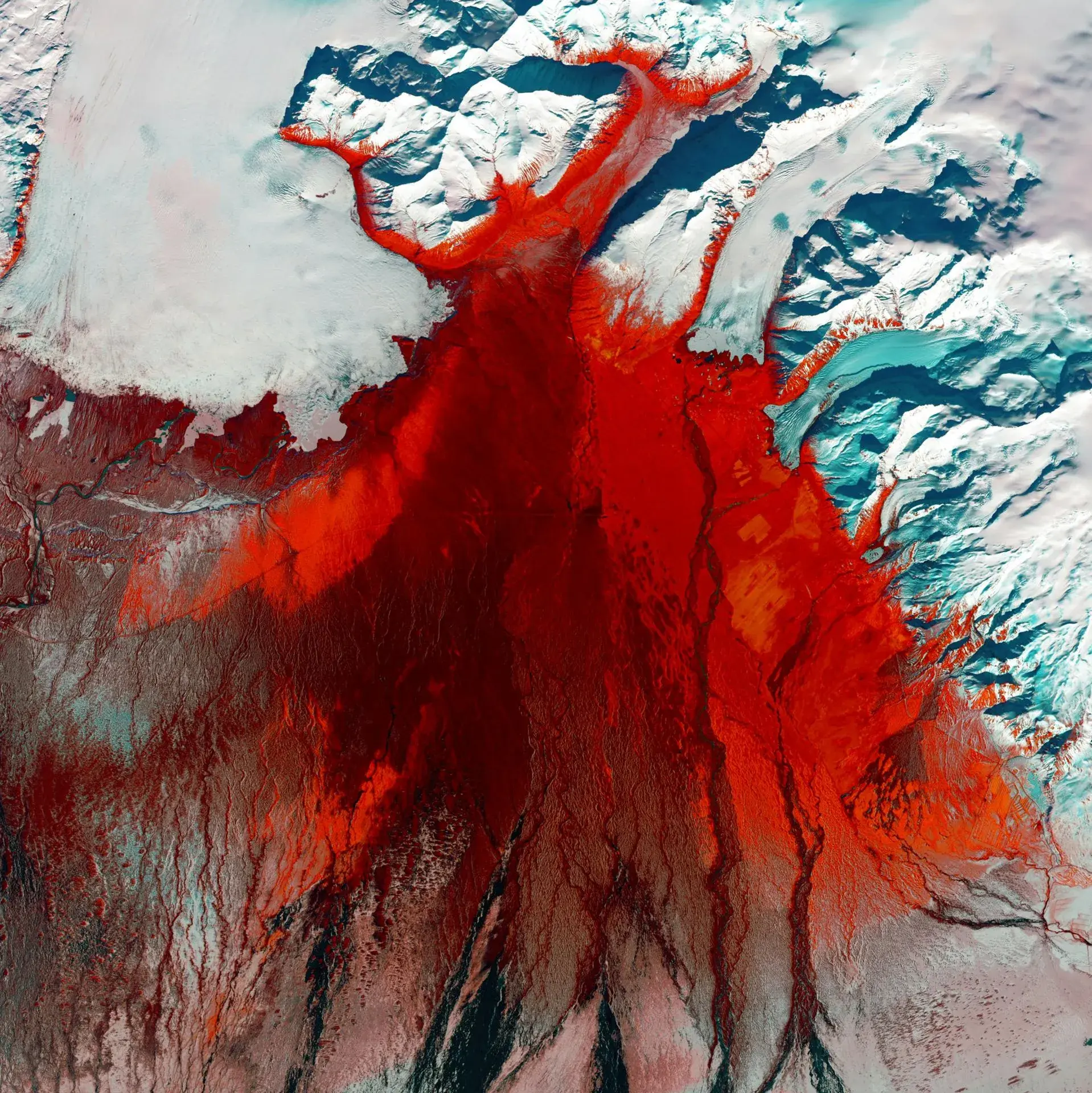
Iceland is a land of dramatic contrasts where fire and ice shape every horizon. Glaciers and ice caps crown active volcanoes, while waterfalls, black sand beaches, and vast lava fields stretch across the countryside. The Golden Circle showcases Þingvellir National Park, Gullfoss waterfall, and the Geysir geothermal area, offering a compact introduction to the island’s geological power. Along the south coast, glacial lagoons and Europe’s largest glacier dominate the landscape, while the north reveals whale-filled fjords and the volcanic wonders of Lake Mývatn. Remote regions such as the Westfjords and the Highlands offer solitude, rugged beauty, and geothermal hot springs surrounded by colorful rhyolite mountains. In Reykjavík, contemporary Nordic culture blends with deep Viking roots, lively cuisine, and a strong literary heritage. With summer’s midnight sun and winter’s northern lights, Iceland delivers extraordinary natural spectacle in every season.
Things to consider
-
Iceland requires practical layering year-round. Even in summer, temperatures average around 11°C (52°F), and weather can shift quickly. Pack thermal base layers, a warm mid-layer such as fleece or wool, and a waterproof, windproof outer jacket. Sturdy walking shoes or hiking boots are essential. In winter, add insulated outerwear, gloves, scarf, and hat. Swimwear is recommended for geothermal pools and hot springs in all seasons.
-
No special vaccinations are required for entry. Routine immunizations should be up to date. Iceland has high health standards, and medical facilities are excellent.
-
The local currency is the Icelandic Króna (ISK). Credit and debit cards are widely accepted everywhere, including small shops and remote fuel stations. ATMs are available throughout towns, though cash is rarely needed.
-
Iceland is considered one of the safest countries in the world. Crime rates are very low. Travelers should exercise caution primarily regarding natural conditions such as weather, ocean currents, and geothermal areas.
-
Tap water is exceptionally pure and safe to drink nationwide. Food standards are high, with fresh seafood, lamb, and locally sourced ingredients widely available.
Entry requirements:
Citizens of the United States and Canada need a passport valid for at least three months beyond their planned departure date from Iceland, with at least one blank page. No visa is required for tourist stays of up to 90 days within a 180-day period, as Iceland is part of the Schengen Area. Travelers must have proof of onward or return travel and may be asked to show evidence of sufficient funds for their stay.